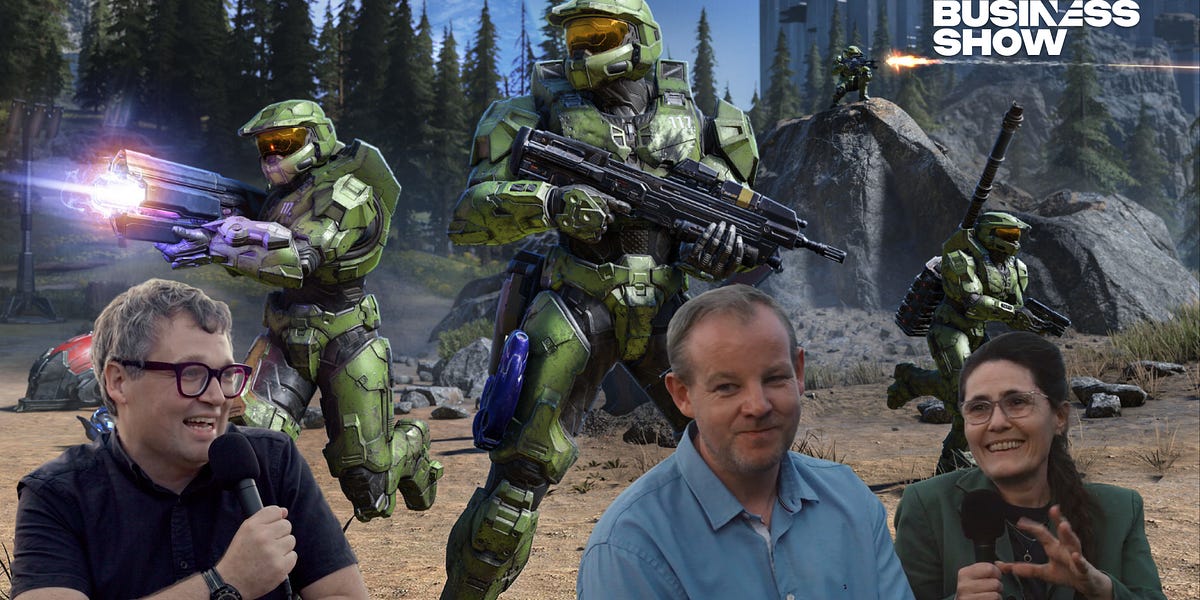
This includes 268 job cuts and the consolidation of studios. This aims to address stagnant growth and underperforming metrics.
Xbox Restructures. Xbox is undergoing a major structural reset, including 268 job cuts and studio consolidations.
Previous efforts under 343 Industries (Halo Studios) did not meet performance expectations.
Halo's New Home. The Halo franchise is being transferred to Activision to revitalize the series.
Aggressive studio acquisitions did not drive expected growth in Game Pass subscriptions or console market share. This led to the current restructuring.
Arkane Lyon is also undergoing a divestment consultation process.
These tasks include identifying UI layout issues for foreign languages. Experts warn it is unsuitable for dialogue due to a lack of cultural nuance.
The gaming industry is currently undergoing significant structural shifts, characterized by aggressive corporate restructuring at Xbox and the evolving integration of artificial intelligence in localization services. Under new leadership, Xbox is executing a comprehensive reset to address stagnant growth, declining console market share, and underperforming subscription metrics. This strategy involves a major consolidation of internal studios, with entities like Rare, World’s Edge, and Obsidian being reassigned to the Activision and Bethesda divisions. Furthermore, the company is divesting from several studios, including Ninja Theory and Arkane Lyon, while implementing 268 job cuts as part of a broader effort to streamline operations and focus on core, high-value franchises like Halo.
The industry’s approach to localization is simultaneously being reshaped by AI, though human expertise remains essential. Industry experts emphasize that while AI tools are effective for technical tasks—such as identifying UI layout issues or assessing how text fits within a game’s interface across different languages—they lack the nuance required for creative dialogue and cultural context. Relying solely on machine translation poses significant risks, including hallucinations and misinterpretations that can undermine the player experience. Consequently, the consensus among localization professionals is that technology should serve as a supportive tool for human linguists rather than a replacement for the authentic, culturally resonant storytelling that defines successful global game releases.
These developments reflect a broader trend of industry-wide consolidation and cost-cutting, as major publishers pivot toward long-term sustainability. While the immediate impact of these changes involves significant workforce reductions and studio closures, the long-term objective is to improve profit margins and revitalize flagship intellectual properties. Success in this new environment will ultimately depend on the ability of these streamlined organizations to deliver high-quality, engaging content that resonates with global audiences.