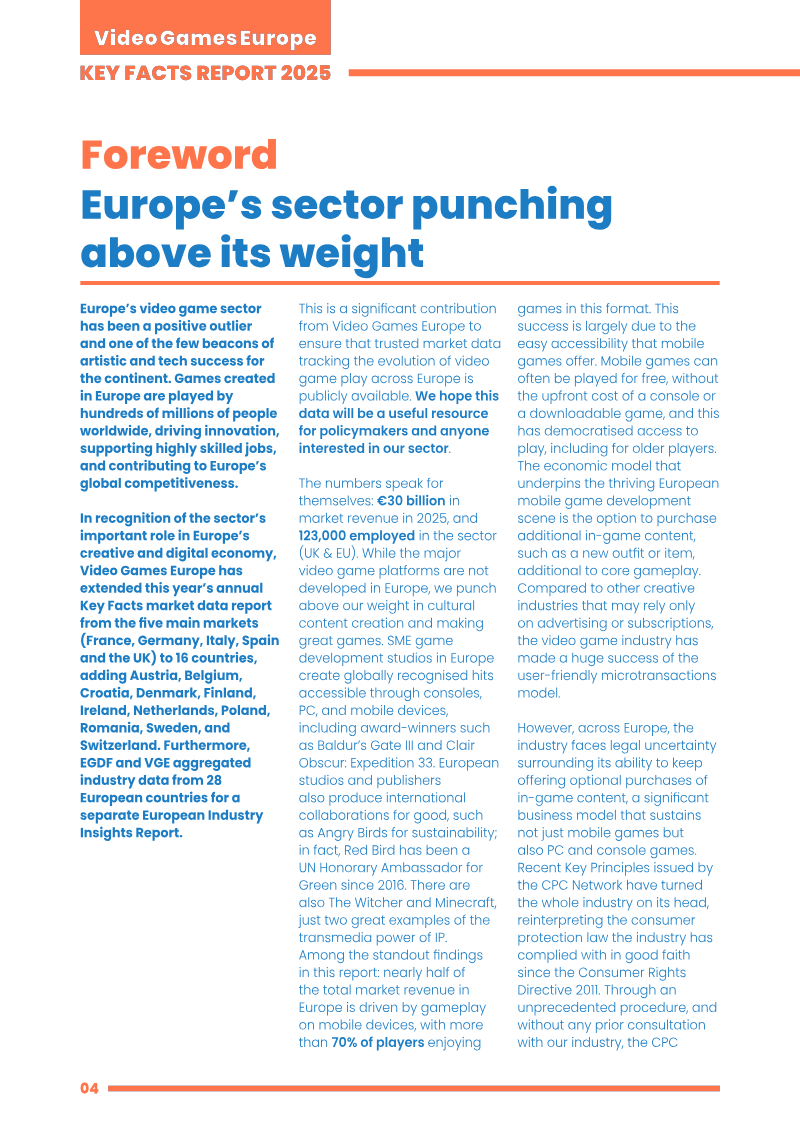
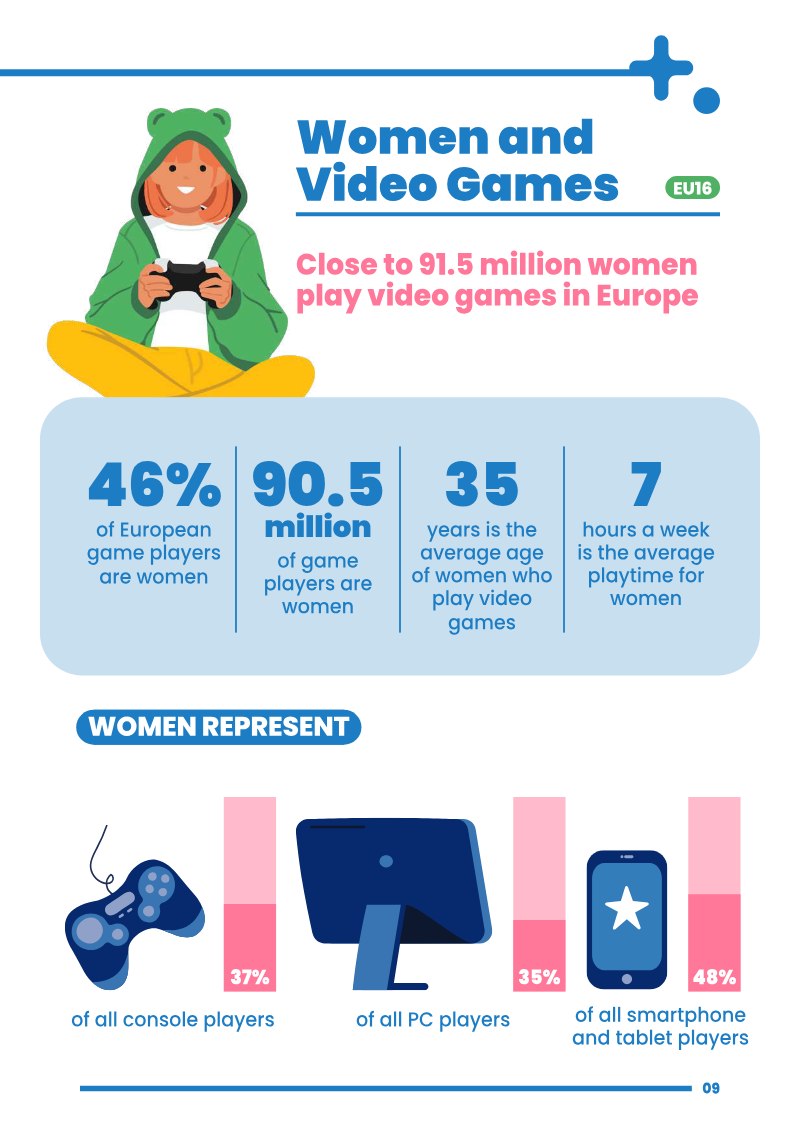
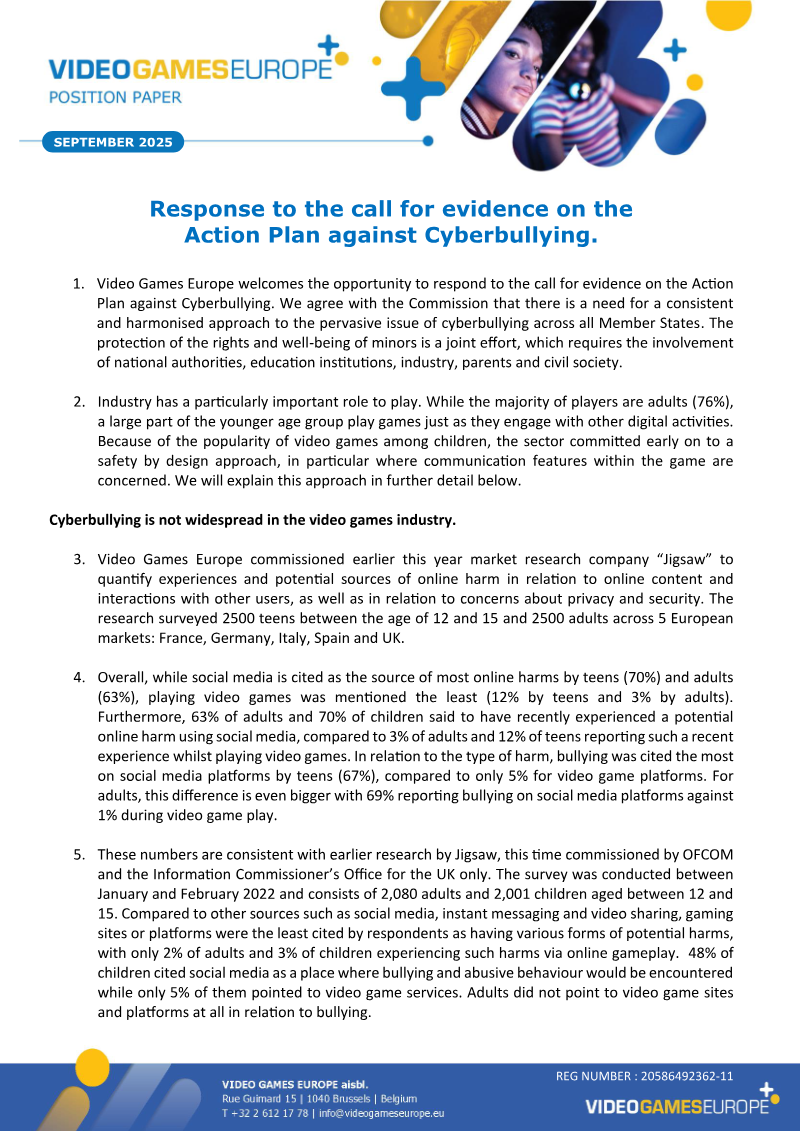
The European video game industry serves as a primary economic engine, supporting 123,000 jobs and generating €30 billion in mobile revenue alone during 2025. Across 16 surveyed nations, including major markets like Germany and France, the sector engages 199 million players. This demographic is notably diverse, with women comprising 46 percent of the total player base. While the industry maintains a strong competitive position in the global digital economy, it continues to navigate complex regulatory landscapes, particularly concerning in-game purchases and the need for greater policy harmonization across European borders.
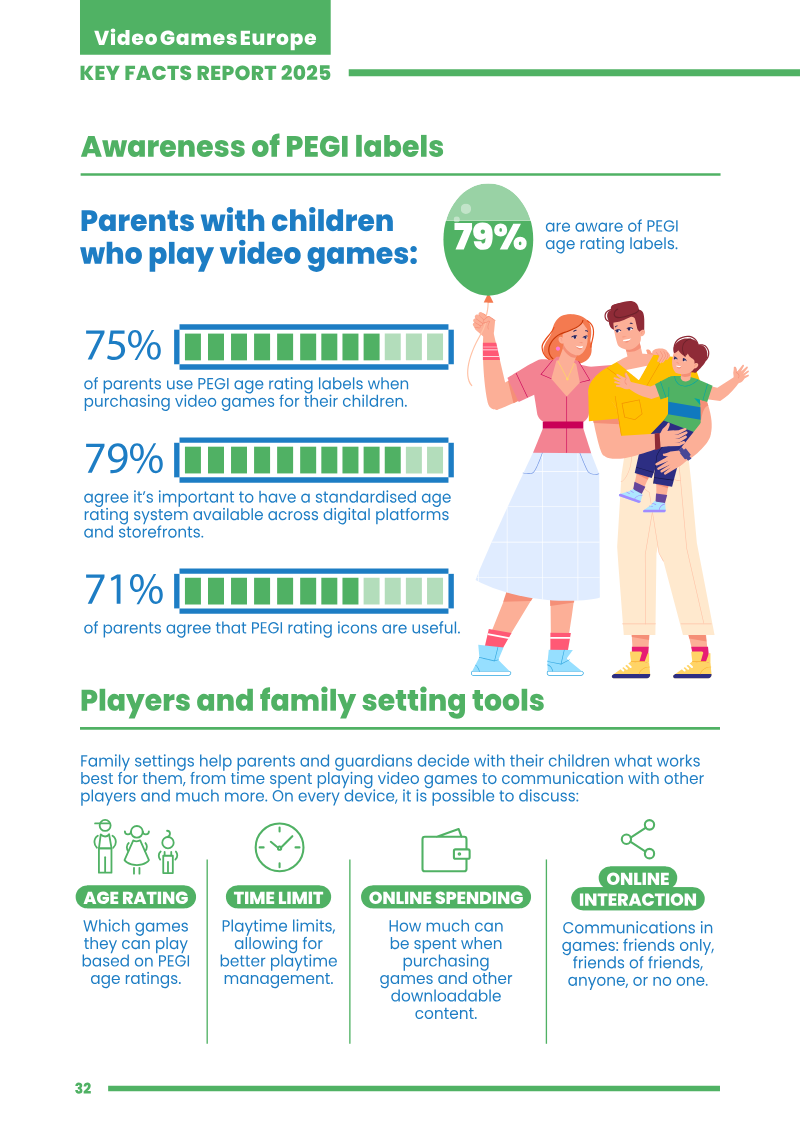
A central pillar of the industry’s operational strategy is the commitment to consumer protection and responsible gameplay. The Pan European Game Information (PEGI) system remains the standard for age ratings, with 79 percent of parents actively utilizing these labels and associated family management tools. To address evolving digital risks, PEGI will implement significant reforms in 2026, expanding its criteria to cover paid random items, time-limited offers, and unrestricted communication. These updates, supported by a robust code of conduct and potential fines reaching €500,000, reflect a proactive approach to modernizing safety standards in coordination with national bodies like Germany’s USK.
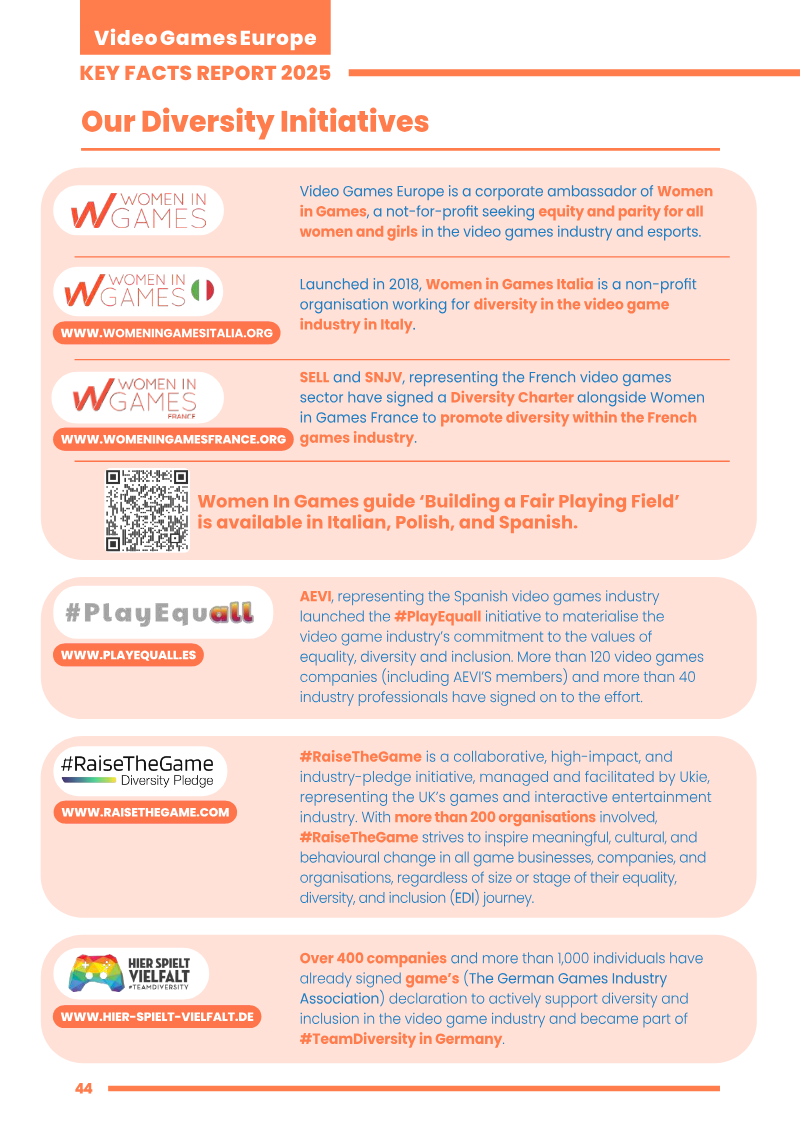
Beyond economic and regulatory concerns, the industry is heavily invested in social and educational development. Through initiatives such as the Games in Schools project and the UNICEF Game Changers Coalition, the sector is actively promoting STEAM education and digital literacy. Furthermore, the industry demonstrates a commitment to corporate social responsibility by fostering workforce diversity and advancing environmental sustainability through the Playing for the Planet Alliance. These efforts collectively aim to cultivate a skilled, inclusive, and environmentally conscious ecosystem that sustains long-term growth across the European digital landscape.