LegalVideo Games Europe
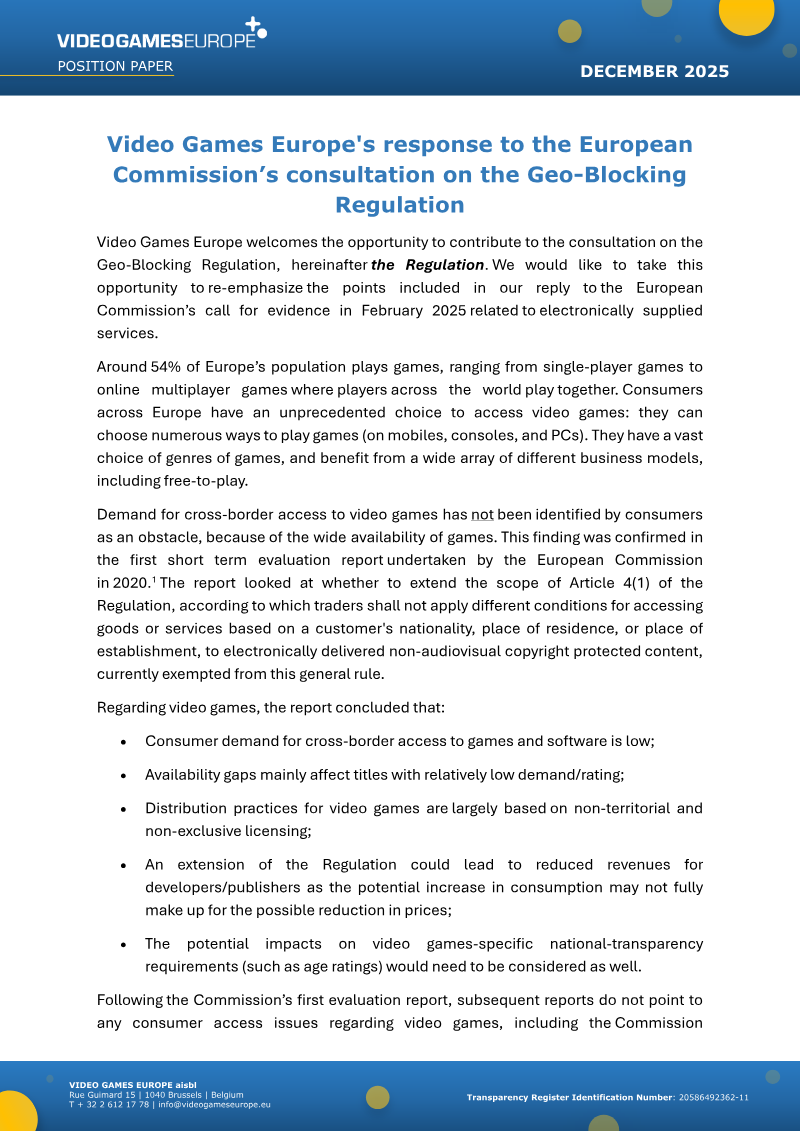
Video Games Europe’s Response to the European Commission’s Consultation on the Geo‑Blocking Regulation
1 Dec 20252 pages~4 min full read
Video Games Europe submits a policy position urging the European Commission to retain the existing exemption for electronically supplied non‑audiovisual copyright‑protected content within the Geo‑Blocking Regulation. The argument rests on preserving commercial freedom for right‑sholders, safeguarding investment in high‑cost creative production, and avoiding administrative burdens that could undermine the sector’s competitiveness across the EU.
Analysis of the Commission’s 2020 short‑term evaluation and subsequent 2024 staff documents indicates that cross‑border demand for video games is modest, with consumer surveys showing low interest in accessing titles from other Member States. Availability gaps are confined mainly to low‑demand or low‑rated games, while the prevailing licensing model is already largely non‑territorial and non‑exclusive. Modelling suggests that extending nondiscrimination rules could depress developer and publisher revenues, as any increase in consumption would likely be offset by price reductions, and could complicate national transparency requirements such as age‑rating systems.
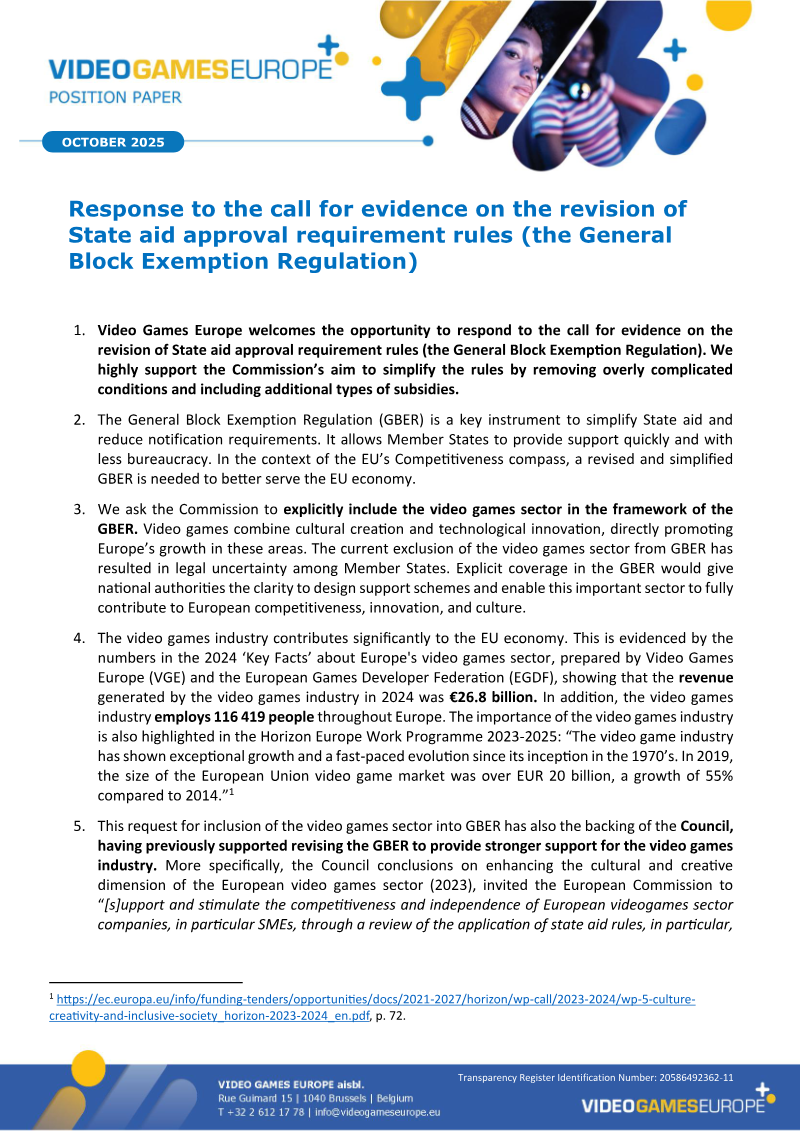
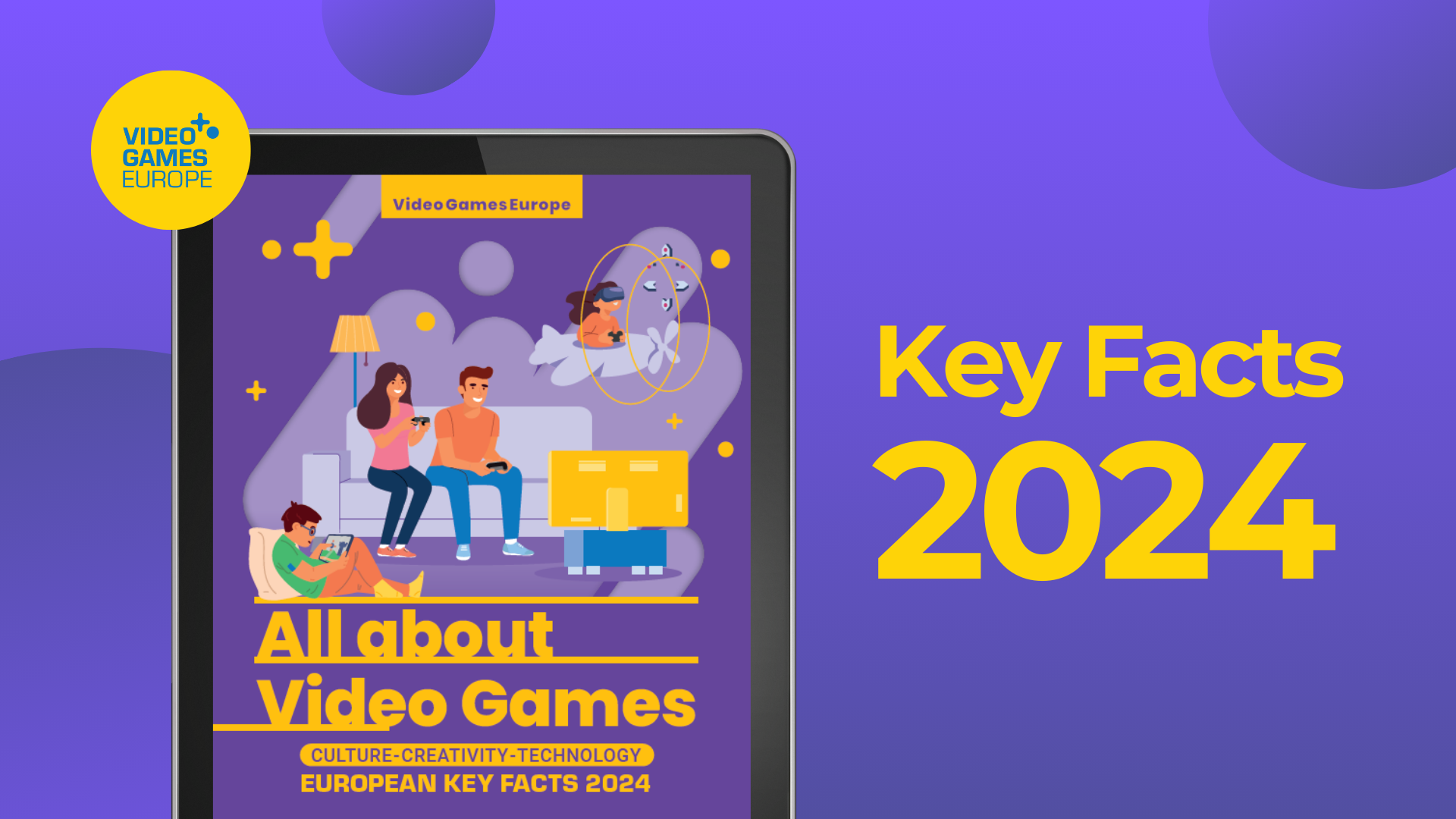
The scope of the assessment covers the entire European Union, drawing on industry‑wide data that 54 % of the European population engages in gaming, a sector employing over 116 000 people and generating €26.8 billion in revenue. The position paper references the Commission’s own evidence base rather than conducting an independent survey, relying on publicly available evaluation reports and the association’s annual Key Facts statistics.
By maintaining the current exemption, the industry aims to ensure that creators retain control over digital distribution, thereby supporting continued investment in quality content and reinforcing Europe’s standing in the global video‑games market.
Video Games Europe · 2026

Video Games Europe · 2026

Video Games Europe · 2026

Video Games Europe · 2026

Video Games Europe · 2026

Video Games Europe · 2026
Video Games Europe · 2025
Video Games Europe · 2025
Video Games Europe · 2025
Video Games Europe · 2025
Video Games Europe · 2025

Video Games Europe · 2025
Video Games Europe · 2023
Video Games Europe · 2023
Video Games Europe · 2023
Video Games Europe · 2023
Video Games Europe · 2023
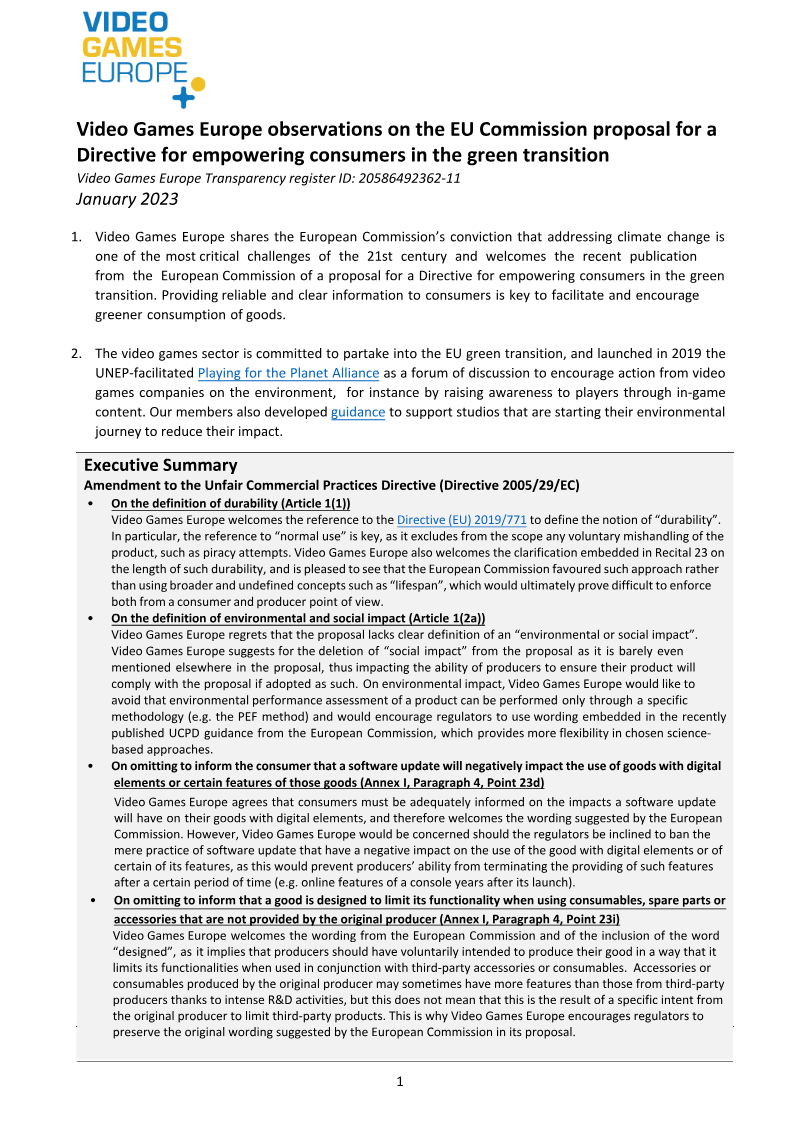
Video Games Europe · 2023
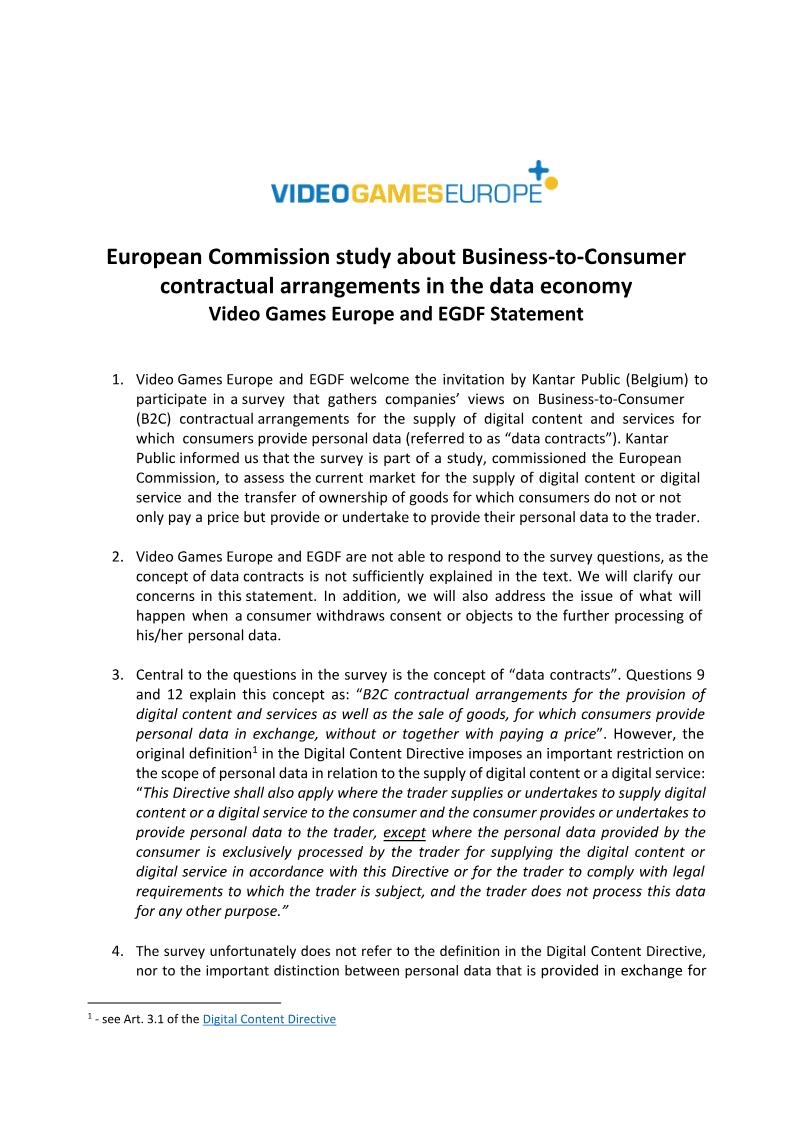
Video Games Europe · 2023

King · 2026
8Bit · 2026

Values Value · 2026
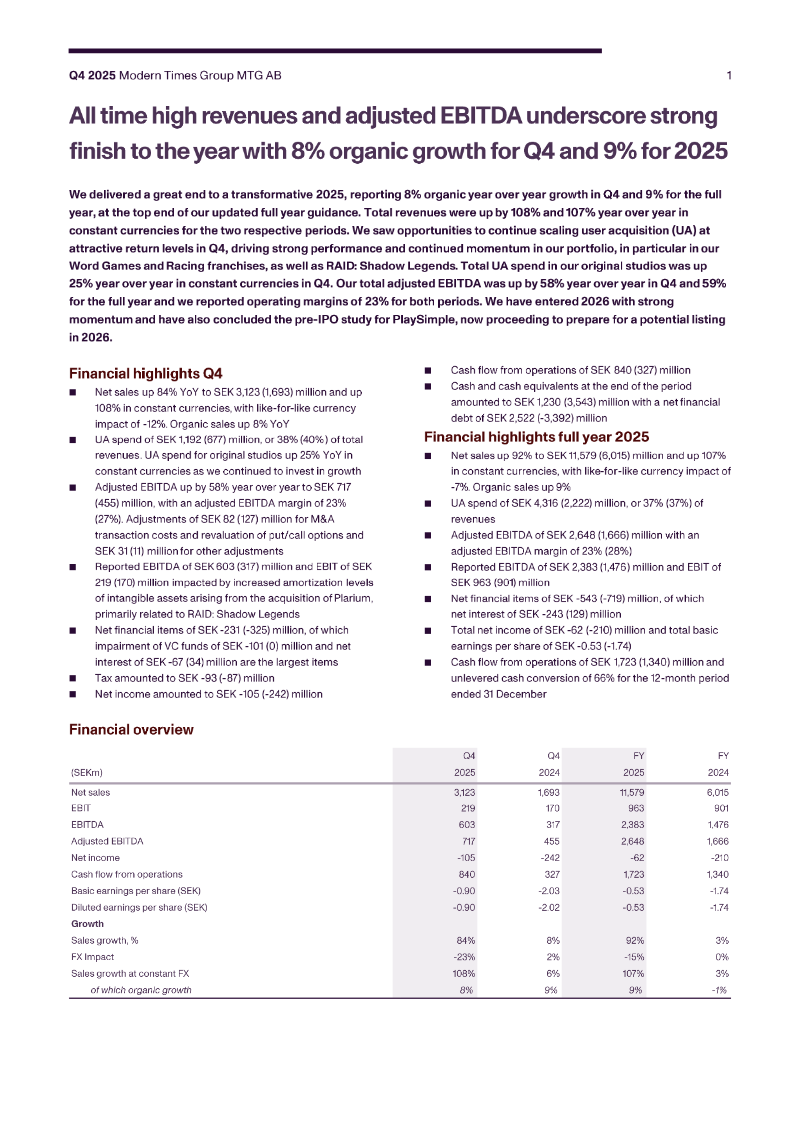
Modern Times Group · 2026
PlayWay · 2026