1 free read left. Create a free account for unlimited reading + AI research.
Create free accountWhitepaper DiGRA
1 free read left. Create a free account for unlimited reading + AI research.
Create free accountWhitepaperDiGRA
The paper argues that picaresque fiction, from sixteenth-century Spain onward, served as an early form of intersectional storytelling. It addressed class, gender, ethnicity, and sexuality.
This paper examines how contemporary video games use the rogue figure and the picaresque framework to portray unfavorable sociocultural circumstances, arguing that the videoludic picaresque continues a centuries-old literary tradition of depicting marginalized lives in oppressive societies. Its central thesis is that picaresque fiction, from its emergence in sixteenth-century Spain through its European expansion, served as an early form of intersectional storytelling addressing class, gender, ethnicity, and sexuality, and that these same concerns recur in present-day games as developers and players engage with their own historical and economic conditions.
The author's methodology combines close play of video games featuring rogues, including Thief, the Dragon Age titles, Final Fantasy XII, Mafia III, the Baldur's Gate series, and Metaphor: ReFantazio, with close reading of picaresque literary sources spanning the sixteenth to twenty-first centuries. The analysis draws on historical theories linking picaresque writing to social and economic conditions, contemporary research on adverse sociocultural contexts such as precarity and global inequality, and Game Studies scholarship on representation in digital media. The project is presented as a work in progress, with its list of examined games open to extension.
Among the paper's central observations is that urban density, visible economic disparity, and institutional corruption, features prominent in early modern picaresque novels, closely parallel present-day conditions, which the author proposes as a key reason for the rogue's renewed popularity. The paper contends that video games, like the literature before them, are shaped by their historical moment and that rogue protagonists function as vehicles for exploring how identities are treated within oppressive systems.
The work's scope is intercultural and interdisciplinary, spanning Spanish Golden Age literature, English and broader European picaresque traditions, and a global range of games, and it situates itself within socially conscious game scholarship. The research is funded through a European Union Horizon Europe postdoctoral fellowship.
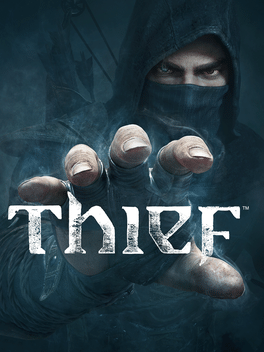 ThiefGame · Eidos Montréal · 2014 · 36 documents
 Mafia IIIGame · Hangar 13 · 2016 · 7 documents
 Square EnixCompany · Japan · founded 2003 · 335 documents
 Hangar 13Company · United States · founded 2014 · 4 documents
 BioWareCompany · Canada · founded 1995 · 43 documents
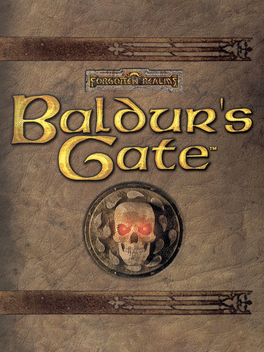 Baldur's GateGame · BioWare · 1998 · 103 documents
Each row is a game or company this document names, each column a document, oldest first. A mark means that document names it. Select a row to see those documents.
DiGRA · 2026
DiGRA · 2026