1 free read left. Create a free account for unlimited reading + AI research.
Create free accountWhitepaper DiGRA
1 free read left. Create a free account for unlimited reading + AI research.
Create free accountWhitepaperDiGRA
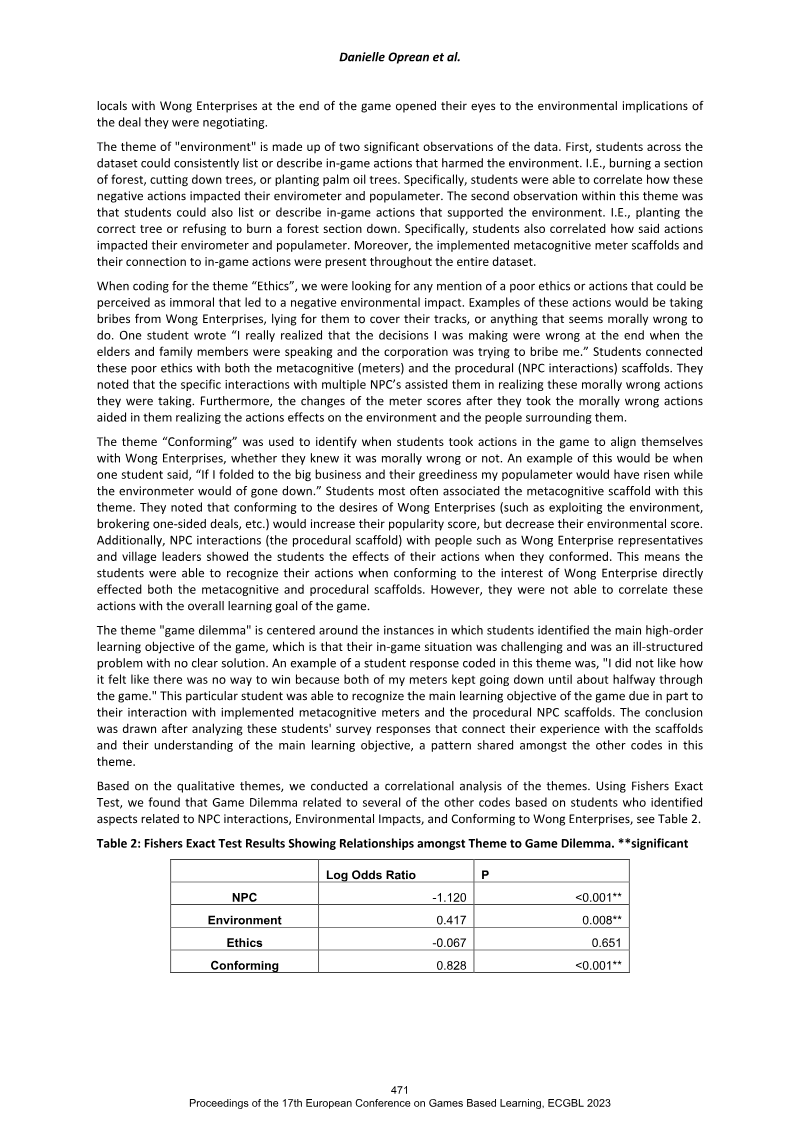
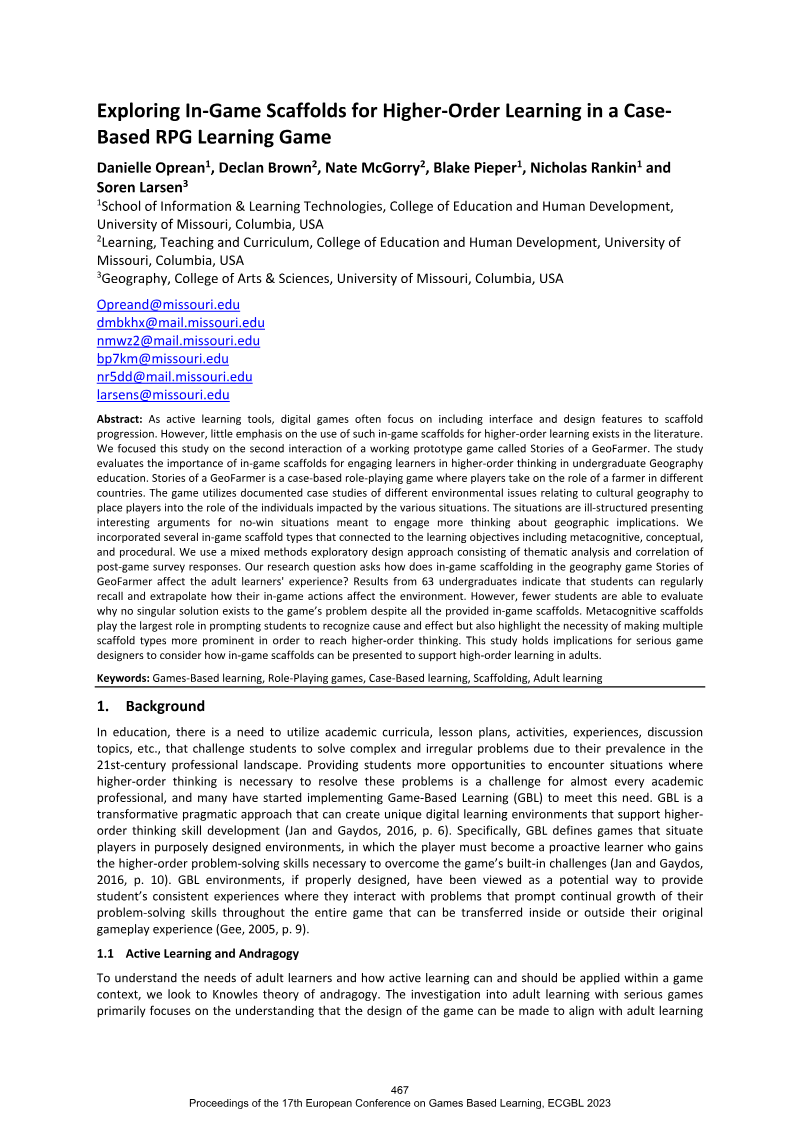
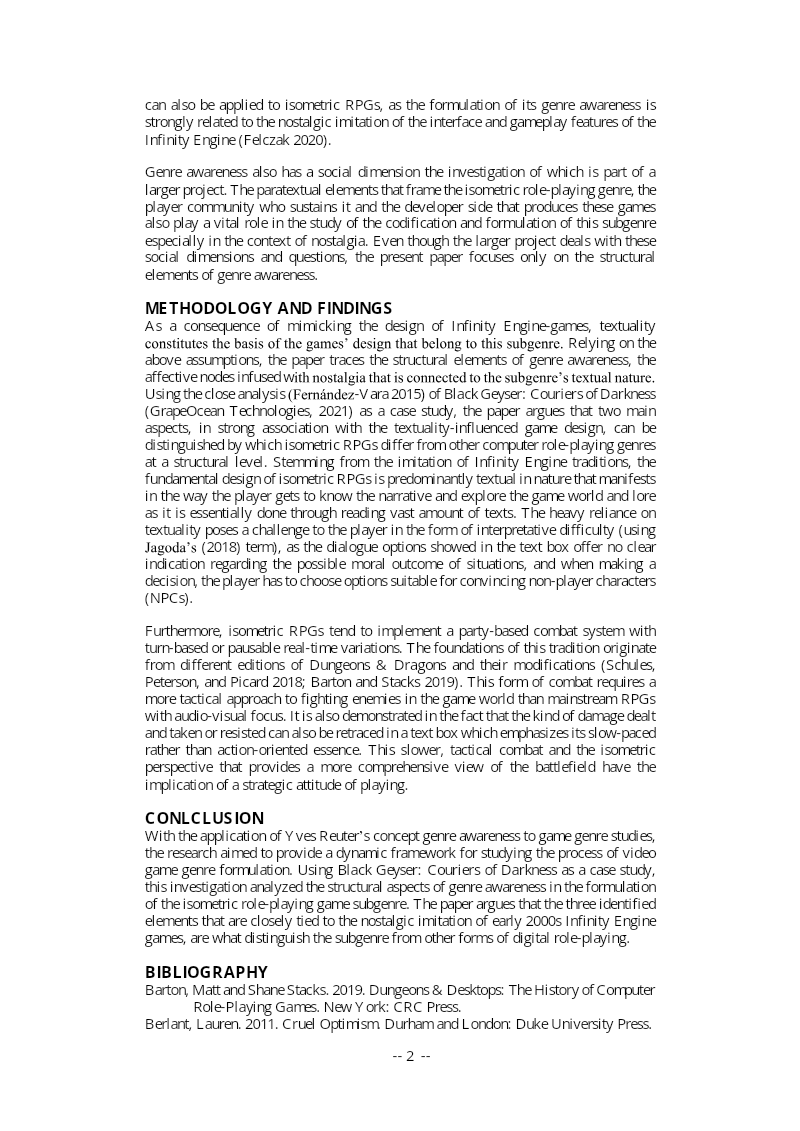
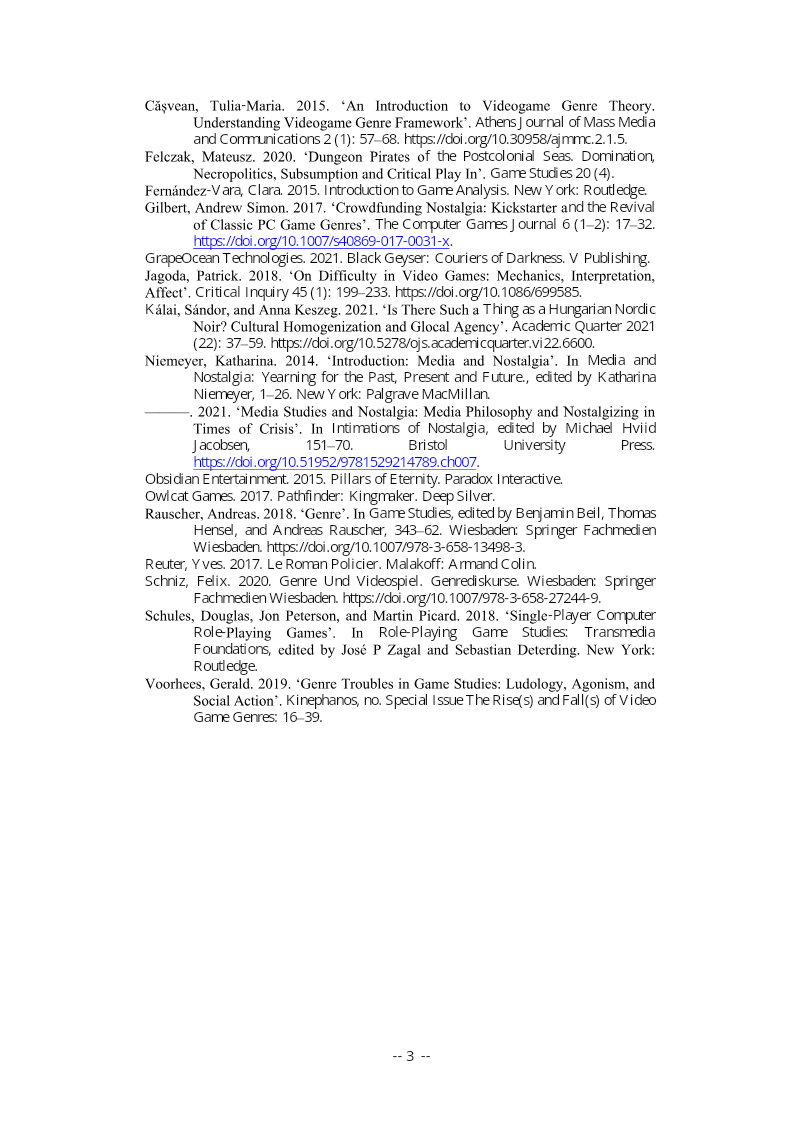
The paper contends that the witchers' marginalization in The Witcher 3 is not primarily a matter of representation or empathy-driven design.
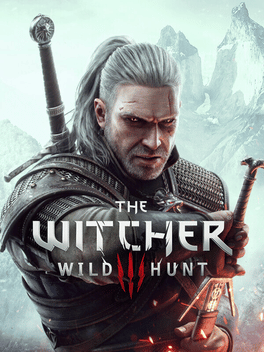
This paper applies a phenomenological framework of dwelling to The Witcher 3: Wild Hunt, arguing that the game's gameworld produces a mode of "minority dwelling" for its protagonist Geralt and the witcher caste he belongs to. Rather than treating the witchers' marginalization as a matter of representation or empathy-driven design, the author contends that it emerges from the ontological and socio-political structure of place itself. The study draws on Edward Casey's view of place as an existential actor, Heidegger's concept of dwelling, and Norberg-Schulz's notion of genius loci to analyze virtual places as active agents that shape and are shaped by their inhabitants.
The methodology is a close reading of the game's spatial design, narrative framing, and ludic affordances, supported by place-based hermeneutics. The analysis treats the witchers' liminal status, being essential yet excluded and functional yet distrusted, as a structural condition rather than a narrative motif. Drawing on Agamben's "state of exception" and on Majkowski's reading of the game as oscillating between epistemic disobedience and imperial nostalgia, the paper defines minority in relational and ontological terms, not demographic ones.
Key illustrative sites and mechanics include Kaer Morhen, the ruined ancestral witcher stronghold that embodies both home and decline, and the ludic mechanics of debt, obligation, and conditional hospitality that govern Geralt's interactions with communities and institutions. The Blood and Wine expansion's acquisition of Corvo Bianco is presented as a contingent and temporary suspension of minority dwelling, showing what settled belonging might look like while underscoring its unavailability elsewhere in the world.
The paper's stated contribution is a conceptual framework for understanding how gameworlds configure positionality, precarity, and belonging, extending discussions of identity beyond questions of who is represented to how worlds structure modes of being-in-the-world.
Each row is a game or company this document names, each column a document, oldest first. A mark means that document names it. Select a row to see those documents.

DiGRA · 2026

DiGRA · 2026



DiGRA · 2026
DiGRA · 2026