1 free read left. Create a free account for unlimited reading + AI research.
Create free accountWhitepaper DiGRA
1 free read left. Create a free account for unlimited reading + AI research.
Create free accountWhitepaperDiGRA
Distilling the key insights…
This extended abstract, presented at DiGRA 2018, examines how Fallout 4 uses historical imagery and the counterfactual mode to construct a critical reimagining of the Cold War and to prompt reflection on how historical knowledge is produced. Its central argument is that the game's interactive structure, in which both developer and player co-author the historical narrative, allows it to challenge players' assumptions about what history is, who tells it, and for what ends. The author, a PhD candidate in Communication and Culture at York University, frames the game as a site of critical play rather than simple entertainment or nostalgic Cold War sentiment.
The analysis focuses on Fallout 4's Massachusetts setting, particularly historically resonant locations such as Concord, Lexington, and Boston, which anchor the story in an American narrative of optimism and renewal. The paper identifies a core tension in the game between the hopeful rhetoric of American tradition and the pervasive devastation of its postapocalyptic landscape. By blending real historical elements with a fictional outcome in which the Cold War turns hot, the game is argued to unsettle the "narrative neatness" of popular histories that portray the Cold War as a settled victory for capitalism and American consumerism.
The paper's claims rest on interpretive close reading of the game and engagement with a substantial body of scholarship on digital history, counterfactual theory, and game-based learning, rather than on survey data, sample sizes, or quantitative measures. Its scope is conceptual and theoretical, centering on a single title and the period it evokes, with the broader aim of situating historical video games as sites where players can critically interrogate historical legitimacy, authorship, and ideology. The abstract is positioned as preliminary work leading toward participant-based research on educational applications of such games.
Each row is a game or company this document names, each column a document, oldest first. A mark means that document names it. Select a row to see those documents.
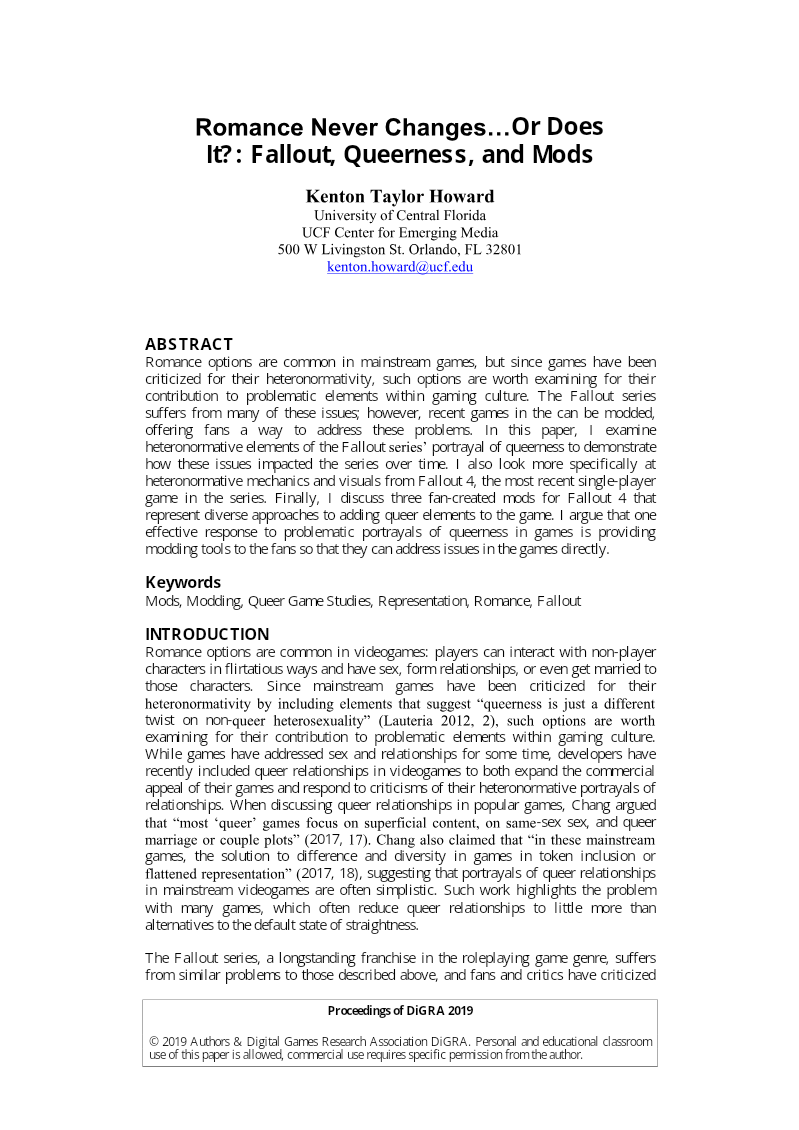
DiGRA · 2019
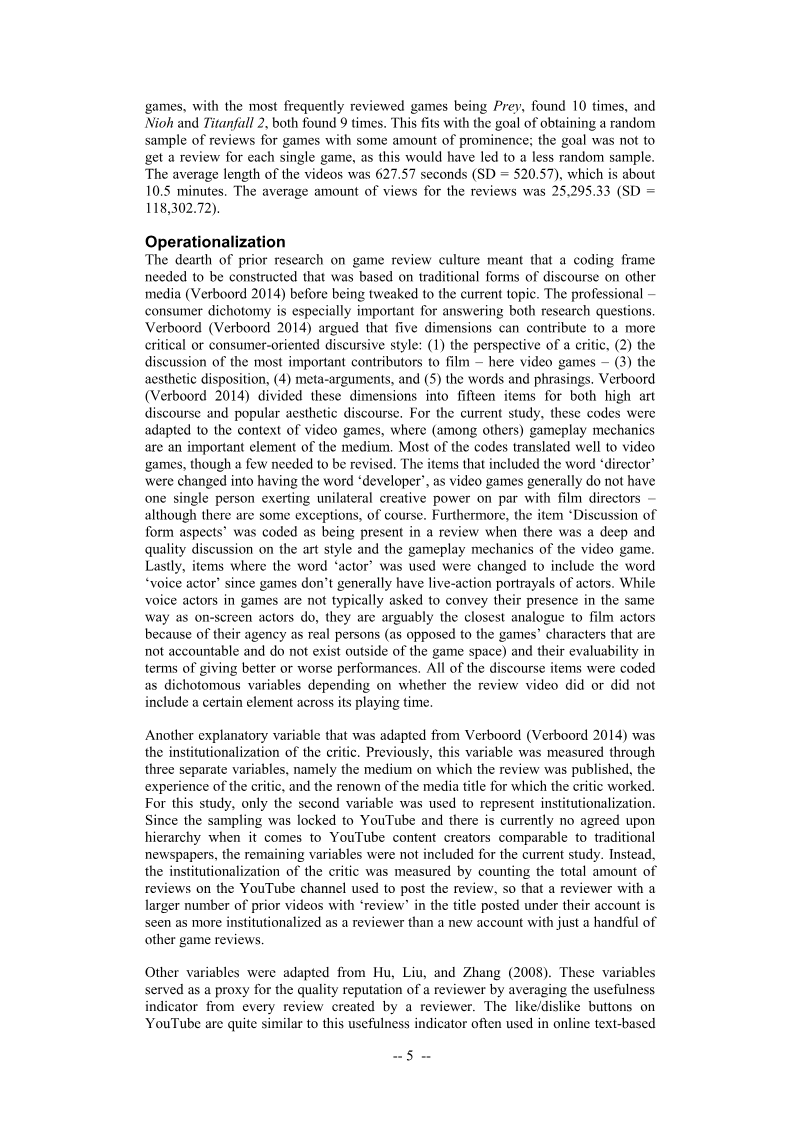
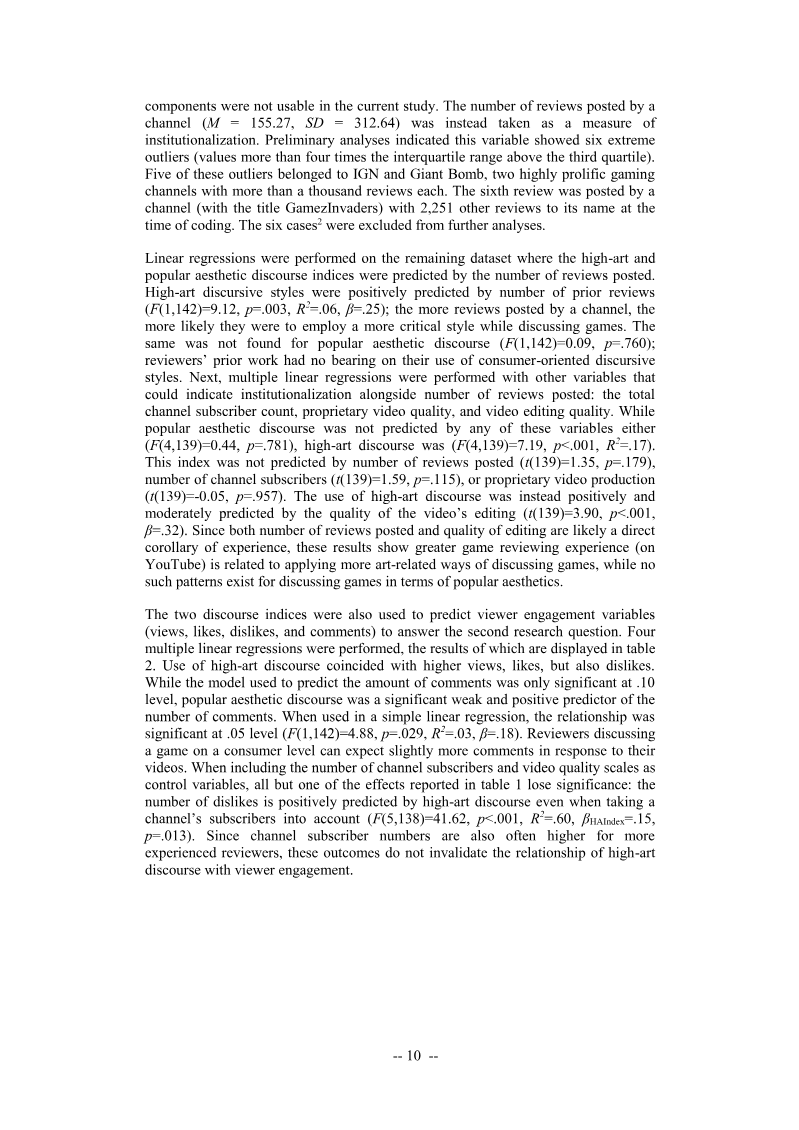
DiGRA · 2019
DiGRA · 2019
DiGRA · 2019
DiGRA · 2019
DiGRA · 2019
DiGRA · 2019
DiGRA · 2019
DiGRA · 2019
DiGRA · 2019
DiGRA · 2019
DiGRA · 2019
The Game Business · 2025