1 free read left. Create a free account for unlimited reading + AI research.
Create free account
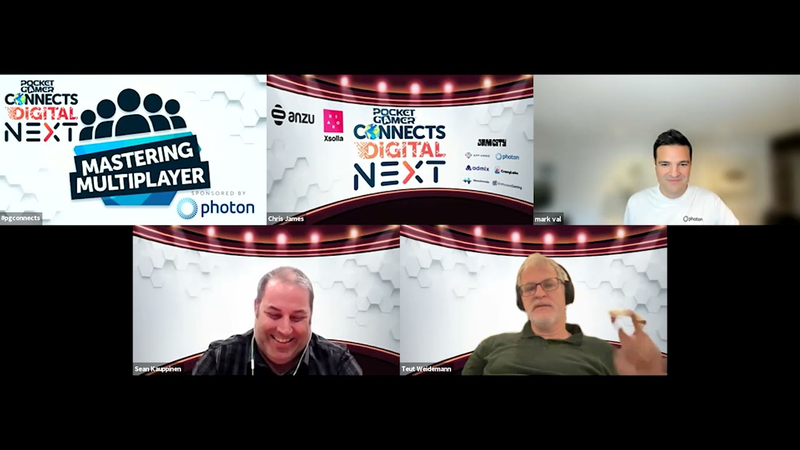
Panel: War Stories on the Business of Multiplayer Games
Key insights
6 takeaways- 01Integrate monetization models directly into the initial design phase rather than retrofitting them onto existing frameworks to ensure sustainable server liquidity and growth.
- 02Prioritize human-centric design and transparent community communication over technological novelty, as these remain the primary drivers of long-term player retention and viability.
- 03Mitigate development risk by launching core systems at 20 percent polish to validate design assumptions before committing full resources to feature development.
- 04Execute regional rollouts instead of immediate global launches to allow teams to refine operational systems and technical stability under controlled conditions.
- 05Focus marketing efforts on niche, highly engaged streamers rather than broad influencer campaigns to achieve superior conversion rates within dedicated communities.
- 06Minimize technical instability during live events by proactively managing session tokens and maintaining rigorous documentation to mitigate risks from hidden third-party middleware dependencies.
Ask AI about this video
Transcript
so it's it's been it's been uh small but but perfectly formed this stir this little track and and now we're going to come into our final you know into the new one but it's you know it's a panel so it's not going to you've got a bit of value but of chunky value yeah and so the panel we get we're welcoming back uh mark val of photon he's got enough he's got enough points in his uh previous uh presentation to keep him uh keep him going for uh for several more uh talks i think there's sean um uh from hiber joining us and this is scott bernan but i don't want to get i'm going to muller it properly i think we have a couple more more joining as well we have uh alexia anthony coming in and twitch tweets i can't do i'm making
my pronunciations i say i sound like the villain gold member at the moment do this tweet um i'm gonna not say that again but i'm gonna let him come in i think i think is that is this our panel we had someone come in and go out again then i think we might have no we're all set everyone is here who's in all right hi sorry is this it's a very it's a small but perfectly form panel are you a mark are you are you uh you asking questions i hope i'm not cause i've got anything yeah that's right don't worry we have a lot to talk about i've got questions but not particularly for this um uh is yeah i think is alexi supposed to be okay no sue the three of us here okay fine guest you almost had a guest him i'm gonna let you guys uh crack on with it you seem to be uh i won't gonna mull a bit with more of my pronunciations i'll let you crack on and i'll be uh come back at the end but yeah yeah there you can go here as long as you like at the end of the day if you want to keep talking get some beers in oh he can do that definitely i'm pretty sure thank
you so much chris all right cheers guys john it's so great to see you uh it's fantastic um thank you for uh you know accepting the invitation to be here today uh for those who don't know both of you i can i can say that both of you are legends meaning that it's been a long time you've been in the industry made tons of projects but also uh saw many other projects so instead of me introducing you which normally i do in the panel because normally we're like five six different panelists now we keep it small so we'll let yourself introduce so toy do you want to start me okay so i'm doing games since i left school 30 something years now um and i'm doing online games i don't i have no idea when i started 2005 something in the past 12 years i've been consulting mostly free to play games and their companies in honor game design and video play monetization i'm a kind
of specialist in mtx user experience online game design all of that kind of stuff um for more than two years though besides consulting my main focus is on doing my own games uh with a company called stratosphere unemployed there with as a creative director it's a company in berlin and i'm on a project called homeworld mobile we're doing that for gearbox and we're doing three games in total or free to play or mobile and that's pretty exciting you know going to hands-on development again for a couple of years but on the side i keep my um my trusty long-term clients and that's no secret you know i'm i'm working with remedy on one of their projects and uh some other things um my main focus though and my passion is uh is online games um and not necessarily shooters and stuff but you know like deep down mmos the more the merrier this is my thing
where my heart beats and due to my clients i have seen a lot of games working and not working um hundreds of them and my clients are big companies from supercell juggex rovio down to smaller teams which are strewn all over the world you know from from serbia russia ukraine some even asia asking for my help so i have seen a lot of things from both sides of the medal you thought and sean here you are yes good to see you guys toy it's been a while yeah hi sean good to see you good to see you i i shaved and lost hair yes okay all the hair's coming off as we get older um when mark said legends i think he just means people who've been around so long that they've seen everything um i've been around for 26 years in the industry my online stuff started actually back at ubisoft we were thinking about taking myth i'm sorry missed online that was an interesting project it was gonna be called infinity um with with the logo
that was sideways that looks just like the new meta logo for facebook so that was back in 2001 but my first uh online games were really with sony online working on request two in star wars galaxies and then i rolled into uh lord of the rings online warhammer online age of conan did about 20 20 something uh mmos over the years in some capacity uh did some free-to-play stuff when it first started coming to the west out of asia that was very fun um planetside online so i worked at the online shooter space worked with over 600 titles and studios all around the world but for the last two and a half years i've been the chief strategy and marketing officer over at a company called hyber which is basically giving everybody the ability to make their own experiences in 3d using web technology so anybody without them the ability to code can can make games so a big part of what we're looking at is is multi-player and how to get people
working together and i've i've worked with uh with a lot of people so i've seen a lot of things go right and a lot of things go wrong so we're telling war stories this should be a fun one yeah definitely and and multiplayer evolved at the same time stagnant through the decades if we look at the end of the 90s and where we are today with metaverse obviously but you know let's let's go back in the past a little bit at the end of the 90s where you know when multiplayer was very very novel meaning that uh you know you were stepping in a game with other players and you were able to talk to each other uh back then obviously the reach of people who had internet was super small uh computers were you know not in every home it was there already and a lot of learnings were done in those days that are still very much true today um so when we i would love to hear your story uh to do like um in the past and today like
compare how it was today and how it is now um and i guess on both development and marketing and then we're gonna dive a bit deeper into the virus pillars or verticals of that field so any one of you can start i mean you mean end of the 90s that was ultima online essence called everquest one these were the first mmos i can tell you that i paid 1200 200 a month phone bill because i had to dial dual esdn into ultima online to do pvp correctly um that's how addictive that was back then you know it was brand new it was you know very exciting um and the good thing is that the the creators of ultimo online veggies build all their secrets on the conferences so if you met ralph coster and rich vogel on uh yeah sean there's a lot of guys they basically taught you everything how to manage online games and you know what to do right and if you dig out all these all presentations as you said over 90 of
the stuff they said is still true today the funny thing is that mmos had a kind of death period you know at some point it was no longer a good business to do mmo so they died in the west until the asians basically swamped the whole market 10 years later and in this 10 years all that knowledge has been forgotten um and to to you know i'm a little bit ashamed that often i have to explain klein's things ralph koster said like 1998 on a gdc and they pay me for that right peggy is my memory they're paying for and the there was some really nice interesting rules back then they established like that 60 of your player base play mmo solo um you know this is still true today you know people go into mmos but still play them alone um that most people who enjoy um pvp uh like who are hardcore pvp i actually have really civil jobs in in real life like they are
firemen policemen lawyers doctors stuff like that they make you compensating you know their way in in games um you know a lot of other things and and they established the rule by accident that whenever you have 75 000 dau you get hacked the first time um and that's you know i could predict my clients when they get hacked the first time and they were like totally amazed when it happened um you know stuff like that all this really kind of baseline which hasn't changed until then um but the funny thing is that back then we were much closer to the player we had um we had forums where we basically answered every single question and threat we had community managers handing them we didn't have discord we didn't have you know all the social media things i i nearly said crap around it and the number of people were kind of you knew a lot of your players personally today when you launch a mobile online game like we do uh you you can suddenly have so many players that a proper support is complete impossible so we have to have robots right at some
point support was so problematic that some of the let's say old school publishers close down their support on forums yeah i'm watching at you electronic arts um which is like wait a second if you close your doors you know your users still will complain and ask stuff but in other places you don't have under control there so they're ruining your reputation and you can't do anything against it right turning a blind eye against them is not what helps and what i learned back then from from from the old game from the old games is that that if you handle your consumers in a good way you know you get a tenfold back um and even if you have bad news telling the bad news open honestly to your people will gain you trust and a much more loyal customer base than to actually lie to them or to try to hide it on a rug so this customer relation thing has been kind of left behind due to the mass of people we now have in games and we're talking about online games now
on on mobile which have like a million diu you know daily active users which is like completely crazy stuff um and that's really nice i i can add sorry that that some of the the games to data are very popular will offer support only to the payers and then everyone else doesn't have support yeah that's another one buy this data pack and you get answer to your support i think this is not good there should be better ways handling this um specifically the the really serious problems like i cannot log into my account uh you know my account somehow is broken and stuff like that so they can somehow restore that stuff through through the to the game itself or if the game never starts and gives the community a place where they can help themselves you know all these kind of things i remember when ultima online was swamped with support calls they had um they had players actually jumping in as support um even into the game itself um i forgot the name they called them sean do you remember how they called the i
think they were guides guides yeah so when you had a problem you could raise your flag and one of these guys was a player try to help you the problem is that they tried to organize them so they had always guide online on all servers meaning them they bakey gave them a certain time to work and that was against american worker laws so they got sued and they usually shut down that yeah it's yeah a really good idea turned to dust because of the laws um maybe that comes back somehow that players are players um in terms of development um back then we had to do everything ourselves um a massive online back-end technology was a big mystified black box no one understood because here's the thing we never had anyone talking tc you know tcp ip or know what servers are server protocols and all of that we had no idea so now we had to talk to people who were experienced in this who usually worked for insurances and banks so these guys we had to hire and educate them about games and you know
learning how these guys think and mark and john you know that these guys are very very different type of thinking and programming than let's say game programmers yeah that's right it goes very much in line with what david was just saying prior which is you can hire for expertise but then in the end culture is so much more important you know what the camera yeah you know what the craziest thing is he said in his talk about bellerin that they are running it on their own hardware racks i mean this is like nine 2005 thinking i had no idea i was sony hello where's amazon cloud and uh right right have their own network it's called riot one or right now or something like that that's okay and they have their own pipeline and some of those pipes cost 150 grand a month but they have like you know 20 of those but anyway you should you know i would let sean talk a bit as well yes and then we're going back to the story oh no no no no i i think this is awesome
because it's exactly where i think it's going to go um i remember when launching lower the rings online this isn't the beginning of things but we wanted to lower the rings online it was a subscription-based game and then as the player account started to fall we're like oh we'll open it up it'll be free to play and then as the free to play money didn't really materialize because it didn't fully uh support the model it wasn't built as a free-to-play game it was a subscription game that they were trying to retrofit a new business model onto then it turned into would you like to purchase premium support so if you wanted to get to the top of the queue and this was 10 years ago so if you think about how things have evolved that's not a new model it's just not a great way to do business and your community eventually gets pretty upset with those types of things to tell an old war story i was working at 3dfx working on voodoo 3 voodoo 4 voodoo 5 hardware graphics accelerators back in 99. and i didn't i didn't know much about the studio out in uh in raleigh north carolina but i
got paired up on these calls with this guy named named mark rain and we were pitching together uh our story about how we were supporting this game called unreal tournament which was just coming out and i was like okay i gotta check this game out it's interesting to see how it works on on this this graphics card and i went and i played it for about 10 minutes and i went in the bathroom and threw up for a half an hour because frame rate was so bad for me i just couldn't deal with it but but back then i think people were a lot more accepting of of low frame rates and just the power that people have to work with not just for the server side i mean i can run a server off my laptop today that's that's worth several million dollars if you go back to ospec systems terabyte servers in 1997 like oh a terabyte server oh my god it's a million bucks i'm sitting here in front of a computer that costs like three grand and it's like that's a billion dollar computer for back then so things have evolved i mean everyone who played quake 2 unreal and whatnot were used to um uh play and compensate for the lag at the same
time saying okay i'm going to i'm going to aim 2 meters to the left of this guy because it's going that way i'm gonna fire and then even if it's a hit scan which means direct bullet you're gonna hit him [Laughter] oh when you when you peeked around the corner and you you know you you went back and still got a headshot although you are standing behind the wall because you know all of that but in terms of you know dedicated hardware for games that's really old school and then the cloud came and changed everything um so i was working actually at ubisoft where i met mark um where the whole game was was running on their own dedicated servers and we changed the whole game to cloud services um and because it's ubisoft they decided to have their own private cloud and not using any other ones it's kind of ubisoft doesn't like other services and that was a hell right to actually run this game you know transfer this game from from dedicated hardware which was really expensive upscaling is easy but downscaling is really expensive um because you know
what you do with extra servers throw them away sell them it's not possible so going to cloud was really really hard specifically you know in terms of performance it's okay for the game servers but the database servers really took a huge hit and i remember mark you said you know hey you can run everything in the cloud but you know leave the database servers on their own dedicated hardware and of course the programmers didn't listen and yeah and the whole game was really really shaky for half a year until we fixed it but today you know when you compare today you have turnkey solutions you know one of our sponsors is photon and we're using one of the technology called quantum mark nausea and we're actually using playfab where mark worked before now he's actually working at exit game which is kind of funny um so we're using quantum as a turnkey solution because because we need this synchronized you know deterministic multiplayer engine and that works um and then we use player for accounting and item and economy stuff and that propels us
you know we have one back-end engineer or two yeah and that's it and the whole games the whole game runs on two people um so back then you know we had we have to have far more and these backhand guys are really rare to find um and very very expensive so you were lucky if you had one you better hit his name no linkedin profile around nothing because you know people would love to hire him away but today is much easier and the same with the front end um because multiplayer or mmo ways with and their games were so special you had to vaguely customize a client who is able to scale graphics down if by accident there are 200 people on your screen right and a normal graphic engines couldn't do that stuff like this and today it's just like out of the box unreal or unity you know it all handles that so it's much much easier from a technology standpoint it's much more complex now as sean said from a business model and um you know i i have been working into future play since 2006. um and back
then in the west um everybody said free to play will never work in the west um and lo and behold now it's dominating the industry um and um still today and still 10 years ago there were pop big publishers and big companies not believing in free to play or having difficulties adapting it um and because free to play games are usually online games you know it's basically a um a really good match and i remember you know i don't call names but we had a game designed to buy free to play expensive game mobile 50 people working on it and it three months before release the big company decided uh we don't want this to be free to play and turn to premium um that's like you know why um but it happens right um so if you don't fully embrace free to play you know you should not do it um and as soon said you know plugging it free to play into a game which isn't designed for it you know it doesn't work either it really
works um i'll add to that just a little bit i think what happens is when people set out to build an online game they don't fully account for the cost it's not just the cost of running your studio not just the cost of oh we gotta we got to pay the engineers and everybody to do these things there's the services as well but you also have to be able to model the fact that the majority of the people who come into your your free-to-play game aren't going to ever spend any money so they are a cost center and you have to figure out how to model it in a way that you have enough people with a compelling enough uh reason to actually spend money that they're actually offsetting or subsidizing people who are there just as what we call server liquidity right you need to have people there otherwise no one wants to be there exactly and there waste to that right either the nonpayers is the content for the other ones like in in pvp games networks um or give the non-payers ways to indirectly pay like through advertising or any other means um
and um the the the terms of only a fraction of players pay is something which very depends on zara and on the monetization system you build in um because i have seen free to play games with a 50 conversion rate half of their player base pays um and they have games which are very very healthy which only has like one 1.2 players which is nothing but they pay sky high so both extremes work depending how you design the whole game um so the yeah now i lost this one thing i wanted to say it's gonna come back you put veterans up on the screen you're gonna get uh loss of memory that's right so tell me like like you said earlier you've been through you know so many games on both the development production marketing so in your opinion what what is the the
hardest part regarding uh you know building shipping maintaining a game uh and then in term of style because you've been through many different style of game as well and um so you know people you can wake up one morning and say i'm gonna make a multiplayer game and go forward with that obviously as we said in the past was like okay you need a large amount of war chess and money to be able to to do that happen today it's much more easier uh but we love to hear your stories on that yeah yeah i think you you start out with the idea of okay is this even feasible do we have a team that can can really do this i've worked with really small teams with five to seven people who want to build an mmo and they spend years on it and and they get funding through family or friends or things like this and i think what they really run into is they always underestimate how long it's going to take they underestimate the technical difficulties and even using services out of the box it's still difficult to have people
maintain them then when you get to the point where you actually have a game and you're getting feedback from the audience the players might have a different opinion of how your game is playing than what you think and it might have taken you a while to get to market so it doesn't look as fresh and new anymore so now you know people start to take that personally and i think the the worst thing that happens is then then you go launch and you realize wow we thought x many people are going to show up and it looks like it's going to be a slower burn so now we've got 10 reserved instances on aws for ecs servers and now we've got to figure out how to ditch these things real fast because i don't want to spend 50 grand a year on a server if there's nobody to fill it so there's there's just all these things that you have to be prepared to to deal with and i think that unless you've been through it or less you can talk to a lot of people to figure out the challenges you probably should should think through it a little bit more um yeah do you do you have like a a checklist or like warning flags before
launch because obviously like 50 of the work or more nowadays is after lunch and um but it would be great to you know to put that on the biggest warning flag is when you ask a lead developer or need that network engineer uh so how many people are gonna be able to fit on each server and they go i don't know [Laughter] that's the scariest thing that you could ever ever hear it's not like well we haven't load tested it yet it's i don't know okay well do you have a plan to load test this are we going to go and put players on this and see where it breaks you know because you never know how people have architected things so you see how poorly they've architected things did you do pen tests penetration tests like security stuff yeah yeah yeah you know but sean raises a good point and and mark maybe the the question at the end it's too late to actually ask that question you know before launch so when uh when i had the luck to accompany a company
clients who who introduced me in their product from the start on um i noticed that most of the mistakes were done at the beginning already so they they were asking the wrong questions they made a game for the wrong audience they they didn't fine-tune the game to the audience who should play that because they had a different idea who actually plays these games because they reflect on themselves so that's why i'm a big fan that if you do a game let's say a century game you should have strategy game players in your team of the same age as actually your audience are and when you know your audience you know what they expect then you can fine-tune the game there and then you have to measure how big the audience is because if your audience is very very tiny which we now call core games on mobile you have to monetize them better to make the same money as a game which just addresses millions of people and that can be done if you ask the right question from the beginning and then you have to verify if your answers are the right ones meaning that you should do a rapid prototype as soon as possible with the right setting genre and minimum playability and just test it
you focus group it use this kind of stuff and that lessens the risk of failure at the end by a large margin and even you know i preach that but even i do the mistakes that i think i don't know this game is exactly what the audience you're expecting blah blah blah and then this audience comes in and they say like this game plays like a game from 1990 and i'm like oh i'm sorry you know this because you have to verify your assumptions all the time uh and the best verification is let players in as soon as possible um you know just a couple focus group testing just takes five to seven people and then more more and as soon as there's something play-ish like you know sean asked his lead back and then hey how many how many people fit in and he will say i i didn't test it so the server crashes with 20 people you know so let's you know that test 10 people your game all the time and you want 10 new ones every month have someone who manages these people gets feedback reports you know and i remember at ubisoft they had um a
department called gameslab and this game accompanies every new product and makes focus group testing every single quarter later monthly and that's people and etc and their their feedback was immensely helpful to to you know get you back on track oh this is the game we are doing and at some point the feedback was so different as you said the the players just are playing your game differently or having fun in a different way that you're shifting your your game to this fun area instead of doing the game you're playing yeah so i think so the end what you're sorry so what you're saying is that the community drives the development rather than what you own they don't drive it no they they are your devil's advocate if you're on the right track or not and yes you're listening to them if they want something but sometimes the community doesn't have the picture in mind where you want to go so you have to always kind of interpret what they're saying because if the community totally drives development the game will be something the community already played and then you fail so you have to have a middle road
i'd say the other thing that that i've run into a lot especially with independent teams is that because they're building a game and they think they know what the audience wants they will spend so much time say you have a game and it's a shooter and you have uh 12 different maps and they spend all this time polishing up these maps and they really only need four or six maps to start and then they talk about the replayability and how they want to build in a progression system and oh and then here's the super high-end progression system for people who've maxed out the level system and you look at this and go okay the majority of the people who are going to play this 90-plus percent are gonna play it for an hour maybe a couple hours they're not gonna be here for seven thousand hours to get to this thing so if you spend ninety percent of your time on stuff to keep people around that they're not even gonna hit and have a really poor user experience in the beginning you're really not making the right decisions to have a viable product
and i think that that is one of the huge things people bump into is they get so passionate about the part they want to focus on because it's what they wish the game had that they had that's exactly why the old school publishers fail in free to play um because they want to have the perfect polished product out before they actually sew to the public so what i usually um preach or preach tweets to my clients is that in the beginning they they should follow the 20 80 rule so every system should be present but only in a 20 state if it works fine don't polish it oh that looks ugly don't mind the presence of the system is the most important thing and as soon as you have all systems there with 20 you know you let people in and then you go to the 80 and we all know that the 80 take as long as the last 20 but because you have verified if the systems are working you don't polish until you launch you don't don't touch it if you start polishing hit their hands right so you're baking launching an 80 product and then you start
polishing in the area so it's work and redo the ones with stone and that's a much faster and safer method than trying to you know all this progression system we have to do an end game rate system there which takes three months to do blah blah blah yeah why you know you don't even know if the players want that or go there or you know maybe they start playing all of them after two weeks um so you have to verify that and that's the making the way doing the 20 80 thing is that let users in as soon as possible and then crawl your way up to 80 and then let the masters in and then you polish along i think one last thing on multiplayer even just in the design the pain and discomfort for players isn't part of the the design it shouldn't be like well we need them to stick around for this long so we have to make the progression really slow and they they do these things that's not fun if if it's not fun it shouldn't be in the game i mean just you either need to work harder on the parts to make it fun
while you're getting to where you're going i with three months content how do you do that without grinding yeah um yeah it's it's it's tough you know shipping again with at least three months content um and without grind or repetitive content but there are lessons learned about how to do repetitive content more interesting right and these lessons are have been all engineered to perfection on mobile so if you play the right games you know how to do that that's the other thing you know most of the stuff you want to have in your online game have been polished measured by kpis to the one thousandth percentile by the asians right so if you really look into certain game mechanics you know look at theirs adjust them to western taste and don't reinvent the wheel on everything i don't say copy paste stuff right i'm just saying let's say a progression system like you said you know how do they do progression systems in your genre so take the good games know with are successful look at their progressions and say ah okay this is how they work and players seem to enjoy it because
they have like a million players so you know adapt the system there and don't reinvent the wheel you know reinvent the real red metals to differentiate your game from all the others this is the key to success on mobile is that you know you have to be different enough that you stand out um because if you don't stand out you have to spend a lot of user position money and then you can fail heavily very hard and that's that in the end it's all about entertainment and providing fun because if there's no fun you know people are wasting their time more or less and then fun can be a pain you know the they are anticipating i was talking about flappy bird earlier by the way which is a playing dark souls escape from karkov you know there are a lot of games out there death stranding who have a different sense on what fun should be so let's call them experiences well the one thing that we touch a little bit there is is is more about like a testing qa and all these things
and how do you leverage uh a group of people to test your game so what i've seen as a mistake many times is that people you know they say yeah i've tried my game but they tried it with always the same people the same group of people and that's something to not do at all especially in multiplayer where you always need a fresh player to try it out and then trim it away in the basket and never to be seen again and that's the only way really to to to master so how how do you approach how do you how have you seen that approach work and not work depending on the game style yeah most mostly through open beta and bytes right if you can post up a page saying hey we're going to be testing this out at some time you are going to need a kick ass trailer because people will be like it's a static web page and they want my email address people are somewhat resistant to that but not as resistant as they used to they didn't think they're gonna get for free i'm a big fan of promising some kind of founders
gift or a thank you gift if you actually use that email again some someday yeah um but you can get tens of thousands of users pretty pretty free um and beyond that i mean you can work with different different websites and social channels and even influencers to get your get your stuff out there but then you have to think about valid feedback numbers right you have to have a critical amount of users giving you valid feedback if only 10 users say something it costs nothing um and if you realize that less than 10 of the users you invite actually play the game and give you feedback um it means that if you need the critical mass of 100 people you need 1 000 people you invited um and then you need another one to actually get invited now imagine you're doing this website thingy with emails and you're only getting 1200 emails you know what do you do then um on on we did multiple phases of feedback grounds uh the first one was was that gearbox is the fig backer um campaign for humble3 and they got access to our closed beta as well so we had like a couple of
thousand people ready we could draw in and we let them in in waves and as you said you know each wave we had the fresh set on things you know and a feedback specifically if we change or rebalance economy or or combat balancing that was always good to have you know a couple of hundred new people in um once that was uh closed we actually went into the beta program on google android so you can in some countries you can play the game already and you use the beta services and but that's let's say a little bit more chaotic because you you get organic users yes you can test user acquisition or other things which is good because you can have white users you didn't recruit who are not already interested in your topic because otherwise they don't register their bigger users hey what is this game i just tried out which is much more realistic in terms of numbers but on the other hand on ios we have test flight which luckily increased the number of users you could invite and there we do the wave thingy as well and you know get valid feedback and we divide the testers in the ones who play the game for a while they're no
longer objective and then do we have testers who played the game for a long time and who give really really good feedback and we basically use them as alpha animals you know whatever they say we take a little bit more seriously than the masters coming in because they they stick around through all the pain to just give you really good qualified feedback um and you know the the next resizing of the test base that we have like 10 20 50 000 users coming and you know it's incoming in a couple of weeks and that's good that you have at least the potential to do that and you can't do that without leaving your office that's the amazing thing right so all the way from focus group five six people to a couple of thousand people hey let's turn this knob and we have thousand more people tomorrow this is like i love it yeah i'll add that that the consoles like xbox and playstation both have beta programs that if you want to put your game out early and test it they will they will help you with that and you can actually get a lot of feedback before you go into that general rule yes and you you must do this if you don't do
this you already failed your main task to develop a good game yeah yeah so obviously like um resonate through you know what we just said with which is very much about services and how to bring quality but also giving respect back to the players and um so so there's this this triangle of having good community support and i think good day and analytic and then your gut feeling regarding what you will uh put in the game in the next update um so in terms of of putting that up um how many now what would be the ideal size of a company to handle such a load because it we see games going global from day one and some are needing baby steps taking first okay let's do the uh the western america then europe and then eastern europe and then asia and move on that way and and grew the teams so um
many people forget that so what would be your tips and tricks regarding that field of work the first thing is that when you haven't shipped a global game yet and and you are at that professional level don't no um the you know i've seen companies launching a game and day one they had a couple hundred thousand people coming in um but if you look closer you know oh this is i'm currently playing such a game right and it's the fifth strategy game so they already have all the toolboxes all the event managers all the support tools all the kind of linking tools they already have that right they're really experienced they have a global operation so yeah they can do that but if you alone you know go country by country territory by territory if possible in a time zone you live in um so that you can actually do all the support um and otherwise you know you should not do that um the it's a big mistake to think hey let's turn this knob and just launch global if you see that your audience is tiny compared to the market uh you can you can make you widen it faster i mean you have the freedom to unlock countries day
by day if you want to um but otherwise i wouldn't do that on a global basis and you you also said in terms of data and gut feeding and everything right i i cannot insist enough that if you only listen to data you will fail look at zunga their games all they basically destroyed all their games by just looking at data if you just as the designers you will fail um so you and if you just listen to customers you will fail so you have to find the middle and that's the secret here like the data tells you what happens but never why ask your designers they have an estimate why that happened and maybe a fix and ask your customers they can tell you exactly what happened so this is making the triangle which is really important and stay in the middle and don't don't party with one of the ones too easy the problem is that data is very dangerous because data is something people think they can interpret and read but they don't have the skills to do that especially people with suits they think oh our retention dropped one percent we have to find something let's do a daily login i have seen my son
playing a game with tessa yeah i've exactly this i i heard um don't do that right and date in the wrong hands can be as dangerous and as having no data at all so listen to your experts who know how to integrate data please that's that that brings up the you know when you're talking about distribution i once had someone in an independent studio come in who was an investor and say well my son was watching a lot of stuff on the youtube why aren't you guys distributing this game on youtube i'm like okay well that's not really a distribution channel for your most dangerous enemy is the song of your investors really exactly i have seen that happening and everybody i talked to has seen this happening so it seems to be a pattern my kid likes fortnite why aren't you in fortnite well it's competitive game which raises a big big eyebrows regarding like um you know streamers so we think about earlier we heard about apex but then what they did is that they took shroud you know popular streamer and
doctor disrespect and all these these folks and made them play the game before it was released and under nba and all these things then use that flavor to launch the game afterwards obviously it's out of reach for most of the studios that are indie or small so how will we um how how how do you suggest to attack this this point well first first you have to have a switchable game if your game is not twitchable you don't need that yeah if you're gonna if you're gonna go blow a million dollars on an event to kind of do a launch like that you better have a million dollars for servers too so it's if you if you do drive people to your products you're gonna need to know that you have the capability to run them but the approach i've looked at is really working with the smaller streamers people who have super dedicated audiences because if you look at each of each of the tiers of different streamers or influencers the the higher you get the less of their
audience is even engaged so you may have somebody with 50 million people but there might only be 500 000 people that that will interact from that person's content even though many people will watch or you can have somebody with 2 000 you know followers and 500 of the people actually are very dedicated to anything that streamer says they'll try it out exactly matches my experience so the larger the schema audience is the harder it is to actually convert all of these to your game and there and it's actually too expensive because the conversion rate for them is you know it's not good enough so you have to find the special interest streamers um and um there are agencies who have make a really good job finding these um i had a client who has a fishing game which is very very niche right but they actually went out and went to that really i didn't even know there were twitch channels about fishing and you know they had maybe a thousand two thousand subscribers but they went to ten twenty of them and they had such a dedicated following so that that it
grew organically and then became really successful um so yeah go go low and mid a much better recipe than just hiring pewdiepie and make a scandal about your game that's right so chris is here now so yeah i mean i'm sorry it's really fascinating i've been enjoying it i've been enjoying some of the the terrifying stuff we're not done yet we we just yeah we're just getting warmer home because they're uh i wanted to tell one story it's a photon related story because go ahead go ahead it was it was very fun so i actually was working on a game and we were using photon as a back end mark this is before you were working there you were at playfab at the time um so we're using this and i'm taking it to a trade show and i said god don't make me put this
online at the trade show because it's like 150 bucks for really bad internet this is four or five years ago so server engineers they go they package it up they test them in the studio yeah it totally works i get to the get and i set it all up i've got the clients all going i got the server there i'm like crap it won't work and they're like oh let's see so the cto who's in sweden tells me hey go ahead and put on a set up the internet and we'll do remote login well it sets up the internet that's remote login he launches the server runs perfectly thing runs great the entire show was awesome the next day go in same exact problem i was like oh my god i'm having the same problem so i call hawking again and he let's remote login again thinking like oh sean must not know what he's doing here so we flip it on it it logs in again and i said did you guys test this without internet in the office somehow and it's like no i said photons calling in to get its token to verify that we have a license and that it can actually run even an offline mode so
that was that was a fun experience so if anybody's using photon and you want to do an offline demo make sure that you get your token and it lasts for 24 hours that's right that's totally true it's all about session so my fun photon uh crossover story cool yeah the questions have gone oh it's scoring that he's got them oh look at that this made it disappear that was fantastic i would love to talk to you guys i have to because we've got to bring the session to an end um it's been great it's been really interesting having a very different change-based hearing hearing some horror stories and some interesting uh interesting insights as well about uh yeah about investors sons that's that's the thing to make sure make sure you have invested that kids that's the way forward um but no um thank you so much uh all of you uh shawn and toys and obviously yourself mark and thanks for supporting this has been really great been an absolute pleasure if you're doing multiplayer these are people to talk to uh check out photon go and talk to mark
valley knows it all um read through his 7 000 words uh powerpoint which has got every detail you need that's brilliant that's really really honestly it's a brilliant starting point if you're thinking about your multiplayer game i am however gonna have to send you into ether so i can uh for now you can go and continue in a in a virtual club elsewhere i would have been happy to stay all night thank you so much doyle and sean for coming it was wonderful thanks for having us see you in january life
Summary
The evolution of multiplayer gaming reveals that while technical infrastructure has transitioned from proprietary hardware to cloud-based solutions, the foundational challenges of community management and player behavior remain constant. Success in this sector depends less on technological novelty and more on the ability to foster trust and transparent communication with a player base. Despite the massive growth in daily active users, modern developers frequently struggle to replicate the direct engagement that characterized early massively multiplayer online games, underscoring that human-centric design remains the primary driver of long-term viability.
Effective development requires a shift away from rigid, top-down planning toward iterative, data-informed processes. A recommended strategy involves launching core systems at 20 percent polish to validate design assumptions before committing resources to full development. This approach mitigates the risk of over-investing in features that fail to resonate with the target audience. Furthermore, developers must resist the urge to retrofit monetization models onto existing frameworks; instead, business strategies should be integrated into the design phase to ensure server liquidity and sustainable growth.
Operational maturity is best achieved through regional rollouts rather than immediate global launches, allowing teams to refine systems under controlled conditions. Marketing efforts should similarly prioritize niche, highly engaged streamers over broad influencer campaigns, as smaller, dedicated communities provide superior conversion rates. Technical stability remains a critical hurdle, with hidden dependencies in third-party middleware often posing risks to live events. By proactively managing session tokens and maintaining rigorous documentation, developers can avoid the common pitfalls that threaten the stability of multiplayer titles in an increasingly complex and competitive global market.














Comments