1 free read left. Create a free account for unlimited reading + AI research.
Create free accountArticle Journal of Games Criticism
1 free read left. Create a free account for unlimited reading + AI research.
Create free accountArticleJournal of Games Criticism
Distilling the key insights…
Immersive theatre productions frequently adopt design mechanics from video games to market themselves as highly agentic, interactive experiences. However, this remediation often results in a superficial application of game-like structures that fail to provide genuine participant influence. While productions such as Punchdrunk’s Sleep No More utilize open-world exploration and gamified scarcity to simulate player freedom, these environments often remain prescriptive and non-reactive. By prioritizing an experience economy, such works risk commodifying audience participation and uncritically adopting toxic elements of gaming culture, including anonymity and a lack of moderation, which can compromise the safety and agency of both performers and participants.
In contrast, productions like Third Rail Projects’ Then She Fell demonstrate that systemic protocols and structured, binary-based interactions can foster more meaningful interpersonal engagement. By providing clear interface cues and managing participant uncertainty, these performances avoid the analysis paralysis common in high-ambiguity, free-roaming models. Despite these successes, immersive theatre often lacks the procedural self-awareness and metafictional subversion found in "walking simulator" video games like The Stanley Parable or Gone Home. While digital titles use environmental storytelling to challenge traditional gameplay norms and encourage critical self-reflection, immersive theatre remains largely tethered to conventional, scripted dramaturgy.
Ultimately, the attempt to replicate the "game-ness" of digital media on stage often feels hollow or artificial. The most effective immersive performances derive their power not from the simulation of digital mechanics, but from the unique material and social realities of live performance. To move beyond the current immersion fallacy, practitioners must prioritize authentic interpersonal exchanges and the physical presence of the performer. By leveraging the inherent strengths of live theatre rather than attempting to mimic the procedural logic of video games, the medium can move toward more transformative and ethically grounded forms of interactive storytelling.
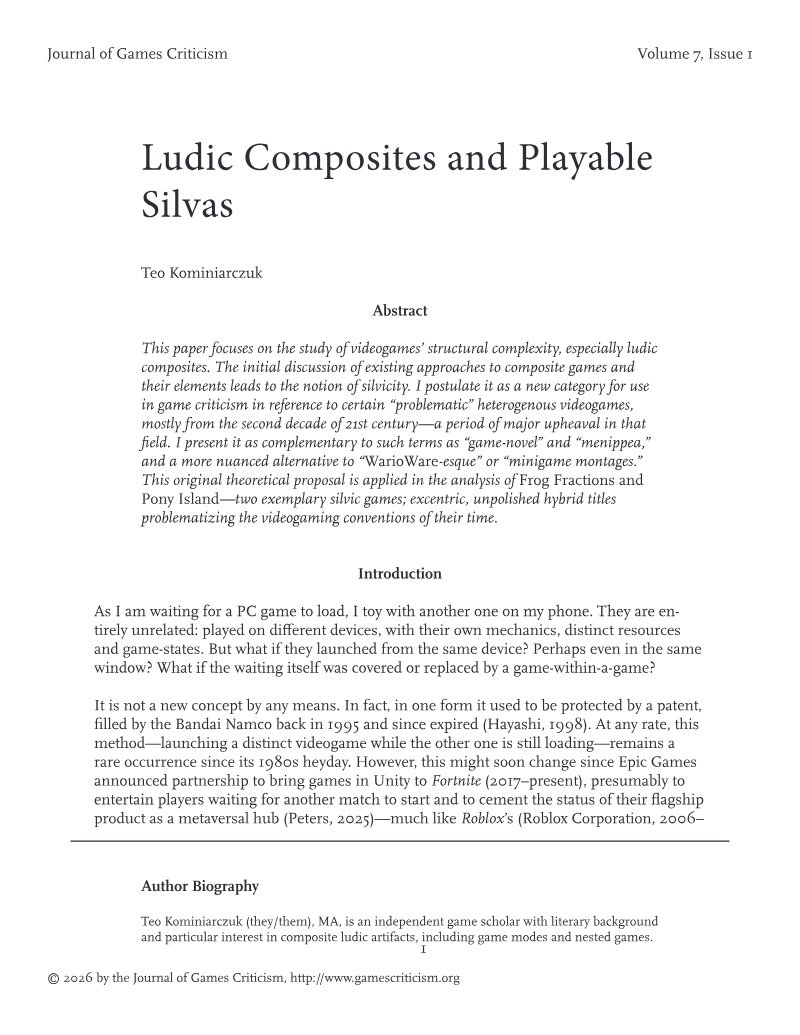
Each row is a game or company this document names, each column a document, oldest first. A mark means that document names it. Select a row to see those documents.
Journal of Games Criticism · 2026
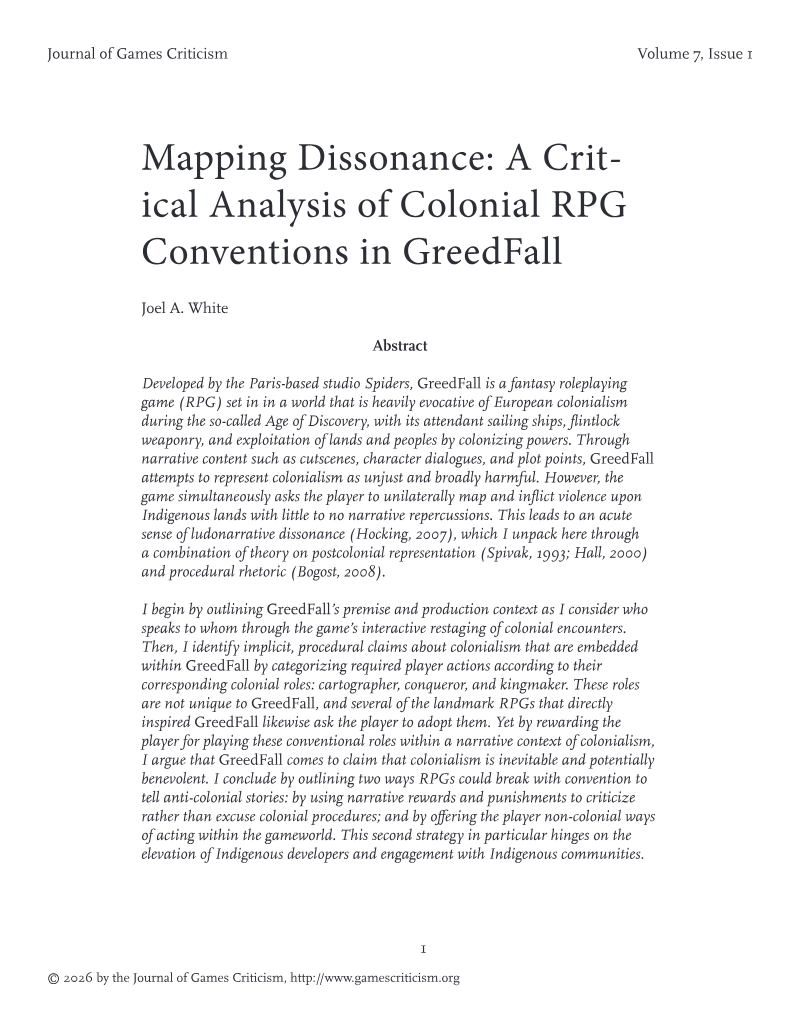
Journal of Games Criticism · 2026
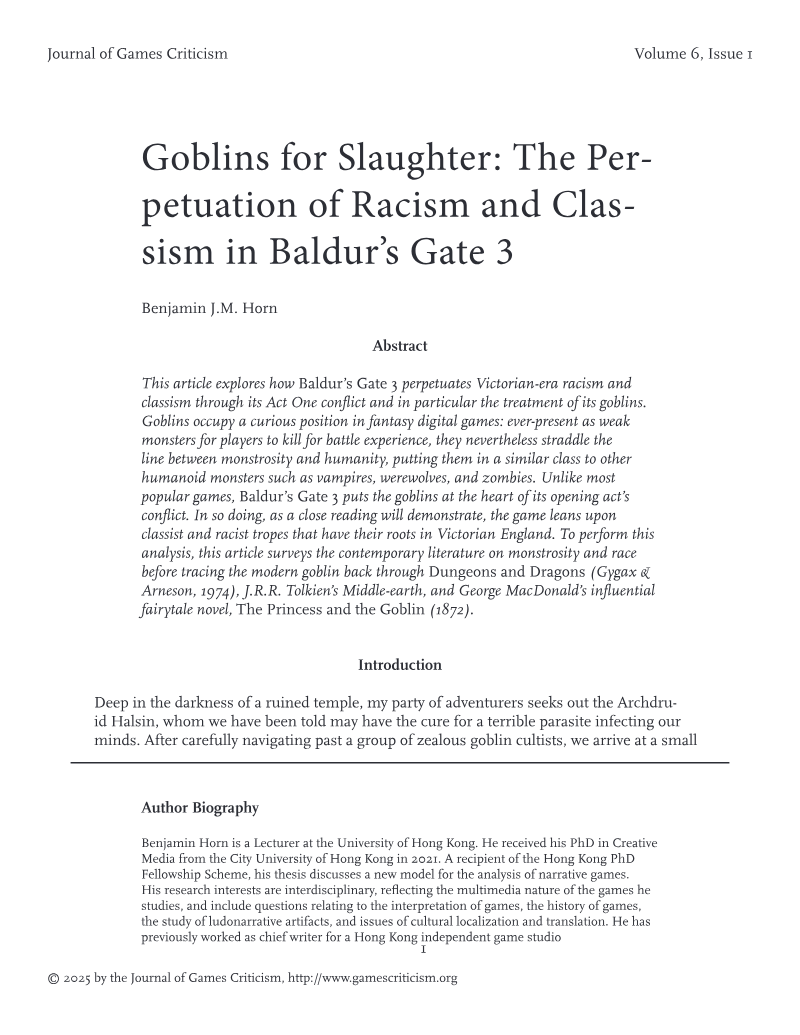
Journal of Games Criticism · 2025
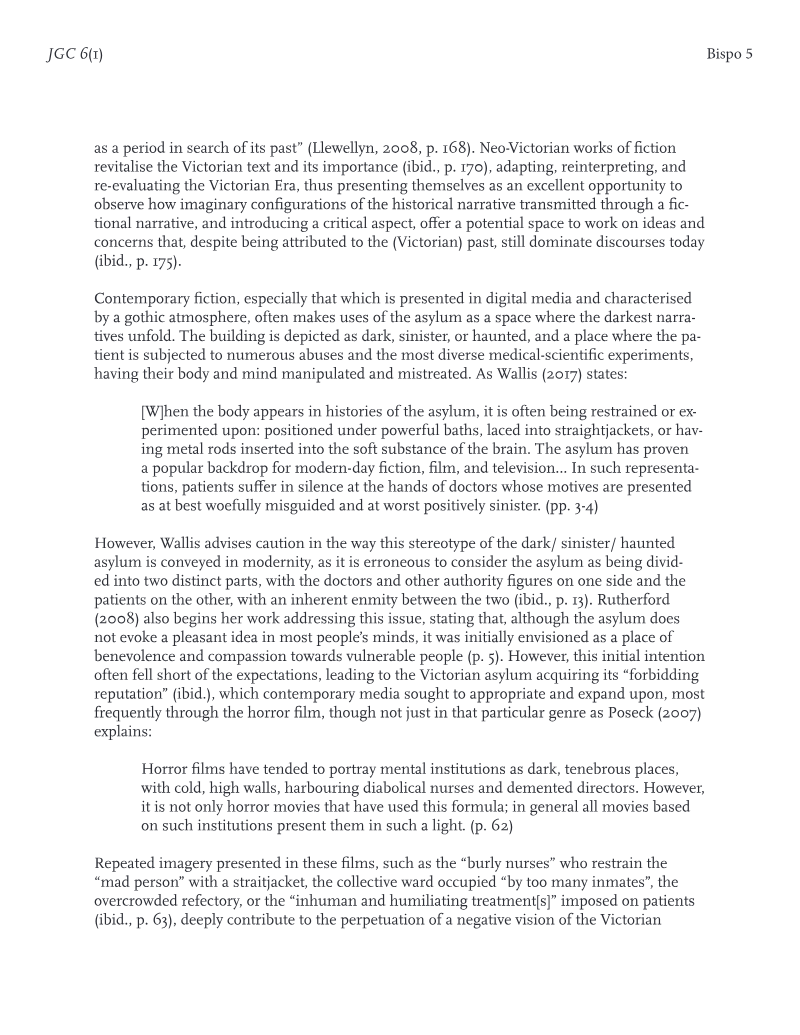
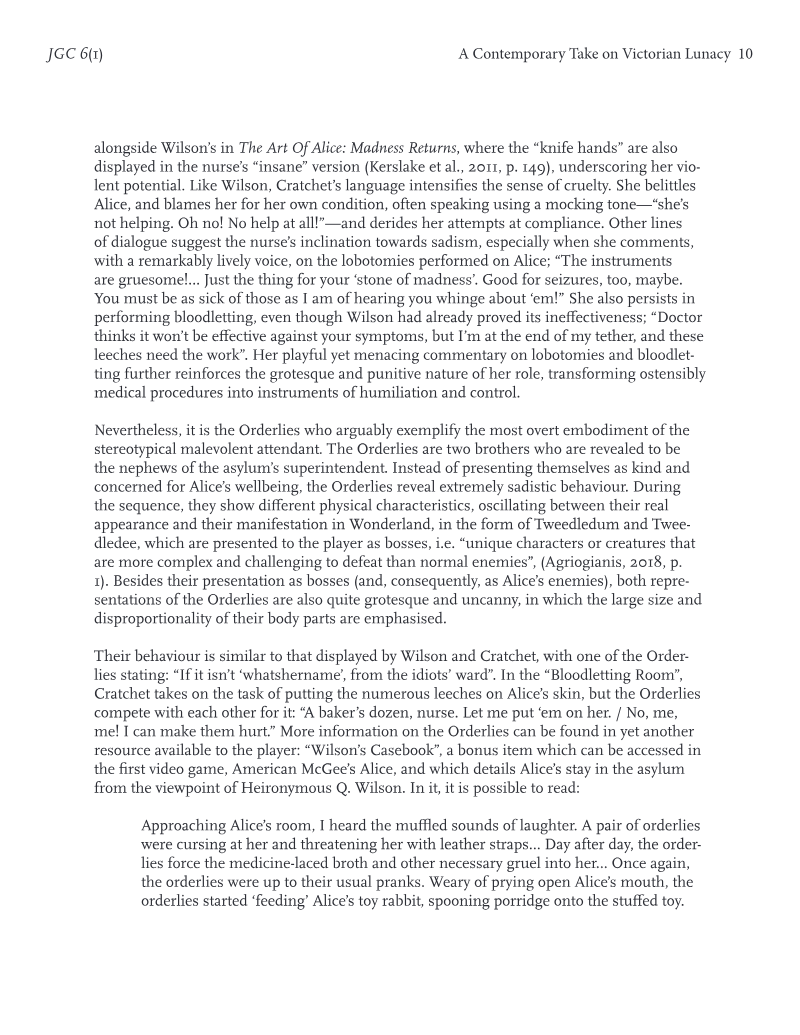
Journal of Games Criticism · 2025



Journal of Games Criticism · 2025



Journal of Games Criticism · 2025

Journal of Games Criticism · 2024
Journal of Games Criticism · 2024
Journal of Games Criticism · 2024
Journal of Games Criticism · 2024
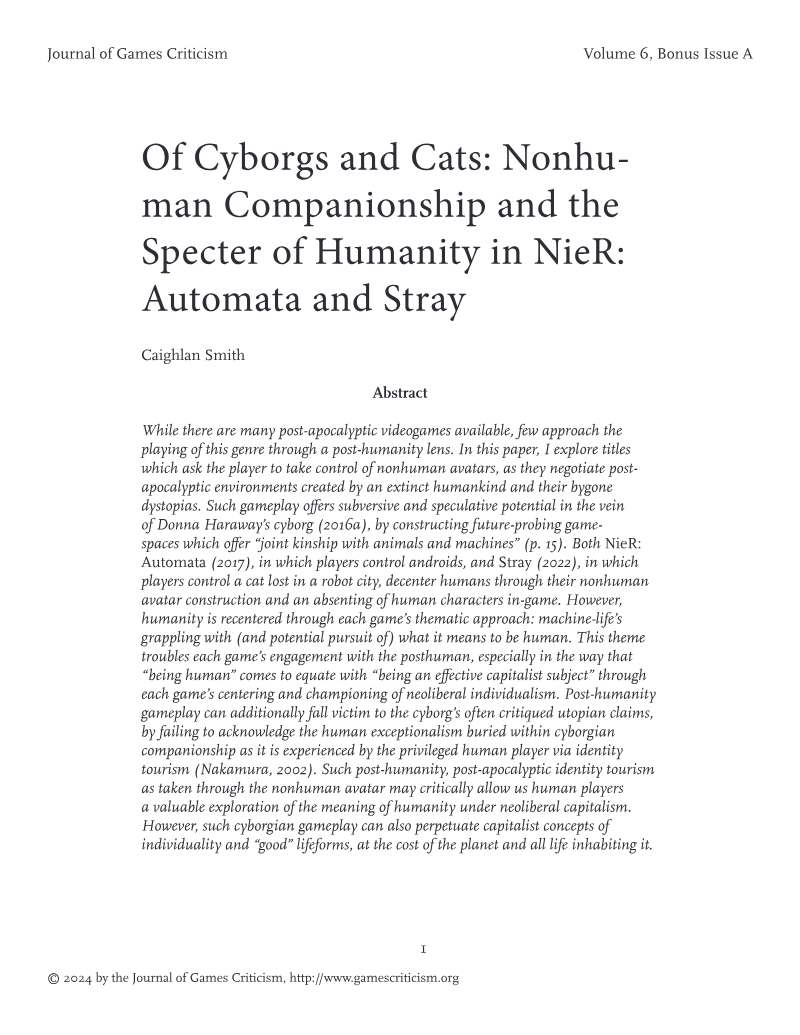
Journal of Games Criticism · 2024
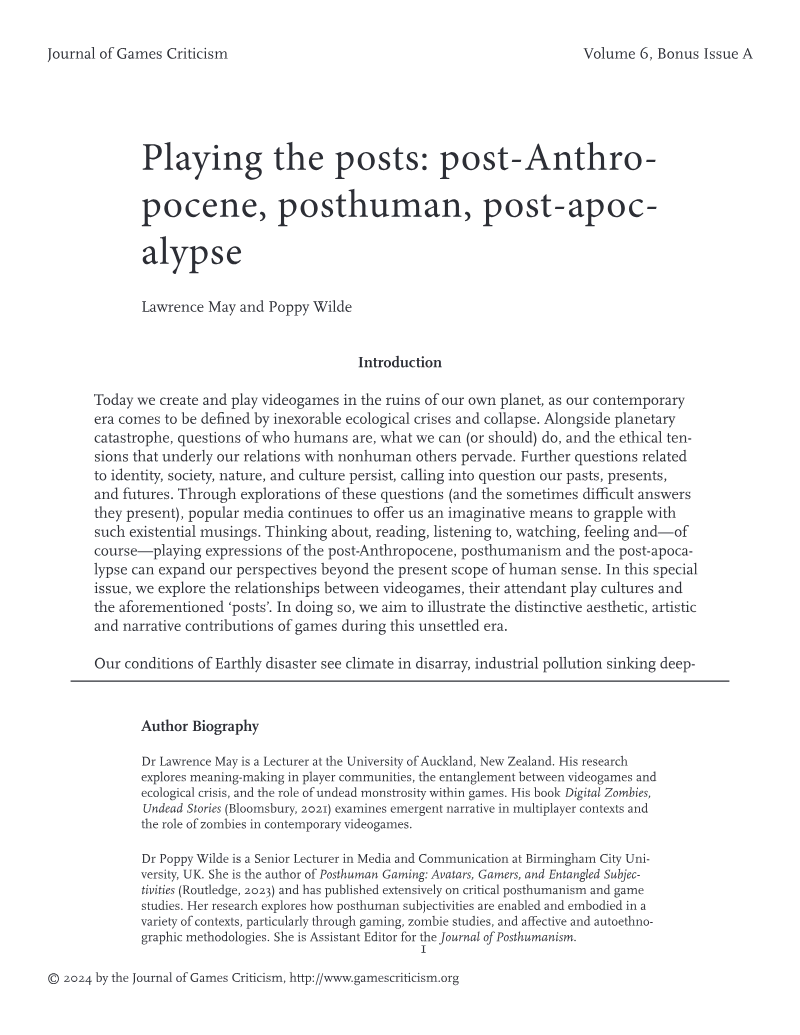
Journal of Games Criticism · 2024
DiGRA · 2026