Gone Home
5 documents in the library are about Gone Home, from writers such as Extra Credits, Game Developers Conference and Game World Observer, the newest from 2023. Each has a summary and key insights with the page they come from.

A first-person exploratory game taking place in 1995 in which Katie, a university student back from Europe, arrives at her family's newly inherited mansion only to find nobody there, with a note from her younger sister Sam suggesting that she's left home. Katie must explore the mansion to put together the stories of where her parents have gone and why Sam has decided to leave.
- Released
- Aug 15, 2013
- Developer
- Fullbright
- Publishers
- Annapurna Interactive, Midnight City
- Genres
- Puzzle, Adventure, Indie
- Platforms
- Linux, PC (Microsoft Windows), iOS, Mac, Xbox One, Nintendo Switch
- Links
- Official site, Wikipedia
Game data from IGDB.com
Documents about Gone Home
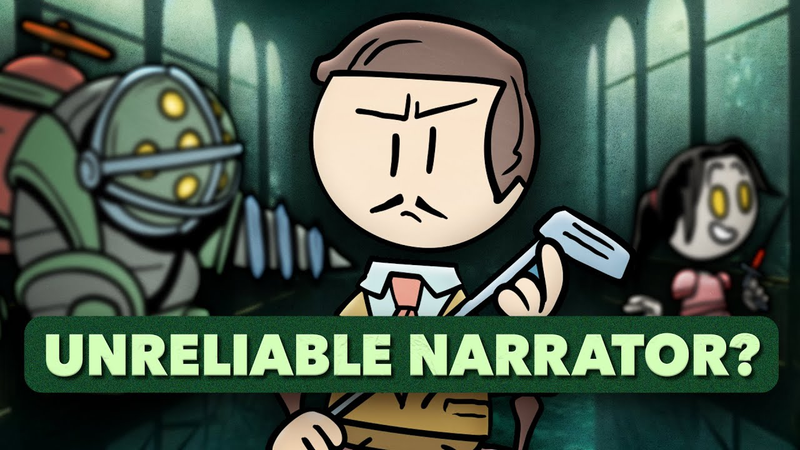
The Unreliable Narrator: When a Game Plays You
The unreliable narrator is a foundational literary and cinematic device used to challenge audience perceptions and encourage critical engagement with a story.
- Game designers effectively simulate unreliable narration by recontextualizing player actions rather than relying on a traditional unreliable narrator.
- This technique forces players to reinterpret their past choices and behaviors after a late-game revelation, despite consistent game mechanics.
- Titles such as Braid, BioShock, and Gone Home successfully utilize this method to challenge player perceptions through environmental storytelling and narrative shifts.
Indie Studio Fullbright Bleeding Female Talent Over Co-Founder's Controlling Behavior
The indie game studio Fullbright, creator of the acclaimed title Gone Home, has faced a significant internal crisis stemming from allegations of a toxic workplace culture.
- Fullbright co-founder Steve Gaynor stepped down as creative lead of the game 'Open Roads' in March 2021 following allegations of a toxic, controlling, and demeaning leadership style.
- Since the development of 'Open Roads' began in 2019, 15 staff members have left the studio, including at least 10 women, leaving the current team size at approximately six people.
- Former employees reported that the studio lacked an HR department, preventing them from effectively addressing or reporting Gaynor’s micromanagement, gaslighting, and belittling behavior.
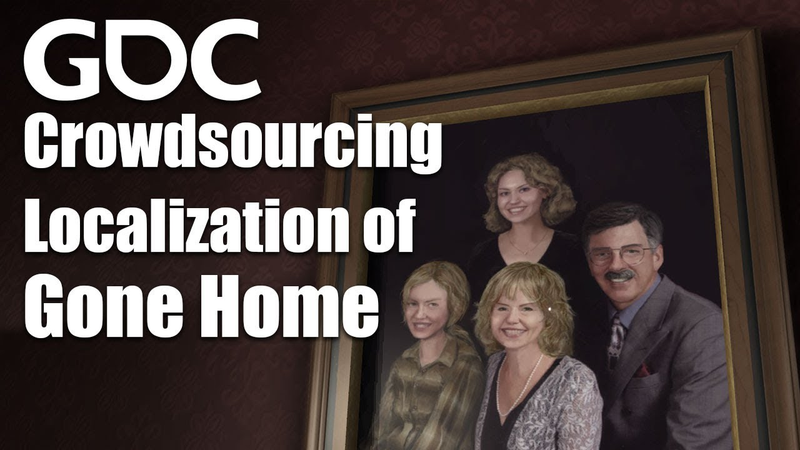
Crowdsourcing the Localization of Gone Home
The Fullbright Company utilized crowdsourced localization to bring the narrative-heavy indie game Gone Home to international markets without incurring the high costs associated with professional translation services.
- The Fullbright Company successfully localized Gone Home into over a dozen languages by utilizing a crowdsourced model to bypass the high costs of professional translation services.
- To overcome the challenge of narrative embedded in 3D assets, developers implemented a text-only system using dynamic overlays for in-game objects and standard subtitle files for audio.
- The localization workflow was designed for accessibility, allowing community volunteers to contribute using only simple XML and plain text files without requiring specialized software.
Dynamic Stories for Dynamic Games: Six Ways to Give Each Player a Unique Narrative
This 2016 GDC presentation advocates for the integration of dynamic storytelling techniques in single-player video games to increase player agency, replayability, and engagement.
- To increase player agency and replayability, developers should move away from static, linear narratives toward systems that allow players to influence their unique gameplay journey.
- The 'explorable story space' technique allows players to piece together narratives at their own pace through optional content, as seen in titles like Gone Home.
- Developers can use 'drama management' systems, which function like a tabletop dungeon master, to steer emergent gameplay back toward a cohesive narrative arc.
Horror That Lingers - How the Uncanny Instills Fear - Extra Credits
Modern horror media frequently fails to leave a lasting psychological impact because it relies on fleeting sensations like jump scares, gore, or power fantasies.
- True psychological horror relies on the 'uncanny'—the distortion of familiar, mundane environments—rather than jump scares or gore, which are easily dismissed as non-threatening by the player.
- The uncanny triggers a subconscious sense of unease by presenting elements that are recognizable but slightly 'off,' forcing the brain to constantly scan for anomalies in the environment.
- By grounding horror in reality rather than fantasy, developers prevent players from distancing themselves from the experience, allowing the fear to linger after the game session ends.