1 free read left. Create a free account for unlimited reading + AI research.
Create free accountWhitepaper DiGRA
1 free read left. Create a free account for unlimited reading + AI research.
Create free accountWhitepaperDiGRA
The paper frames these games as digital stand-ins for the communal experience of tabletop D&D play.
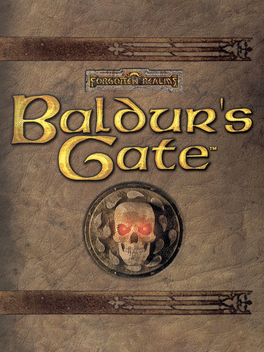
This paper maps fan-made modifications of the Infinity Engine games set in the Dungeons & Dragons Forgotten Realms, focusing on the Baldur's Gate and Icewind Dale series, which together span roughly 25 years of modding activity. Its stated aim is to provide a structured, near-exhaustive overview of mods hosted on major community sites such as Spellhold Studios, The Gibberlings Three, and Sorcerer's Place, including obscure and controversial creations. The study restricts itself to party-based, real-time-with-pause single-player titles, positioning these games as digital stand-ins for the communal experience of tabletop play.
The methodology draws on constructivist grounded theory and triangulates three data sources: the gameplay content of each mod, its official paratexts such as FAQs and promotional materials, and third-party paratexts including walkthroughs and reviews. The author supplements this with personal experience in Infinity Engine modding and access to active community members. Two principal goals are identified. The first is to trace longitudinal trends in fan content, particularly how shifts in the underlying Advanced Dungeons & Dragons 2nd Edition rules and later official D&D editions have shaped modder design choices, as well as what the body of work reveals about the heterogeneity of modders and community norms around inclusivity and sensitive themes.
The second goal concerns digital cultural preservation. Drawing on Abigail De Kosnik's concept of "rogue archives," the study treats the curatorial practices of hosting platforms as seemingly as significant as the mod files themselves. It situates this preservation work against the increasing commodification of D&D and the platform-capitalist control exercised by its corporate owners. The broader argument is that modding communities constitute a form of vernacular resistance to the unified vision of D&D imposed by the franchise's owners.
Each row is a game or company this document names, each column a document, oldest first. A mark means that document names it. Select a row to see those documents.

DiGRA · 2026

DiGRA · 2026



DiGRA · 2026



DiGRA · 2026



DiGRA · 2026



DiGRA · 2026



DiGRA · 2026



DiGRA · 2026



DiGRA · 2026

DiGRA · 2026



DiGRA · 2026



DiGRA · 2026
International Journal of Role-Playing · 2026