Growth of the Korean Emoticon Market: A New Distribution and Expansion Method for the K-Character Industry
202530 pages~40 min full read
The Korean emoticon market has evolved from a peripheral messaging feature into a multi‑billion‑won character‑IP industry, now valued at roughly KRW 1.5 trillion (≈US$1.2 trillion). This transformation is anchored by KakaoTalk, whose emoticon platform expanded from an initial KRW 100 billion base in the early 2010s to a dominant revenue stream that underpins a broader ecosystem of licensed characters and digital content. Over the past fourteen years, more than 850 000 distinct emoticons have been released, generating in excess of 300 billion individual sends, illustrating both high user engagement and the low‑sensitivity nature of the market’s cash flow.
The core of this growth lies in the development of unique intellectual‑property (IP) assets such as KakaoFriends and LINE Friends. These brands have transcended simple sticker usage to become central brand assets that are licensed across a spectrum of media, including merchandise, mobile games, animation, and information‑communication‑technology services. By converting emoticons into high‑value IP, companies have created diversified revenue channels that extend well beyond the messaging platform itself.
Export potential is accelerating, driven by corporate collaborations and strategic international expansion. Partnerships with established IP owners enable Korean firms to tap into global distribution networks, while the modular nature of emoticon‑based branding facilitates rapid adaptation to foreign markets. The overall trajectory suggests that the emoticon sector will continue to serve as a catalyst for the broader K‑character industry, reinforcing Korea’s position as a leading exporter of digital cultural content.
KOCCA – Korea Creative Content Agency · 2025
KOCCA – Korea Creative Content Agency · 2025
KOCCA – Korea Creative Content Agency · 2025
KOCCA – Korea Creative Content Agency · 2025
KOCCA – Korea Creative Content Agency · 2025
KOCCA – Korea Creative Content Agency · 2025
KOCCA – Korea Creative Content Agency · 2025
KOCCA – Korea Creative Content Agency · 2025
KOCCA – Korea Creative Content Agency · 2025
KOCCA – Korea Creative Content Agency · 2025
KOCCA – Korea Creative Content Agency · 2024
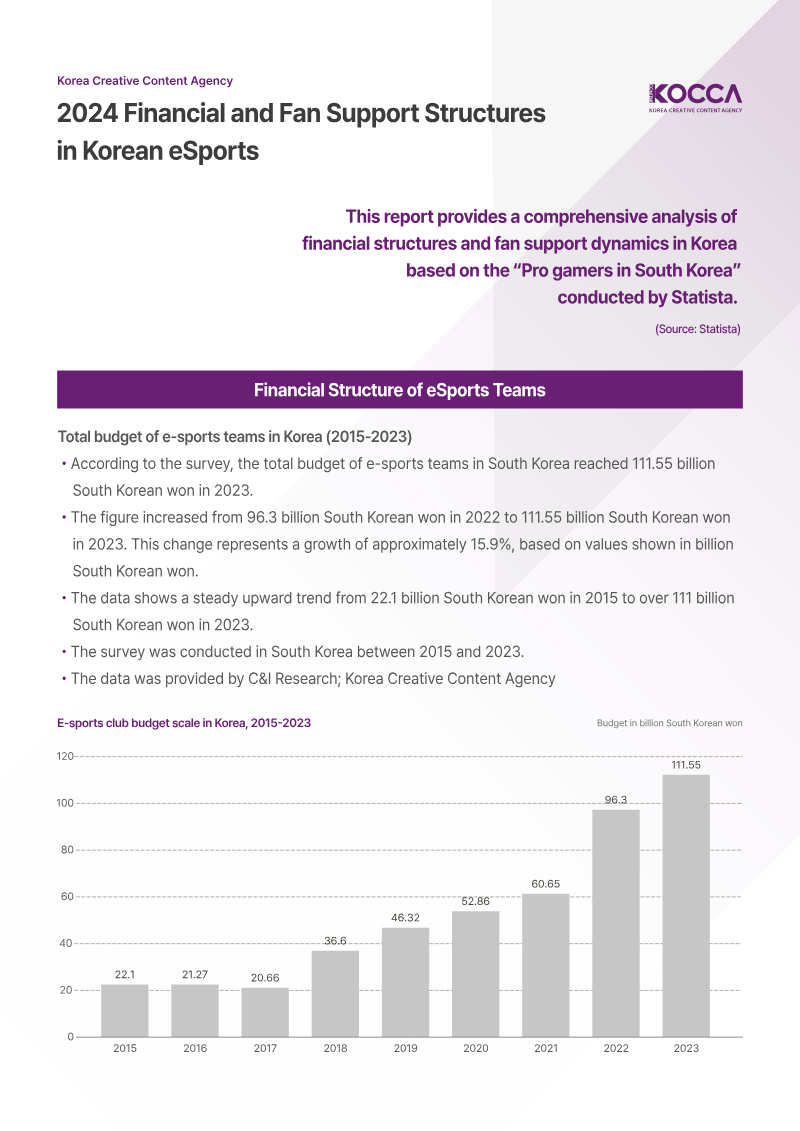
KOCCA – Korea Creative Content Agency · 2024
Kakao Games · 2025
EA · 2025
Pangle · 2021
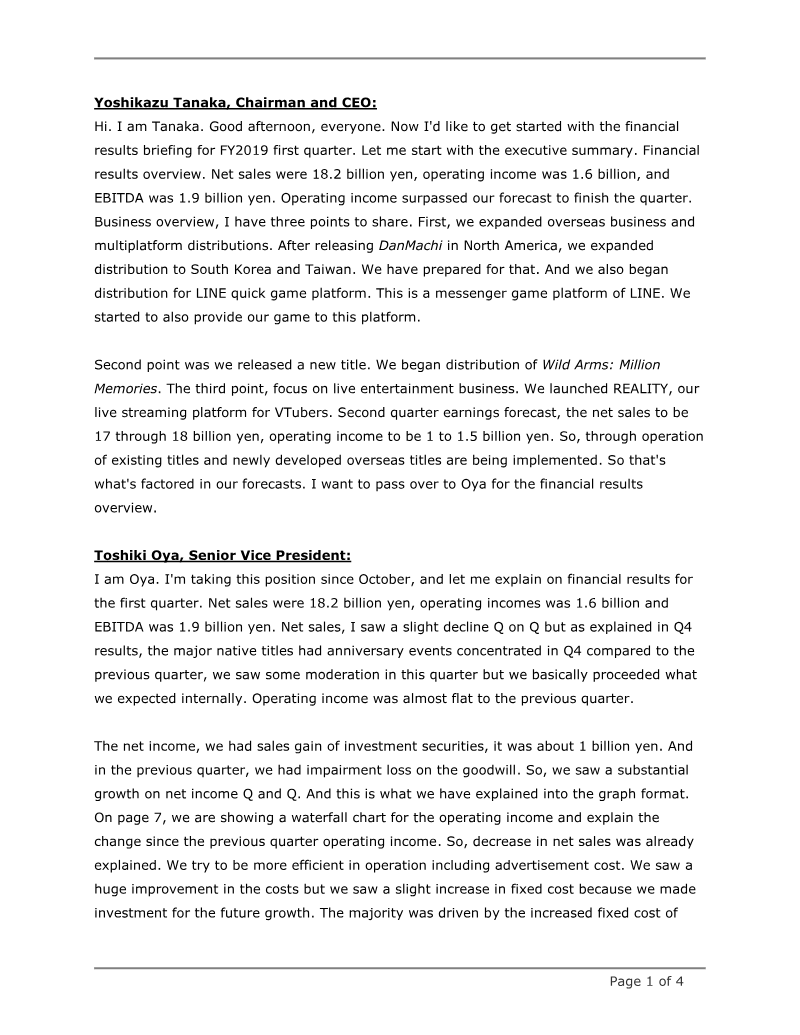
GREE

Almedia · 2026
Sensor Tower · 2026

Sensor Tower · 2026
Pearl Abyss · 2026
AppLovin · 2026

Sensor Tower · 2026
Modern Times Group · 2026
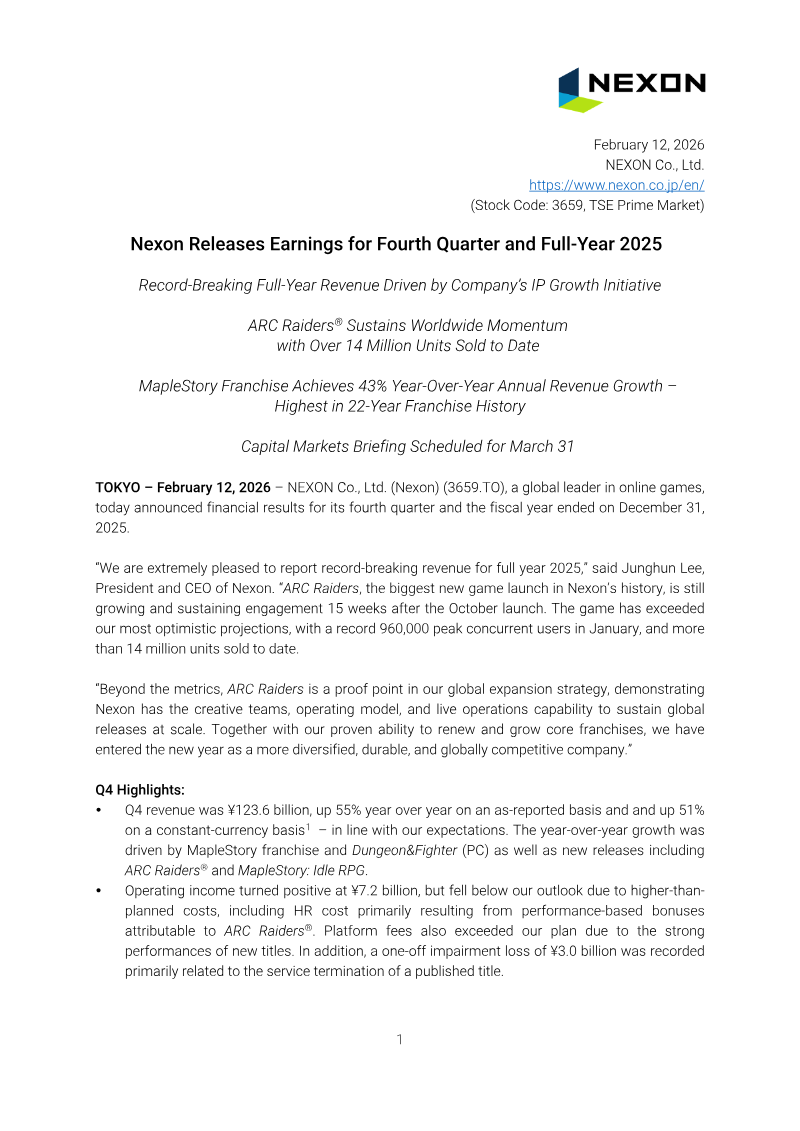
NEXON Co. · 2026