Global Business Strategies for K-Fashion: A Focus on K-Content
202525 pages~48 min full read
The analysis demonstrates that the future competitiveness of Korean fashion hinges on integrating cultural content with advanced technology and participatory fan ecosystems. Influencer campaigns have evolved from reliance on celebrity notoriety to collaborations built on shared values and fan‑aligned storytelling, positioning fan‑generated media as an active co‑marketing partner rather than a peripheral buzz generator. This shift amplifies brand authenticity and deepens consumer loyalty across global markets.
Artificial intelligence is identified as the primary catalyst reshaping product development, marketing, and sustainability. On‑demand production models, exemplified by Desigual’s AI‑driven forecasting, have markedly reduced inventory waste, while hyper‑personalized styling tools and virtual‑try‑on platforms are delivering measurable financial gains. Gentle Monster’s AI‑based recommendation engine lifted revenue by 25 %, and H&M’s deployment of digital twins curtailed refund rates, underscoring the profitability of AI integration. The emergence of agentic commerce, projected to mature by 2026, promises further automation of the purchase journey and deeper data‑driven consumer insights.
Geographically, the findings span a global perspective, encompassing major fashion hubs in North America, Europe, and Asia, and cover the period from the early 2020s through the anticipated developments of 2026. The scope encompasses the apparel, accessories, and eyewear segments, with particular emphasis on digital fashion, AI‑enabled supply chains, and the symbiotic relationship between K‑content and international consumer culture. Collectively, these insights outline a strategic roadmap for Korean fashion brands seeking to leverage cultural capital and technological innovation to secure sustainable growth worldwide.
KOCCA – Korea Creative Content Agency · 2025
KOCCA – Korea Creative Content Agency · 2025
KOCCA – Korea Creative Content Agency · 2025
KOCCA – Korea Creative Content Agency · 2025
KOCCA – Korea Creative Content Agency · 2025
KOCCA – Korea Creative Content Agency · 2025
KOCCA – Korea Creative Content Agency · 2025
KOCCA – Korea Creative Content Agency · 2025
KOCCA – Korea Creative Content Agency · 2025
KOCCA – Korea Creative Content Agency · 2025
KOCCA – Korea Creative Content Agency · 2024
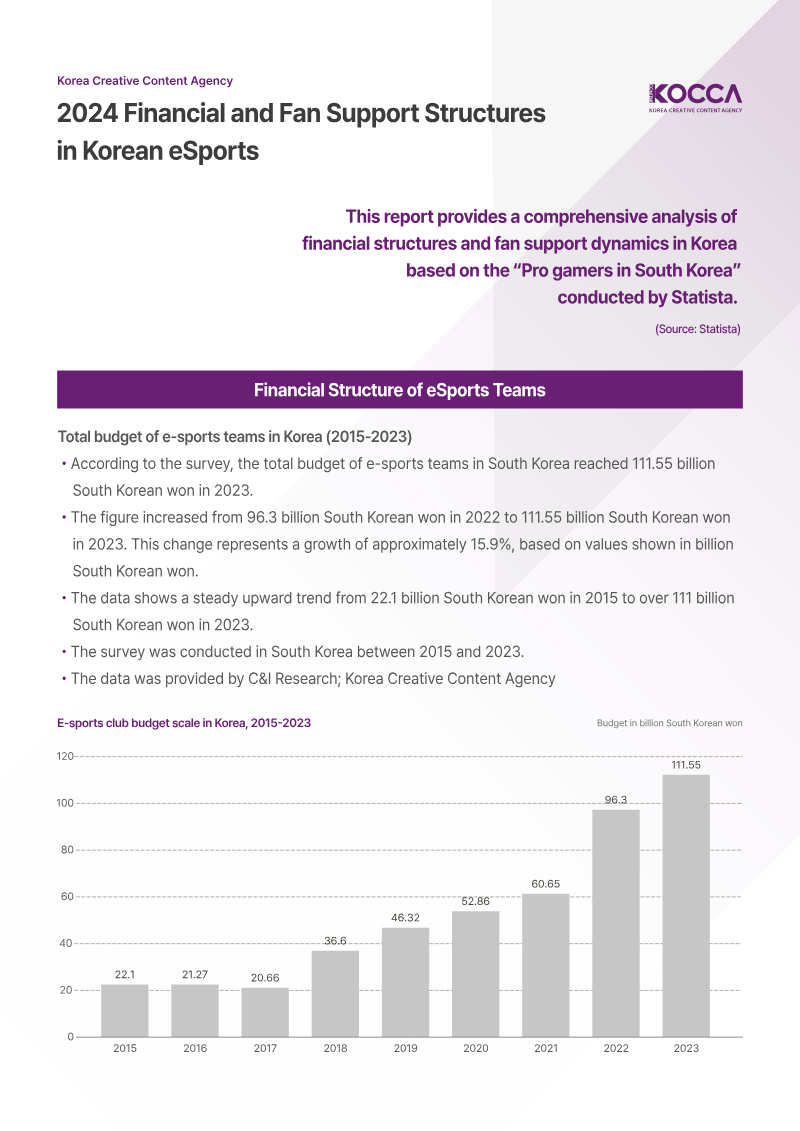
KOCCA – Korea Creative Content Agency · 2024
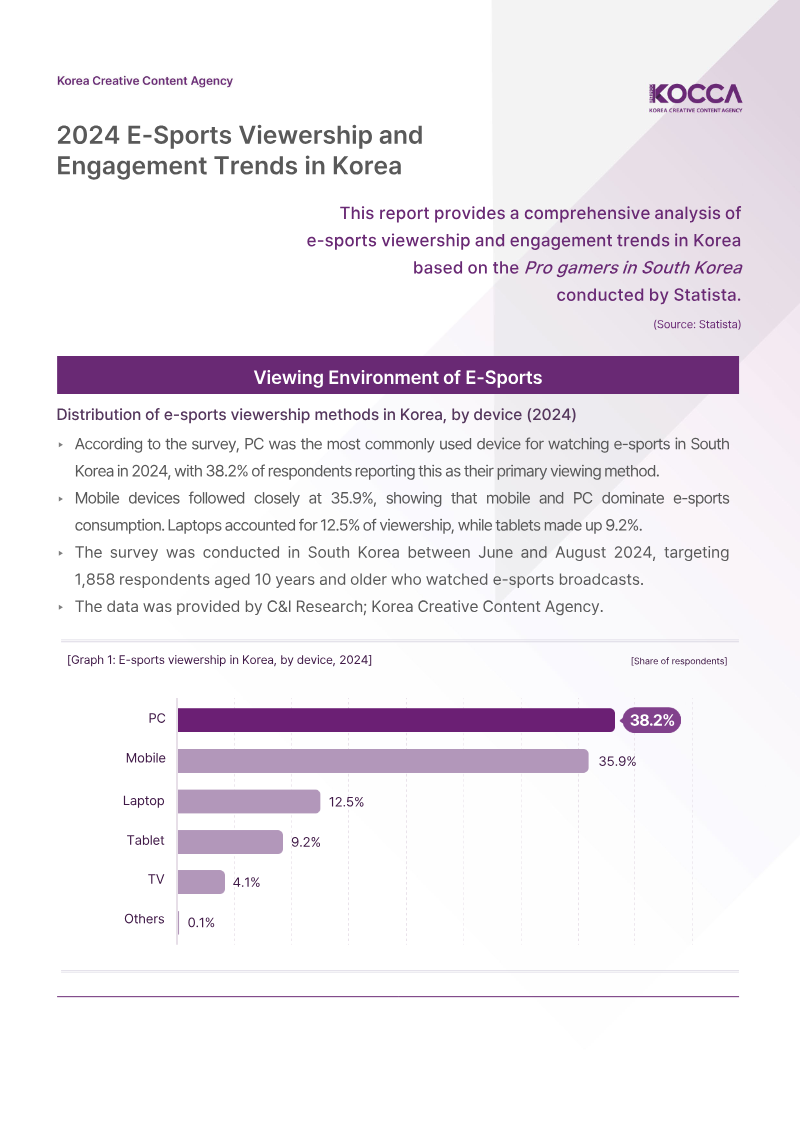
KOCCA – Korea Creative Content Agency · 2024
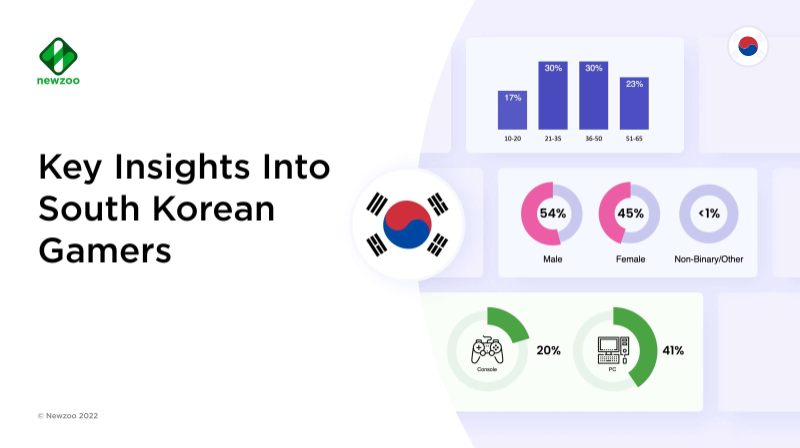
Newzoo · 2022
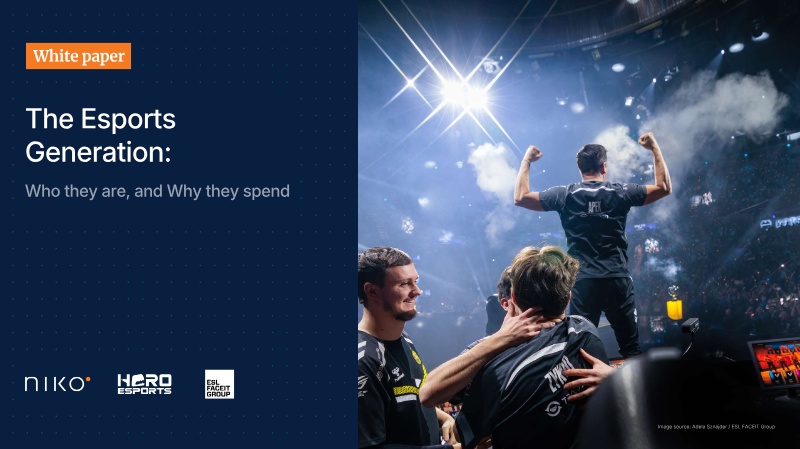
Niko Partners · 2026
Pearl Abyss · 2026
Anzu · 2026

SpielFabrique · 2026
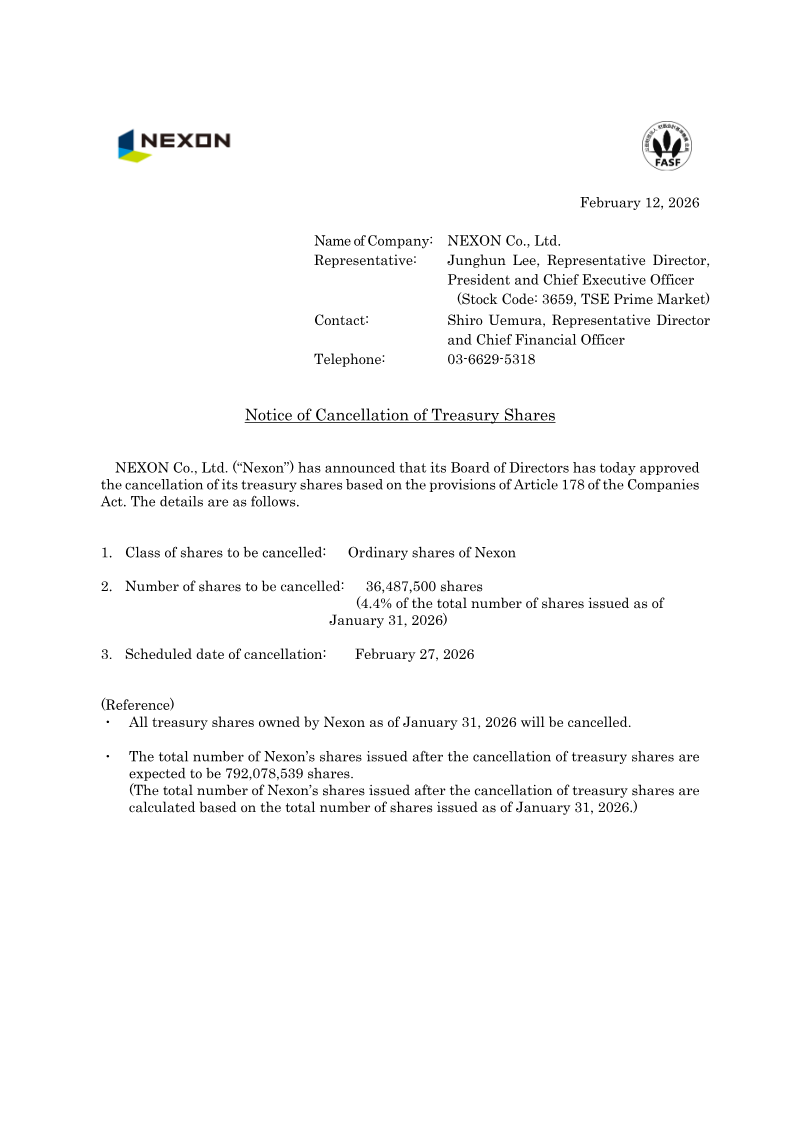
NEXON Co. · 2026
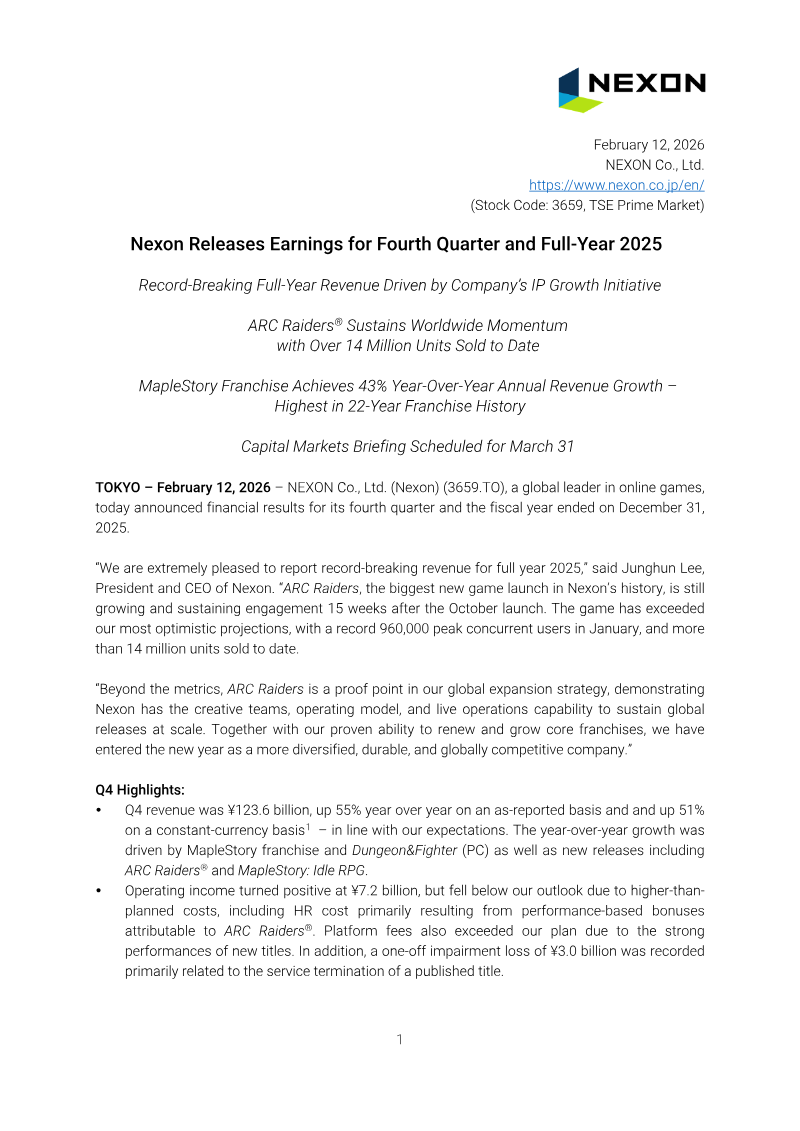
NEXON Co. · 2026
Kakao Games · 2026
Krafton · 2026
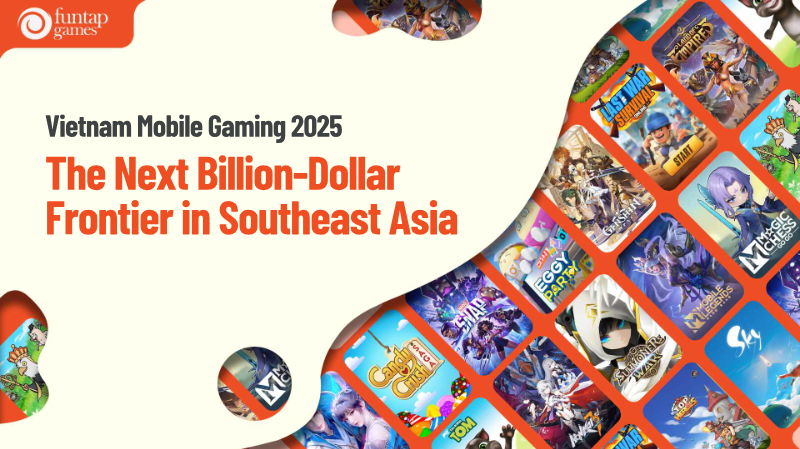
InvestGame · 2026
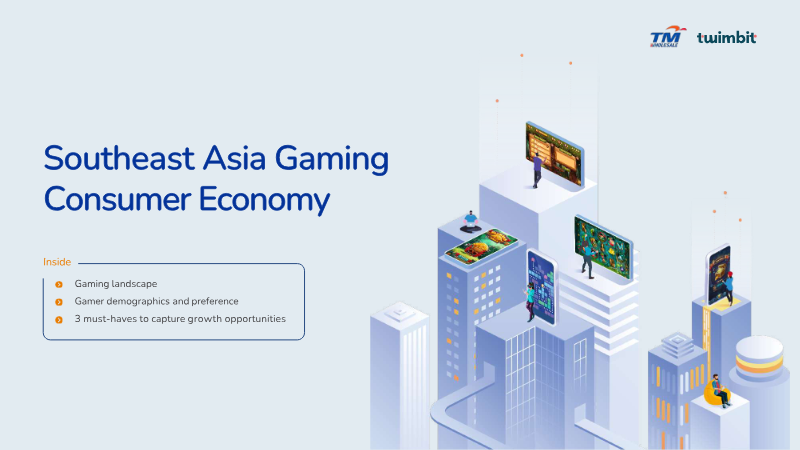
Telekom Malaysia · 2026