Krafton’s fiscal year 2025 performance reflects a strategic pivot toward aggressive portfolio diversification and technological expansion, underpinned by the enduring strength of the PUBG franchise. Annual revenue reached KRW 3.3 trillion, representing a 23% year-over-year increase fueled by the transition to PUBG 2.0 on Unreal Engine 5 and the successful Early Access launches of new intellectual properties such as inZOI and MIMESIS, both of which surpassed one million units sold. Despite this top-line growth, annual operating profit declined by 11% to KRW 1.1 trillion, with a sharp contraction in the fourth quarter to KRW 2.4 billion. This margin compression resulted from heightened investment in a 26-title development pipeline and significant one-off costs associated with scaling production capabilities.
The company’s financial position remains robust, with total assets expanding to KRW 9.4 trillion, driven by a substantial increase in intangible assets and physical infrastructure. While total liabilities more than doubled to KRW 2.2 trillion, equity remained stable at KRW 7.1 trillion, supported by healthy retained earnings. To maintain investor confidence amidst these heavy investment cycles, a shareholder return policy exceeding KRW 1 trillion has been established for the 2026–2028 period.
Looking forward, the corporate strategy emphasizes securing a second flagship franchise through disciplined M&A and an annual KRW 300 billion investment in new title production. Beyond traditional gaming, growth initiatives are increasingly focused on the integration of artificial intelligence into game development and the exploration of "Physical AI" and humanoid robotics. This transition signals an intent to evolve from a software-centric publisher into a broader technology entity, leveraging its gaming expertise to capture emerging opportunities in robotics and advanced automation.
Pearl Abyss · 2026
NEXON Co. · 2026
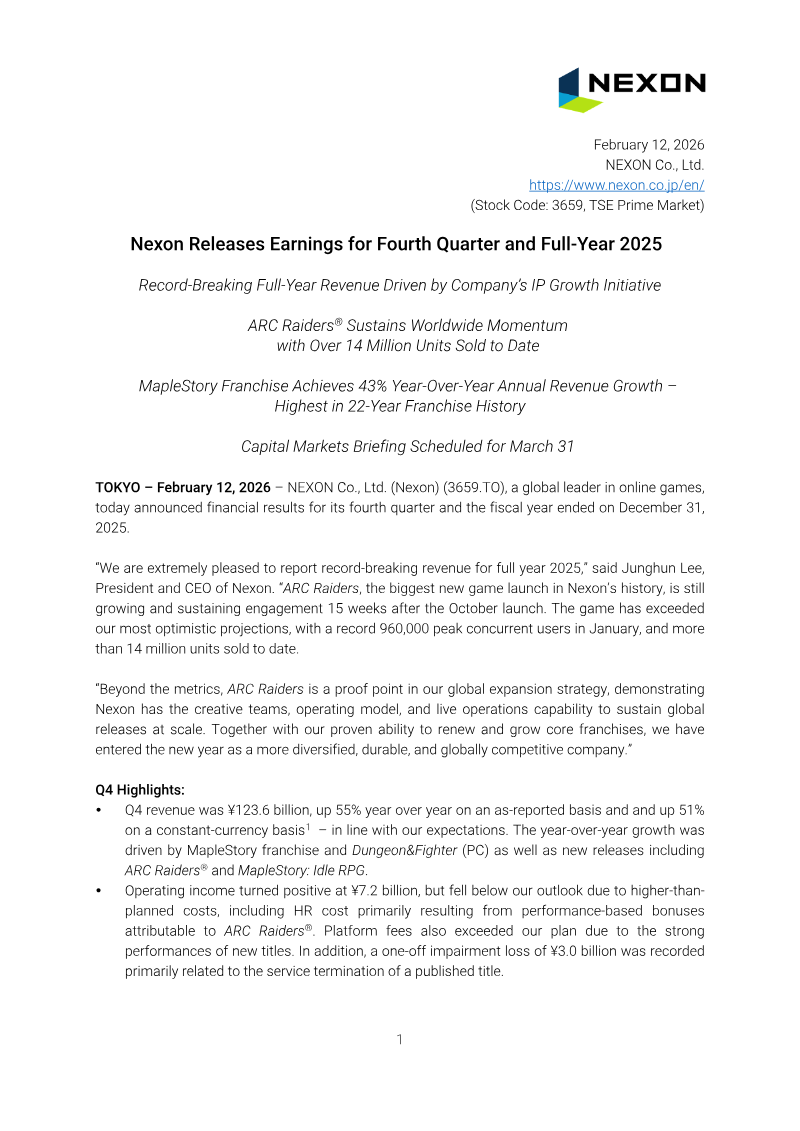
NEXON Co. · 2026
Kakao Games · 2026
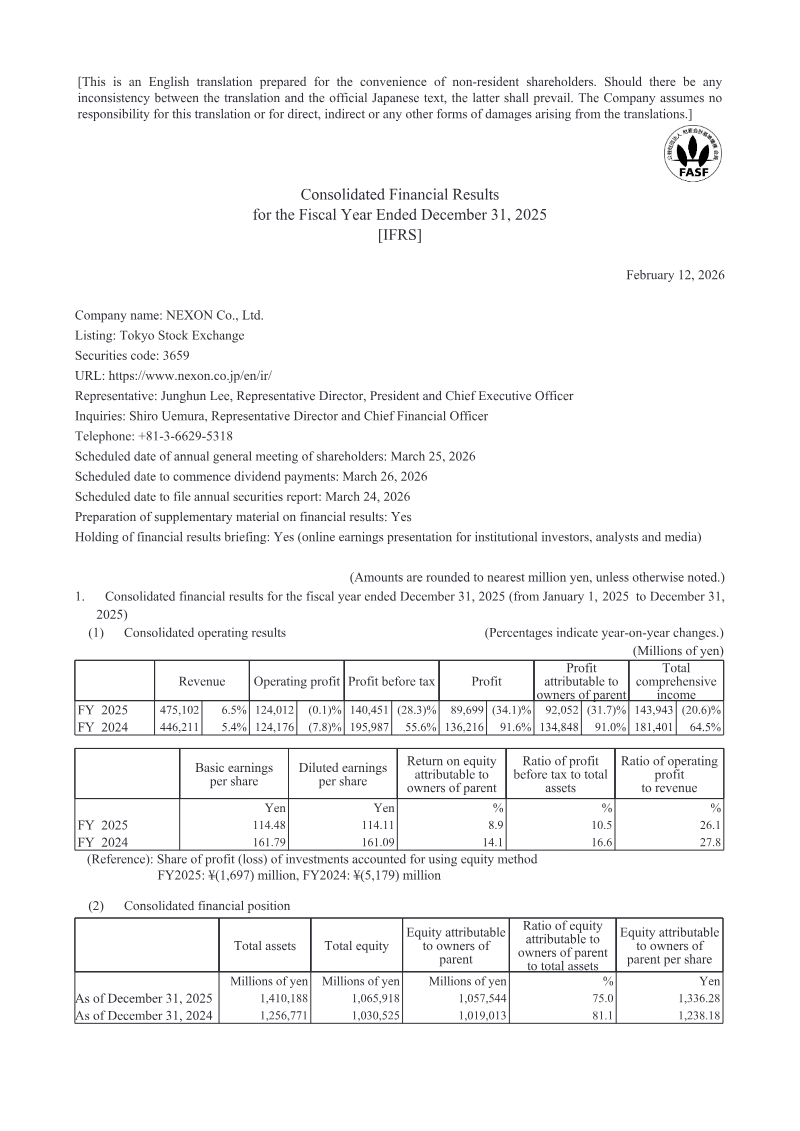
NEXON Co. · 2026
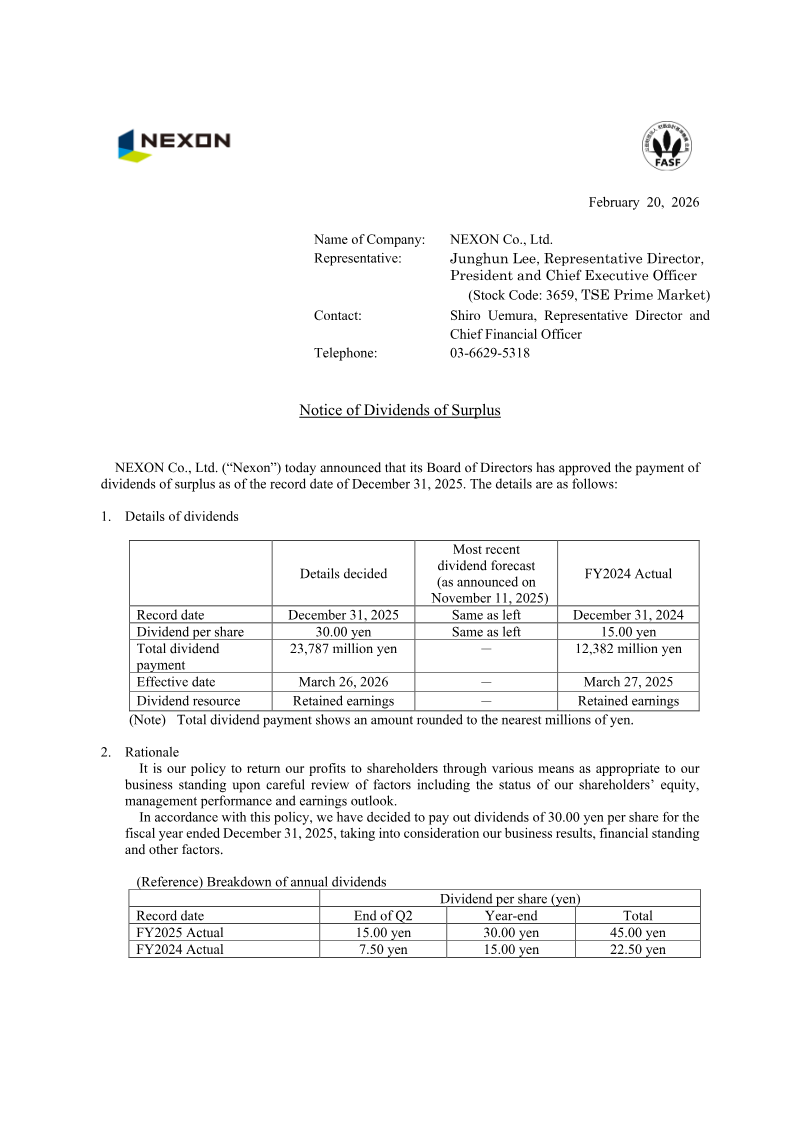
NEXON Co. · 2026
Kakao Games · 2025
Kakao Games · 2025
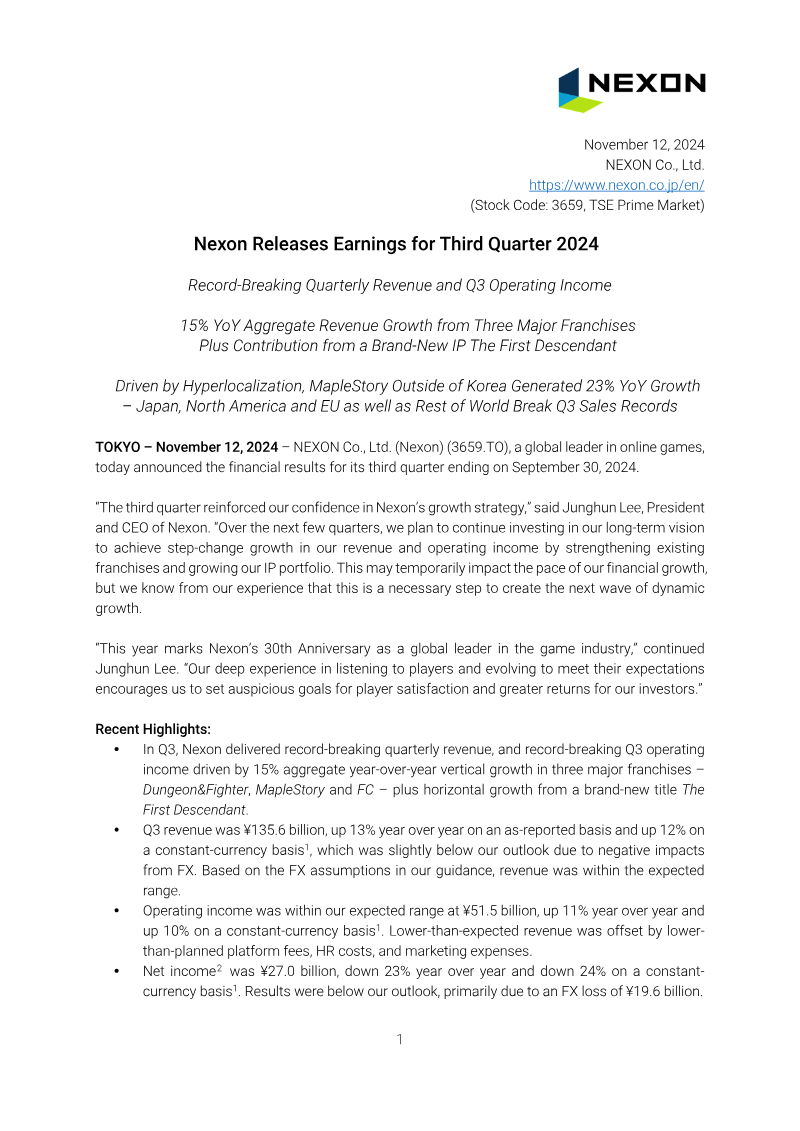
Nexon Co., Ltd. · 2024

GDEU · 2024
Netmarble
Neowiz