ArticleDeconstructor of Fun
How Wellness App Finch Uses Gamified Widgets to Drive Retention
31 Mar 20261 pages~8 min full read
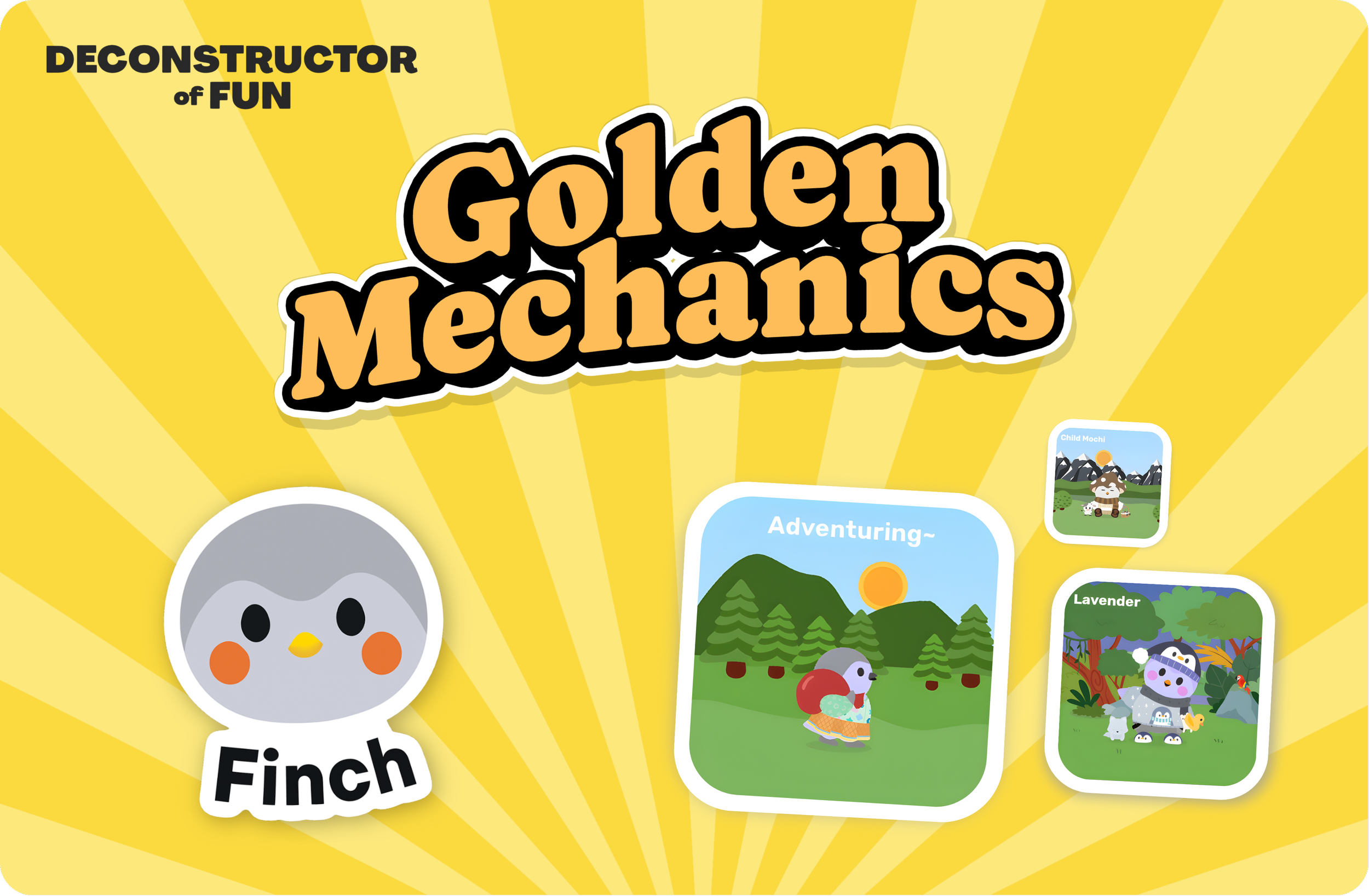
The mental wellness application Finch leverages gamified home screen widgets as a primary retention strategy to maintain high user engagement. By utilizing a Tamagotchi-inspired model, the app creates a persistent, evolving connection between the user and their virtual pet. This approach has proven highly effective, with the app achieving an estimated 10 million monthly active users and strong retention metrics, specifically 54% for Day 1 and 37% for Day 7, which outperform several leading consumer applications.
The core strategy relies on four distinct widget mechanics designed to foster emotional investment and habit formation. First, the widget provides a "living pet" experience, displaying personalized, real-time states of the user's pet to create a sense of continuous presence. Second, the app integrates "appointment mechanics" through timer-gated adventures, which encourage users to return at specific intervals to collect rewards. Third, a visual progress bar simplifies complex self-care goals into concrete, actionable steps. Finally, the app employs "micro-events" that align with natural daily rhythms, such as morning check-ins and evening reflections, to drive curiosity-based engagement rather than relying on intrusive push notifications.
These findings suggest that widgets serve as a critical, underutilized re-engagement channel that functions effectively alongside traditional lifecycle marketing tools. By designing for continuous value rather than static snapshots, developers can maintain a presence on the user's home screen, effectively lowering the impact of high customer acquisition costs. The analysis concludes that successful widget integration requires clear visual objectives, event-driven hooks, and a design philosophy that prioritizes passive, curiosity-driven interaction over constant, forced notifications.

Deconstructor of Fun · 2026

Deconstructor of Fun · 2026
Deconstructor of Fun · 2026

Deconstructor of Fun · 2026

Deconstructor of Fun · 2026
Deconstructor of Fun · 2026

Deconstructor of Fun · 2026

Deconstructor of Fun · 2026

Deconstructor of Fun · 2026

Deconstructor of Fun · 2026

Deconstructor of Fun · 2026

Deconstructor of Fun · 2026
Sensor Tower · 2023
Bryter · 2026
GameAnalytics · 2026
BITKRAFT Ventures · 2026
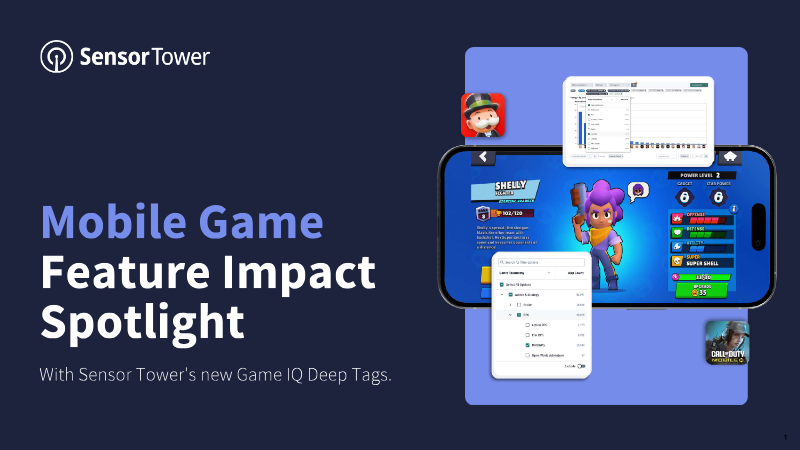
Sensor Tower · 2025

GamingReport · 2025
GameAnalytics · 2025

Aarki · 2025
Moloco · 2025

Adjust · 2025
GameAnalytics · 2025
GameAnalytics · 2024