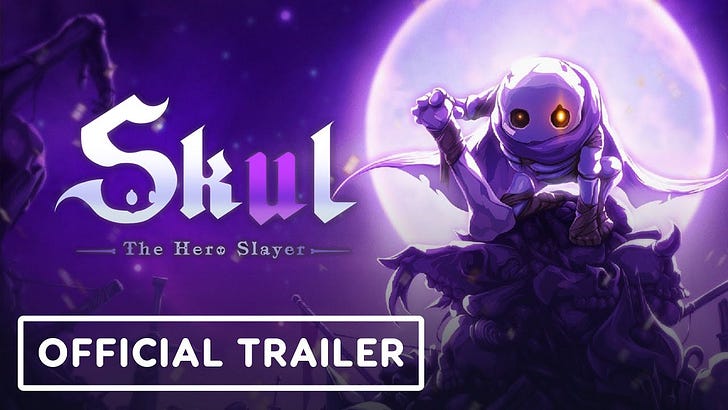
This analysis examines the strategic relationship between Steam Early Access and full 1.0 releases, arguing that the transition to 1.0 is rarely a transformative discovery event. While developers often view 1.0 as a second launch, data suggests that for approximately 95% of games, the move to 1.0 functions more as a glorified discount sale rather than a fundamental shift in market trajectory. Successful transitions, such as Skul: The Hero Slayer, are identified as outliers driven by renewed influencer interest rather than inherent algorithmic advantages.
The findings emphasize that Steam’s discovery algorithms treat Early Access and 1.0 titles similarly. Key barriers to a successful 1.0 "bump" include the fact that core audiences are often already captured during the initial Early Access launch and that streamers are unlikely to revisit a game unless the update offers a significant evolution in execution. Developers are advised to treat the Early Access tag as a "real" launch, ensuring the product is highly polished and replayable from day one, as the Steam audience rarely offers leniency for the "early development" label.
Beyond Steam metrics, the scope includes global console market share data from 2019 to 2021 derived from UK Competition & Markets Authority filings. This data highlights the growth of subscription models, noting that Xbox has successfully transitioned legacy Live Gold revenue into Game Pass Ultimate. Additional industry observations cover the UK market’s first spending decline since 2012, the stabilization of Steam’s accessibility in China, and the ongoing challenges facing the VR hardware sector, exemplified by Tencent’s withdrawal from the space.
GameDiscoverCo · 2026

GameDiscoverCo · 2026
GameDiscoverCo · 2026

GameDiscoverCo · 2026

GameDiscoverCo · 2026
GameDiscoverCo · 2026

GameDiscoverCo · 2026

GameDiscoverCo · 2026
GameDiscoverCo · 2026
GameDiscoverCo · 2026
GameDiscoverCo · 2026
GameDiscoverCo · 2026

Video Game Insights · 2025

VG Insights · 2025
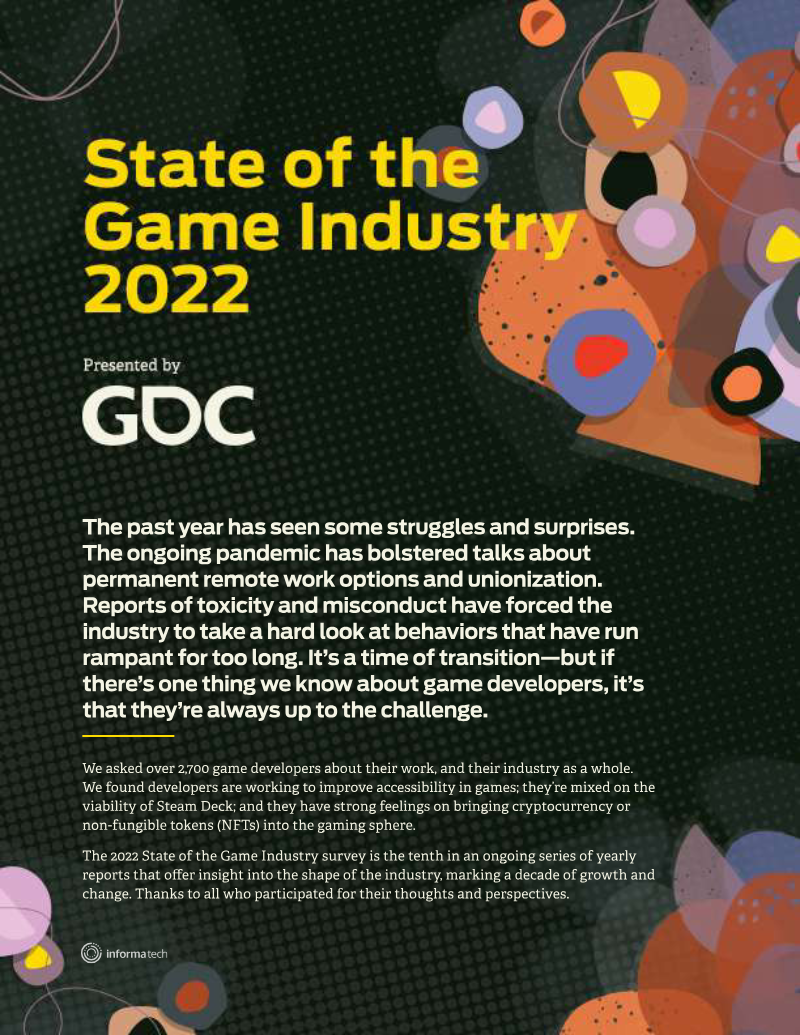
GDC · 2022
GungHo Online Entertainment
Frontier Developments

Ubisoft · 2026

GameAnalytics · 2026
Poki · 2026

Newzoo · 2026
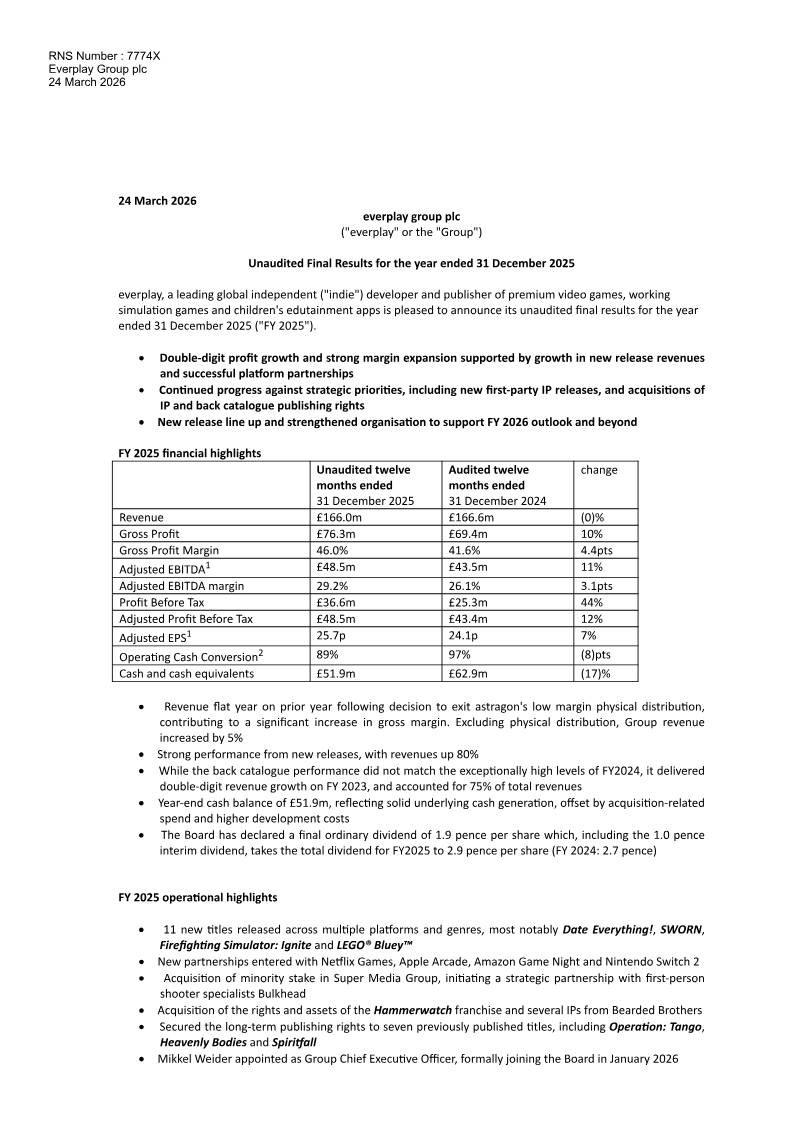
Everplay Group · 2026
Newzoo · 2026
Aream & Co · 2026