ArticleGameDiscoverCo
How Guildrun Genre-Mashed Its Way to ~300k Demo Players in 10 Days
28 Jul 20261 pages~12 min full read
Key insights
7 slides
Key number
Guildrun's demo attracted nearly 300,000 players in 10 days.
The demo launched simultaneously with the game's reveal.
300,000
Demo players in 10 days
- Steam wishlists
- 230,000
What changed
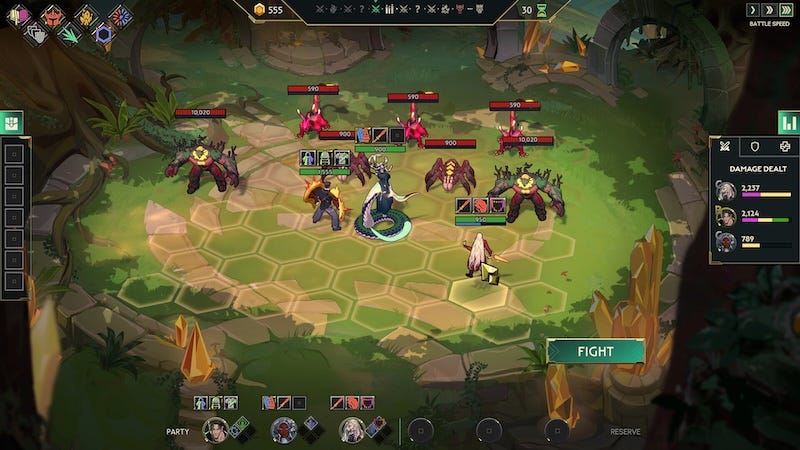
Genre-mashing combined roguelike elements with PvE autobattler mechanics.
The design was inspired by games like Team Fight Tactics. The developers removed PvP elements to avoid technical and social hurdles.
Core loop. Guildrun combines roguelike elements with PvE autobattler mechanics.
Production values
High-fidelity UI and character design mirror major industry titles.
The design is comparable to Riot and Blizzard titles. The lead designer is an ex-Blizzard and Riot analyst/designer.
Community building
Weekly beta updates included winrate and pickrate analysis.
The team started with a small community in December. They expanded via Reddit and ads, updating the playable beta weekly from January.
- 01Start smallBuild a small community in December
- 02Expand reachGrow via Reddit and ads
- 03Iterate weeklyUpdate beta with winrate and pickrate analysis
Geographic reach
Japan was an unexpected strong market despite no localization.
Germany performed well as expected for roguelike autobattlers. Japan's traction was driven by the art style and positive social media.
Discovery channel
Short-form video content drove significant wishlist growth for Sandcastle.
Vertical video platforms like Instagram Reels and TikTok are powerful for game discovery. Sandcastle gained 50,000 wishlists in its first week.
50,000
Sandcastle wishlists in its first week
- Total wishlists
- 165,000
Launch timing
Revealing the game and launching the demo simultaneously proved effective.
This strategy allowed the team to concentrate marketing efforts. Guildrun is slated for release in the first half of 2027.
1 / 7
Ask AI about this report