ArticleGameDiscoverCo
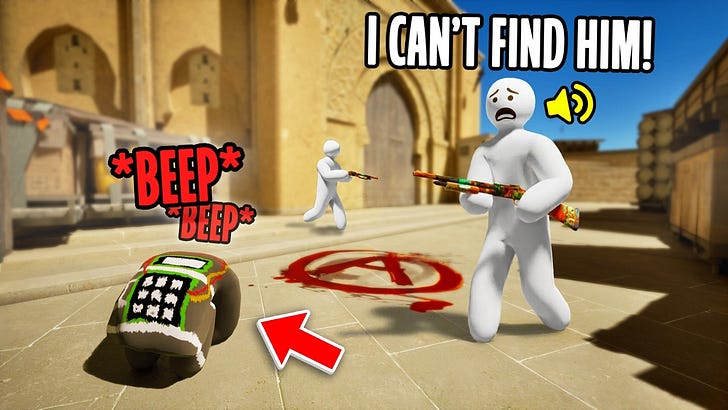
Look, We Have to Talk About Meccha Chameleon
30 Jun 20261 pages~11 min full read
Key insights
4 slides
The breakout
Meccha Chameleon sold over 10 million copies since June 9.
The $6 multiplayer hide-and-seek game from two Japanese indie developers became June's top new PC game. It grossed more than $50 million within weeks of its Steam release.
The framework
The game acts as a framework for player-generated humor.
Meccha Chameleon's appeal to streamers stems from its ability to create memorable, funny, and creative player interactions.
Streamers' choice. Meccha Chameleon was #3 on Twitch with 10.4 million hours watched in the last week.
10.4 million
Hours watched on Twitch in the last week
- Twitch ranking
- #3
Low cost
Developers leveraged existing Unreal Engine assets to minimize costs.
The developers utilized a lean production strategy, leveraging existing Unreal Engine assets and free matchmaking services.
- 01Use existing assetsLeverage existing Unreal Engine assets
- 02Free matchmakingUse free Epic Online Services for matchmaking
- 03Rapid iterationMinimize costs and development time
Market shift
U.S. game market grew 3% year-over-year in May 2026.
Data from May 2026 indicates a 3% year-over-year increase in the U.S. game market, reaching $4.2 billion. Hardware sales face headwinds due to rising component costs and pricing adjustments.
1 / 4
Ask AI about this report