1 free read left. Create a free account for unlimited reading + AI research.
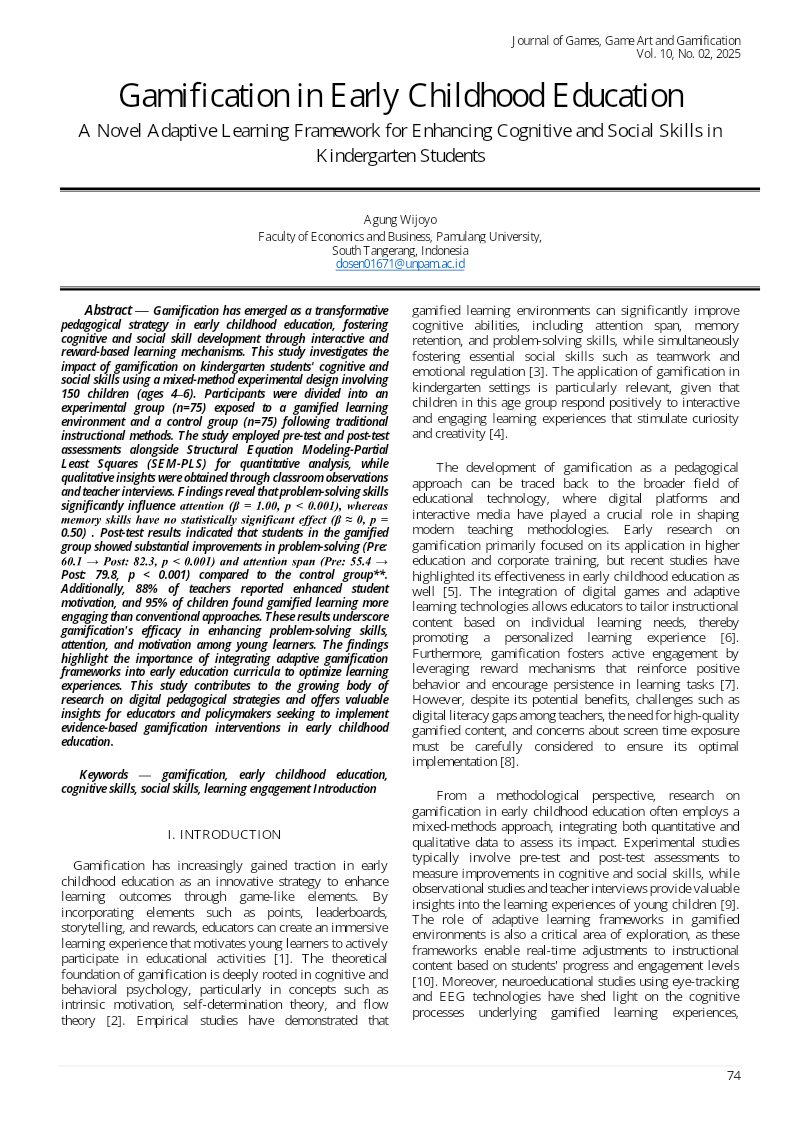
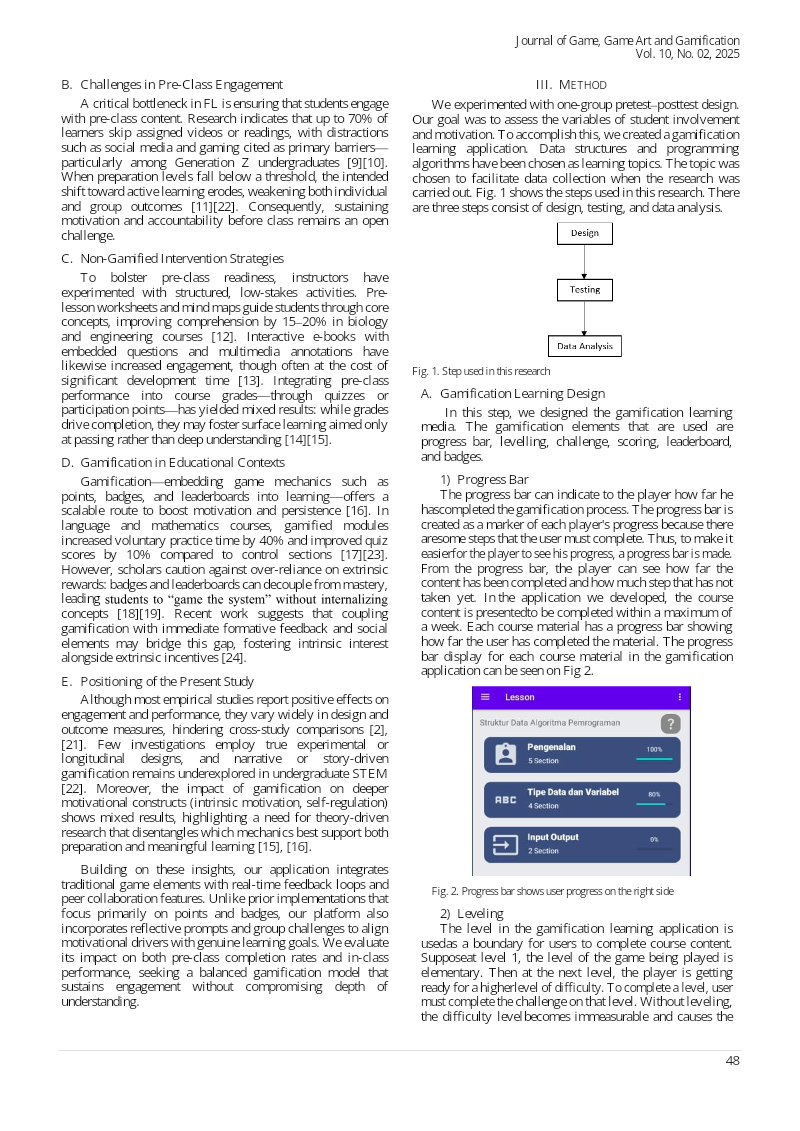
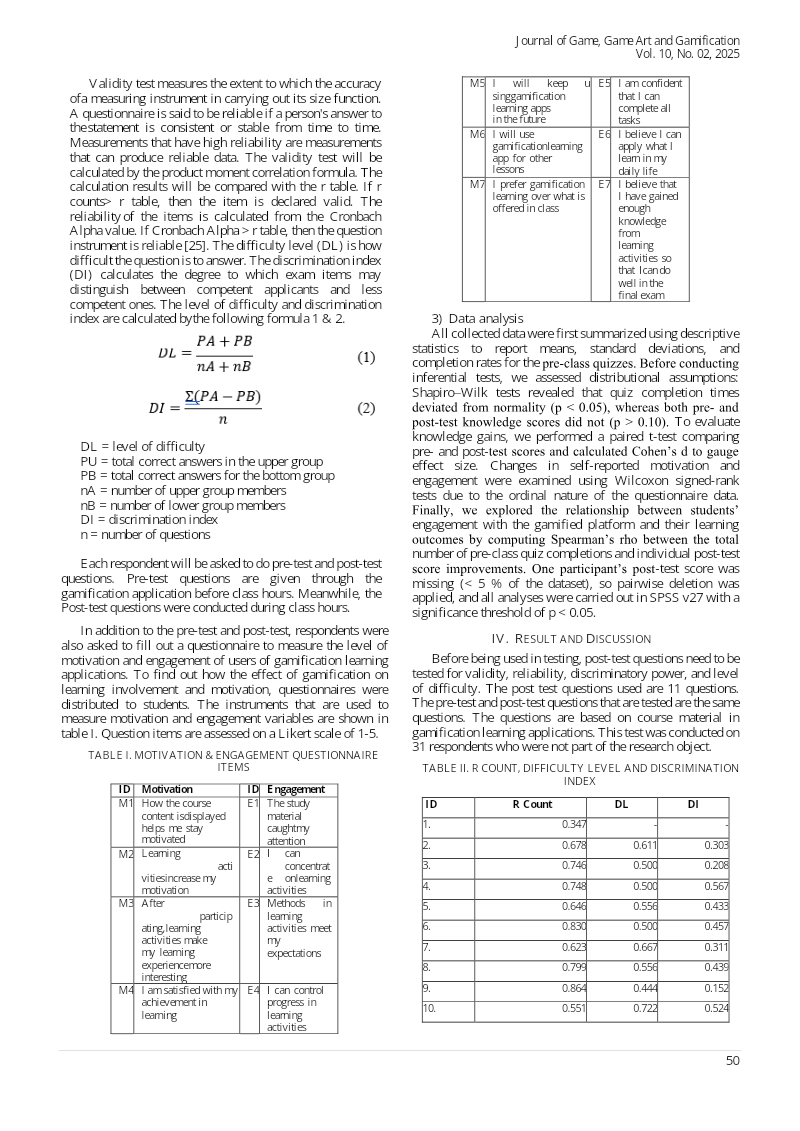
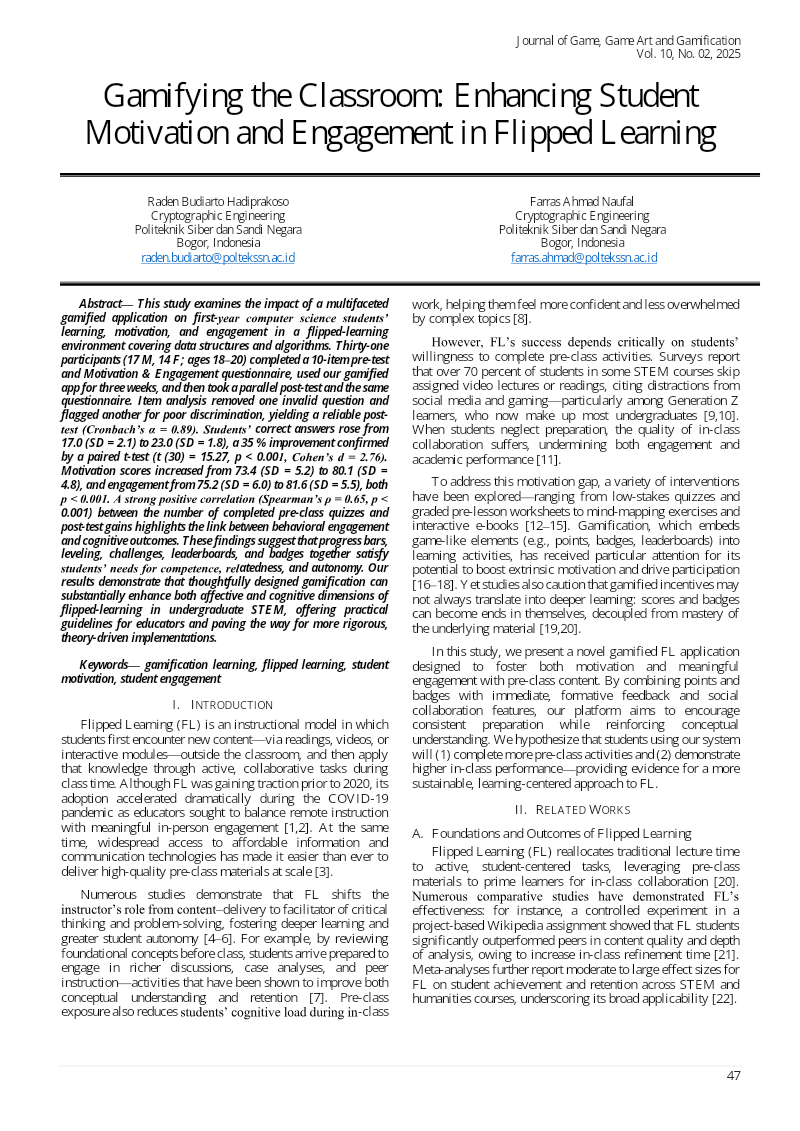
Create free accountWhitepaper Bina Nusantara University
1 free read left. Create a free account for unlimited reading + AI research.
Create free accountWhitepaperBina Nusantara University
Traditional dioramas and printed text do not meet the expectations of modern, technology-oriented audiences.
Museums in Jakarta face a significant decline in visitor engagement, largely attributed to outdated, static display methods that fail to resonate with modern, technology-oriented audiences. While the Indonesian government has prioritized museum revitalization, many institutions remain perceived as dull or eerie, lacking the interactive media necessary to foster educational interest. This analysis identifies a critical need for digital transformation to bridge the gap between traditional cultural preservation and contemporary visitor expectations.
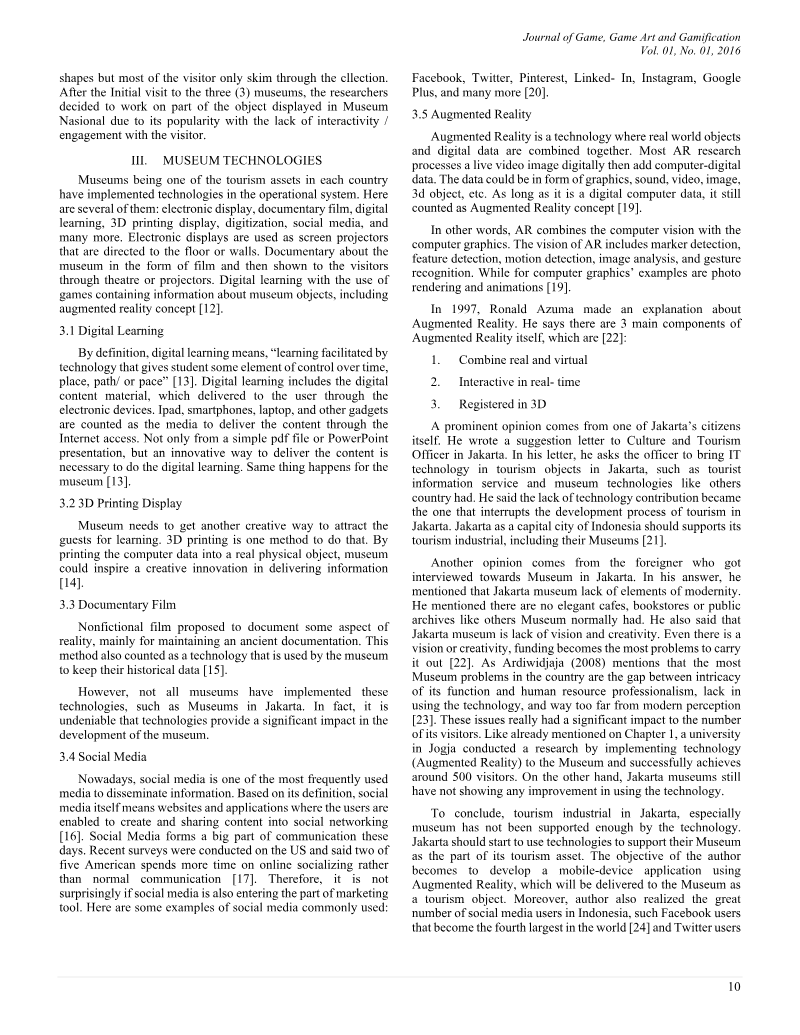
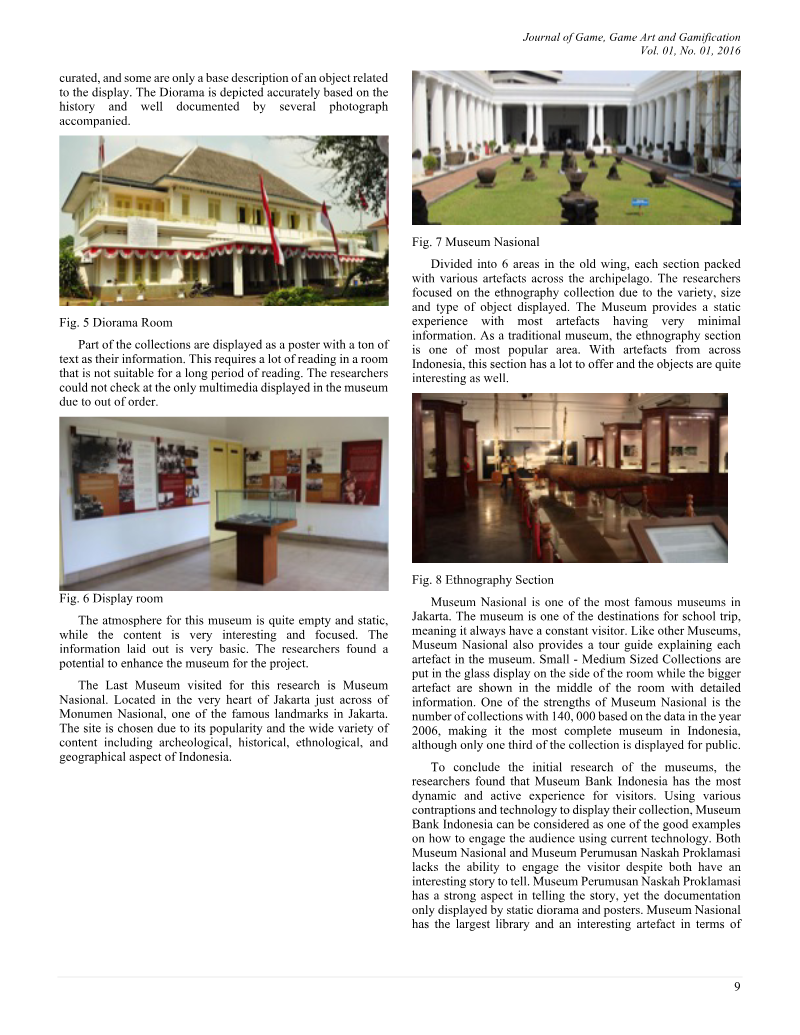
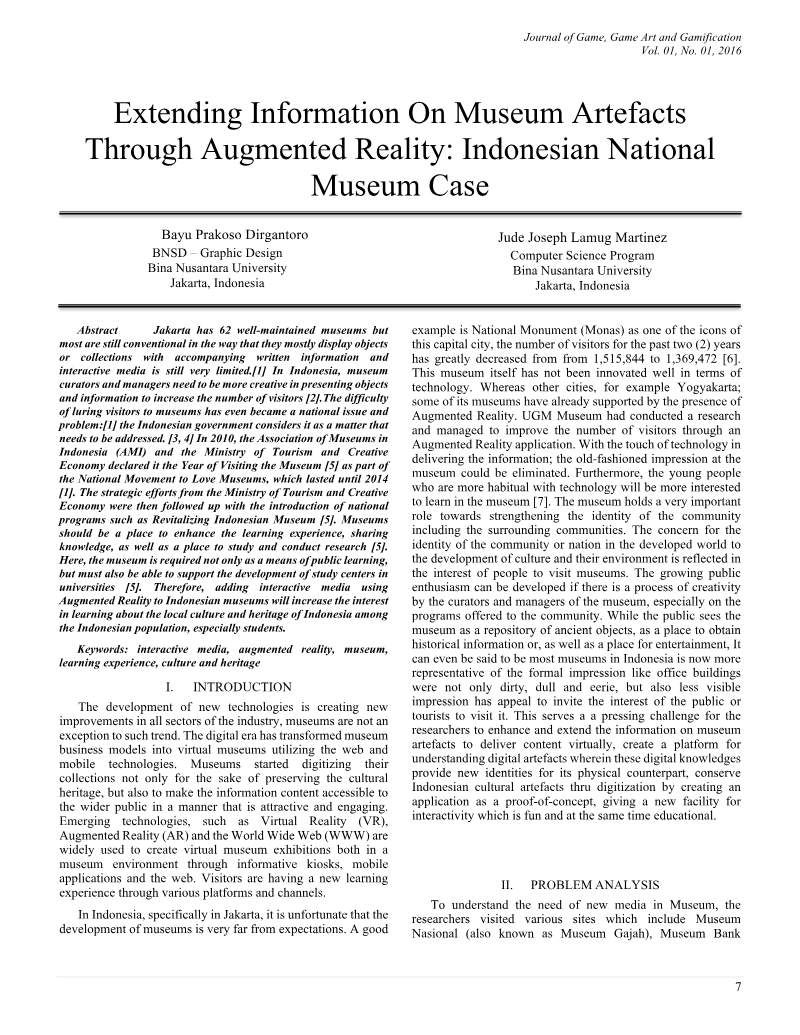
The research involved an evaluation of three prominent Jakarta institutions: the Museum Bank Indonesia, the Museum Perumusan Naskah Proklamasi, and the Museum Nasional. Findings indicate that while Museum Bank Indonesia successfully utilizes multimedia devices to create a dynamic experience, the other two sites rely heavily on static dioramas and printed text. Despite the Museum Nasional housing over 140,000 artifacts, its lack of interactivity results in superficial visitor engagement. The study highlights that successful modernization requires moving beyond passive observation toward immersive, technology-driven learning environments.
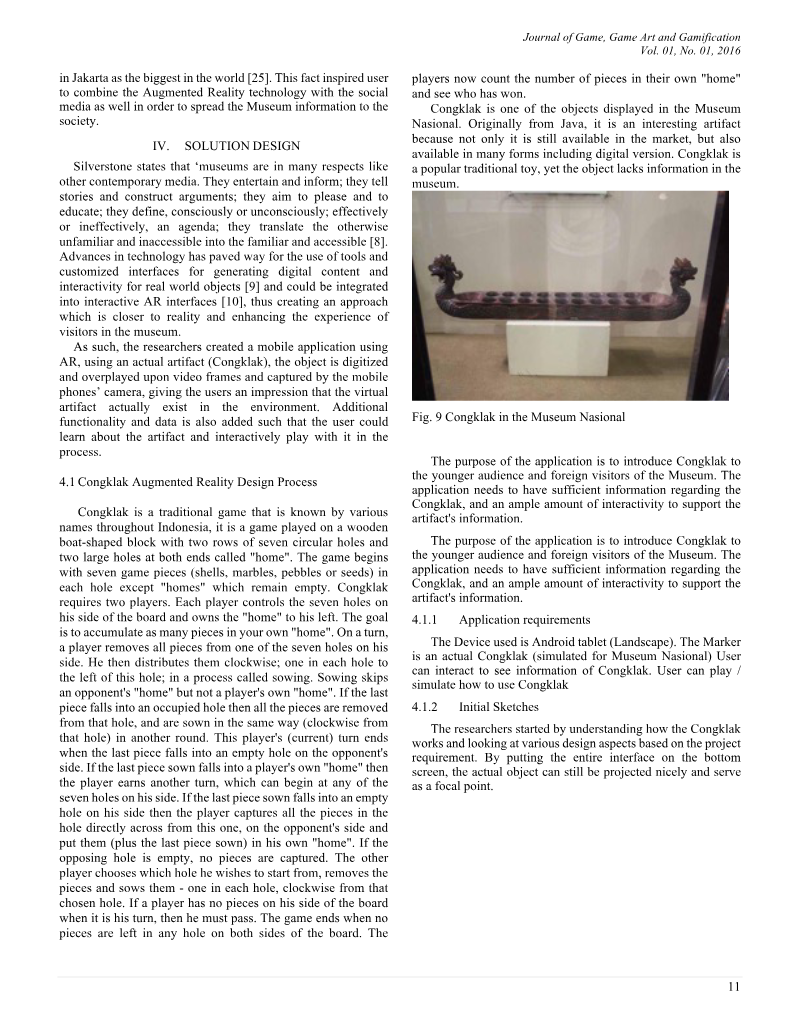
To address these shortcomings, the proposed solution involves the integration of Augmented Reality (AR) to enhance the presentation of cultural artifacts. By developing a mobile application that overlays digital information and interactive gameplay onto physical objects—specifically the traditional game of Congklak—museums can provide a more engaging, educational experience. This approach leverages the high prevalence of mobile and social media usage in Indonesia to transform static exhibits into interactive, 3D-enhanced displays. Ultimately, the implementation of AR technology serves as a strategic tool to revitalize the museum sector, increase visitor numbers, and strengthen the connection between the younger generation and Indonesian cultural heritage.
Bina Nusantara University · 2026
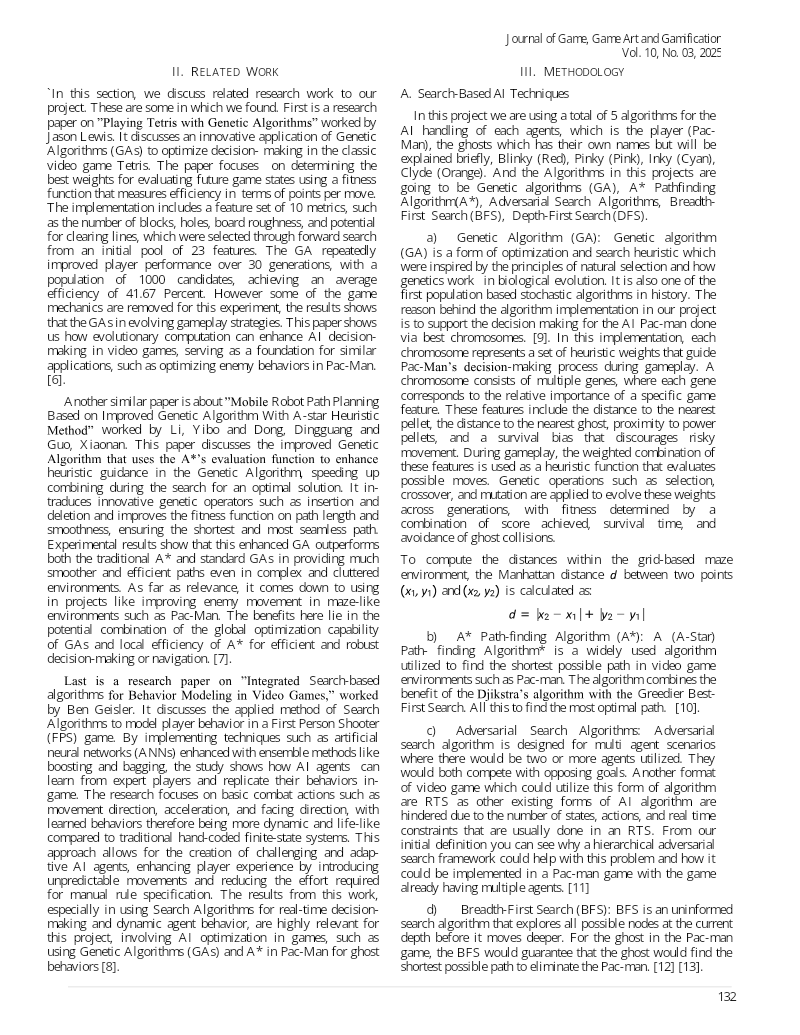
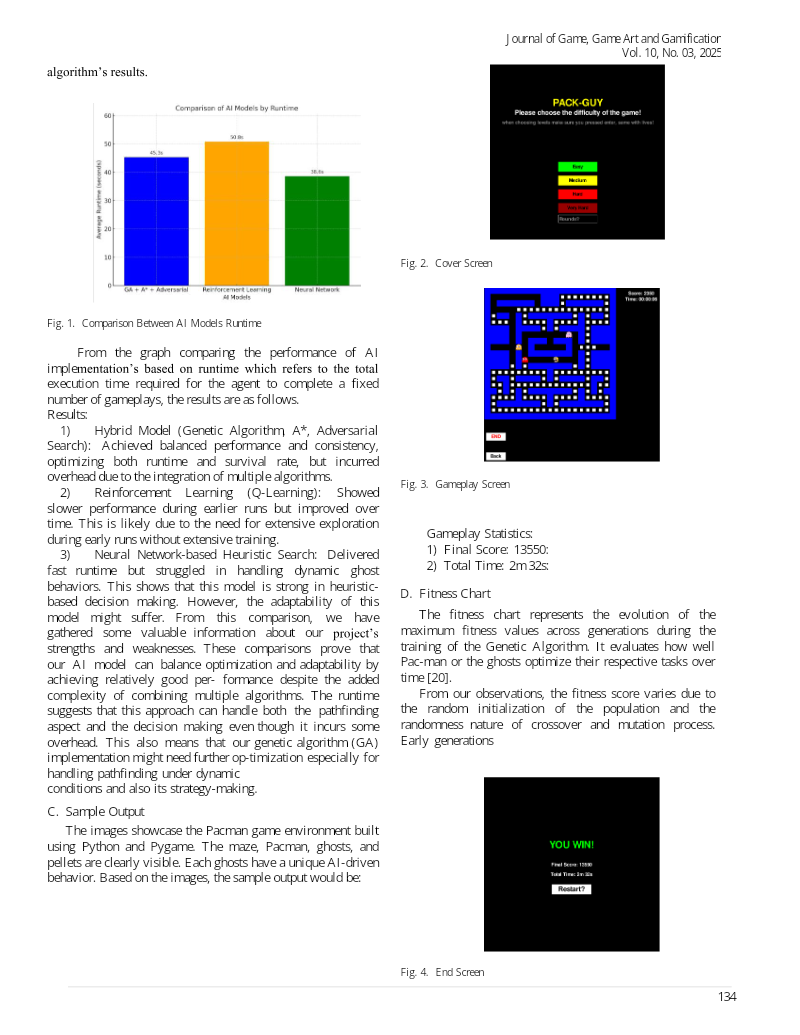
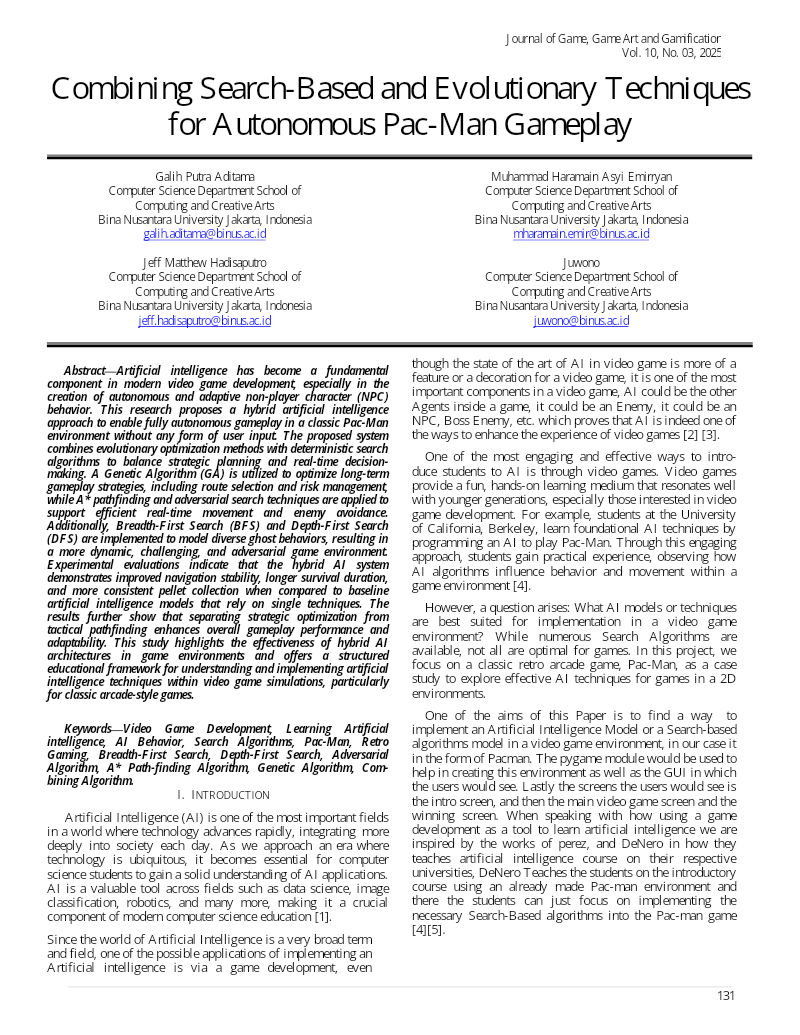
Bina Nusantara University · 2025
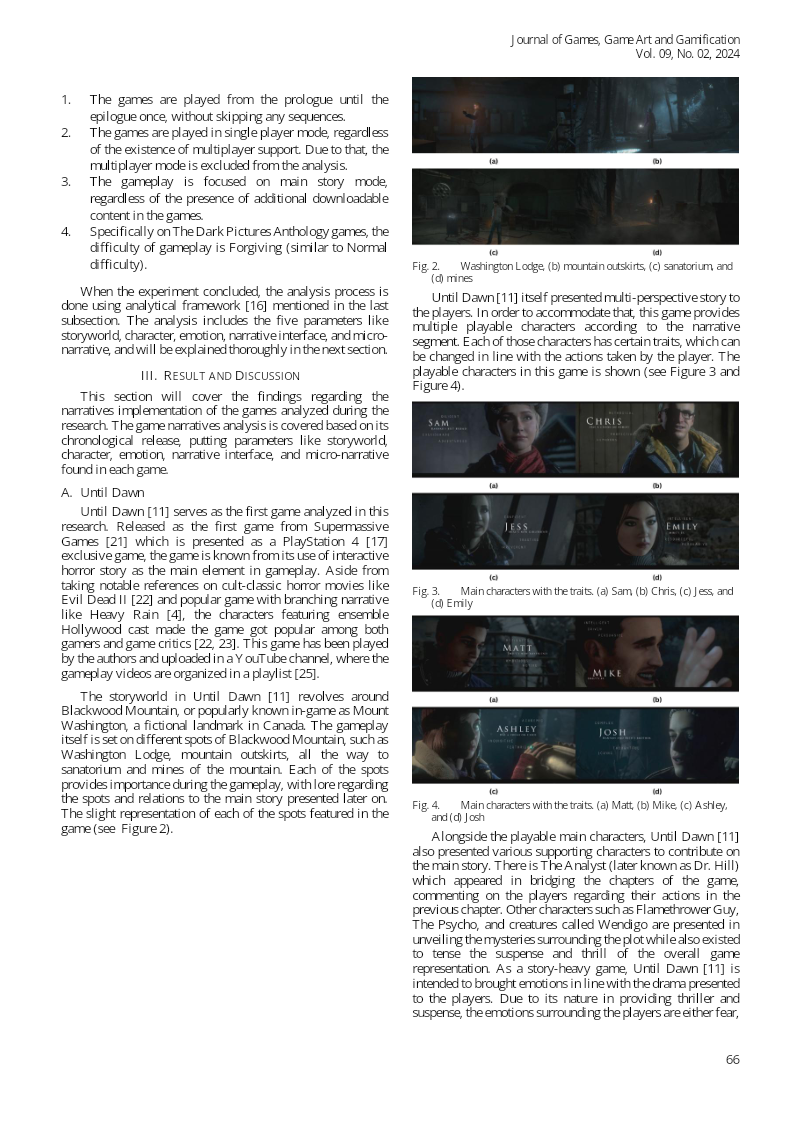
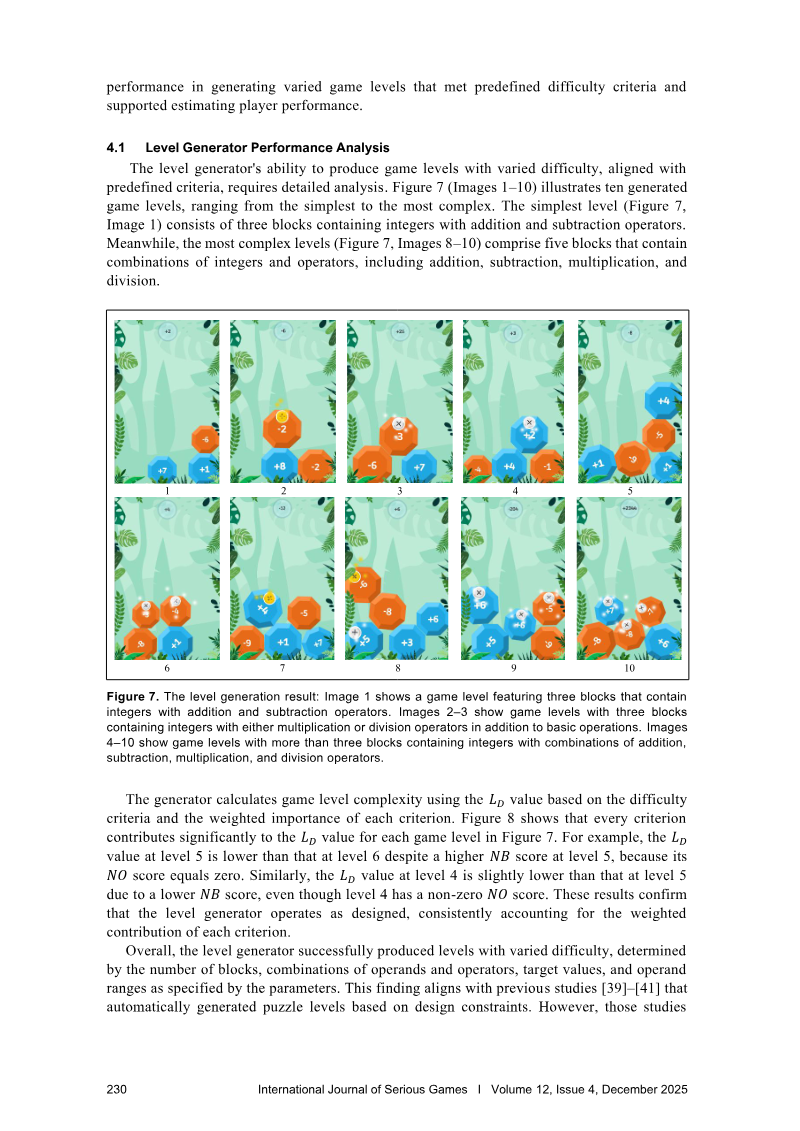
Bina Nusantara University · 2024
Bina Nusantara University · 2023
Bina Nusantara University · 2023
Bina Nusantara University · 2021
Bina Nusantara University · 2021
Bina Nusantara University · 2021
Bina Nusantara University · 2021
Bina Nusantara University · 2021
Bina Nusantara University · 2021
Journal of Games, Game Art, and Gamification · 2021
Serious Games Society · 2026