Key insights
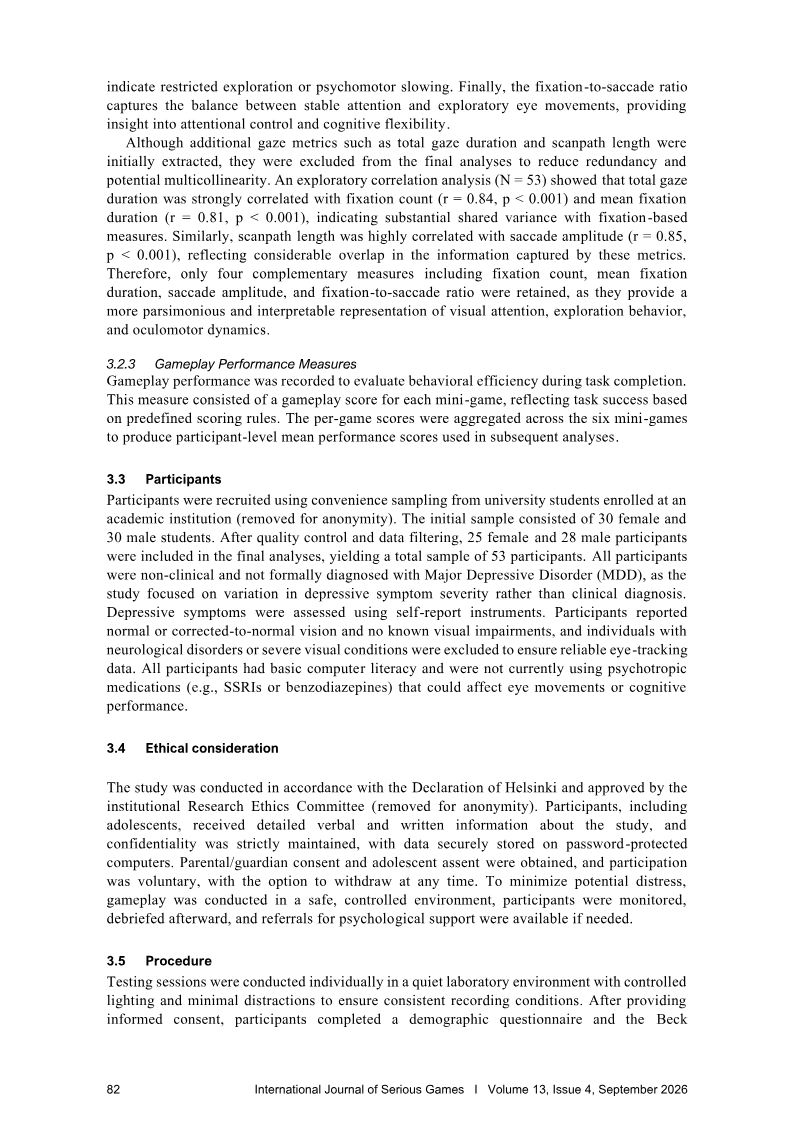
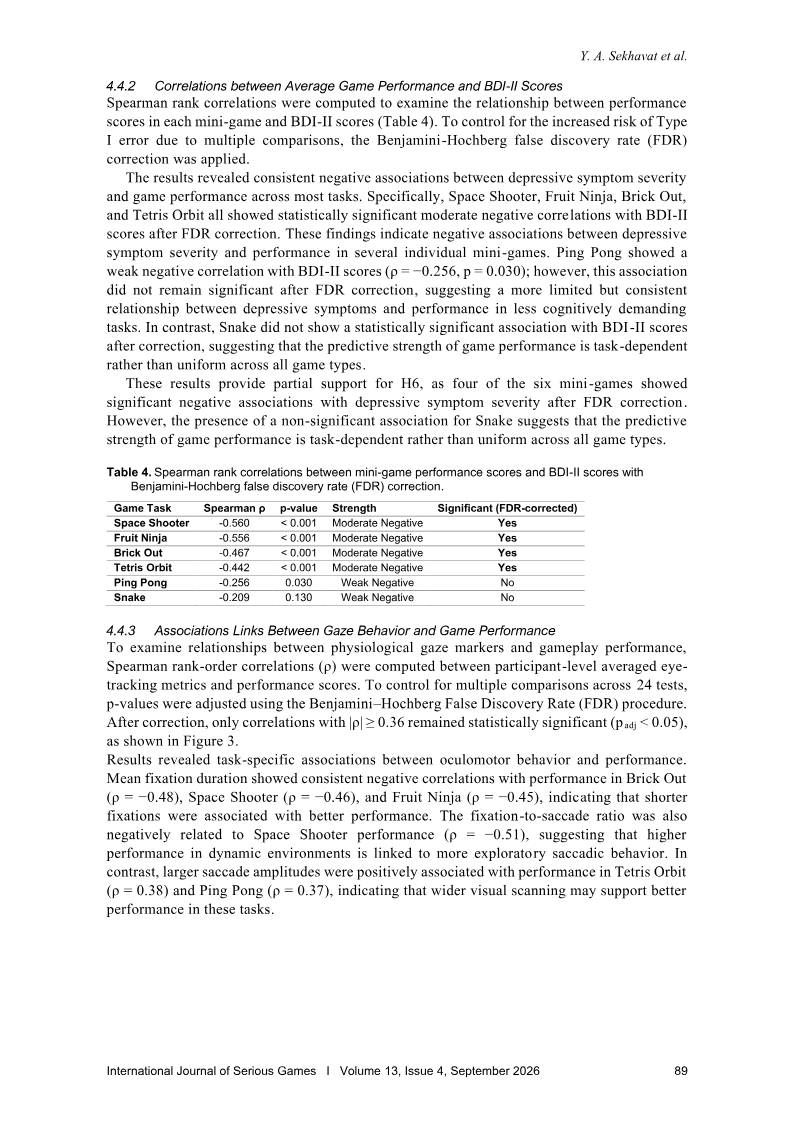
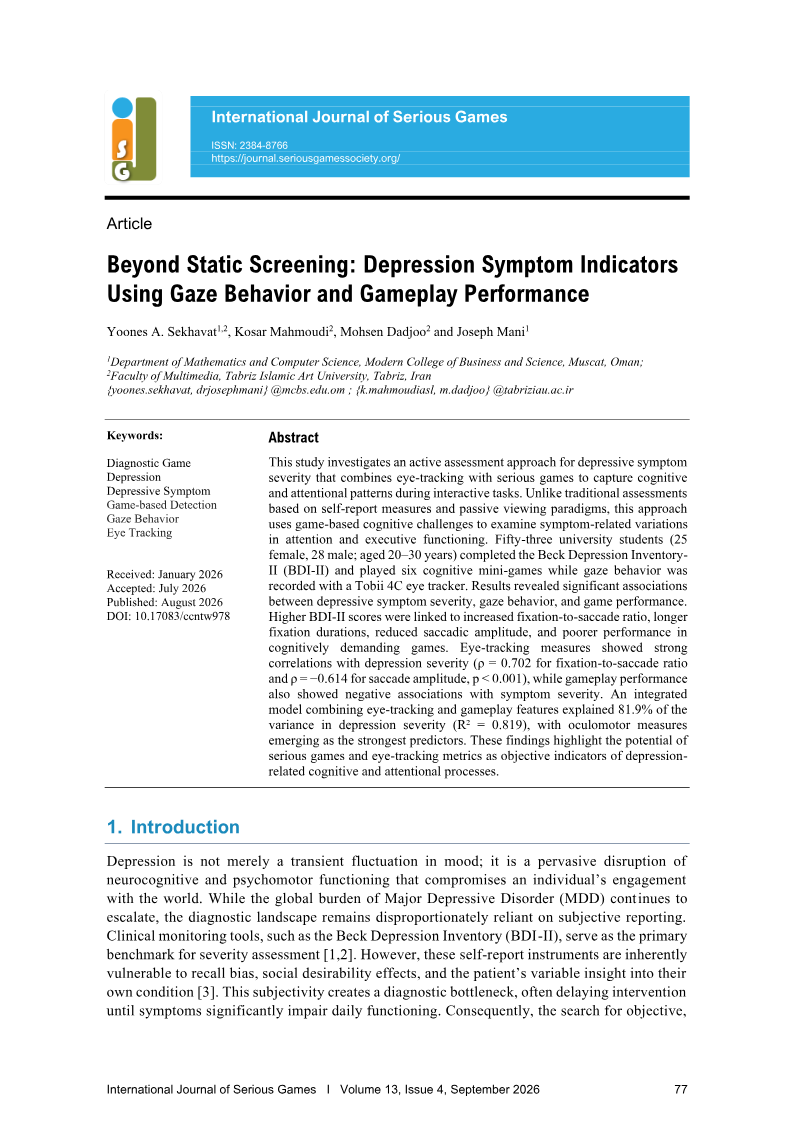
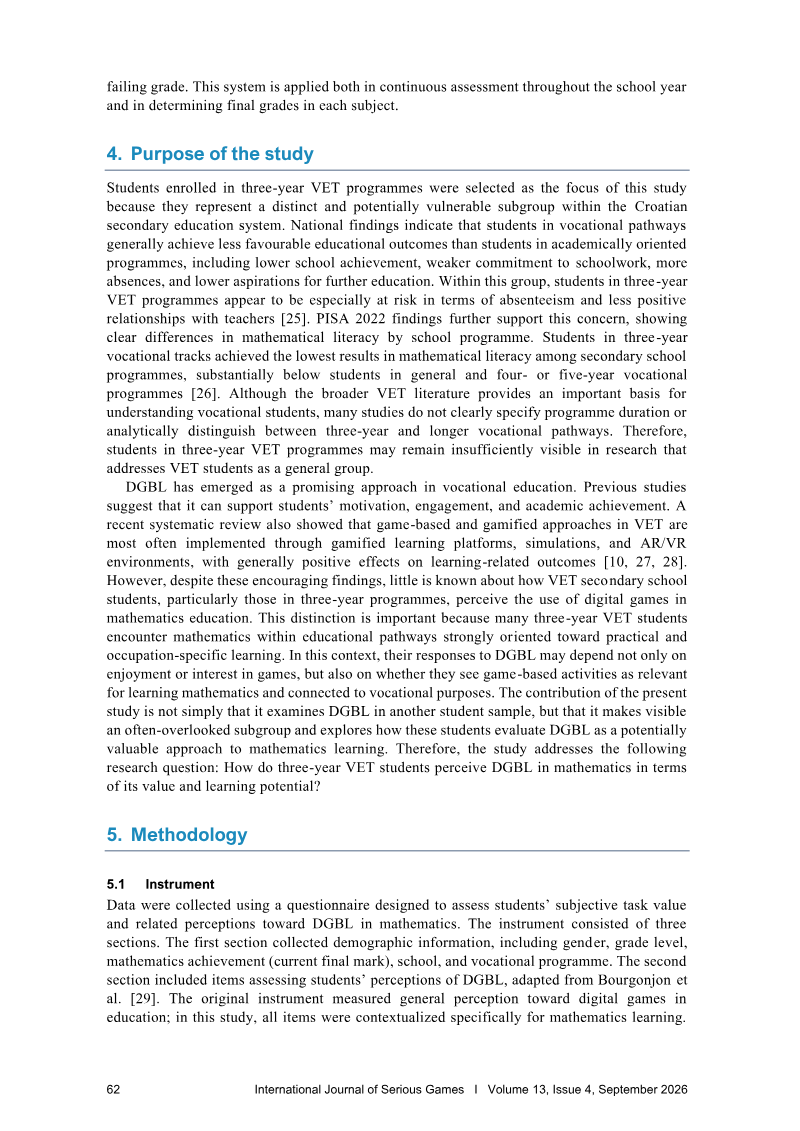
6 slides
Project goal
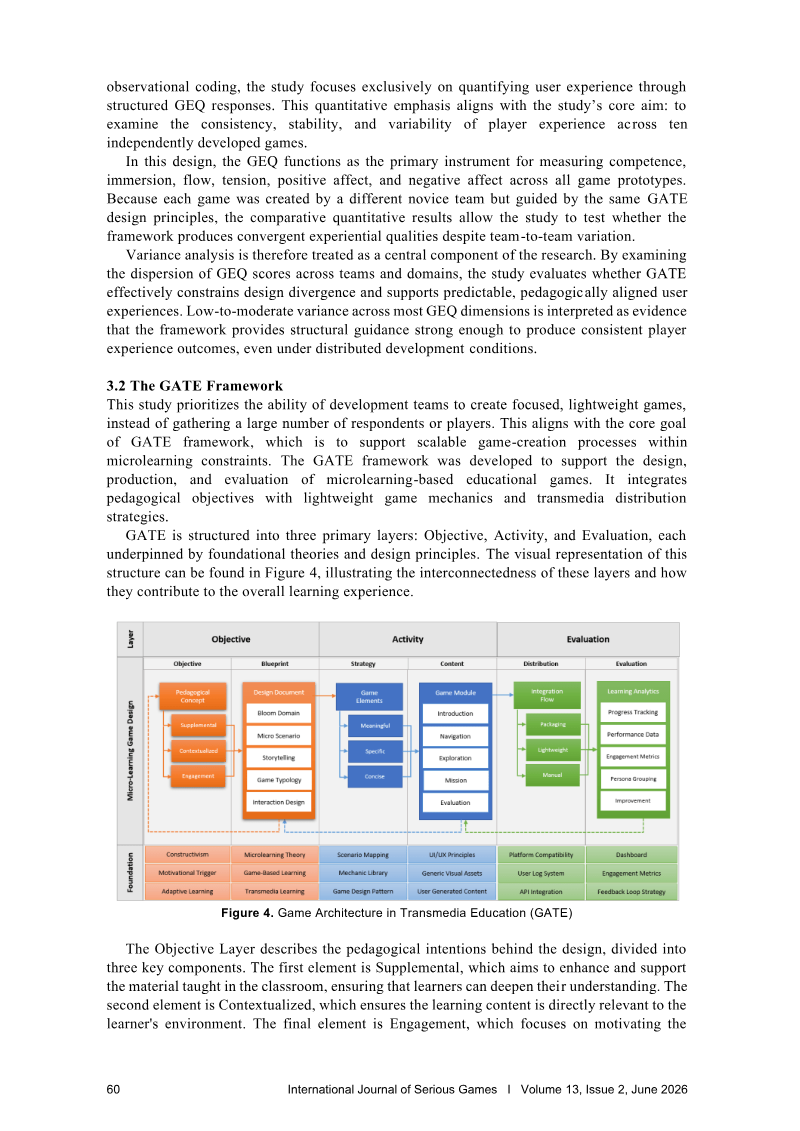
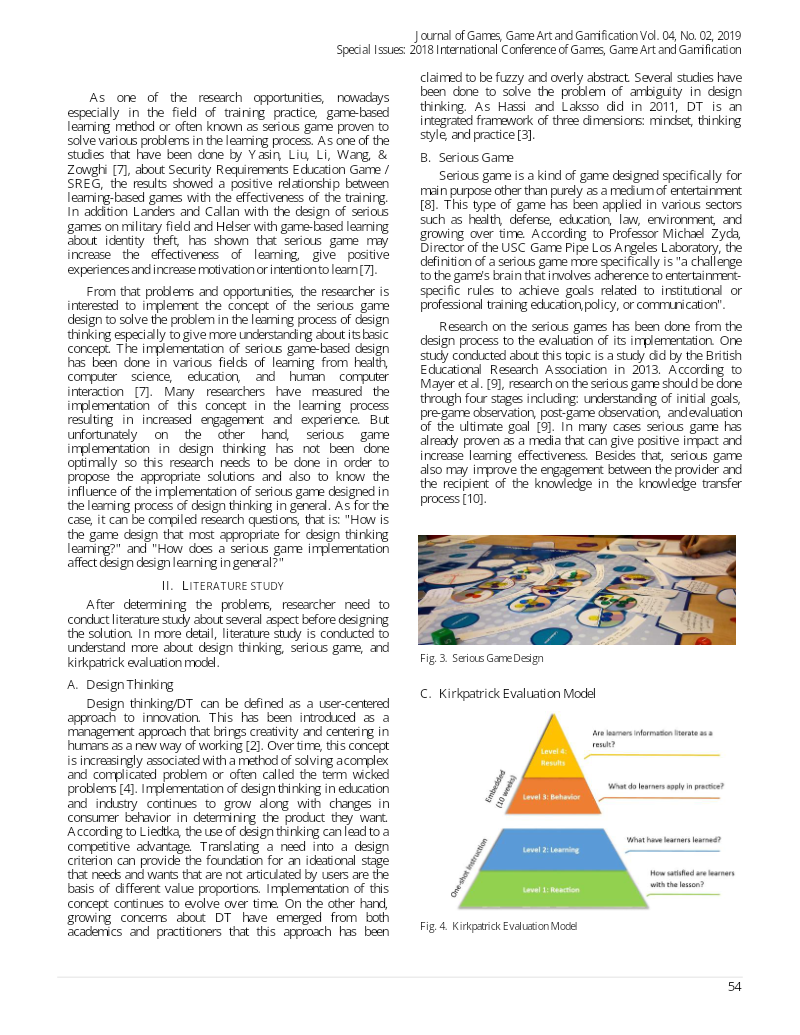
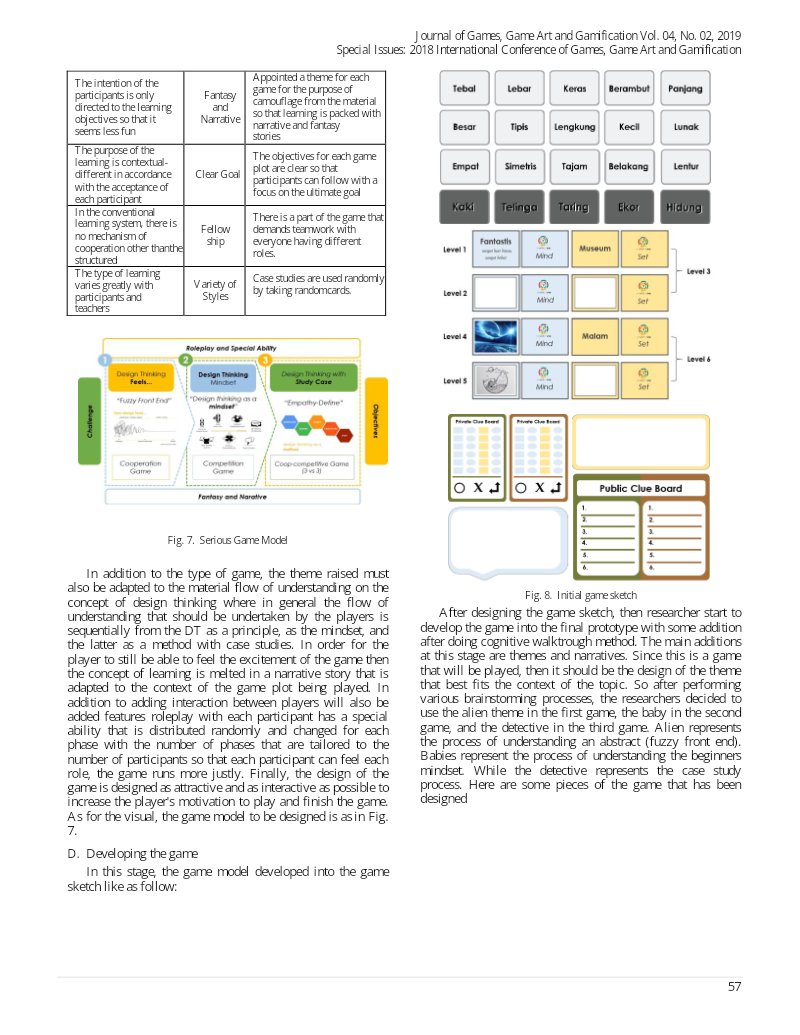
CT Saber integrates computational thinking education with immersive gaming mechanics.
The VR application, built for Meta Quest 2, serves as a proof-of-concept for teaching abstract programming concepts through tangible, maze-based pathfinding challenges.
1 / 6
- 01The CT Saber VR application achieved a high usability score of 80.70 out of 100 in a pilot study involving 36 computer science students.See it on page 1
- 02Perceived usefulness is the primary driver of user satisfaction, indicating that educational efficacy is more critical to engagement than entertainment value in VR learning tools.See it on page 18
- 03The project successfully validated the use of rhythm-based mechanics, similar to Beat Saber, to teach abstract computational logic and pathfinding concepts.See it on page 5
- 04Future development must prioritize balancing instructional design with user-centric refinements, specifically addressing visual clarity, difficulty scaling, and cognitive load management.See it on page 18
- 05The study confirms that the Meta Quest 2 platform is a viable medium for pedagogical innovation when utilizing a Design and Development Research methodology.See it on page 4
- 06Iterative testing remains a foundational requirement for ensuring that immersive VR technology effectively supports long-term educational learning objectives.See it on page 2
Ask AI about this report
Summary
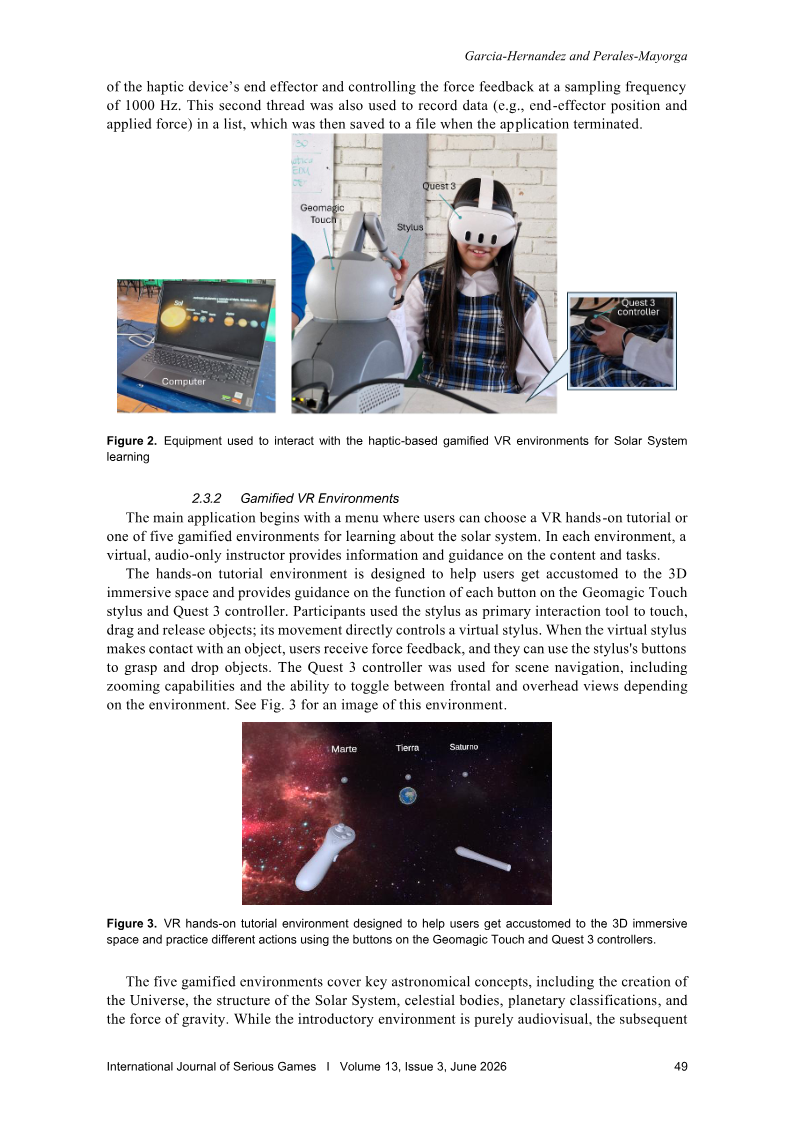
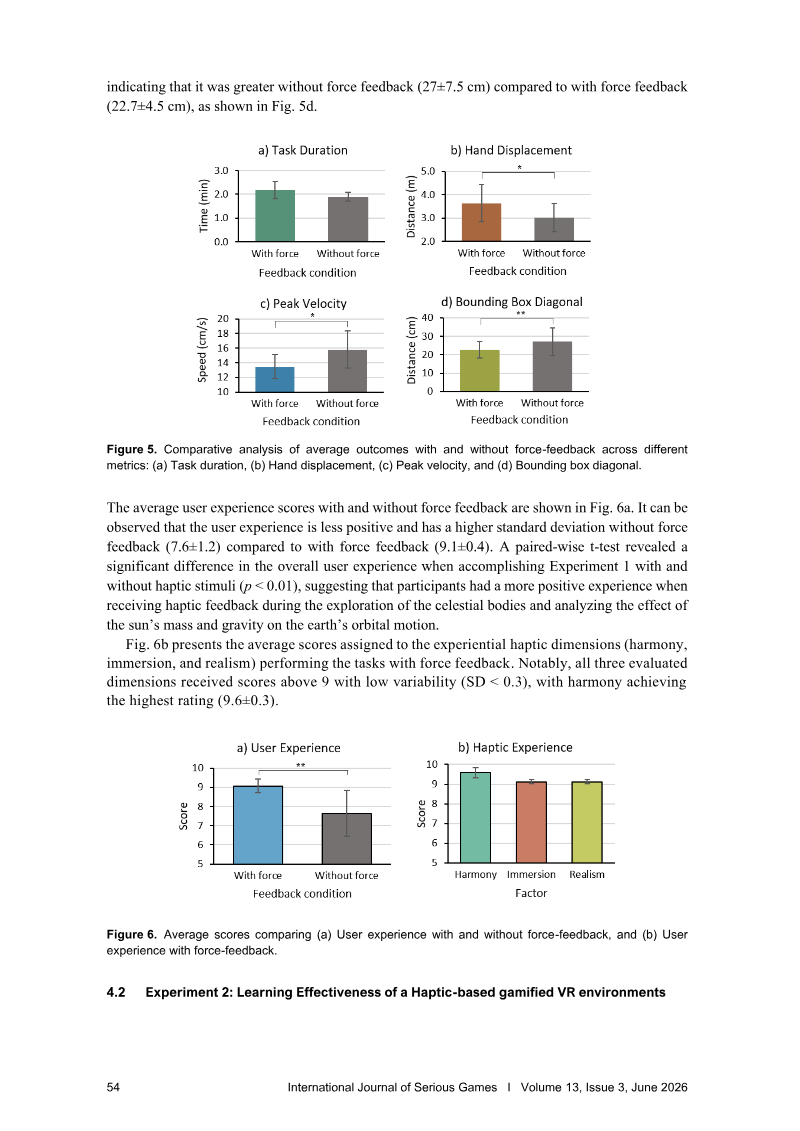
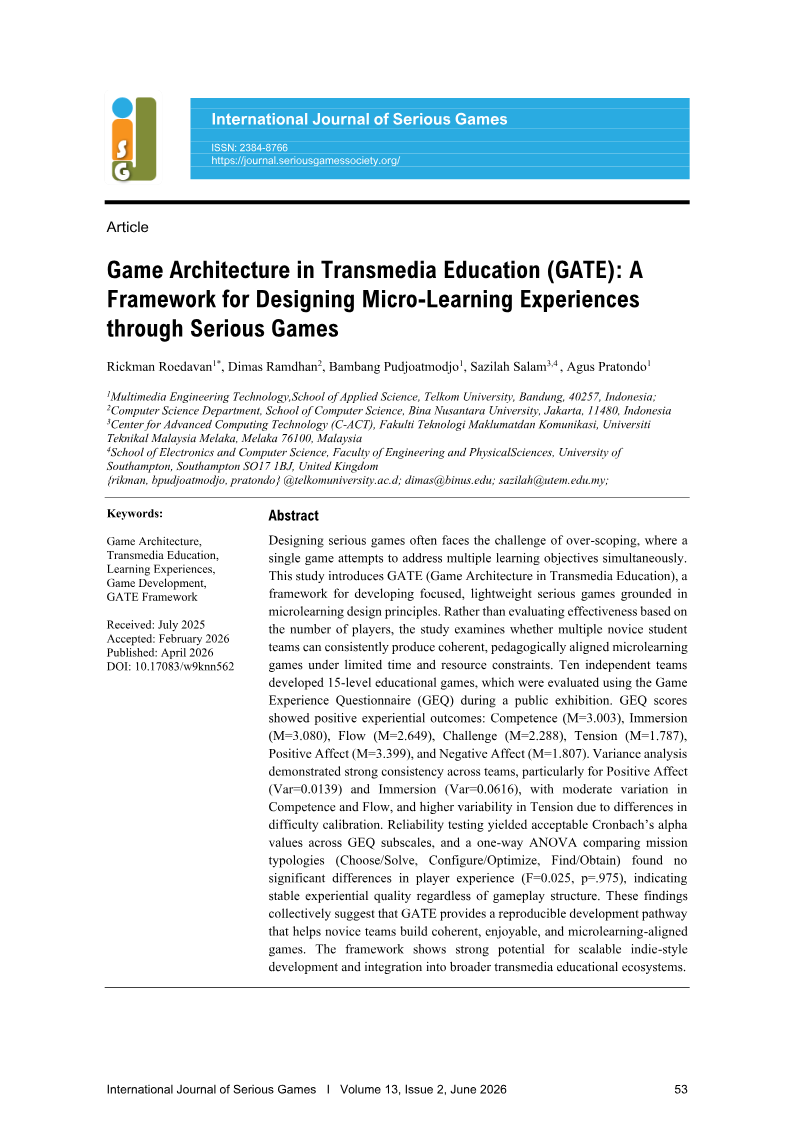
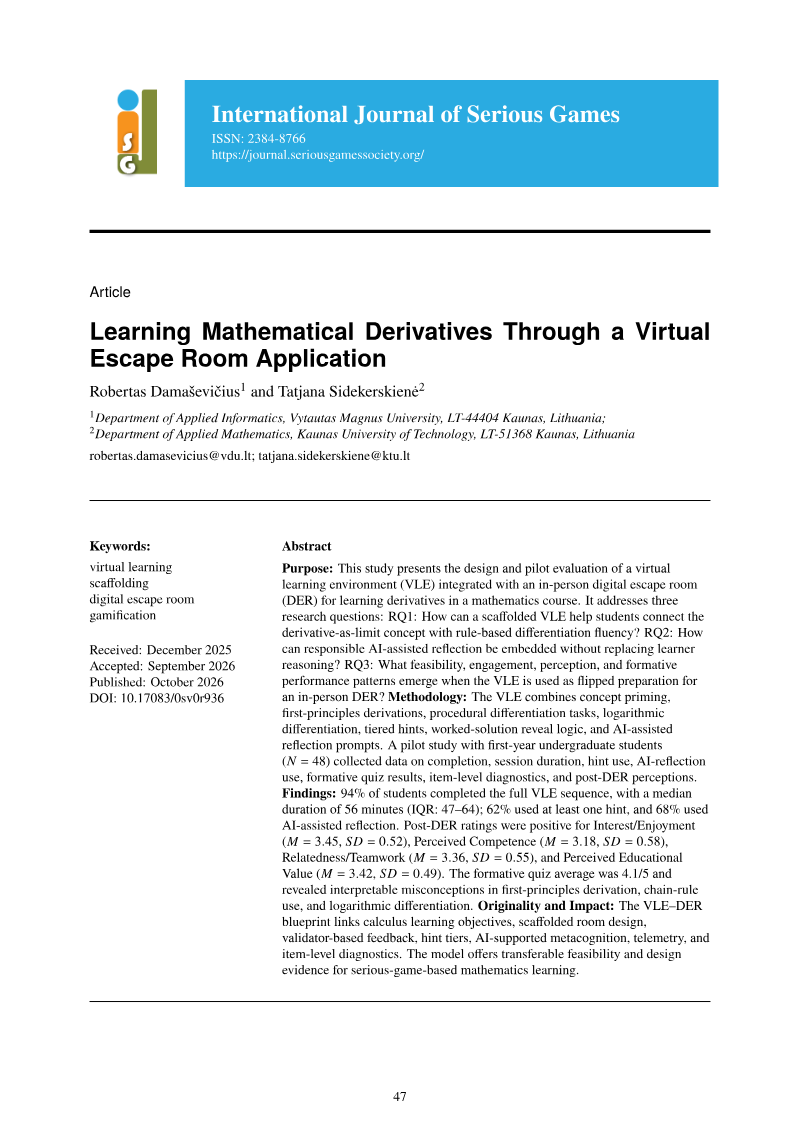
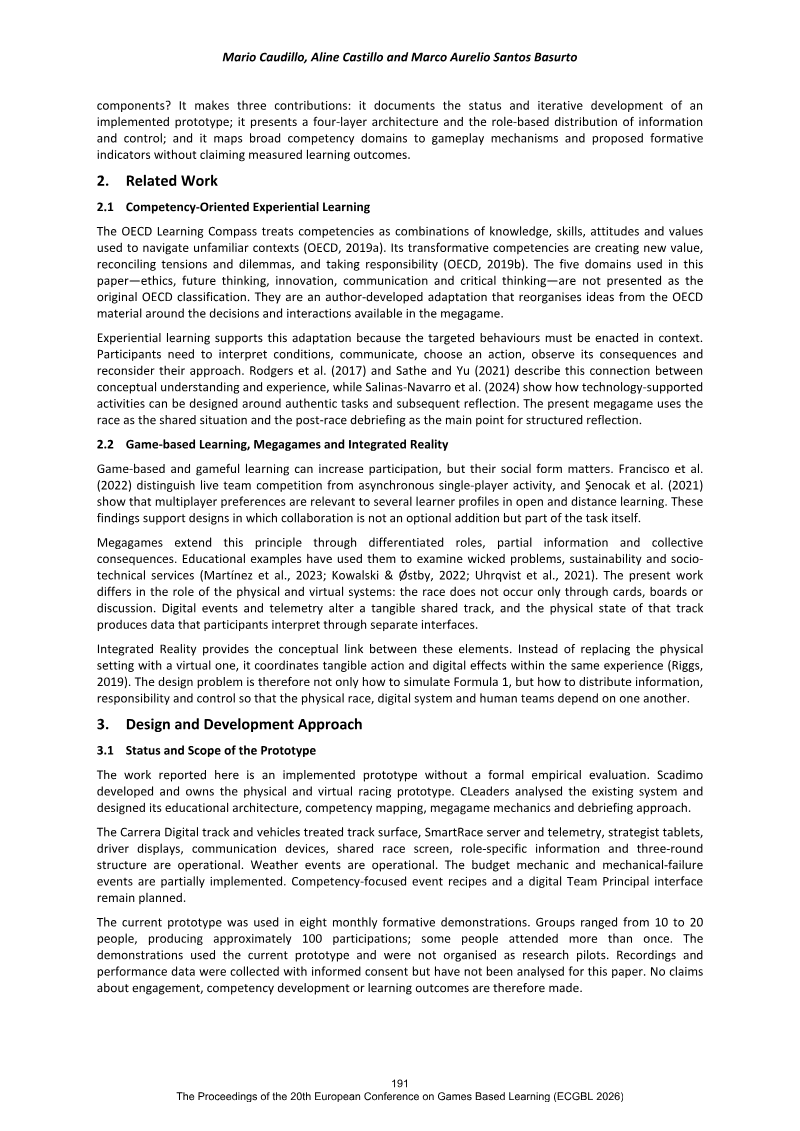
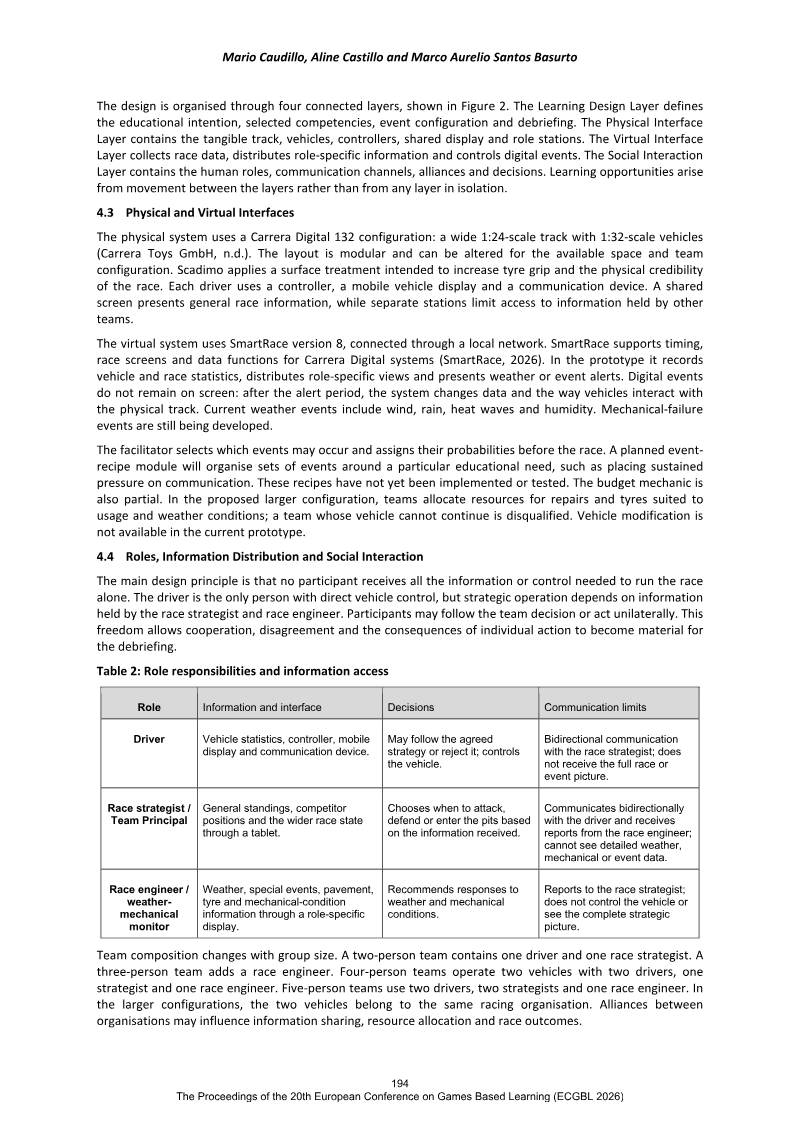
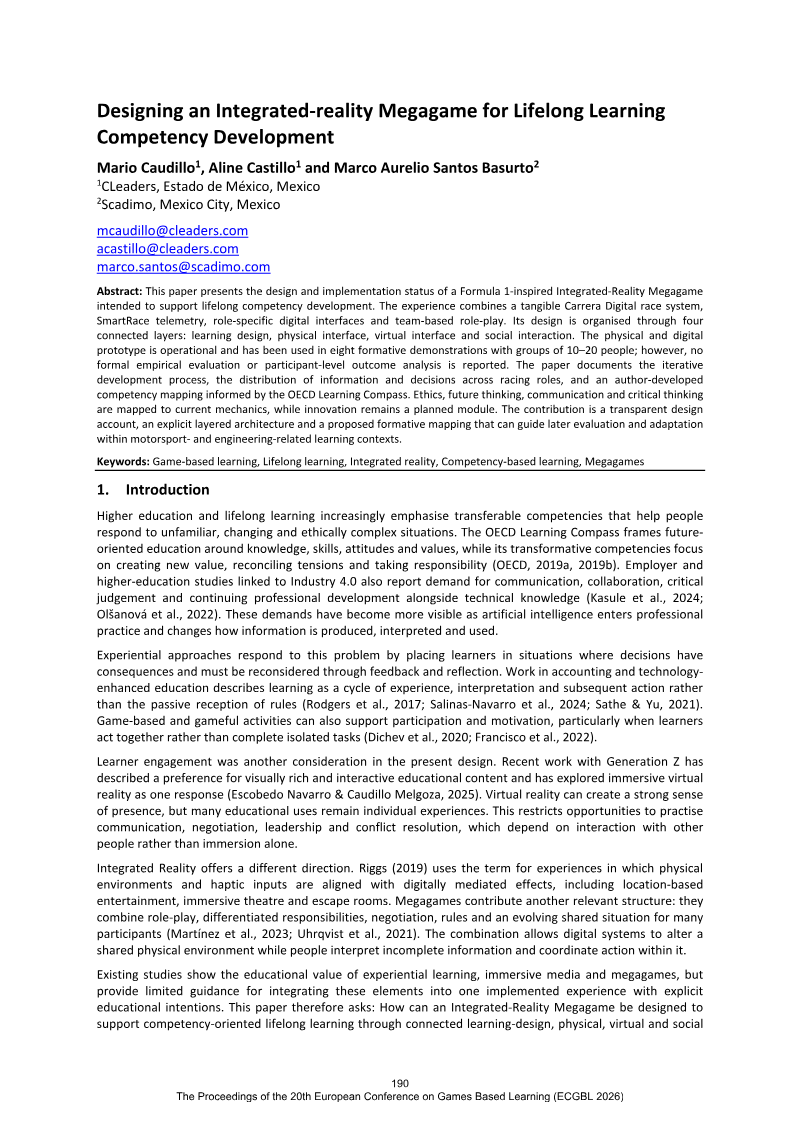
The development of CT Saber, a virtual reality application built for the Meta Quest 2 platform, serves as a proof-of-concept for integrating computational thinking education with immersive gaming mechanics. By leveraging the rhythm-based interaction style popularized by Beat Saber, the project aims to transform abstract programming concepts into tangible, maze-based pathfinding challenges. The primary thesis posits that high-fidelity, interactive virtual environments can effectively facilitate complex cognitive skill acquisition while maintaining high levels of user engagement and satisfaction.
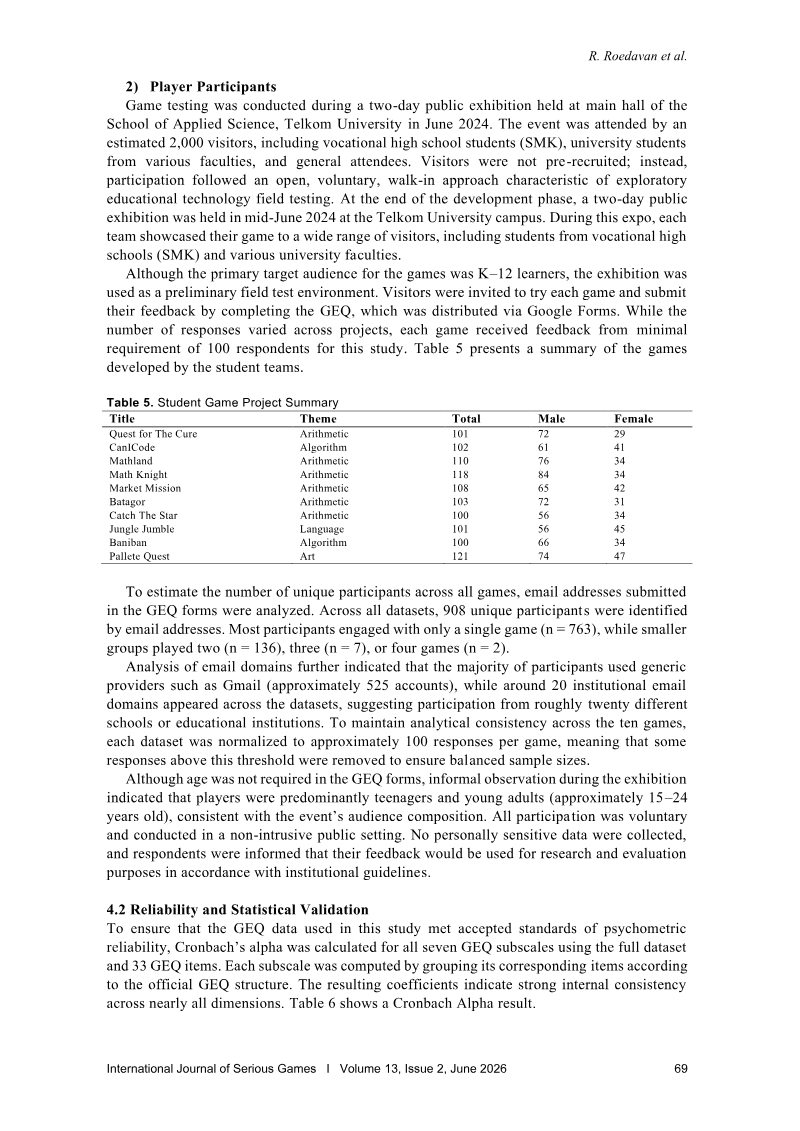
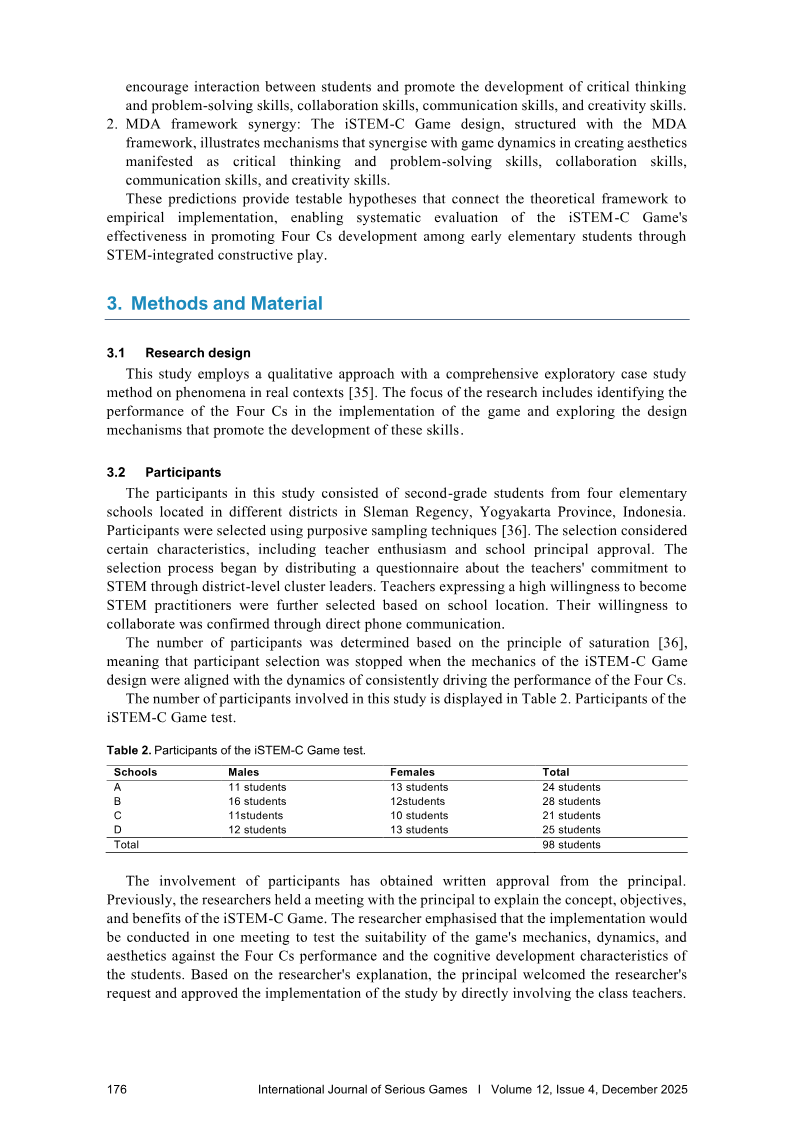
The research utilized a Design and Development Research methodology, involving 36 computer science students in a pilot study to validate the platform’s usability. Quantitative analysis, conducted via the validated USE questionnaire, yielded a strong usability score of 80.70 out of 100. Data indicates that perceived usefulness is the most significant predictor of overall user satisfaction, suggesting that educational efficacy is the primary driver of engagement in VR learning tools. Participants consistently reported that the game provided an intuitive and effective environment for mastering computational logic.
While the current iteration demonstrates high reliability and technical success, the findings highlight specific areas for future refinement. To optimize the learning experience, developers must address challenges related to visual clarity, the scaling of difficulty levels, and the management of cognitive load. These results confirm that virtual reality is a viable medium for pedagogical innovation, provided that instructional design remains balanced with user-centric interface improvements. The study establishes a foundational framework for future educational software development, emphasizing the necessity of iterative testing to ensure that immersive technology effectively supports long-term learning objectives.