More on Serious Games
View all
Whitepaper
Game Architecture in Transmedia Education (GATE): A Framework for Designing Micro-Learning Experiences
Serious Games Society · 2026
Whitepaper
A Design of Integrated STEM Constructive Games in Developing the Four Cs in Early Elementary Students
International Journal of Serious Games · 2025
Whitepaper
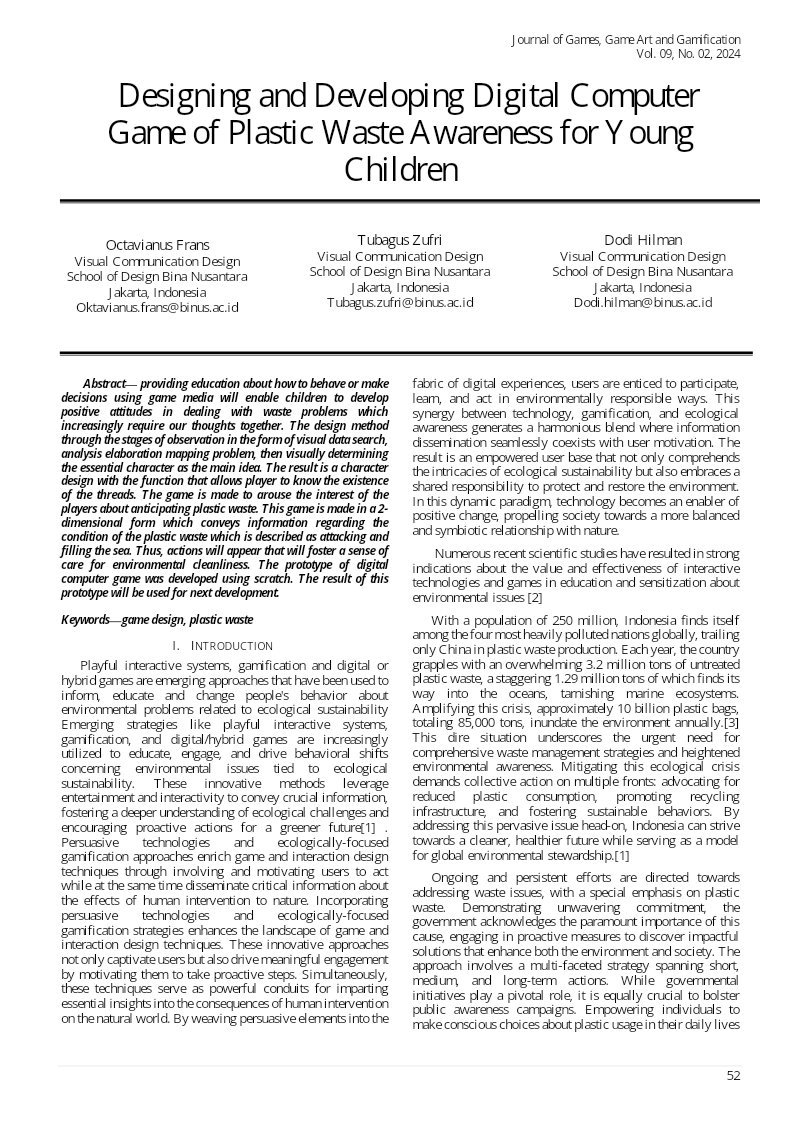
Designing and Developing Digital Computer Game of Plastic Waste Awareness for Young Children
Journal of Games, Game Art, and Gamification · 2024
Whitepaper
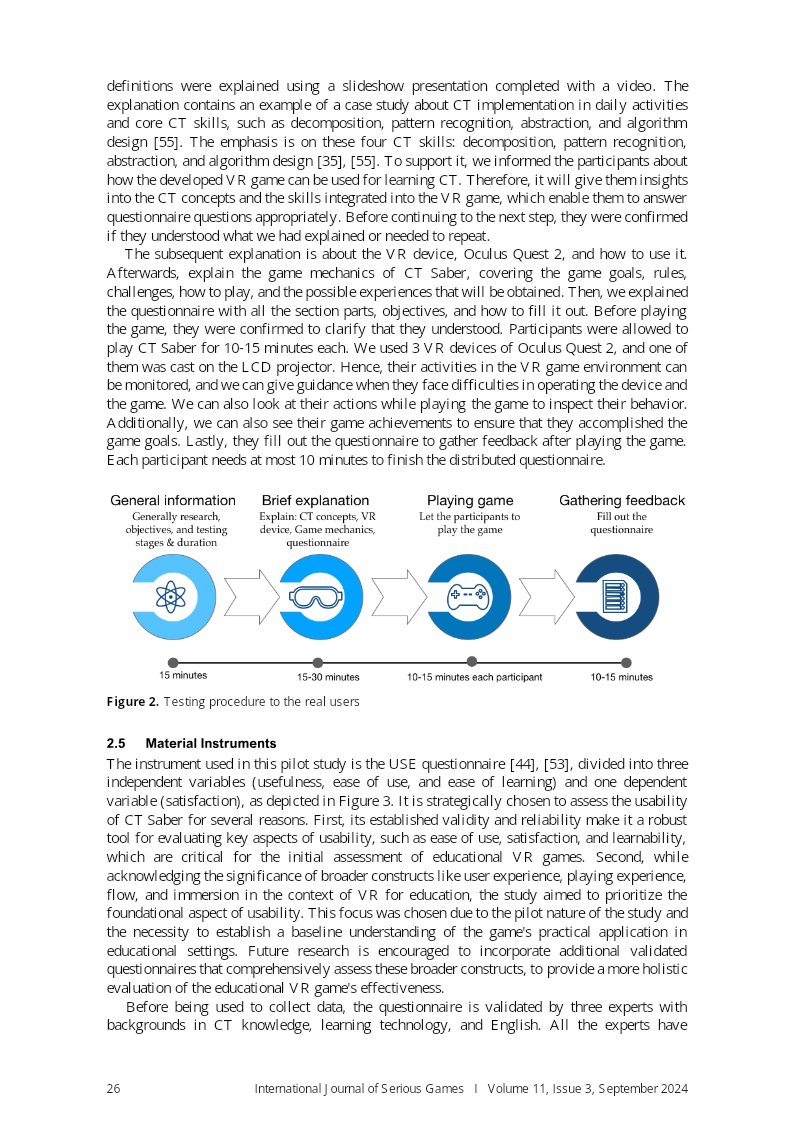
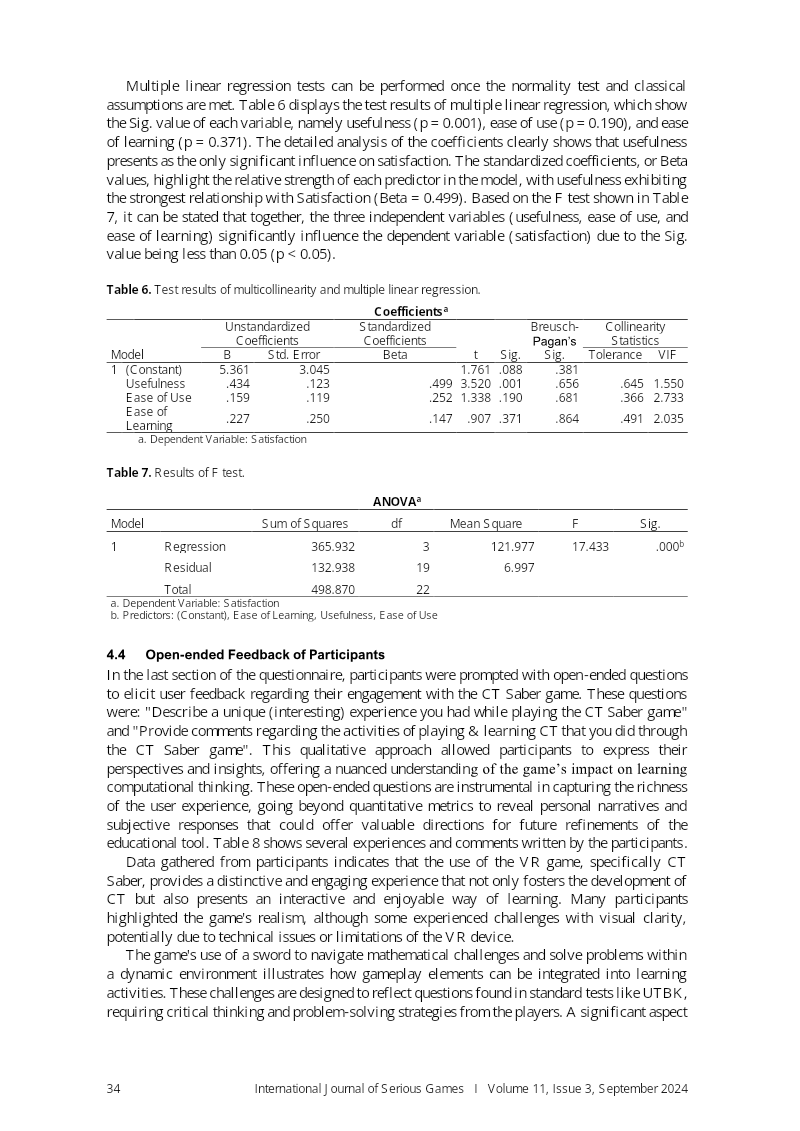
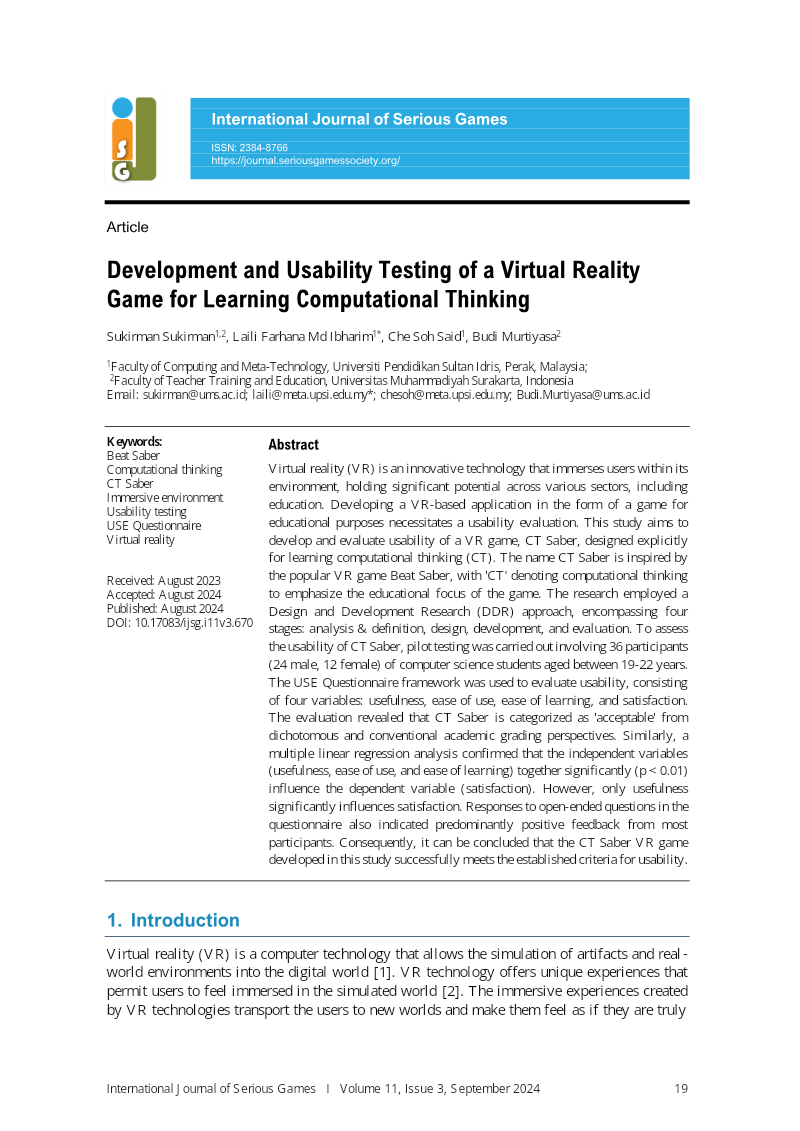
Development and Usability Testing of a Virtual Reality Game for Learning Computational Thinking
Serious Games Society · 2024
Whitepaper
Gamification Using Visual Novel to Improve Chemistry Learning Motivation: Indonesia
Universitas Pelita Harapan · 2023
Whitepaper
Educational Game Scenario Model Based on Imperative Game Goal Typology
Journal of Games, Game Art, and Gamification · 2023
Whitepaper
User Interface Usability of Mamat Adventure: The Study of Usability User Interface of Mamat Adventure Edugame Based on Heuristic Evaluation
Institut Teknologi Bandung · 2023
Whitepaper
Application of Gamification in Ethnic Excellence-Based Character Education Programs
Journal of Games, Game Art, and Gamification · 2023
Whitepaper
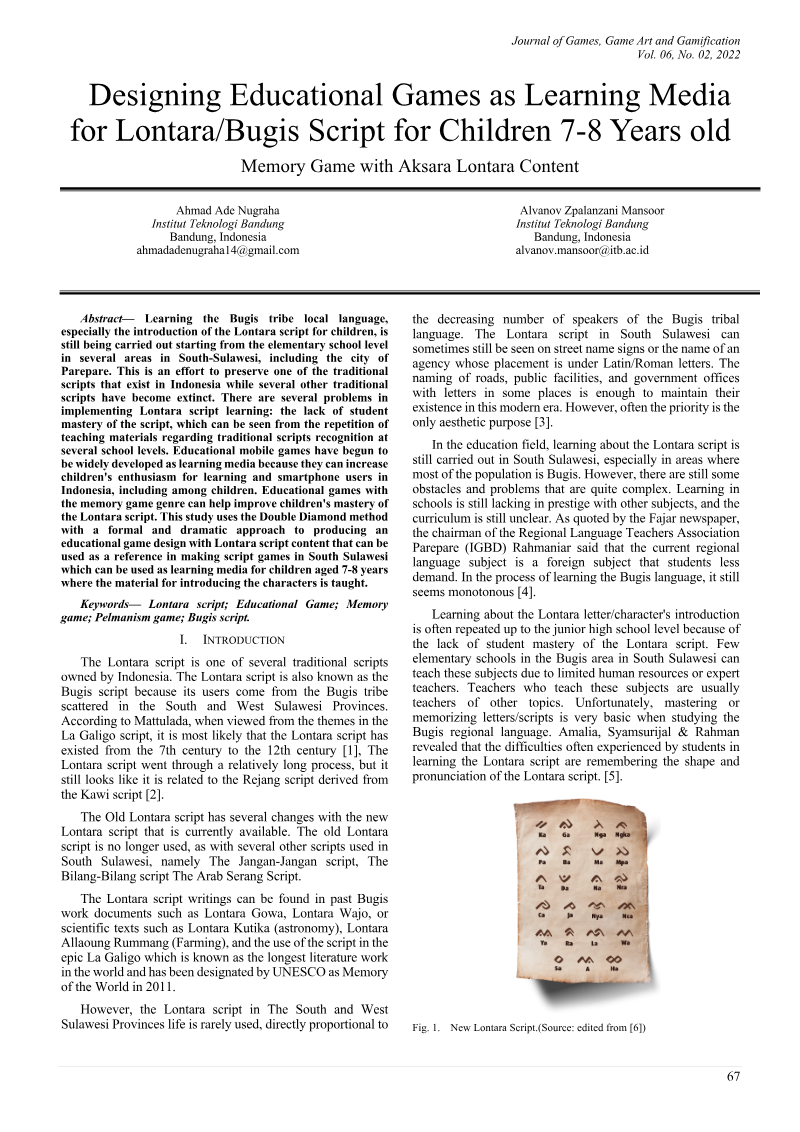
Designing Educational Games as Learning Media for Lontara/Bugis Script: Indonesia
Journal of Games, Game Art, and Gamification · 2021
Whitepaper
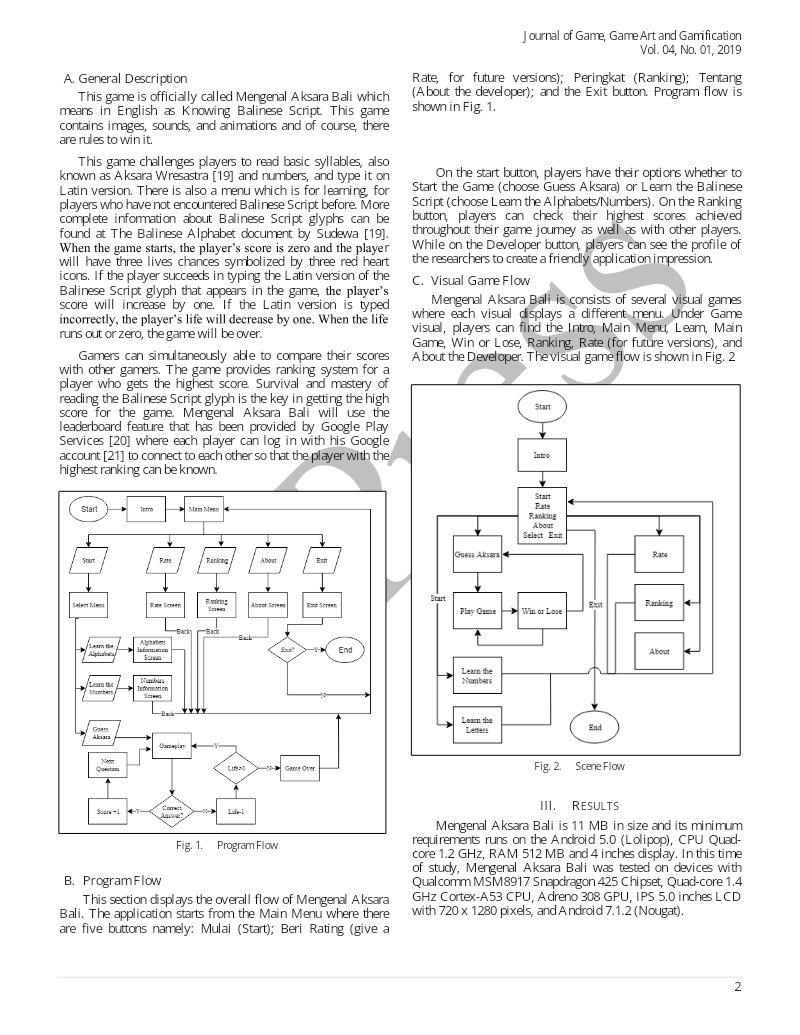
Mengenal Aksara Bali: Balinese Script Game Education Based on Mobile Application
STMIK STIKOM Indonesia · 2021
Whitepaper
Using Board Games as Anti-Corruption and Integrity Learning Media: Indonesia
Komisi Pemberantasan Korupsi · 2021
Whitepaper
Gamification Framework for Programming Course in Higher Education
Journal of Games, Game Art, and Gamification · 2021