1 free read left. Create a free account for unlimited reading + AI research.
Create free accountWhitepaper DiGRA
1 free read left. Create a free account for unlimited reading + AI research.
Create free accountWhitepaperDiGRA
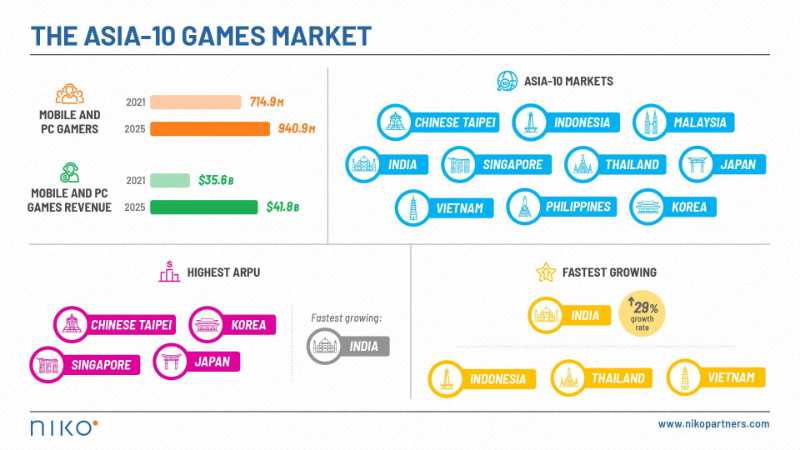
The proposal states that China leads globally in both gaming population and revenue. The female-oriented game market reportedly grew 124.1% year-on-year in 2024.
This proposal, written for the DiGRA 2025 conference, examines how AI-driven social features on gaming platforms shape the identities, sense of belonging, and inclusivity experienced by Chinese female gamers. It argues that existing gender and gaming research is concentrated in Western contexts, leaving the intersection of patriarchal norms, state-regulated platforms, and algorithmic design in China largely unexamined. The stated aim is to critically assess both the contributions and the limitations of AI-enabled matchmaking, adaptive non-player characters, and personalised recommendations in fostering virtual belonging, and to offer recommendations for gender-inclusive and culturally sensitive system design.
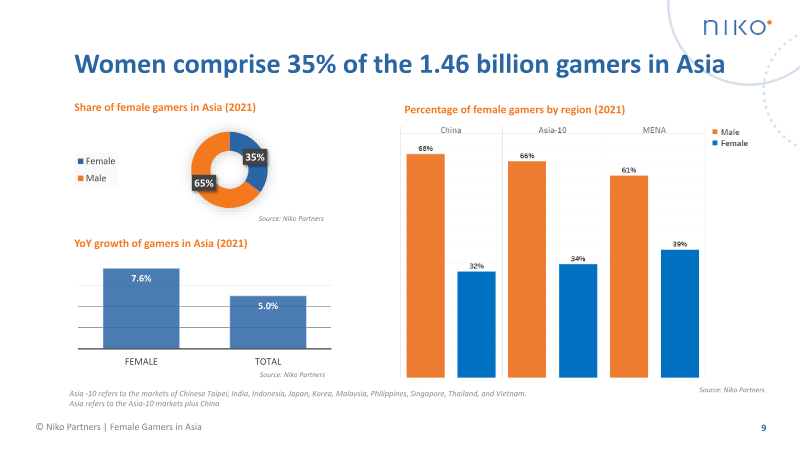
The motivation rests on several market and demographic observations. China leads globally in gaming population and revenue, and the growth rate of female gamers and their spending has reportedly outpaced that of men in recent years, with the female-oriented game market said to have grown 124.1% year-on-year in 2024. Yet female gamers continue to face stigma, harassment, and sexism, and are often framed as consumers of "pink" games rather than full participants in genres such as action-adventure and role-playing. The proposal positions AI as a double-edged factor, capable of supporting more personalised and inclusive experiences but also at risk of algorithmic bias when systems do not challenge prevailing cultural norms.
Methodologically, the study proposes a mixed-methods design combining a quantitative survey, qualitative content analysis of social media posts, and 20 to 30 semi-structured interviews with female gamers aged roughly 25 to 35 living in first- and second-tier Chinese cities, along with game developers. Analysis would follow thematic coding procedures, and the research is planned as a four-year project running from 2024 to 2028. The proposal also notes that a preliminary survey of 752 respondents in 2024 informed its sampling criteria, with most participants residing in tier-one or tier-two cities and about three-quarters reporting more than six hours of weekly gameplay.

DiGRA · 2026

DiGRA · 2026



DiGRA · 2026



DiGRA · 2026



DiGRA · 2026



DiGRA · 2026



DiGRA · 2026



DiGRA · 2026

DiGRA · 2026



DiGRA · 2026



DiGRA · 2026

DiGRA · 2026
DiGRA · 2024