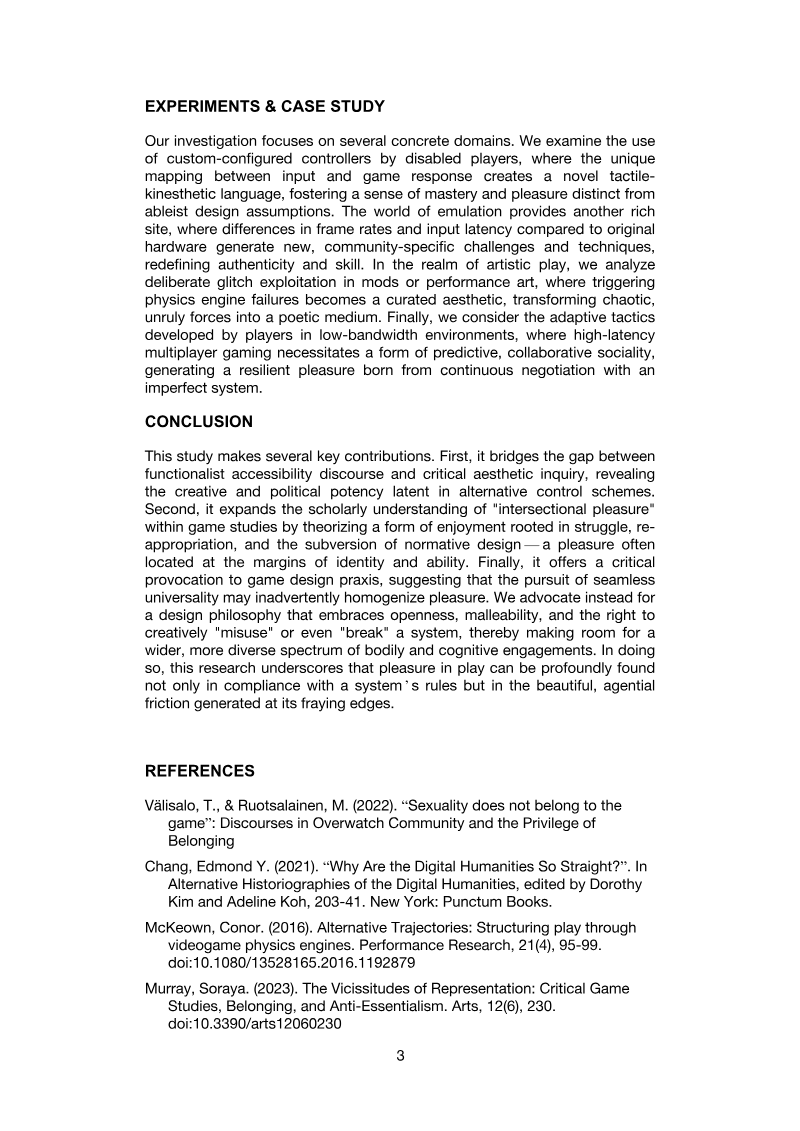
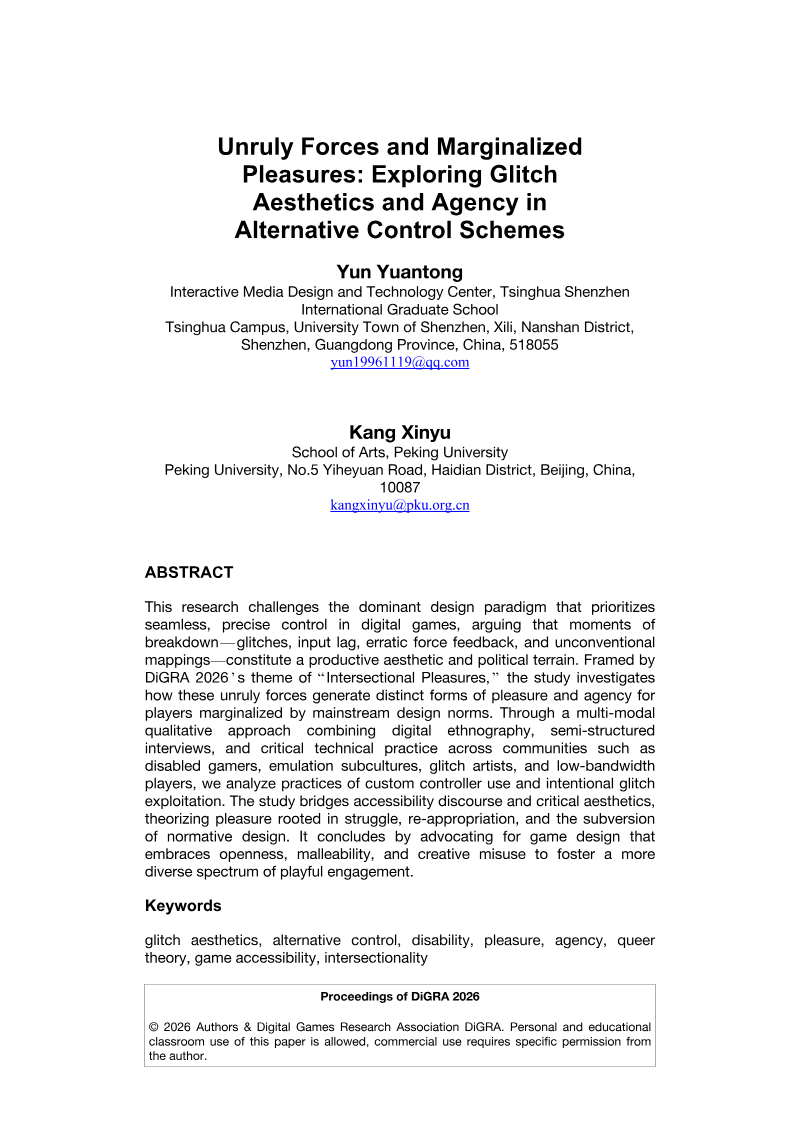
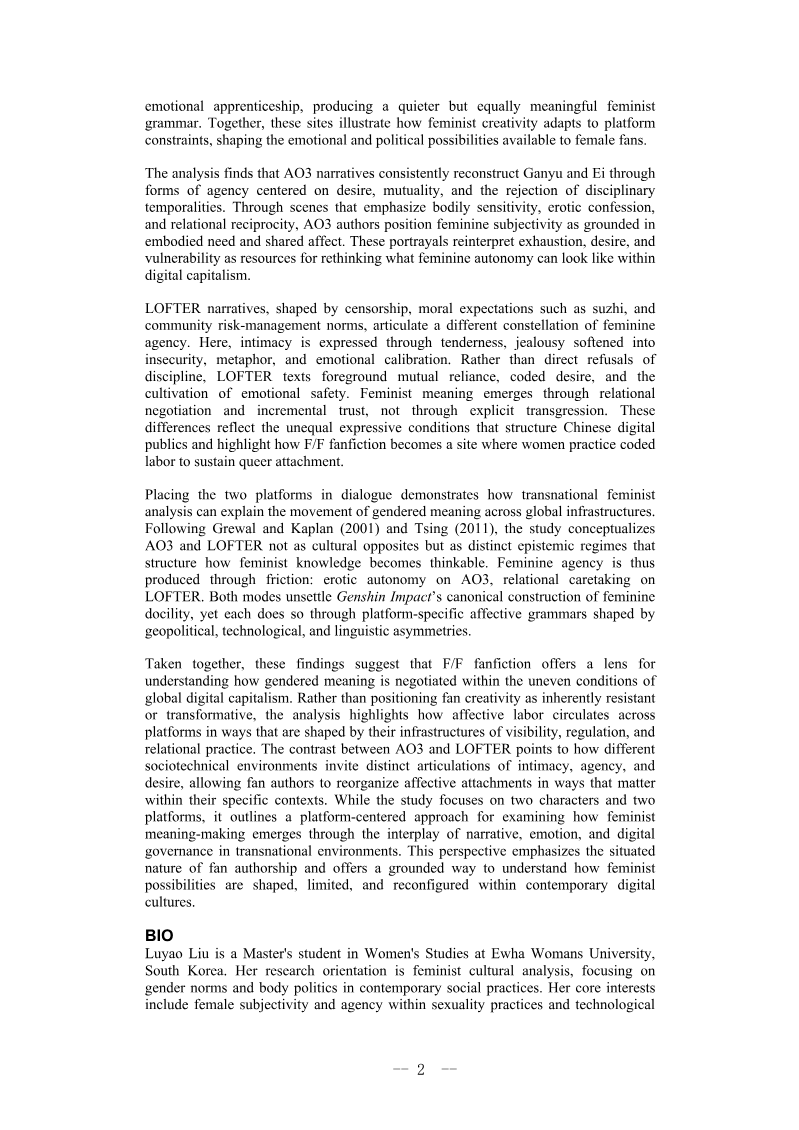
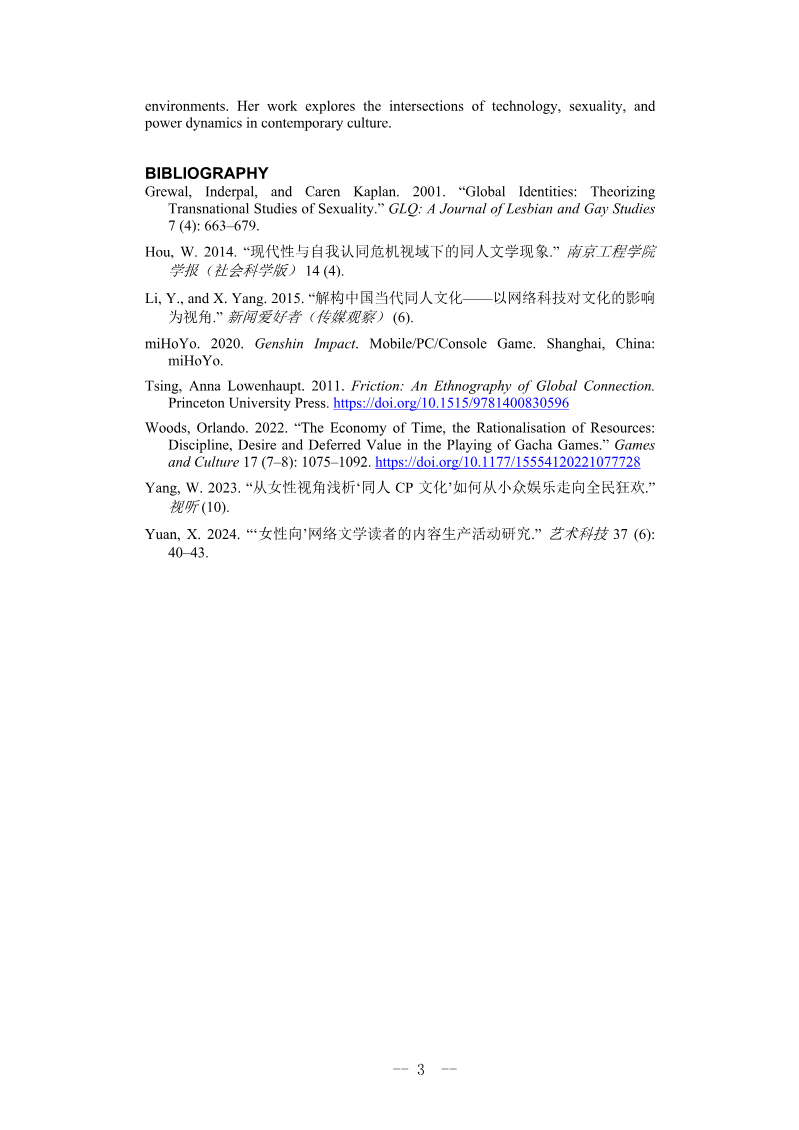
1 free read left. Create a free account for unlimited reading + AI research.
Create free accountWhitepaper DiGRA
1 free read left. Create a free account for unlimited reading + AI research.
Create free accountWhitepaperDiGRA
Their online interactions have received little scholarly attention.
This exploratory study examines how geopolitical tensions between India and Pakistan surface in cross-border social interactions within competitive multiplayer games, including Rust, Valorant, and Counter-Strike 2. Its central argument is that these games function both as sites where national and religious animosity is amplified and as potential channels for cross-cultural contact. The authors situate the work against the history of partition and recurring wars, and note that although players from both countries frequently share servers due to geographic proximity and similar ping rates, their online interactions have received little scholarly attention.
The study drew on semi-structured interviews with 23 male players aged 18 to 32 (11 Indian, 12 Pakistani; mean age 21.5), recruited through purposive and snowball sampling on Instagram, Facebook, and in-game servers between November 2024 and January 2025. Thematic analysis produced themes including patriotism and stereotypes, game and player variables affecting toxicity, external influences such as news coverage and social media, reactions to toxicity, the interplay of multiple identities, and games as tools for cross-cultural understanding. Players often identified each other's nationality through accent, word choice, ping disparities, and profile details. High-stakes matches, losing teams, younger players, and team compositions with a national minority were associated with more targeted and hostile exchanges, and national and religious identity was widely viewed as the most effective means of provoking opponents.
Participants also described cyclical patterns in which prior hostile encounters fueled future toxicity, while recognizing that not all players from either country behaved in this way. Shared regional and linguistic identities, such as Punjabi-speaking players across the border, sometimes produced more positive rapport. Views on whether games could ease tensions were mixed, though some participants believed sustained interaction could dissolve hostility and counter biased media narratives. The authors acknowledge limitations, including the all-male sample, the absence of socioeconomic and gaming-experience data, and data collection before the April 2025 Pahalgam attack. They conclude that developers should account for socio-political factors in matchmaking and community management.
Each row is a game or company this document names, each column a document, oldest first. A mark means that document names it. Select a row to see those documents.

DiGRA · 2026

DiGRA · 2026



DiGRA · 2026
Extra Credits · 2026