1 free read left. Create a free account for unlimited reading + AI research.
Create free accountWhitepaper DiGRA
1 free read left. Create a free account for unlimited reading + AI research.
Create free accountWhitepaperDiGRA
The study argues that the gacha system structures anticipation, scarcity, and emotional attachment as productive value.
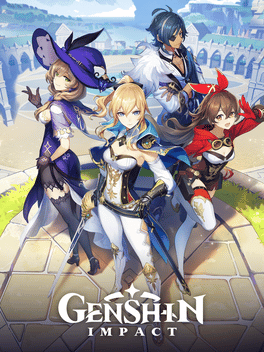
This study analyzes how female/female fanfiction writers on AO3 and LOFTER reinterpret the hyper-feminized characters of Genshin Impact within the affective economies of digital capitalism. It argues that the game's gacha system, which structures anticipation, scarcity, and emotional attachment as productive value, positions female characters such as Ganyu and Raiden Shogun as affective commodities, and that fan rewritings reorganize intimacy, care, and desire in ways that complicate the game's logic of docility and emotional service. The author frames this fanfiction as feminist affective labor that simultaneously negotiates the absorption of women's emotional investments into digital economies and generates relational value and agency.
The study addresses a gap in research on Chinese fandom and gendered gaming by examining how F/F fanfiction reconfigures female characters across distinct platform ecologies. Its methodology consists of close readings of sixteen F/F fanfictions centered on two pairings, Ganyu/Keqing and Ei/Yae Miko, selected for visibility, narrative completeness, and circulation within each platform's fandom. The comparison focuses on how writers redistribute emotional labor, reframe bodily vulnerability, reorganize intimacy, and construct queer desire in relation to each platform's expressive norms and governance structures.
The analysis finds that AO3 narratives emphasize desire, mutuality, and rejection of disciplinary temporalities, using explicit depictions of bodily sensitivity and erotic confession to ground feminine subjectivity in embodied need. LOFTER narratives, shaped by censorship and moral expectations such as suzhi, express agency through tenderness, softened jealousy, metaphor, and emotional calibration, achieving feminist meaning through relational negotiation rather than explicit transgression. The author characterizes the two platforms as distinct epistemic regimes rather than cultural opposites, with feminine agency produced through their friction.
Ultimately, the study concludes that F/F fanfiction offers a lens for understanding how gendered meaning is negotiated within uneven global digital capitalism. Rather than treating fan creativity as inherently resistant, it highlights how affective labor circulates across platforms shaped by infrastructures of visibility, regulation, and relational practice. The author acknowledges that the focus on two characters and two platforms limits generalization, but proposes a platform-centered approach for examining femin
Each row is a game or company this document names, each column a document, oldest first. A mark means that document names it. Select a row to see those documents.

DiGRA · 2026

DiGRA · 2026



DiGRA · 2026



DiGRA · 2026



DiGRA · 2026



DiGRA · 2026



DiGRA · 2026



DiGRA · 2026

DiGRA · 2026



DiGRA · 2026



DiGRA · 2026

DiGRA · 2026
DiGRA · 2026