1 free read left. Create a free account for unlimited reading + AI research.
Create free accountArticle Journal of Games Criticism
1 free read left. Create a free account for unlimited reading + AI research.
Create free accountArticleJournal of Games Criticism
Distilling the key insights…
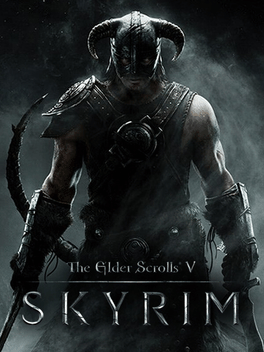
The Elder Scrolls V: Skyrim functions as a vehicle for racial essentialism and colonialist ideology, utilizing fantasy tropes to reinforce Eurocentric hierarchies. By coding the Orcish population as a monolithic, savage Other, the game’s design mirrors historical stereotypes often applied to Black and Indigenous peoples. This framework positions Orcs in direct opposition to the game’s White-coded, castle-building, and intellectually oriented factions, effectively relegating them to the periphery of the political and social landscape. Through these semiotic and mechanical choices, the game promotes a sanitized, apolitical view of history that frames colonial subjugation as an inevitable and virtuous process.
The game’s architecture, lore, and gameplay mechanics systematically exclude Orcs from the central narratives of nationalism and empire, reinforcing a structure of racialized marginalization. These design decisions reflect ingrained habits of Whiteness within the fantasy genre, where the Other is defined by hyper-masculinity and physical prowess rather than intellectual or political agency. This erasure of diverse cultural identities serves to maintain a rigid, Eurocentric worldview, compelling players to engage with a hyperreal environment that validates white supremacist ideals.
While the base game enforces these exclusionary narratives, the player community often responds through modding, which highlights the tension between the game’s rigid racial coding and player agency. Some modifications attempt to humanize Orcs by aligning them with Western beauty standards, while others lean into the game’s inherent bigotry to intensify racialized conflict. Ultimately, the representation of Orcs in Skyrim serves as a critical case study in how digital media can perpetuate ahistorical tropes, justifying the exclusion of non-White groups and maintaining systemic bias under the guise of fantasy world-building.
Each row is a game or company this document names, each column a document, oldest first. A mark means that document names it. Select a row to see those documents.
Journal of Games Criticism · 2026
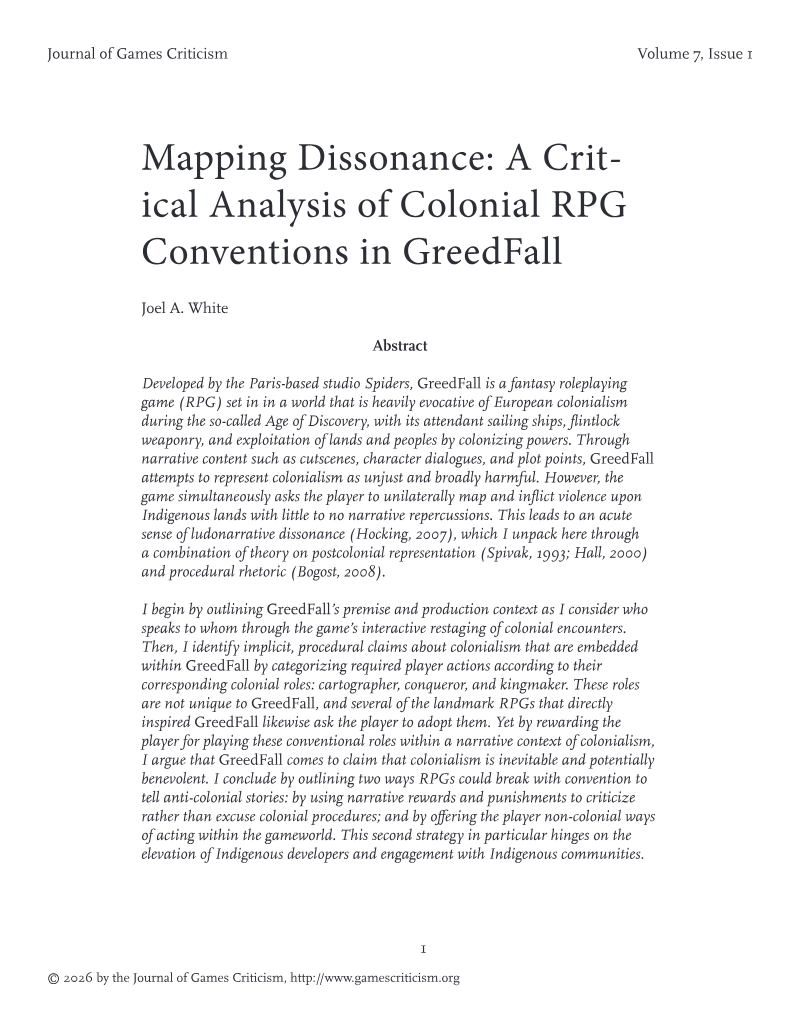
Journal of Games Criticism · 2026
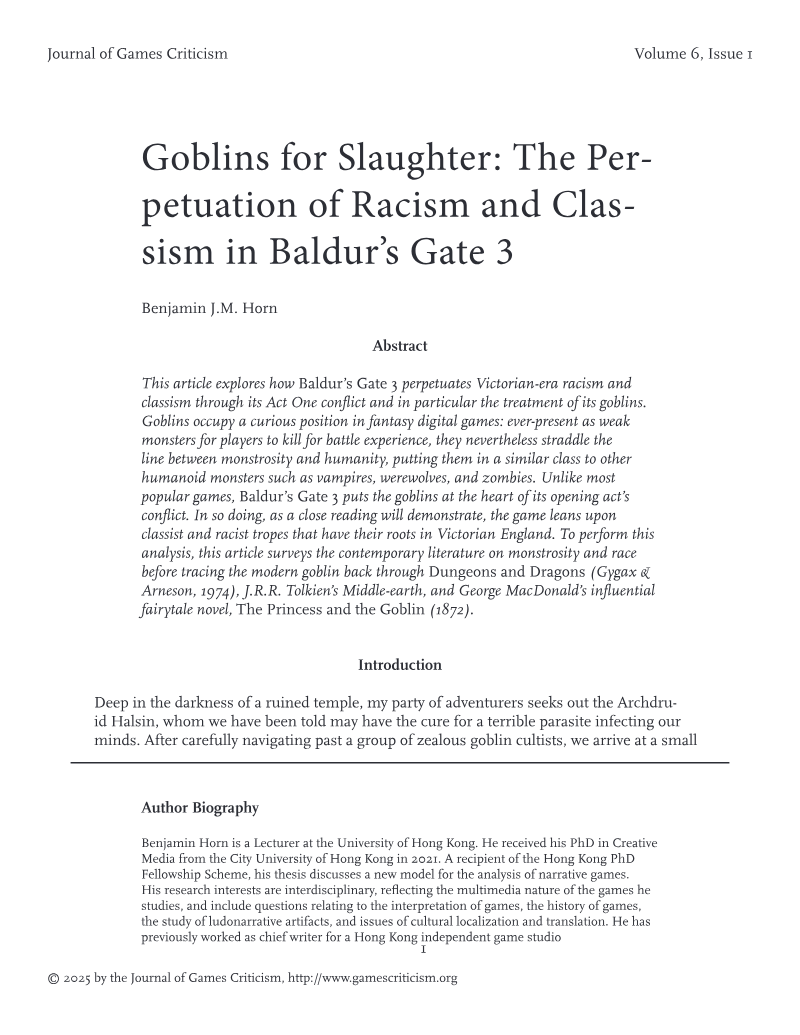
Journal of Games Criticism · 2025
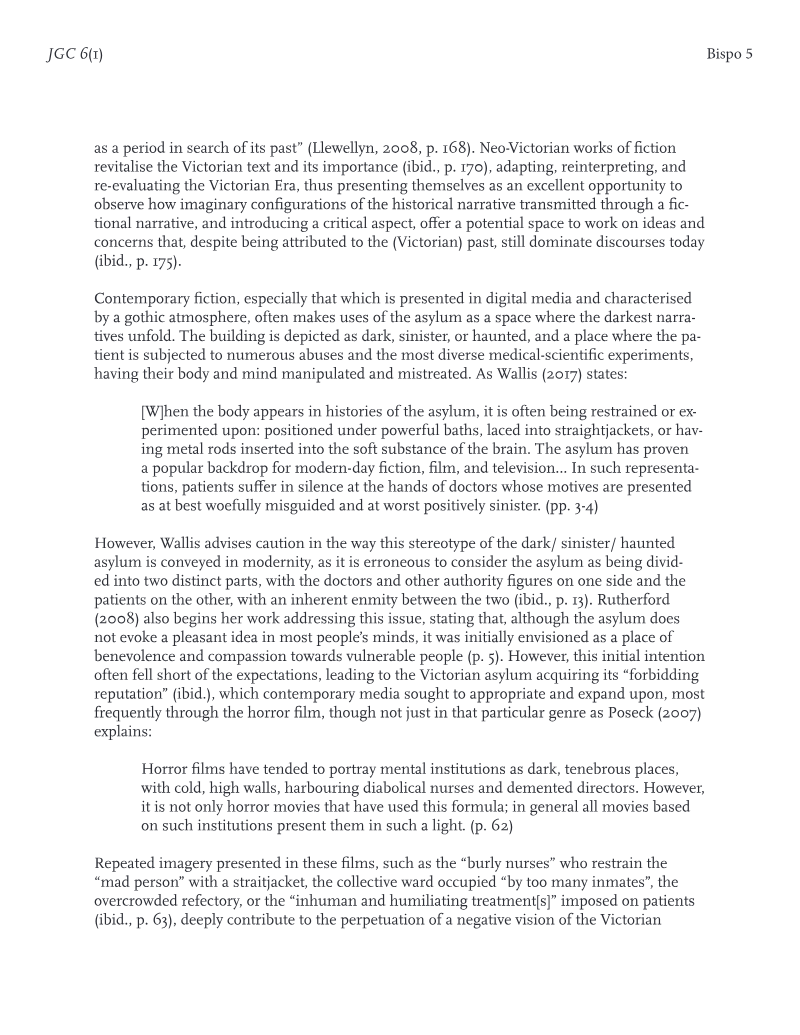
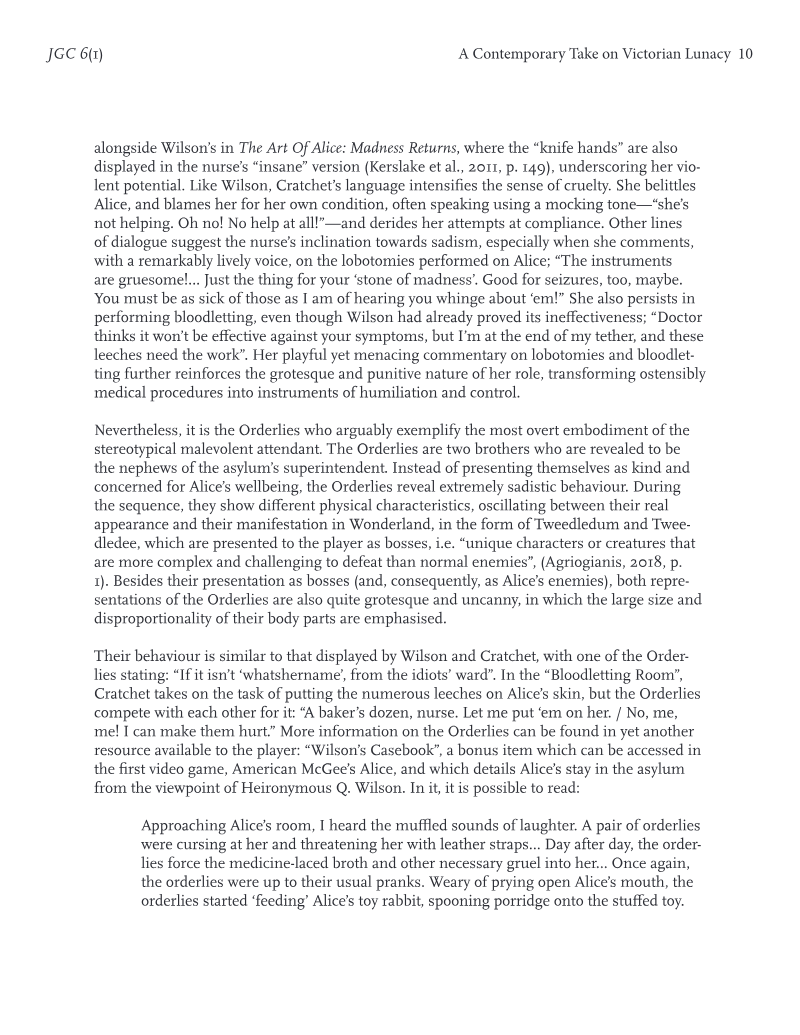
Journal of Games Criticism · 2025



Journal of Games Criticism · 2025



Journal of Games Criticism · 2025
Journal of Games Criticism · 2024
Journal of Games Criticism · 2024
Journal of Games Criticism · 2024
Journal of Games Criticism · 2024
Journal of Games Criticism · 2024
Journal of Games Criticism · 2024
Japanese Association for Role-Playing Game Studies (JARPS) · 2024