The Elder Scrolls V: Skyrim
3 documents in the library are about The Elder Scrolls V: Skyrim, from writers such as Dataspelsbranschen, Extra Credits and Game Developers Conference, the newest from 2020. Each has a summary and key insights with the page they come from.
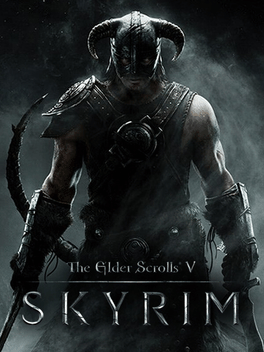
Skyrim reimagines and revolutionizes the open-world fantasy epic, bringing to life a complete virtual world open for you to explore any way you choose. Play any type of character you can imagine, and do whatever you want; the legendary freedom of choice, storytelling, and adventure of The Elder Scrolls is realized like never before.
- Released
- Nov 10, 2011
- Developer
- Bethesda Game Studios
- Publisher
- Bethesda Softworks
- Genres
- Role-playing (RPG), Adventure
- Platforms
- PlayStation 3, PC (Microsoft Windows), Xbox 360
- Links
- Wikipedia
Game data from IGDB.com
Documents about The Elder Scrolls V: Skyrim
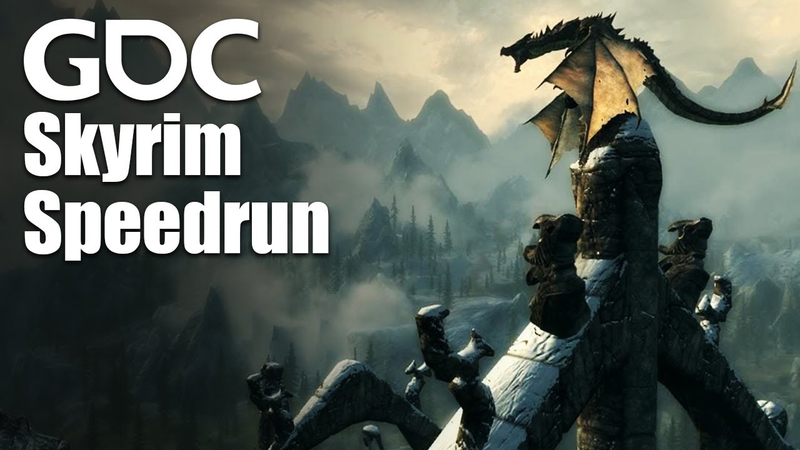
GDC Summer Dev Speedrun - Skyrim With Jonah Lobe
The development of The Elder Scrolls V: Skyrim represents a unique intersection between ambitious open-world design and the unintended technical exploits discovered by the speedrunning community.
- Bethesda’s reliance on system-driven gameplay created an environment where technical quirks like load warping and quick-save exploits—persistent since Fallout 3—enabled the speedrunning community to manipulate game states.
- The development of creatures like the Spriggan and Alduin required a pipeline spanning several months per asset, balancing artistic iteration with the technical requirements of performance optimization.
- The art department utilized ZBrush and Marmoset to prioritize a 'lived-in' aesthetic through high-resolution normal maps, focusing on realistic weight and foundational shapes rather than rigid technical metrics.
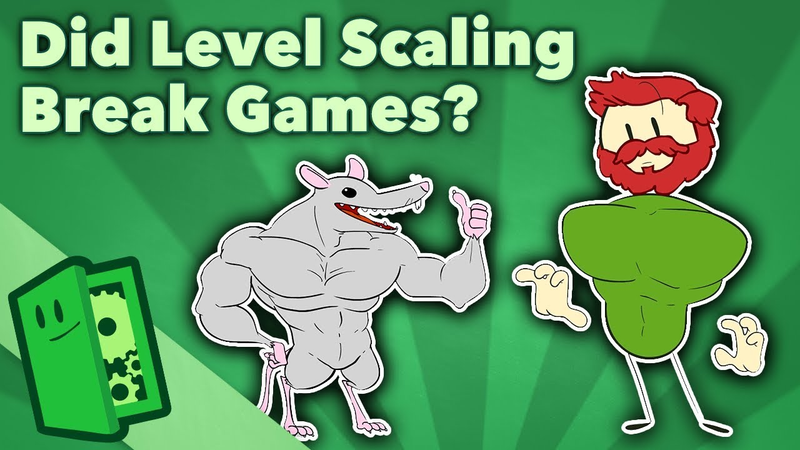
Did Level Scaling Break Games? - Leveling in Open World Design - Extra Credits
Level scaling in open-world RPGs serves as a mechanism to balance player freedom with consistent challenge, ensuring that users encounter appropriate difficulty regardless of their chosen path.
- Level scaling is intended to balance player freedom with consistent challenge, but blanket implementation often undermines the core RPG progression fantasy by making character growth feel static.
- Uniform scaling flattens the open-world experience, stripping away the sense of danger and mystery by ensuring enemies remain equally difficult regardless of the player's level.
- The Elder Scrolls IV: Oblivion serves as a primary case study for failed scaling, where the system penalized non-combat skill progression and created narrative dissonance by populating the world with low-level enemies wearing rare, high-value armor.
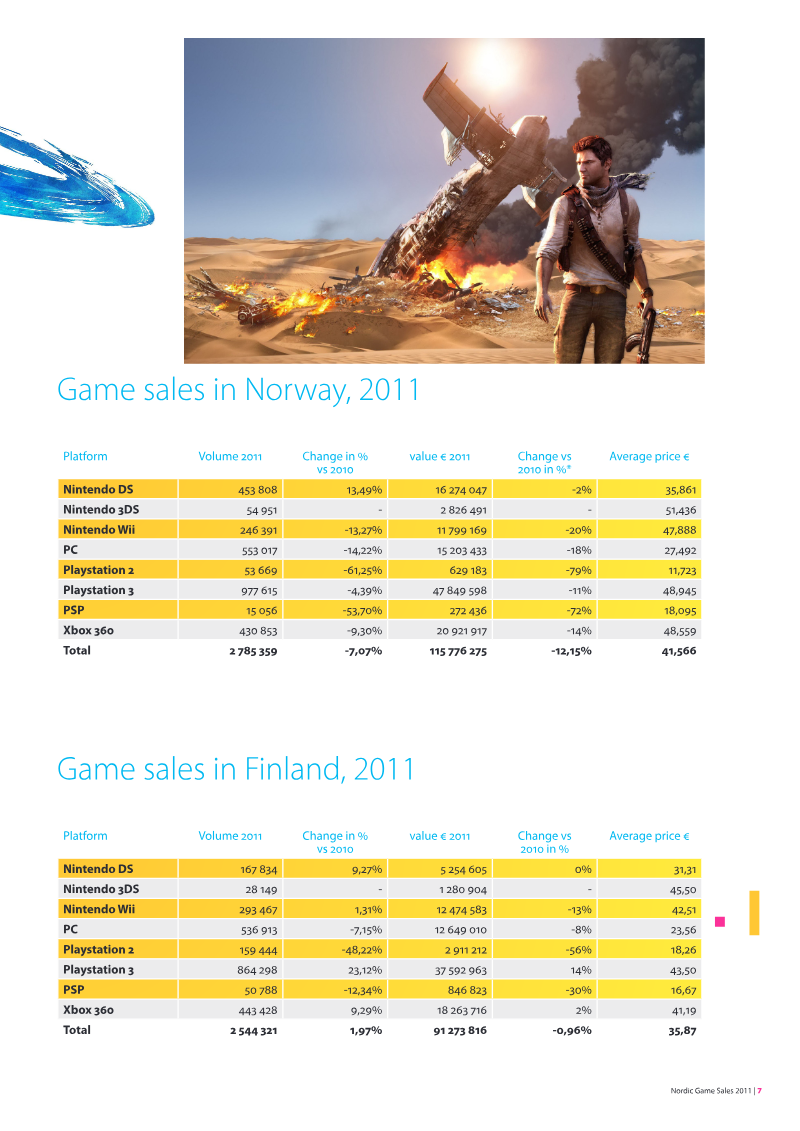
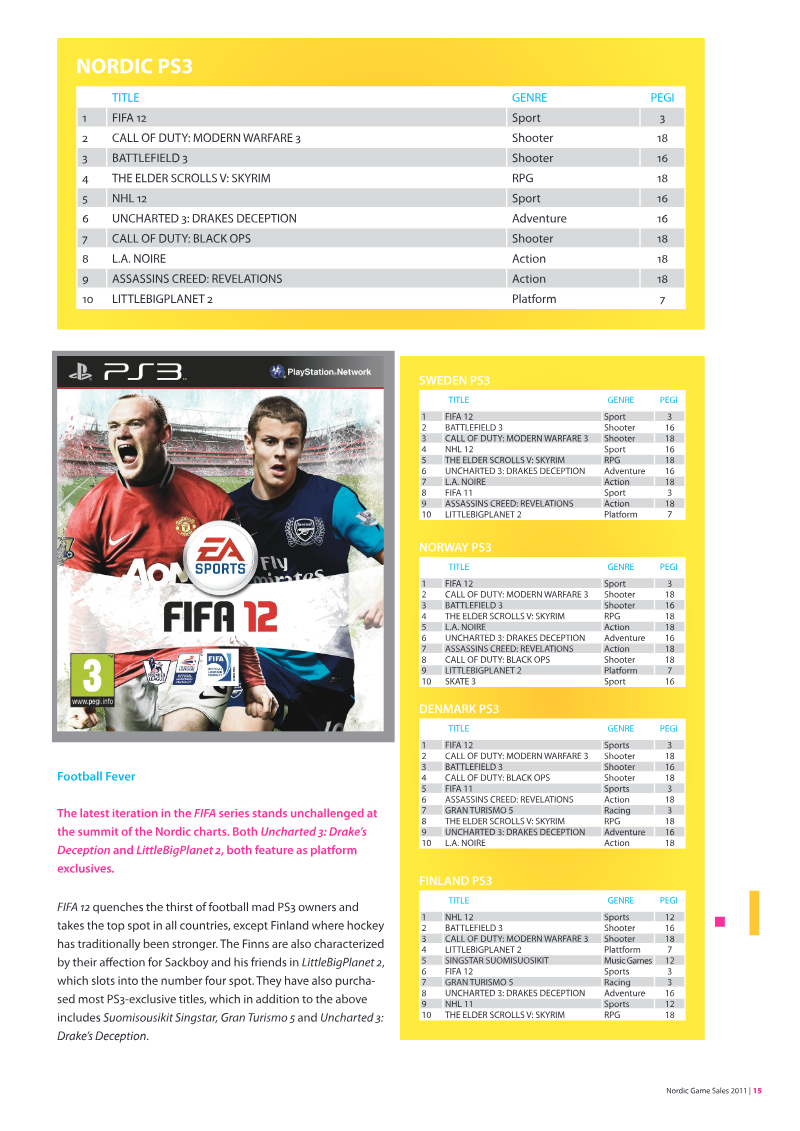

Nordic Game Sales: 2011
The Nordic gaming market in 2011 experienced a notable transition as physical sales volume and value declined in favor of an expanding digital distribution sector.
- The 2011 Nordic gaming market underwent a structural shift as physical retail sales declined in favor of an expanding digital distribution sector.
- High-definition consoles, specifically the PlayStation 3 and Xbox 360, remained the primary drivers of consumer engagement and physical media sales.
- Market demand was heavily concentrated on major blockbuster franchises, with Battlefield 3, Call of Duty: Modern Warfare 3, and The Elder Scrolls V: Skyrim emerging as the top-performing titles.