VideoDeconstructor of Fun
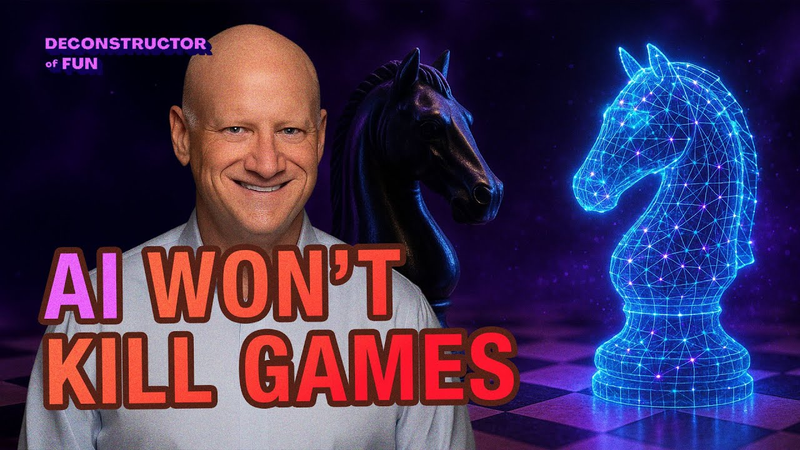
Pim De Witte on Turning Down $500 Million from OpenAI... Then Raising $134M.
31 Oct 202564 min video

Pim Deveta, OpenAI offered 500 million for your startup Metal TV. What made you walk away?
So can't comment obviously specifically on OpenAI or any of the negotiations with OpenAI. Uh with that said, broadly the reason why labs um why we why we chose not to uh join any of the uh Frontier Labs is because we originally thought that a lot of data was going to be valuable for building world models. Um, and by role models, what we mean is these generative models that can sort of predict frames based on actions that are getting input by the user. Um, and we then realized that two things. One, uh, I think the games industry was at a very real risk of sort of getting threatened by these types of systems and we wanted to keep games weird. So, we wanted to sort of build our own lab. Um, and the second is we realized that we were really the only place that had this amount of data in order to do this. So, we wanted to just take a jab at um representing the games industry, but building frontier systems from the games
industry as opposed to those that will try to replace them.
Okay. Not the answer I was hoping for, but I'll take it. So, so tell me about general intuition.
What were you hoping for last?
What was the answer?
Well, I was hoping for an insane scoop. It was an argument. U you fought and then you said, Sam, [ __ ] off. I'm gonna build a competitor. They're gonna take down your company. So,
yeah, I I'll leave those details to the imagination.
Yeah.
Okay. So, that could have happened, but because you can't comment, we don't know.
But, uh, let's talk about general intuition. So, last week it was in the news that you raised $134 million in seed funding to accelerate the development of spatially aware artificially intelligent agents. I feel dumb even reading this. My question is are you yet another AI founder with a goal of replacing game developers.
So first we try to build video games, right? And we also we also are our platform is a part of the games industry and so we have firsthand noticed the impact of things like Tik Tok and YouTube like eating away the attention going into games firsthand, right? And how hard it is to launch games nowadays. Um, and so for us, the things that get us excited is is building systems for game developers that let them ship more interesting games. So, sort of being part of the systems that game studios are building uh through like really really intelligent players and NPCs um and tooling as opposed to building systems that try to sort of replace the game engine or uh or developer or like coding agents and and replace developers or artists as a whole. Um, for us like I I I what I what I told my team uh coming in and and and the reason why I'm doing this personally is uh you know I've grown up on video games my whole life. I have Tourette's. I grew up basically games was sort of my my safe space. I wasn't really a uh like it was the place where I could just be myself and not
feel like I was at a disadvantage. And so my my personal motivation is I want to keep gaming weird. Like I think it's the one place on the internet where people can where like it isn't everything um uh you know big tech corporations feeding you you know very specific videos according to very specific algorithms. It's like the one last like creative weager place on the internet that that felt more like the forums that we were all hanging out on when we were kids. And I think that's what makes it so special. I do also think that there is a very real chance of of the industry being, you know, at risk of of being sort of swept up as collateral damage in this AI wave. And so we felt like we were one of the few companies that sort of had this data and this and the and the research capacity and and I think the energy to be able to pull something like this off. So we just went for it.
And what should game companies be afraid of?
Yeah, I think the biggest I think the biggest narrative in the industry right now is whether or not world models replace engines. And I think that's kind of besides the point. I think that's actually um I think people sort of look
at this as a true or false question whereas I think it's much more nuanced than this. Um I think it is likely that on a five-year horizon we see sort of traditional engine and game distributions be heavily impacted by um generative models period. uh and and over a 5-year period, I I think we very likely see sort of these deterministic pieces of the engine, you know, um uh especially the ones that don't need to necessarily have deterministic systems um like, you know, player dialogue and things like that. I think I think these these inevitably uh uh are affected. I think the big debate is whether or it's going to be modules of the engine that get that get replaced one by one. whether it's the whole engine as a whole um and then which parts of the engine and then where to invest versus where to uh like which engines do you use nowadays sort of you know considering those that information and so I think that's currently a lot of
the dialogue is on what's going to happen to the engine and then also what's going to happen to IP right like I think what's going to happen to uh is it even worth investing in tons of IP if if it just gets you know ripped off into video models super quickly um or uh or right and and and how um um and if it's so easy to create lots of IP, right? Like where where do you position as a games company developing this type of IP and how do you develop it? Do you develop it using these models or do you develop it outside of uh using these models? Um and so I think I think that's where you know so that that's I think from a technical perspective. I think also people are just like really scared because I think a lot of people don't understand um uh these models and also you know even even if you do understand I think a lot of people are just very worried about like what might happen to my job right and so I think um yeah that's that's that's that's the majority of of of of what I'm hearing. So my yeah my my hope today is that we can sort of
pick go into each of these one by one. You know I've worked in the games industry. I've built games. I've also now have had a few years to work on the frontier of AI. And so my hope today is that we sort of just dive really deep into each of these topics. Um what I told you before is I believe that the people that choose to go on these journeys are deserve to be subject to the highest degree of scrutiny, right? And so me go by going into the adventure, I deserve to be asked the tough questions that I should have answers for. Um and so you know, no limits, go deep. I'll tell you if I can't say something, but I think bre I'm excited to go really really deep on some of these pretty touchy topics.
Okay. I don't know if I can go too deep but let me ask you this question. So you talk about commod commoditized creativity essentially and if the creativity becomes commoditized so anybody can create similar things really really fast wouldn't that increase the value of an IP rather than decrease it because then if you have the Assassin's Creed and the Rainbow Six they're kind of on top of these commoditized versions of what you made.
I think it depends on where people transact. So if you if you as the IP holder also control the interface at which the transaction for that value happens then that is true. However, if the um if you are not in control of that interface then and you don't find sort of a way to uh to to to capture that value then I think um it is harder to measure. Now, that's not to say it's it's not true, right? Like, you know, I I don't know the precise math on this, but you know, it might be true that, you know, let's say uh Pokemon is not in a specific market and there's a bunch of counter counterfeit materials in that market. Um does that on a net basis increase or decrease the IP value of Pokemon? I don't know. Um because there's more people more people engaging with it. I think that's a question that um uh has to be answered like specifically related to derivative works coming out of um uh like coming out of models and like what like for instance
another another question is like uh is it a derivative work or is you know or or is it a new work sort of constructed from the principles of the model itself right um uh but I think you know I think everyone is pretty aligned that if the model spits out something that looks exactly like uh uh an existing IP key then therefore right anything produced upon that should be considered dive work so I think there's also like a big boundary and I think a lot of people will sort of go for art styles and that that sort of um that that can be sort of considered uh new works um and not try to sort of mimic the the old art styles
in the game of growth everyone is looking for that power up vibes is exactly that it's built by industry people so they actually get the challenges you're dealing with as a result, they become the fastest growing gamified rewards platform out there. And the results are kind of nuts. With their AI powered targeting, you're not just buying stalls, you're bringing in the right players. And now they've got this
new rorowass optimization engine, so your campaigns basically level up automatically. Vibes is built different. It's designed for growth, and I guess you could say it's powered by good vibes. Check out their DOF exclusive case studies by following the link in the description and go to vybs.co. That's vybs.co. Share your email and join the weightless list. Game devs, we know that great gameplay is what players love, but integrating metagame features like challenges, progression, rewards is crucial for retention and monetization. However, coding them is a tedious and timeconuming process. That's why top studios have turned to Hero. Hero provides a complete suite of battle tested metagame features that are quick to implement, letting you spend more time on the core gameplay experience.
Ready to ship fully featured engaging games? Check out hero today by clicking the link below. You mentioned world model several times and engine. So engine I think everybody understand that's unity that's epic two of the biggest one. But what do you mean by world models?
Yeah. So a video model predicts sort of the next frame based on sort of your prompt and a previous a previous frame usually. So um uh and so it sort of imagines the scenario and then it predicts subsequent frames based on uh the the frames that exist. And so um what world models are is instead of generating from the distribution of a single next frame, it generates from the distribution of all possible future outcomes in that environment depending on the action that you take. So therefore the next frame is generated on the fly as opposed to um sort of uh you
know in a video model you often get that the the next frame is the next most entertaining frame. Whereas in a video model, it actually or in a in a world model or or um a generative um um interactive video model is another another way of sort of referring to it is these frames are generated based on the actions that you take that based on that action then the environment changes and responds to those actions with observations in the environment. Um so it's it it has to the difference is that a world model has to deeply understand the dynamics between actions and observations whereas a world or a um sorry a world model has to understand these whereas a video model only has to be able to predict the next sort of likely subsequent frame based on the previous frames and the prompt
and you're building specifically world models.
So we are not so we are not building uh world models for public distribution. So we are we are focused on agents that
contain world models meaning that um the agent itself has that same spatial understanding of actions and observations in its environment but our goal is not to produce sort of video like generative video models that replace video games. Now um we we work on this line of research because it's interesting for agents to have uh uh environments to train in. But I suspect that we will instead sort of become customers of world modeling companies and of um game developers that have interesting environments um uh as that. So so the the team is is widely considered like top world modeling researchers. However, uh our whole bet is that we have so much of this spatial temporal reasoning represented in the data set that we can essentially skip um the stage of world modeling and produce these like super capable agents right away. So if you're if you're one of the state-of-the-art labs, what you have to do is you have to build these world models in order to um
uh uh so particularly you want to avoid having uh somebody have to crash a car in real life. So you want to simulate that happening, right? And you do that using for instance a world puddle. Um and um if you are a large company then then actually having a real person do that uh is like a really really high cost of data collection, right? like you never ever want those things to to even to even have to happen. So you simulate them. Um what we realized is that our data set sort of self- selects into specifically those type of moments, right? This is what you clip. Um and so uh our bet is that we can sort of collect all these different moments and turn them into cap into agents that are capable of specifically acting really really well in in those types of observations. So we say that we're working on general agents that are capable of um acting in environments that require deep spatial temporal reasoning
and what kind of talent can build these things. I know like before you jumped in
you were interviewing researchers. So so tell me the the type of a talent that is needed because you raised a lot of money assuming to hire this type of a talent.
The lines of research of world modeling and agents that have internal world models are just incredibly similar. So um uh you use the same data source you use uh you use um actions and observations as sort of the the main the main data source. And so whether uh and so you can sort of do that two ways. You can either model actions in sort of observations or frames out or you can model frames in actions out right and so if you model frames in actions out that's essentially an agent. If you model um actions in frames out then that's a world model right? So um and and another thing that's really really helpful and like why we actively explore this line of research is because it's incredibly important to visualize the latent representations of what your agent is capable of perceiving and understanding by actually using world modeling techniques. So um yeah so so
you'll hear us talk a bunch about world models and and about like this line of research, but our goal is not to produce um like public use world models. If we build them they are for sort of training our own uh internal agents. And is it hard to find this talent that can build the
these things?
Yeah, there there's there's maybe 50 to 100 people that like deeply understand this space in the world and I think like four of them are working for us and hopefully a lot more soon
and probably expensive to hire that talent. this is the frontier and so you have to you know like that's that's the league that you're playing in which is why you have to raise lots of capital you know also every researcher wants access to tons of compute and so you have to not only budget for right pay and equity you also have to budget for you know between 10 and $50 million in maybe GPU resources per year per researcher um and so
yeah so so and and that's like on the low end right like if you're if you're uh if you're in the stadia if you're in even like larger labs you may even get more that so we just have to very deliberate about um the compute that you
give access to. Um and so so I think that's why we have a small team. We're very sort of cognizant of the type of bets that we take. Um and uh yeah, so it's it's a it's really fun, right? Like you really get to push the frontier in a way that no one else has done. Um h but it is just a right. The only reason why we were able to take this bet is because we had such a valuable company, right? And so it's it's just that's also why it tends to be big companies that do these things and that's why the game industry has such a large issue getting started in it because the amount of capex required to pull this off means you be you have to be able to convince investors that you can win on the global stage not just in the gaming stage right and so that's what it took for us and I think so for us the the the excitement is that the fact that we are sort of like a homegrown gaming team uh in many ways the underdog I think against all the big labs but going up uh hopefully representing the the the home team as opposed to trying to go against it.
And did the fact that you had access to
almost unlimited amount of gaming clips, was that the one that was driving the valuation of the company?
Yeah. So, the data is really unique and then it's a team. Um, I think for for us, uh, there just aren't a lot of talent dense teams like this in the industry, period. Uh, like I said, there's like 50 to 100 people that really get this. We have we have a good chunk of those. And then um I think the other thing that was exciting is that the fact that right like metal is already profitable uh and it's you know despite sort of the the the PC games industry broadly not doing like great in the last few years right like we've we've grown consistently like 50% plus year-over-year um profitably and so um uh and so for us it's uh it was both a bet on the core business the data and the team. Can you talk about the strategic risk if you're not adopting or not even adopting if you're not integrating AI early enough into your processes and in your ways of of making
well in this case games.
So you have to believe that at this point the train's leaving the station. I don't think that there is a rational way of reasoning against AI progress at this point. I think you can be very, you know, you can be selective about where you want the progress to be and and and how you want to sort of act as an industry and as a society um on each of those axis, but I think it's inevitable that like trains leaving the station and and um and this is like a really big shift for people, right? Um it's like honestly this is the reason why I got so interested like I'm a programmer originally. For me, this was like what's my skill set like what's my value going to be, right? And so that was like a a big part of the my original exploration on the space. Um and so I think there's a huge risk in not acting early like the the the the really the the biggest cost is the opportunity cost because you need to start developing these muscles early on inside your company. And I think if you were a a talent working at any of these companies like the best thing to do is just to deeply start understanding
these systems and where they are applicable and where the limitations are and then also understanding where they are scaling so quickly right because it's really easy to like dismiss an AI system based on oh it can't do XYZ and then the next six months later it can right and so I think building a good understanding and then because that also helps you understand where to invest right Um and so like I I'll give you one example, right? So the reason why uh we're going after um general agents for environments that require deep spatial temporal reasoning is because um text is fundamentally a method that we invented as humans to describe what we had before which was like three-dimensional geometry and objects in our environment. Right? So so like by definition text came after, right? Um and so we then used text to basically explain um what we were observing in a way that required like less less bandwidth essentially, right? So we could communicate danger
and things like that uh very very quickly. And so text is a compression method and in that compression you lose a lot of information. You lose information related to what things look like. um uh uh you lose like what you were truly perceiving and you're basically generalizing to a word that as a society you've agreed to best describes that piece of information. Now that is a massively lossy information event, right? Um you know uh and so our bet is that it's really really hard to recover that from language models which is why we're focused on training in perception, right? And so the the bet for us is that because text has just had such a difficult time general generalizing to areas that have this sort of spatial temporal reasoning requirements. That's why like most agents nowadays still suck, right? Um is uh that's the best like the unique insight that really like under um that was underneath our sort of breakthroughs and models and and fundraising and and
being able to recruit people, right? So finding that um finding that high conviction area of of of what you believe and sort of focusing on that is is is is important. Um, and I think also getting really really good at prompting I think is just a must and building building the systems to uh like there's so many things that people don't like doing uh themselves. Uh, right? Like if you're a product manager and you're looking for a specific user issue, do you really want to go and browse manually through 50,000 tickets or do you just want to have sort of some form of really really smart agent that goes and pulls relevant information for you? Probably the latter, right? And so um I think you have to just look at like at the end of the day um if something can be done faster and better, it will be done faster and better. That's what
capitalism fundamentally is, right? So it doesn't work to like you know get in the way of that what more what helps more is just how do you shape that and like how do you you know become I think much more um uh effective and like interesting as a result of like these new systems being available right and I think that starts with like prompting um and and and like deeply understanding them. So would it be correct to say that in order for not to be replaced by AI, you have to learn how to use AI and be really good at it. That that that makes sense to be honest. And then when you learn how it's being used, where it's effective, where it's less effective, how it's evolving, you are constantly on the edge and and being able to be more productive. So in the end it's about better, cheaper, faster, right? Those those three things come together. And that's the uh that's that's when capitalism is winning.
The capitalism piece is is really important here because that's the system we live in, right? And so um at the end of the day, uh that's the incentive game, right? That the the train is leaving the station on AI progress, right? the we live, you know, at least for me and in in in a a largely capitalistic society, which means you have to assume that's kind of where the where the trends are going, right? And I think there's there's nuance discussions to be had about where you where you should and should not use AI systems, but but the default is in that direction, right? And I think that's sort of how to how to how to think about it.
How should we think about how games are being built in the future? So a fundamentally good part of game design is uh stoasticity and uh unexpected sort of introducing um uh variance into the game loop right so like in clash of in Clash Royale right the randomization of the deck I think this is one of the things that you've pointed out in one of
your uh articles before so like the the fact that um this these things in video games they already drive retention right so basically having to respond as a player to things that are that are unexpected in environment um is already a fundamental driver of retention in video games. And so I think LLMs and and and and um AI models in general are very very good at this type of behavior because they are not deterministic systems, right? So I think fundamentally investing in introducing more sort of variance and um unexpectedness within the narrative obviously still into the game loops was I think one of the first applications. Um uh and so um this might be that you just might have more objects in the environment that like behave unexpectedly where where I think um as games we're fundamentally we are fundamentally competing with Tik Tok and we are fundamentally competing with with with YouTube right and so um what you notice about these is they get better and the meta in these platforms shifts every year to like better editing styles and right like uh faster cuts between
scenes um and uh and you know like better thumbnail optimization and things like that. And I think as as what games is going to happen is it's going to it's going to trend more towards less deterministic game loops that introduce sort of more variance uh per loop. And by the way, those variants can be people, right? It can be like um uh multiplayer games, right? Like the uh the more recent horror games. Like I think it's all, you know, it's it's it's all it's all about this this this unexpectedness. Um and so um that's the main thing. uh in terms of how they're built, I think I I sort of categorize it in these ways. So, first I think LLMs are going to be superpowers for game engines, right? You already see with a lot of the newer engines that they are fundamentally accessible uh as tool calls to LM, right? You see Unity going this direction, Epic going this direction with Unreal. Um and so also these these LMS are also very much investing in having in having tool calls and internal representations with threedimensional structures, which is why they get so much better at
simulating video games every year, right? which is why you can go and you know generate a 3JS example environment of something that looks like pretty close to to a game. Um and so I suspect that the development cycles um both creating new games will become 10 times easier but then also the amount of slop introduced into new games that then needs to get cleaned up when they work is going to be much harder. So I still think that there is like a massive market for specialized great engineers who understand how optimizations work and engines work. If anything, that's going to explode, I think, because there's going to be so many people that are going to put out AI slop that's going to that's going to that's going to basically catch on because it's it's about the iteration speed through what people want, right? And I think yet the um so it's going to be great of kind of like having a bunch of these hit moments of of having published something that people want but then if you need to scale it into an actual business you need expert um uh you need experts uh
that that deeply understand from first principles how these systems work right and so I expect um LLMs to largely drive the experimentation of game loops versus like the full endto-end game of development then I think inside game development cycles themselves I think just you know if you know what you're doing LMS are a superpower, right? Um they uh there's a bit of issues with languages and engines that are less represented in public data sets, right? Um and so it might just not work for you as well in those, but I think if if your if your engine has uh lots of open source projects and um and documentation and like these LM tends to work really well. Um, and so for speed of development, you know, it's just it's going to speed up. And I think companies have to invest in native tool calls for their companies to uh, you know, that the LMS can call for document retrieval on like how to do specific things. I need to invest in things like rag, right? Um, where you basically have a central brain behind like how do we
write code at this company? It can also be through a set of shared prompts. Um but I think on on the on the development cycle um uh really uh you know it's going to be a massive accelerance on the 3D. So the most interesting part in my opinion is the 3D engine portion. So again this question of what do world models replace? Where does um uh where do traditional engines sit? How does that happen? So, a few things. Um, I think a lot of what makes games great is the fact that these engines are deterministic, right? So, the fact that you know that the opposing player has the exact same constraints. Like if you're playing Rocket League and and and your opponent might see um a different size car with like, you know, like even though you're trying to match like a similar um size box, right? Then um then that's unfair, right? So I think I think the determinism of video games especially in competitive is a feature
not a bug. And so um I think we first start seeing world models and generative media start getting explored in where single player storybased games is all about like maybe as a new genre like creative exploration of ideas um on the on world modeling versus engines. So I think first you have to accept that billions of dollars are getting poured into world models and that's like more than the entire industry in the games industry is investing into their engines right um so uh so this will happen this is not a should should not like this is happening and so um world models uh are however built for very different incentives so world models are built for um simulating initially from a single player perspective So from the observer i.e. humanoid robot um or a different type of embodiment a specific sim a specific situation that um needs to resemble the real world, right? And so
they're not that interested in simulating video games inside world models. It's really like because the whole point is getting access to hard to access environments in the real world, right? And so the the likelihood of engines themselves sort of um in the near term like them focused on being able to reproduce really good video games with inside world models I think you know is and then also solving for the distribution aspect of it because you have to stream these frames which is more expensive then you have to figure out the economics right um the uh the cycle that we've built where you sort of, you know, package a build, distribute it, have people pay for it. Um, Steam subsidizes bandwidth, you can make it free, right? Um, all these systems, they've been built and they exist for a very good reason. Um, so I think world models end up existing and and accelerating uh but not necessarily in the direction of the games industry to start with. Now
however fundamentally what these things are doing is they are essentially compressing representations of space through the frames and time. So the temporal like the sequences of those frames into a set of actions right which is kind of like a weird thing to imagine. They're essentially super compressors of of of spatial temporal information and geometry and dynamics, right? And so what this means is that most likely a lot of the things that we're doing deterministically inside game engines is just bloat, right? Um they can likely be compressed to a like higher order set of generations uh that don't need doesn't need to be deterministic. Like if you're simulating wind or something like that, right? you might you might you might just get get a better performance if you if you actually have it generated by something like diffusion um or um you know or a war model. So um so is it going to is it on like a direct
collision path? Are we going to see these like you know Elon claims AI generated games by the end of the year that are like workable ends in the architecture of a world model which is what I just described unlikely. I think in the architecture of being able to quickly iterate through really interesting games with LMS more more interesting but that's still going to be tied into the distribution channels that we as a games industry have already built right and so however long term because it is fundamentally that compression mechanism and so at the end of the day you're not going to need a lot of the engine anymore I think as a result of the fact that these things are just hyper compressors of information so I think right long term um the likelihood and that's why I say five years right the likelihood of these sequences just being streamed and then your actions being streamed back and then responding I think is just the most likely outcome because having a gigabyte or 10 gigabytes of downloading space when this can be compressed to the actions that you're taking is just not viable, right? Because the games industry has a barrier to access problem. We have a barrier to access
problem compared to Tik Tok. We have a barrier to access problem compared to like Roblox even, right? Because people can just switch between different games. And so I think the world modeling architectures and the truths that are underneath are fundamentally solves to the issues of the games industry. So I think short-term collision path no long term it's there is there is a integration path and and we should be taking it very very seriously. Um, and so I think long-term games do get built like this, right? Uh, and in the short term, I think so short term bet really really heavily on LM and their ability to generate like better spatial world um, uh, environments and representations thereof. Bet on like your current multiplayer stack, right? Your current networking, all these things. And then in the very long term, right, become experts at what world models are, what they do. Maybe try swapping some of your engine models with some generative modules and become really really good at understanding where that bridge is and then when it's going to be possible to truly generate something inside a world model. Um maybe one final comment, multiplayer inside world models is still
largely unsolved. There have been a few papers that kind of explore it um where you sort of pair actions and observations from multiple perspectives, but really really um any form of multiplayer interactions inside of these models is is just not there, right? Um and the scaling laws are completely unclear, right? And and and um and so I I think you know that is not going to replace uh especially multiplayer video games anytime soon.
In the game of growth, everyone is looking for that power up. Vibes is exactly that. It's built by industry people so they actually get the challenges you're dealing with. As a result, they become the fastest growing gamified rewards platform out there. And the results are kind of nuts. With their AI powered targeting, you're not just buying stalls, you're bringing in the right players. And now they've got this new rorowass optimization engine, so your campaigns basically level up automatically. Vibes is built different. It's designed for growth, and I guess
you could say it's powered by good vibes. Check out their DOF exclusive case studies by following the link in the description and go to vybs.co. That's v ybs.co. Share your email and join the weightless list. So if I would describe it, it goes from a scripted system that we essentially have now towards generative system where we're heading with an LLMs towards an agentic system with world models. Right.
I think that's right. And in the and and in the in in the meantime, you see gradually little bits and pieces getting replaced where there's the most incentive to replace it. I.e. super bloated uh textures that can that should be rendered by small models on the fly with the same quality because it's just compressing, right?
What is the role of a of a let's say a game designer as we see it with AI? How would that actually look like? Is it a
code design or co-play or fully autonomous world? Like what does it look like?
So I love this question because game design is fundamentally I think the highest level of human intelligence. It's basically um it is fundamentally something that like you have to not only be great at reasoning for is this enjoyable for me but like how do other humans perceive this particular design elements and and so um the ability to design worlds and design environments is almost like a a a like meta cognition test for like uh for like in AGI system, right? And so, um, because if you can design, right, for instance, and a lot of, and to be clear, a lot of the the labs are focused on this, and the reason why they're focused on this is because if you can design a great game for a human, you can design a great test for an agent, right? Um, the same way that we design games to have
humans achieve very specific objectives inside those games. you want to be able to train agents to be able to have very specific behaviors. For example, you um using reinforcement learning or reinforcement fine-tuning on these base models, right? Which is why there's such a large increase in spend behind um RL environments right now, right? So, so, so this, so these things like this is kind of hitting at the um, uh, the most interesting I think frontier of so so research is going in this direction and that means I think game design game designers can can generally expect a lot of tools uh, in order to make game design easier because especially through LMS because they are so focused on this for their broader AGI goals, right? And so um uh that said, it also means that it is very much like coding uh a a a um a direct focus for a lot of labs, right? And so um that that means that you have to learn how to use
these tools in order to design even better games, right? More um but I think a lot of game design um is LM tend to be great at spitting out a lot of complexity. A lot of a lot of game design is about finding the most simplest expressions and wise of the different loops and then building around those, right? And so I think as humans, we're really really good at taking lots of information and reducing it to only the things that are absolutely necessary for the game to work, right? And to ship the the v1 of it to you want these systems, right? Um and then you sort of hypothesize through different versions of that. LMS are not capable currently of of of of having that level of reasoning around sequencing of rolling out of different experiments, gameplay loops. Um, and so I think a lot of the uh jobs of game design is going to be taking all this ideation from LLMs and just reducing it to an even more powerful set of primitives, right? Um, uh, and also because it is now going to
be slightly easier in order to produce these systems, I think we can take bets that we couldn't take before. also introducing things like LMS into the environment um uh right where you might have to manipulate certain NPCs to get certain things right um or where you might have to um uh uh like what we're doing right is is is beat a an object or or or a player that's like at a top human level right um in order to get something just changes how you design in general right and so our goal is to sort of move the act of game designing to the level where you actually have sort of human level intelligence to sprinkle throughout the environment such that you can take fundamentally new bets that you cannot take today. Um, as for how it's going to change, um, I think it's going to be much simpler to take bets on experimentation of ideas as a game designer without needing to rely on tons of engineers. Right? So if you're trying
to validate a a game idea or a loop, uh maybe run some Facebook ads, right? Like try, you know, what are mechanics or sticky and things like that. I think that just becomes 10 times easier. And so I think but I think the act of game design fundamentally is going to be the most important job at any of these companies and it's going to extend to both designing for agents, models, and humans.
So game designers would be more like world creators rather than what
Yeah. World creators. Exactly. Exactly. Exactly.
Okay. And would you argue that games are the best simulation layer for developing general intelligence?
Are the best simulation layer for developing general intelligence? Um, no. Text is also great. Text is great, right? Because like for instance, uh there's not a lot of math represented in video games. There's not a lot of like knowledge of right. So, so, so humans, right? We had this, you know, we had games before we had language, right? And
so is it the most is it an important piece? Yes. Is it in order to surpass sort of human knowledge the most critical piece? Um like it doesn't necessarily have to be yes because you need the combination of two, right? need text because we invented text which then led to the invention of many types of sciences that we wouldn't have been able to get without having that common layer of understanding. Um but are games where humans go to really like exert their intelligence at the highest level? Absolutely. Right. So um so and is it the best representation of like spatial temporal reasoning which then is again an unlock for deeper text workflows? Yes. Um like look take for example um uh AlphaFold which uh Demis has won a Nobel Prize for and and and and I think a few other participants and uh DeepMind and and I think a lot of that inspiration came from a game called Fold it where amateur biologists essentially learned how to um uh fold proteins right and so
uh and these weren't expert biologists they were just sort of you know uh responding to what made sense for that particular environment and so Um and so games I think what they have the tendency to do is they merge all the modalities that exist that agents might so they they merge text right because there might be text elements on the screen. They merge um geometry and sort of spatial representations of objects and then they merge the actions that you take as a human in relation to that. And then what they also do is um uh like for instance let's say that you're training off a video on the internet. Um, in order to learn from a human in that environment, you also have to understand what information that human had access to when they made that decision. Right? So, um, so let's say you were, let's say you look through, you have to know what is in their view uh to understand whether it was even possible to pick up that cup. Right? And so this is why we we say
like in we train in perception because like when you play video games you have a full sort of view of the information available when a decision is made. And if you are you know doing a YouTube video holding up your phone and then you're trying to learn from like a person picking up a can in the distance uh that is a very very different set of primitives to learn from right because it's not in perception. You have to sort of estimate what information was available that then was going to lead to that next action. And so games are the perfect merge. I would say they're the p the perfect merge of all the modalities which is why we focus on creating these foundation models um um uh with games because then you can sort of extend out into going deeper into text. You can go extend out into right maybe more complex scientific problems that include spatial temporal reasoning and text like what the deep mind team did with alphaole right um and so that's the dream. The dream the dream is a general agent for environments that require deep spatial temporal reasoning and that then
develops with all the other modalities that that we've invented as humans to create general intelligence.
I'd like to say I understood more than half of it but that that would be lying. But let me let me let me ask you this a very simple question. What type of a studio do you have to be to be really good at adopting AI into your different process? Can you be an existing studio with existing process? you've been doing games for 25 years or 10 years or 15 years or is a company that is sort of a what you call an AI native at an advantage?
Yeah. Um pros and cons, right? Like EA for instance uh they have built up this massive mode of like tons of like you know I think they built a they bought a company focused on like volutric data collection right uh where you have like really really good uh environment uh data on on on real world physical 3D environments um and so it's completely situational to uh to where you're at
like you you just have you have different modes um I think that, you know, in general, are you better off um starting a codebase from scratch using AI? I would say probably not because AI's aren't like LMS aren't that great yet at like generating great code bases from scratch that like other people want to work in, right? So, actually having these like guardrails of like how your codebase works and sort of having this like it's almost like labeling, right, of like what it's almost like preference labeling essentially. Um, so I think I I don't think the advantage is that big. Where it is larger is if you're in maybe like a really old engine that LMS don't have great representations of, like if you have a closed source engine um or if you um because then you the the speed up will sort of not be there as much, right? Because the amount of correct code that it will generate will be wrong um uh a lot more times. Um and so
in addition to so I think it is definitely a question of like what is the engine stack that you invest in I am of the belief that I think open source will see like a large acceleration like also Unreal Engine for instance has a bunch of their codees openly available so I think it will benefit them too um but the more open these these engines are I think the faster they'll accelerate because um uh you the more intelligence could sort of be let loose on them right and then you have a number of human curators that are saying this is good and this is bad. Um and so um I I think it's definitely time to evaluate your stack and whether you're sort of ready for this wave of innovation, but at the same time doesn't mean you have to throw everything out and start over. No, I do think that, you know, if you're sort of in the late stages of the game and is your game more likely to succeed if you introduce like novel elements that include these like more stocastic or like nondeterministic systems, then I would also say yes. Right. Um, and you know, uh, if you are at risk of not
being able to ship your game and you need to generate, you know, a bunch of art to make your deadline or something like that, then like, you know, also the answer is like probably yes, right? I think um, uh, you know, obviously if if if the art you generate is like unique and doesn't look like other things. So, um, it's completely situational. I think it's it's about it's about who is using the tools, not about the tools themselves. um and whether you are tastefully using them and I and and but I don't I can't think of a single example where sort of it would be a net negative in order to just like go all in on using them very aggressively.
That's a that's a very positive thing to hear cuz like often times we get to hear that the reason why you're not succeeding or not gaining the full effect of AI tools is because you're not AI native. But what you're essentially saying is that the studios that have built their process are actually at an advantage if they adopt AI tools and basically supercharge their existing capabilities.
Yeah. Yeah. It's uh the beauty of these
tools is they are truly general tools meaning that the likelihood of you being able to find use cases across different systems to that are spe that are unique to you or high. Um so I I yeah I I think common narrative here might be you know restart a native I think you know that's also I think obviously what people want uh others to to hear or maybe it makes them sound better because they are AI native but the reality is like the best studios like the best studios that I've seen they just use both right they use the best of both worlds use the best of AI tooling then they use the best of like deterministic you engines like they built on world giants in terms of the simulation stacks the multiplayer abilities that have already been built. They use cloud deployments, right? And so, um, yeah, I I think it is about finding what works for you, the the type of game they're trying to create, story you're trying to tell, the people it's for, and then just finding where where it applies.
Often times when we work with with bunch of different companies, like one of the key questions from the CEOs is usually
around AI and what other companies are doing, what kind of process, what kind of tools they're they're using. And personally, I haven't seen any kind of a secret sauce. And the question has been more about anxiety that somebody is beating you with some secret sauce that you just haven't figured out. My question is like, is there such a secret sauce? Are some companies just that much better in integrating AI tools or everybody who is welcoming AI tools on the same level at the moment?
Um, no. I think there's definitely tiers. Um there's also tiers of you know labs that care deeply about the games industry and you know are making sure that tooling includes like lots of engines right I think uh you know they're pretty public about this but like deep mind has made massive investments into different types of simulation engines for example and so the the the sort of engine nativeness and simulation nativeness of the different labs and the taste they have
when it comes to the tooling they develop and therefore I the capabilities and how well they work inside of um video games and different engines. There is a you know massive spectrum, right? I think um I would argue the Gemini models are are likely the best and I think we'll will continue to be the best for this. Um when you're looking on the LLM side, um I know Elon is making like a large push with XAI in this direction. Um I don't know the specifics of where OpenAI is at at the moment with this type of stuff. Um but um uh yeah I think uh there you know there there's there's a massive difference in even skill and um approach between all all the big labs and I think you know there there's the reason why they feel similar I think is because we not every task requires um the sort of expert knowledge of each of models. also come out. So it might seem
that they're similar, but if you actually push it to the max in like actually generating like physics accurate simulations or like things like that, you do start noticing the difference. Um also if tool calls for like specific applications, you do start noticing the difference. And so I think um you have to find where the limitations are for the types of models that you're trying to use. And then the other thing is you have to just get really good at prompting because prompting is really a way for you to access the parts of the model, right, that were specifically designed or trained uh uh with the data that that sort of you want the representations to be generated from in a way, right? So like you might sit in like a more general part of the model with very basic prompts but like with very very specific specialized prompts you know for specific engines or workflows you might unlock like a very specific set of activations that just work beautifully for what you're trying to do. And the magic of that is prompting. So you just I think prompting is truly the skill to develop on like how to unlock um the the
generations that that that that are going to move the needle for you. and then probably also per model learning how to prompt because it's quite specific for each model given that they're also designed differently. This podcast is brought to you by Appsflyer. In today's digital world, understanding your app's journey from discovery to download is more than just insightful. It's essential. Enter Appslier, the leader in mobile attribution and marketing analytics that allows you to measure the full potential of your marketing efforts, making every ad dollar work smarter. With Apps Fllier, that's your new reality. Dive deep into datadriven insights that reveal exactly where your users come from and how they'll interact with your app. Appslier, where your app's potential meets performance. Attention app and game developers. Are you ready to unlock the secrets behind the world's
top performing apps and games? With Sensor Tower, you get the ultimate competitive edge, whether it's breaking into new markets, fine-tuning your UA strategies or boosting monetization. Dive into data like never before. Track global trends across app stores. Analyze market leading inapp purchase and inapp ad strategies. and benchmark your performance with realtime insight. The best part, Sensor Tower doesn't just deliver data, it helps you turn it into action with intuitive tools and expert analysis. It's everything you need to make smarter, faster decisions. Thousands of app and game studios, from indie creators to global giants, trust Sensor Tower to help them win. So why not you? Start your free trial today. at sensortowwer.com that is sensortowwer.com.
If we zoom out from AI labs and into a broader let's say broader economy um most of the market has been driven pretty much by AI now the growth of the market especially the growth of GDP of the US and it feels like there's a little bit of a paradox uh if this all ends well in in short span of time we're not talking about a decade or 5 years but let's say in in a couple of years then there's going to be a lot unemployed people because the AI models are working just how we expect them to work. And on the other hand, if the AI models prove to be not quite what the investment size have been and the returns are not quite there or if there's a let's say a shock that comes to the uh the AI system, you know, there's only one chip company in the world and that exists on a specific island for example. If there's some kind of a shock that that makes it that the these values are not realized, then we will see uh sort of a crash of the
market. So it feels like in both scenarios it's not good for the general economy or am I totally wrong here?
I think about this a lot and so I I have two views in it. So the first is I have like a gaming specific view which I'll start with and then I have like a broader view. So first off I think that um gaming tends to trend like as people get more productive right I think they uh they also tend to have more free time. So I think for the games industry I actually think we'll see sort of player liquidity and things like that start to increase as a result of this and therefore jobs and also the amount of games we can build um go up. I also think that like for instance the amount of AI slop that's generated from these LMS that needs to get cleaned up. I don't think anybody actually understands the magnitude of this yet right and so I think where there is like jobs lost on one side I think they are created in the other. you might have less like experimentation engineers but more just like deep engine work, right? And so um
and so I think so so that's one. So I think it's it's more of initially I think we're going to see more of a shift from one side to the other. And I think the games industry in general um uh you know we'll assuming we adapt and and and we win out against like the Tik Toks and the the the algorithm algorithmic consumption side I think the industry will do really well. I think we're actually like one of the big winners of this whole shift. Um, as for uh globally, so a few things. One, so this is just going to also push more people into games. And I think what Roblox and these types of games are showing is that you can also uh like economies also then exist within games. So I think you're going to see uh the types of jobs that people have also change a lot, right? Like when I was playing Runescape growing up, there was a massive, you know, market for people producing uh gold that it obviously wasn't entirely legal. Uh but at the same time, these jobs existed, right? And so I think you start seeing as we start seeing more people sort of shift a lot of their time into uh gaming environments, we also see for the industry I think we start seeing
new types of uh jobs come up. Um as for um uh uh like the impacts on the economy in the world and for people outside of games itself. So I think judgment is still out. uh but I will uh uh obviously recognize that like there is a uh initial signal towards the fact that it is leading to less junior people getting hired etc. Um but I think at the moment the the sort of five 10 year judgment is still out on whether or not uh we end up seeing more companies get created as you more smaller companies get created and as a result actually having a net positive impact on employment I think like the way the internet itself did like this is my broadly I think you know as humans we've been outsourcing decisions for a very long time right um and I think actually even before AI the internet was like the first part of it like you have stock systems that decide you know which trades to make. you have um uh right like a lot a lot of these things that used to be human jobs they
they they now we we evolve and they became they became system jobs and I think this is obviously a progression of that a rapid general progression of that but I think judgment is still out whether or not this is a net positive or a net negative on the long term on the short term I think the areas that are definitely affected are um is less likely for junior people to get hired because it's easier for senior people to hire um uh and manage these like agents than it is to train up employees. And that's something we have to fix. I think it is um and and and and I don't think like there's clear answers for this. I I think as a society, we're going to have to just figure out how to deal with this. And I I and um at the same time though, right, that again we live in a in a in a in a capitalistic system, which means these things they are progressing in this direction, right? And so um I think a lot I think that a lot of opportunities that that we need to start existing for
these people is to like make starting companies like 10 times cheaper 10 times easier right these people are now going to have access you know if they can afford it obviously and for a lot of people they don't have that privilege but um if they can afford to start a company they now have right great engineers the cost of nothing so that opens up a new opportunity um they can create games at like a much lower cost at like a global internet still dispersion that's that's obviously um a big shift and then also I think it's has to be recognized that AI also has a massive deflationary force right a lot of building companies on the internet and making money is by making things that are available to rich people available to everyone this is kind of like like look at Uber right everyone's private driver right um a lot of internet companies basically are the jobs that rich people previously had that they had people do for them and so AI is the same thing right if you can walk into to a regional hospital and get the medical advice of a top doctor because this doctor has access to great AI systems and that's fundamentally great, right? And we should encourage
that. Um, so same thing for science, right? You're starting to see the early signs of this that we're starting to maybe make rapid scientific progress on the back of these uh, you know, uh, uh, generations of these models. And so fundamentally, you have to believe and I believe that this is a net positive for society while also recognizing that it really, really, really sucks if you're currently coming out of college. I think for me personally, if anybody wants to talk about this, I'm, you know, you can email me. Um, I think, you know, I'm, you know, I got very, very lucky that I'm like 5 to 10 years past this, you know, into into the workforce. like um I think the you know there's no I don't think there's like clear answers for for these people and I think we have to find them. I hope that um that that games uh and making games and like again keeping games weird sort of offers a place where these people can go to also you know forget about that for a bit and I think that's what great a thing that makes gaming great is that everybody kind of doesn't necessarily talk about those things all the time um but there will be
very real consequences and um yeah and and and they have to be accounted for I don't think but I don't think I don't agree with you that they're all bad I think they're actually more likely to be good. Um but the chance of them bad is is exists and and we have to figure out how we take care of the younger generations in in the countries we live in because that's like the entire uh society like depends on that right
I mean you don't want to be well off if the majority is poorly off that usually ends poorly with the with the few who are well off we've seen that throughout the history
the the cost of like goods coming down is also I think a real like if that we have to watch that as a trend I think if that doesn't if the cost of goods does not come down and employment goes down, it's it's it's an even worse outcome. Whereas if the if the cost of goods like medical care and things like that also goes down, then we have time as a society, I think, to find solutions and adapt.
Yeah. Well, it's a it's a huge change
that is um ahead of us. And as with any change that comes radically and and changes the whole society, it's a it's a risk. So I I try to kind of raise that point. But on the uh on the long term, of course, we all agree that there's a lot lot of positive that comes through as you said through the uh deflationary force and giving access to people to resources that they could only dream about before. So Pim, much appreciated for you joining the podcast. I know you're super busy. Uh you probably won't have time to answer emails from college students because you're busy hiring researchers around the world.
I will. I will. I will.
Yeah.
So all right. So, if you're a student and you're worried about your future, email PIM. It's it's super super exciting what you're doing and you're clearly incredibly intelligent and and really thought about this in in great detail. So, looking forward to seeing the models and the uh the tools that your company will be building and and releasing in the near future.
Thank you for having me
and thank you everybody for listening.
We're out.
You did it. You made it to the end of the episode. As a fan of the show, it would help us out if you'd subscribe and leave us a review on the podcast service of your choice. Those stars and likes, while a small action on your part, mean a lot to us and help to grow the show. More importantly, are you a member of the Deconstructor of Fund Slack group? If you have 5 years or more of games industry experience, go to deconstructorofund.com/slack and apply to join. Join the games industry best professional community filled with peers always willing to lend a hand or subscribe to our newsletter to get all the latest insights from the Deconstructor of Fun content creators. Thanks for listening. [Music]
Auto-generated captions from YouTube — names and numbers may be misheard.
General Intuition maintains its creative independence by prioritizing the development of spatially aware AI agents over acquisition, securing $134 million in funding to advance research into world models. This strategic focus centers on the belief that games serve as the optimal training ground for general intelligence, as they synthesize text, geometry, and complex decision-making into a measurable environment. By leveraging these unique data assets, the firm aims to provide developers with sophisticated tooling for NPCs and simulation tasks, rather than attempting to replace human creators or traditional game engines.
The industry is currently transitioning toward world models that function as spatial-temporal compressors, which are expected to eventually replace deterministic engine components. While current generative models struggle with the spatial reasoning required for complex environments, the long-term trajectory points toward streaming generative models that bypass traditional distribution barriers. This shift requires significant capital investment in GPU resources and specialized talent, underscoring the necessity for studios to integrate AI early to remain competitive in an evolving landscape.
Ultimately, AI acts as a deflationary force that democratizes game development and lowers barriers to entry for new creators. While this technological evolution introduces risks regarding junior hiring and workforce displacement, it simultaneously promises to accelerate development cycles and introduce non-deterministic variance into gameplay. Success in this new era depends on a developer’s ability to master specialized prompting and integrate AI into existing engine stacks to augment productivity. By balancing these powerful new tools with human-driven IP, the industry is positioned to foster new job categories and expand in-game economies, viewing the broader societal impact of these productivity gains as a net positive.

Deconstructor of Fun · 2026

Deconstructor of Fun · 2026

Deconstructor of Fun · 2026

Deconstructor of Fun · 2026

Deconstructor of Fun · 2026

Deconstructor of Fun · 2026

Deconstructor of Fun · 2026

Deconstructor of Fun · 2026

Deconstructor of Fun · 2026

Deconstructor of Fun · 2026

Deconstructor of Fun · 2026

Deconstructor of Fun · 2026

Naavik · 2026

The Game Business · 2026

Deconstructor of Fun · 2026

Deconstructor of Fun · 2026

The Game Business · 2026

Naavik · 2026

Deconstructor of Fun · 2026

Naavik · 2026

The Game Business · 2026

The Game Business · 2025

Deconstructor of Fun · 2025
Deconstructor of Fun · 2025
Comments