1 free read left. Create a free account for unlimited reading + AI research.
Create free accountArticle Journal of Games Criticism
1 free read left. Create a free account for unlimited reading + AI research.
Create free accountArticleJournal of Games Criticism
Distilling the key insights…
Console controllers function as critical ergonomic branding mechanisms that prioritize tactile stability over the industry’s frequent rhetoric of technological revolution. Rather than pursuing radical interface shifts, manufacturers maintain consistent physical designs across hardware generations to cultivate a deep, embodied brand loyalty. This design constancy serves as a counter-force to progressivist narratives, positioning the controller as a stable, iconic signifier of corporate identity that relies on the player’s established tactile literacy.
By focusing on the nuances of weight, texture, and button placement, companies foster a haptic epistemology that bridges the gap between human sensory processing and machine-generated data. This approach effectively creates a haptic icon, where the player’s repeated, physical interaction with a specific interface language cements a long-term bond with the brand. Attempts to introduce alternative, more immersive interfaces often falter because they demand a difficult process of tactile re-education, proving that the current state of controller design is a negotiated compromise between corporate marketing strategies and the player’s ingrained physical habits.
Ultimately, the standardization of these devices reinforces normative and hegemonic gamer identities through a commercially driven interface. By analyzing the controller as a stable, material object rather than a site of inevitable technological progress, it becomes clear that these devices physically shape the relationship between human bodies and corporate ecosystems. This analysis highlights how the industry utilizes the player’s grasp to maintain market dominance, ensuring that the tactile experience remains a primary, unchanging anchor in an otherwise volatile and rapidly evolving global gaming landscape.
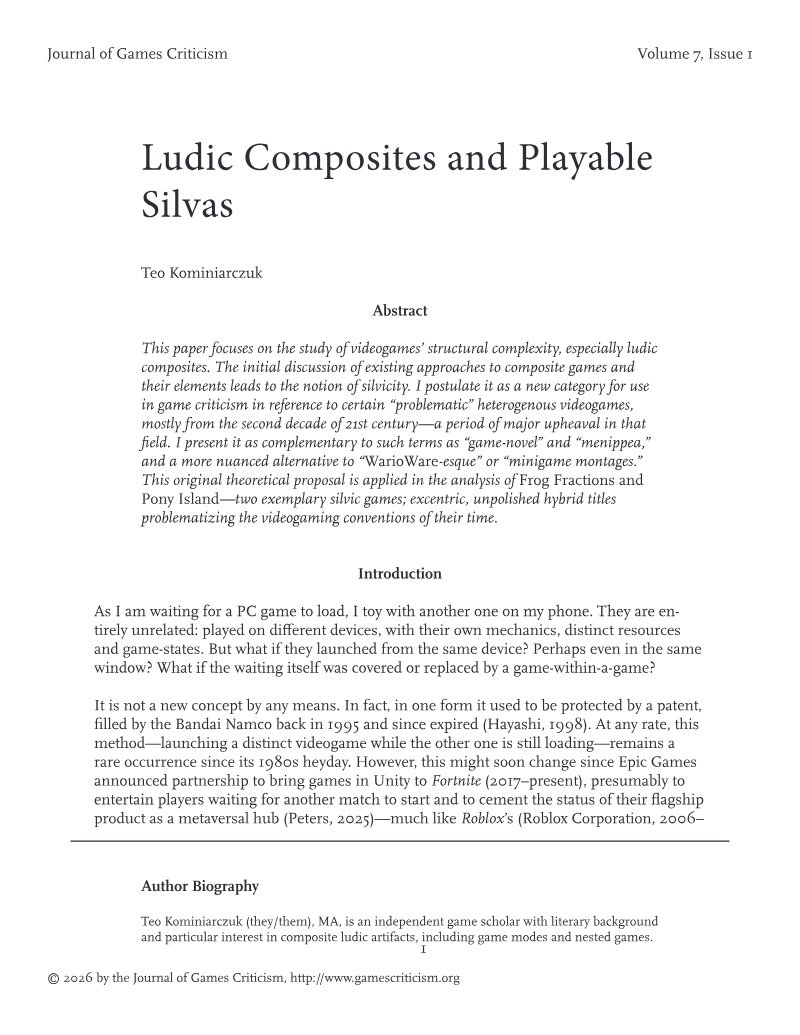
Journal of Games Criticism · 2026
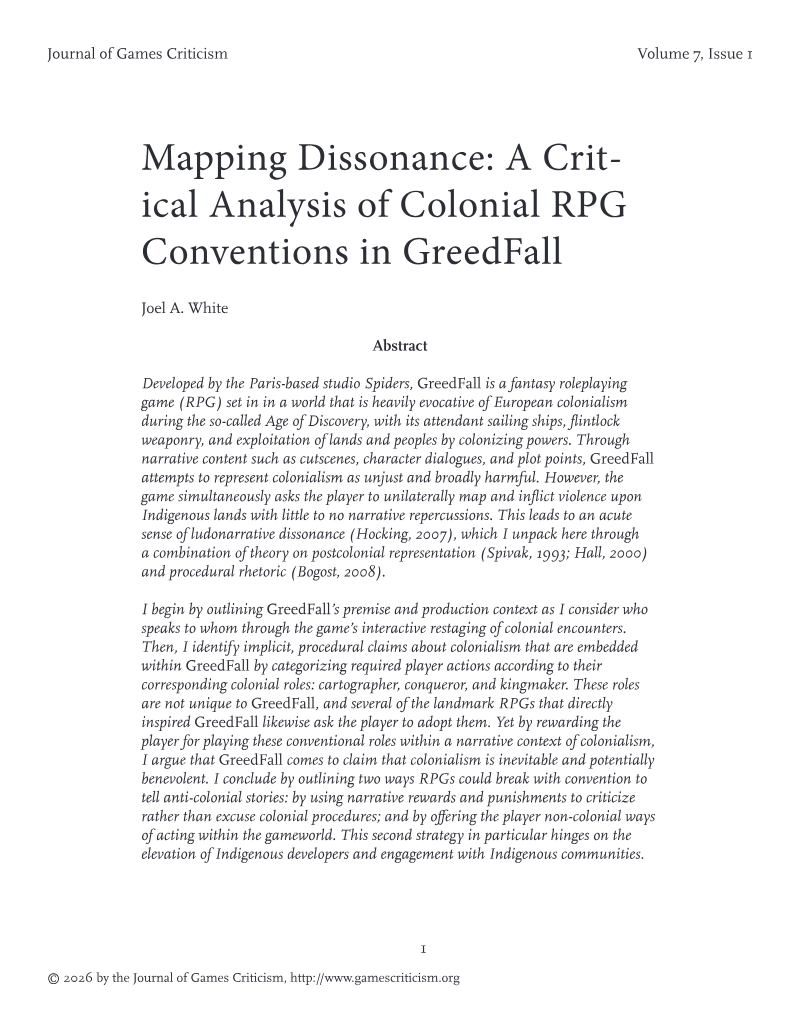
Journal of Games Criticism · 2026
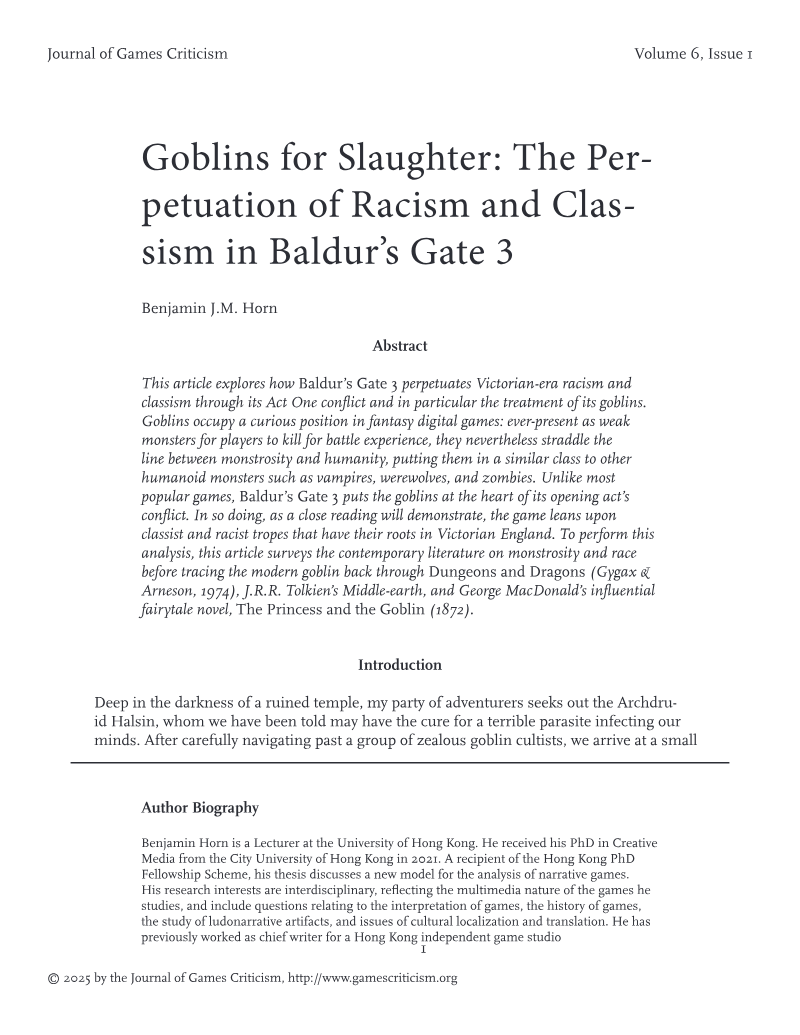
Journal of Games Criticism · 2025
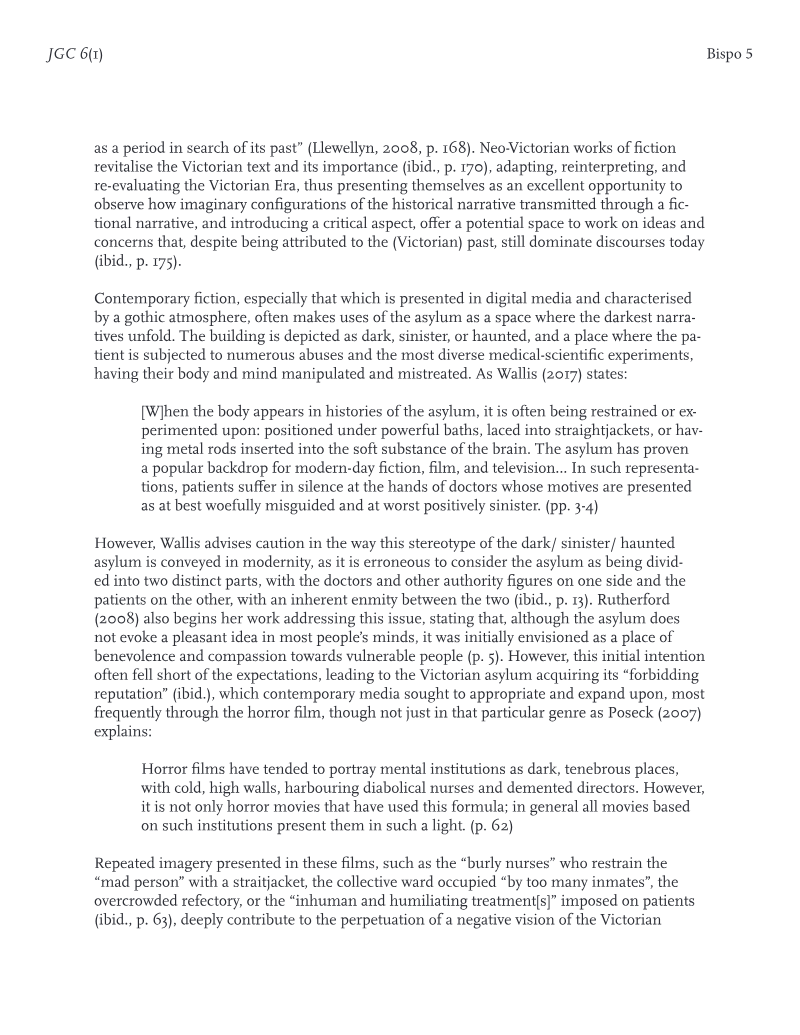
Journal of Games Criticism · 2025
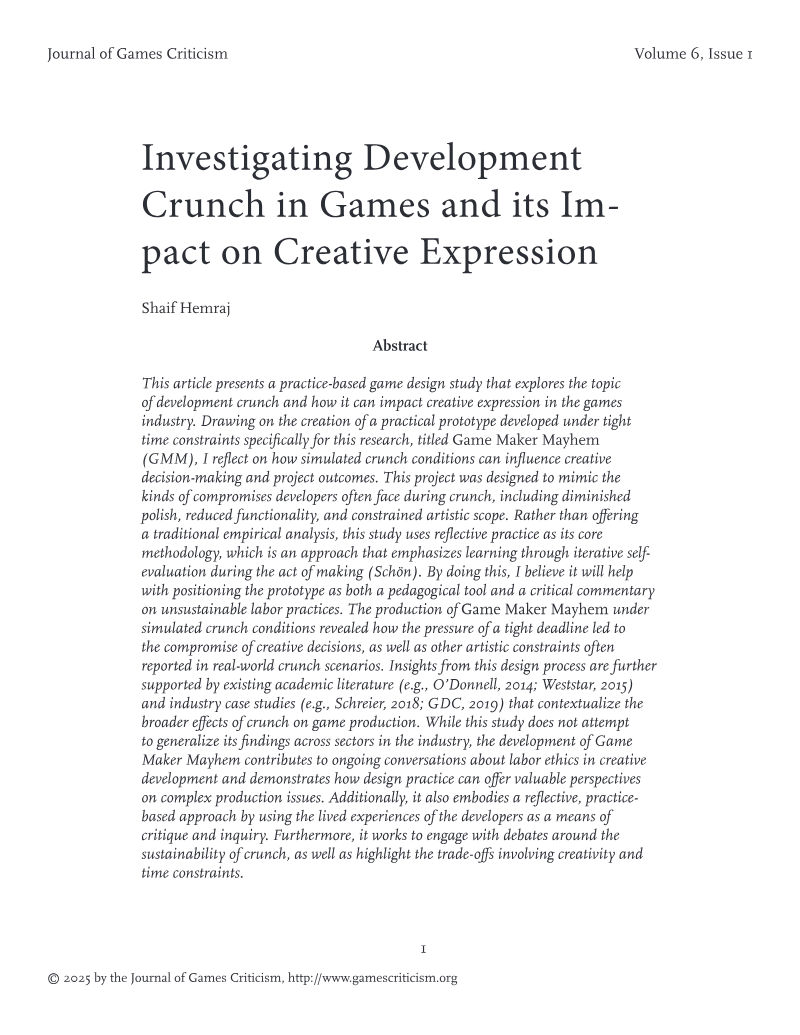
Journal of Games Criticism · 2025
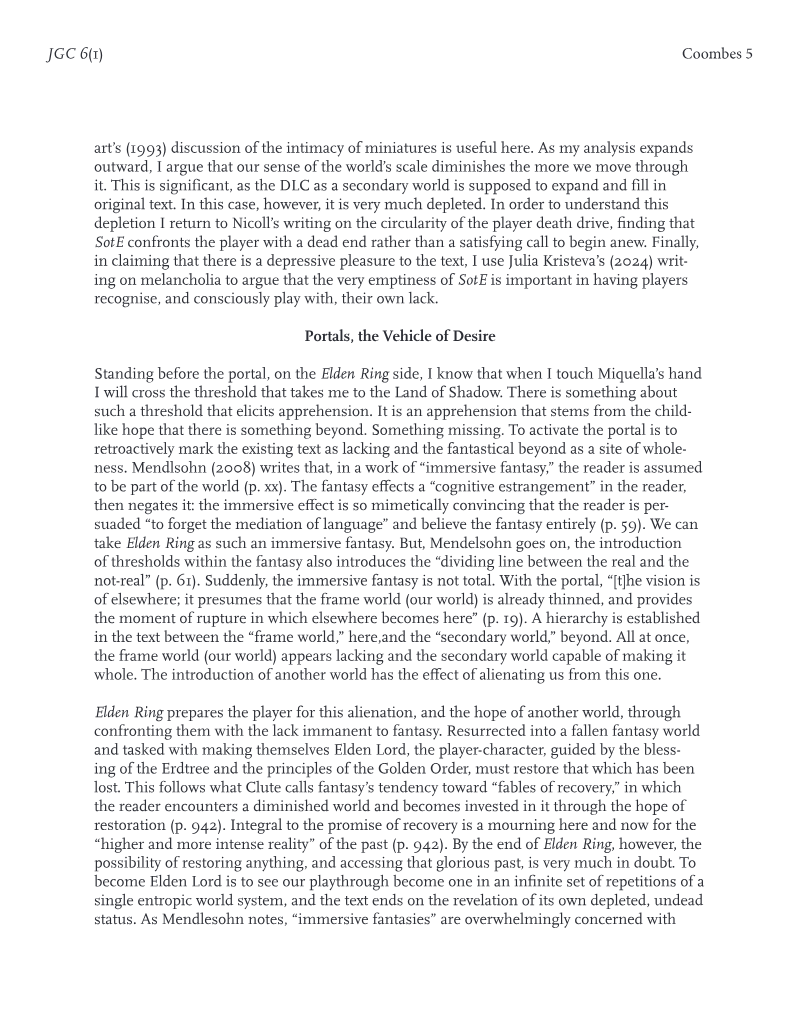
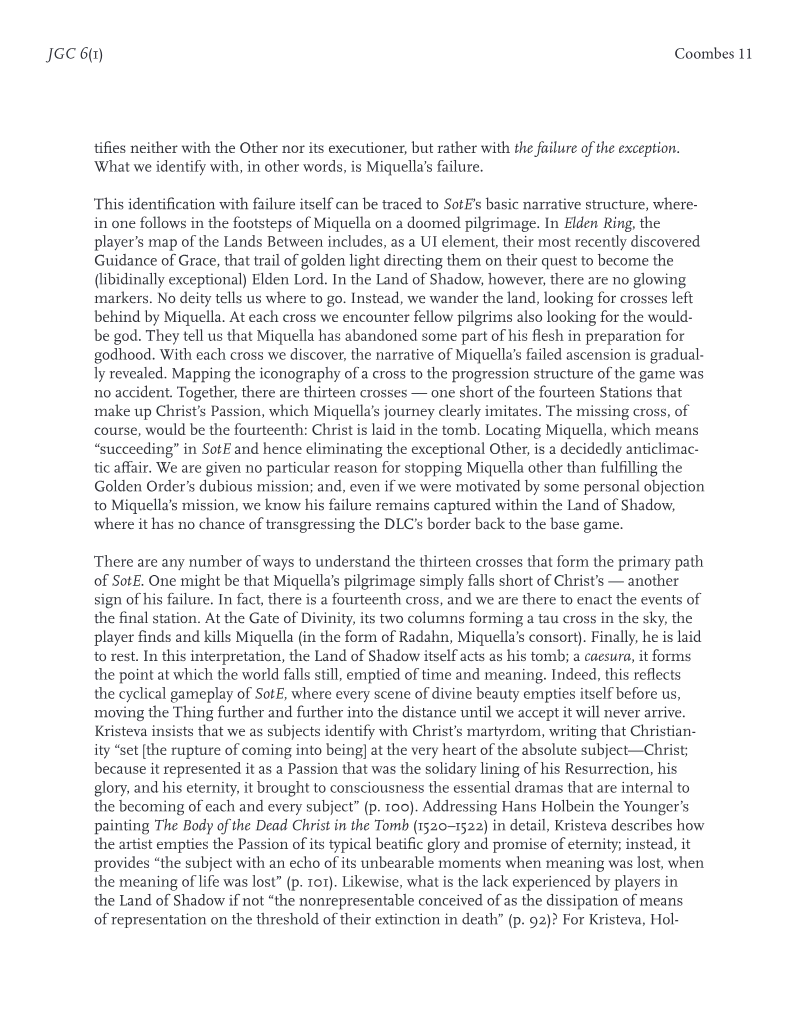
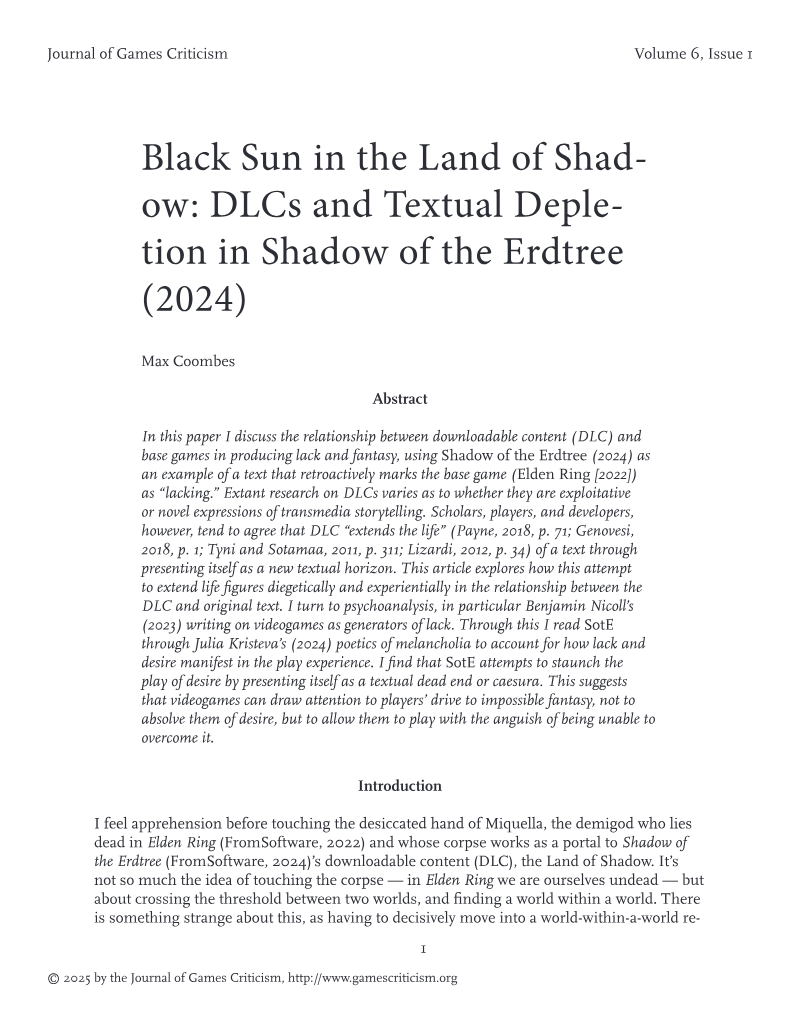
Journal of Games Criticism · 2025
Journal of Games Criticism · 2024
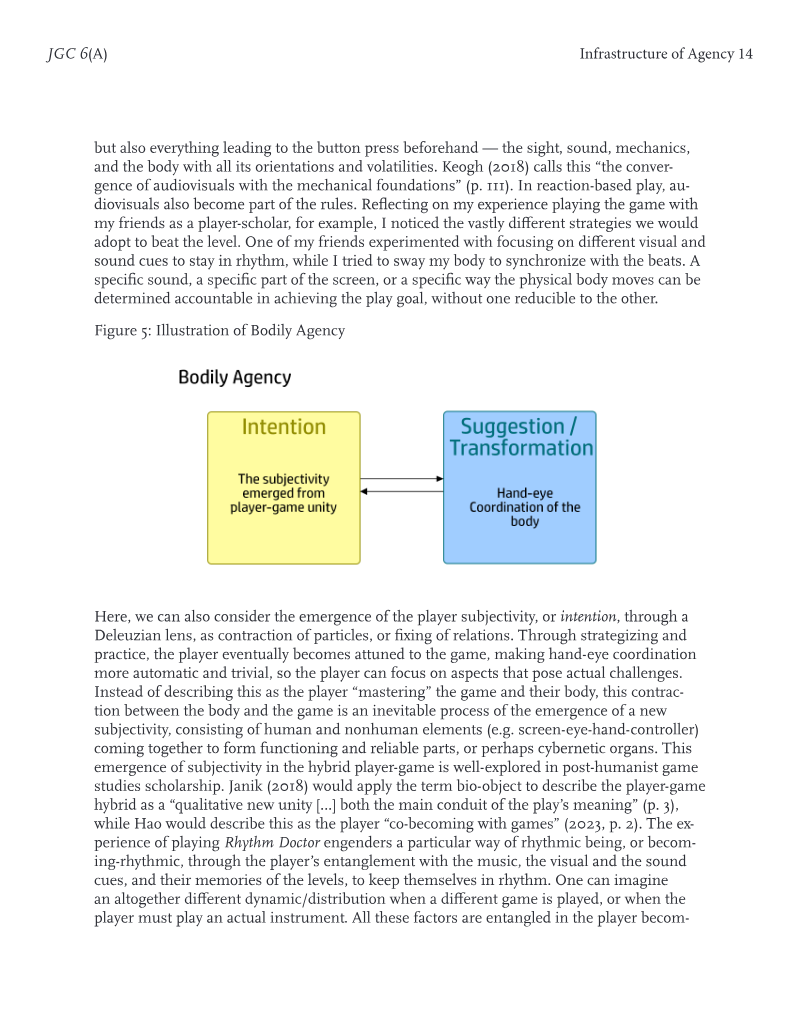
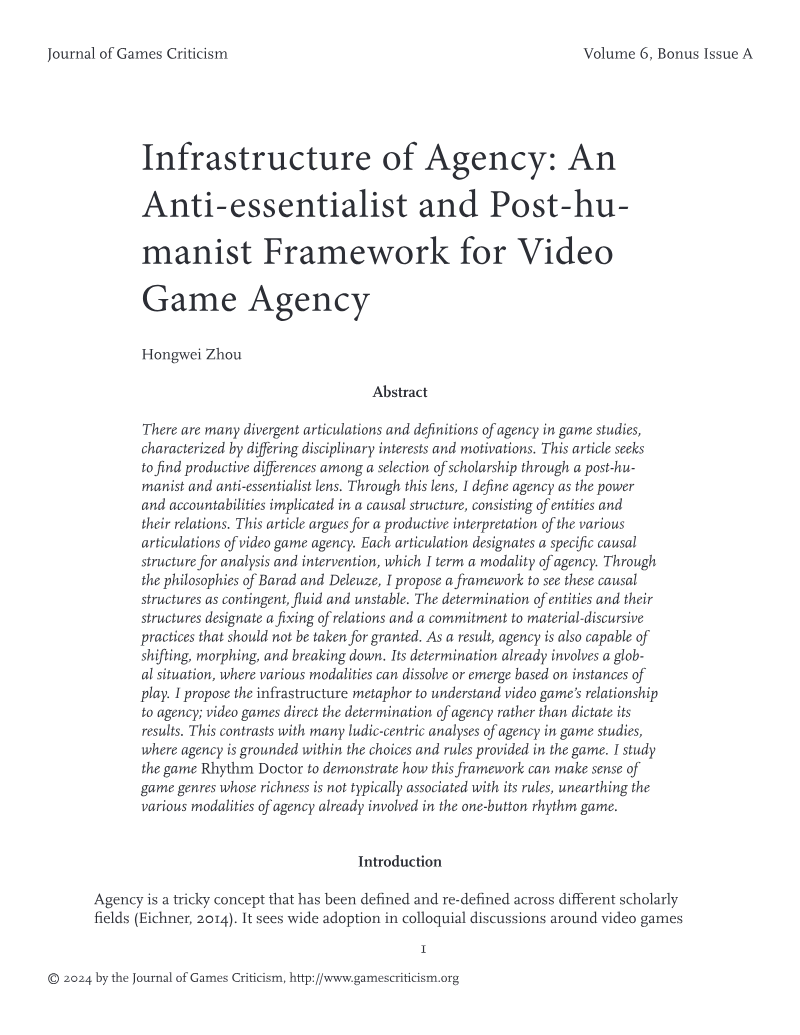
Journal of Games Criticism · 2024
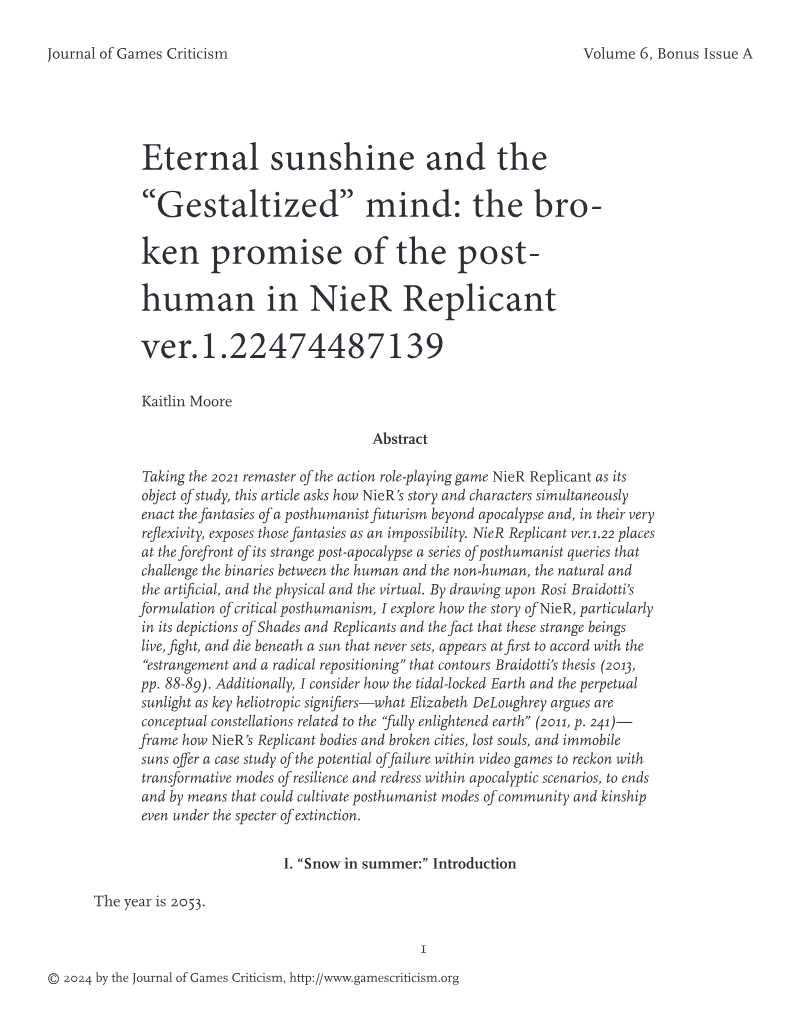
Journal of Games Criticism · 2024
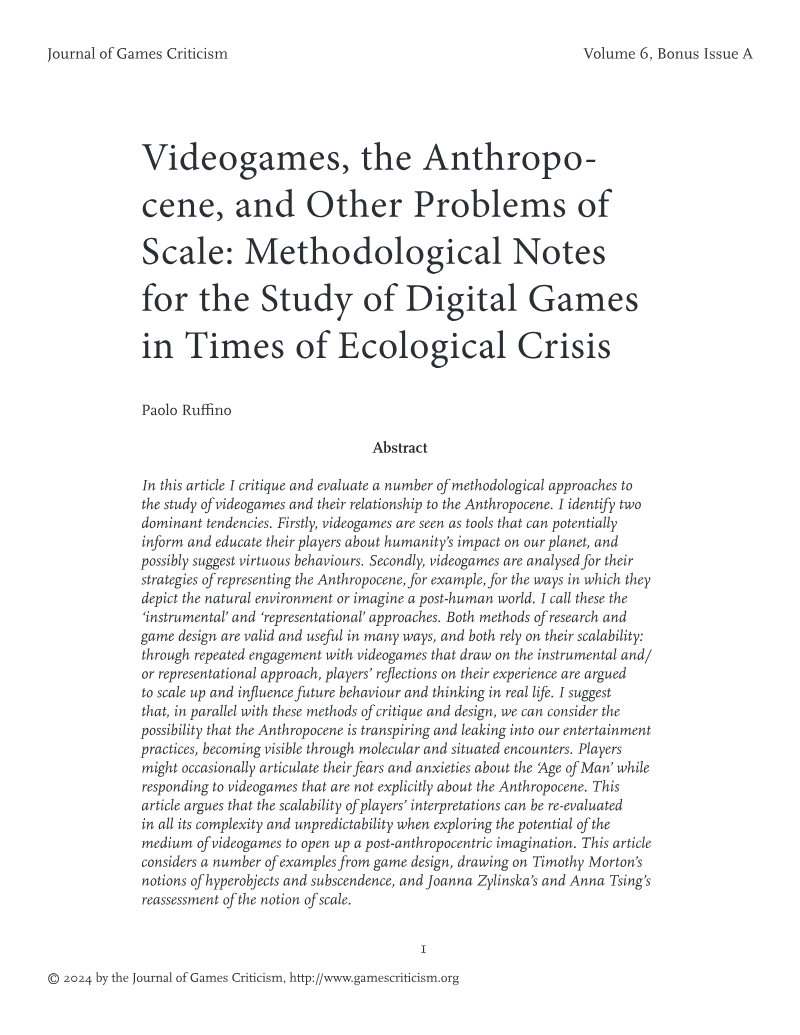
Journal of Games Criticism · 2024
Journal of Games Criticism · 2024

Journal of Games Criticism · 2024
DiGRA · 2026