Scopely
Documents about Scopely

Niantic Shutting Down Harry Potter: Wizards Unite
The provided text details a significant strategic shift for Niantic, transitioning from a mobile game developer to a geospatial artificial intelligence firm.
- Scopely has agreed to acquire Niantic’s game development business for $3.5 billion, gaining control of major titles including Pokémon GO, Monster Hunter Now, and Pikmin Bloom.
- Niantic’s game portfolio, which generates over $1 billion in annual revenue and maintains 30 million monthly active users, will continue to be led by Kei Kawai and Ed Wu post-acquisition.
- Following the sale, Niantic will pivot to focus on geospatial AI and AR technology through a new standalone entity, Niantic Spatial, funded by $250 million in capital.
TWIG 143: Reactions to Tilting Point raising $235M
Tilting Point recently secured $235 million in equity financing, led by General Atlantic with participation from Red Ventures and Camar.
- Tilting Point secured $235 million in equity financing led by General Atlantic to scale its publishing model, co-development efforts, and studio acquisitions.
- The company provides infrastructure for live operations and user acquisition to a network of over 40 developer partners, acting as a growth engine for studios lacking those internal capabilities.
- Tilting Point’s business model is frequently compared to Scopely’s historical trajectory, though analysts note that the current market features higher valuations and stiffer competition for top-tier studios.
Merger Magic: How M&A Is Shaking Up Category Leaders in Mobile Games
The mobile gaming industry is undergoing a significant transformation driven by aggressive merger and acquisition activity.
- M&A activity is the primary driver for market leadership, with companies like Zynga and Scopely using acquisitions to enter or dominate key genres where they previously lacked a significant footprint.
- Zynga’s acquisition of Peak Games was transformative, pushing the publisher to the No. 3 spot in the U.S. puzzle genre with $512 million in player spending during the first nine months of 2020.
- Scopely’s acquisition of FoxNext Games was critical to its market position, as its flagship title Marvel Strike Force generated $165 million in U.S. revenue, without which the publisher would not have ranked in the top 10 for the RPG genre.


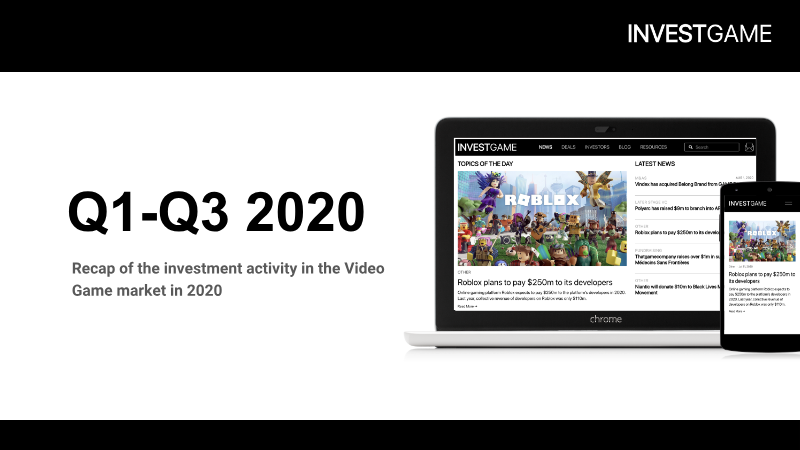
Q1‑Q3 2020: Recap of the Investment Activity in the Video Game Market
The first three quarters of 2020 saw the global gaming industry navigate significant volatility caused by the COVID-19 pandemic, ultimately demonstrating strong resilience and a rapid recovery in deal activity.
- The gaming industry demonstrated strong resilience in 2020, with a July rebound leading to 100 transactions worth approximately $2.78 billion in private investment.
- M&A activity was significant, with the PC and console segment reaching $10.5 billion in value, largely driven by Microsoft’s $7.5 billion acquisition of ZeniMax.
- The mobile gaming segment led in deal volume with 41 transactions totaling $4.6 billion, supported by ongoing consolidation from strategic buyers like Tencent, Embracer Group, and Stillfront Group.
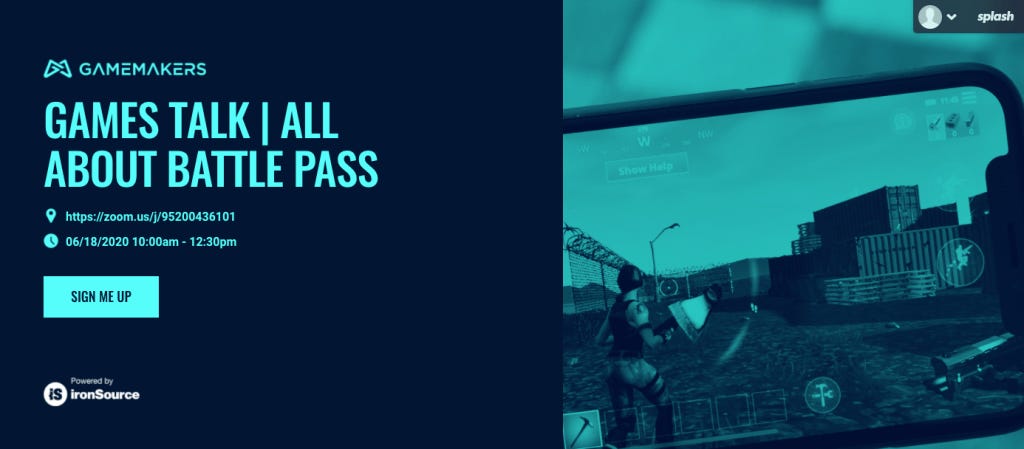
What Does It Take to Successfully Implement a Battle Pass?
The digital conference titled All About Battle Pass serves as a comprehensive resource for game developers and product managers seeking to optimize the implementation of battle pass systems.
- Successful Battle Pass implementation requires balancing engagement features with monetization strategies, as evidenced by effective models in Miniclip's 8-ball Pool and Supercell's Clash of Clans.
- Battle Pass systems often fail when they do not effectively bridge the gap between player engagement and revenue generation.
- The 'All About Battle Pass' digital conference held in June 2020 featured expert analysis on design, product strategy, and monetization from industry leaders at companies including Scopely and Social Point.

PocketGamer.biz Podcast Episode #3: Jens Begemann leaves Wooga, Jagex gets sold again, and more!
The global mobile and console gaming landscape is currently defined by significant leadership transitions, strategic acquisitions, and the evolution of social gaming platforms.
- Jagex has been acquired by Macarthur Fortune Holding for $530 million, marking yet another ownership transition for the studio as it struggles to stabilize its legacy intellectual property.
- Rovio achieved a 74.8% profit increase by significantly reducing user acquisition costs, though this strategy risks long-term brand fatigue for the aging Angry Birds franchise.
- Epic Games is evolving Fortnite into a persistent social hub through its Party Royale mode, leveraging virtual events to attract millions of concurrent users.


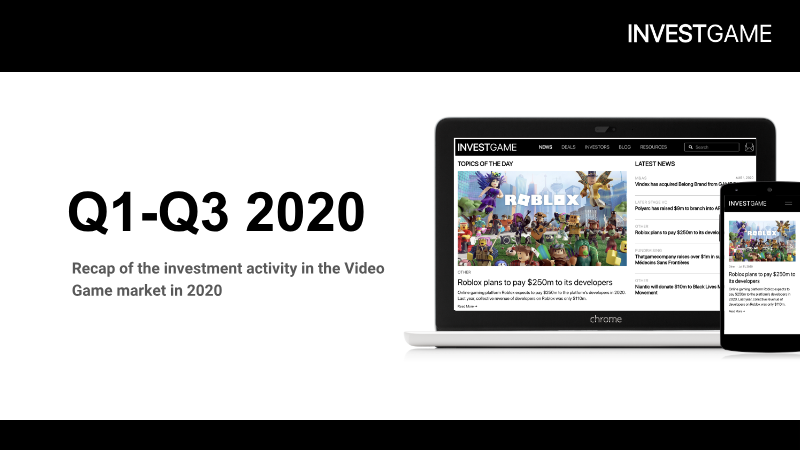
Investment Activity Report Q1–Q3 2020
The report documents investment activity in the global gaming industry from January to September 2020, covering mobile, PC & console, multiplatform, VR/AR, cloud-native and esports segments.
- The global gaming industry saw $27.5 billion in total deal value across 1,000 transactions during the first nine months of 2020, with gaming-specific deals accounting for $15.3 billion.
- M&A activity was defined by large-scale consolidation, led by Microsoft’s $7.5 billion acquisition of ZeniMax and Zynga’s $2 billion purchase of Peak Games, with Tencent, Zynga, and Microsoft collectively exceeding $11 billion in deal value.
- Public offerings were the primary driver of capital, generating $9.2 billion from 51 IPOs and PIPEs, while private venture investments contributed $4.7 billion across 254 rounds.

Mobile Publishing #1: Deconstructing Scopely's Path to $1B
This analysis examines the operational strategy behind Scopely’s growth toward a $400 million revenue run rate and its broader ambition to become a dominant free-to-play mobile games company in the West.
- Scopely is scaling toward a $400 million revenue run rate with the long-term ambition of becoming a dominant Western free-to-play mobile publisher.
- The company’s operational framework relies on a unified internal operating system that integrates studio ecosystems, proprietary technology, and shared publishing infrastructure.
- Proprietary technology platforms utilize machine learning and user segmentation to deliver personalized, consumer-directed gameplay experiences.
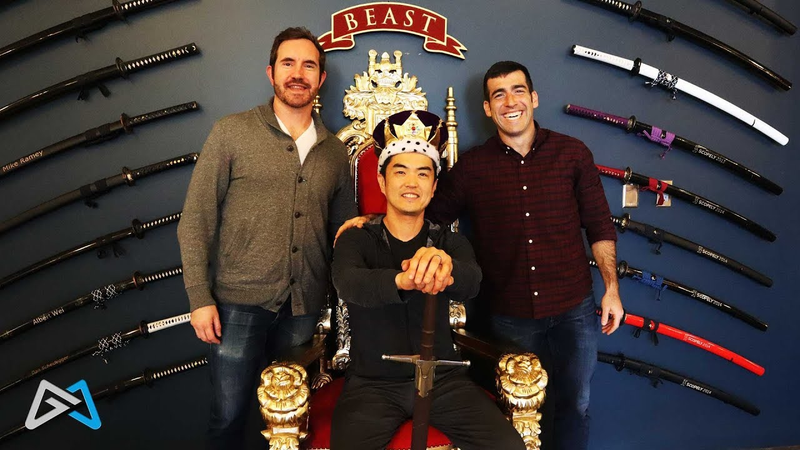
'Star Trek Fleet Command' - Scopely | Ft. Game GM Steve Huff and SVP of BD Henry Lowenfels
Star Trek Fleet Command, a mobile free-to-play title developed by DIGIT Game Studios and published by Scopely, represents a strategic entry into the 4X march-battle genre.
- Scopely and DIGIT Game Studios partnered to develop Star Trek Fleet Command, aiming to expand the 4X strategy genre by integrating RPG and simulation elements to reach a broader audience beyond hardcore players.
- The development team scaled significantly since the project's inception in 2015, growing their staff fourfold to support the game's ambitious scope and content roadmap.
- The operational structure features a collaborative model where Scopely manages product strategy and live operations, while DIGIT handles core development, with overlapping roles to ensure consistent feature prioritization.
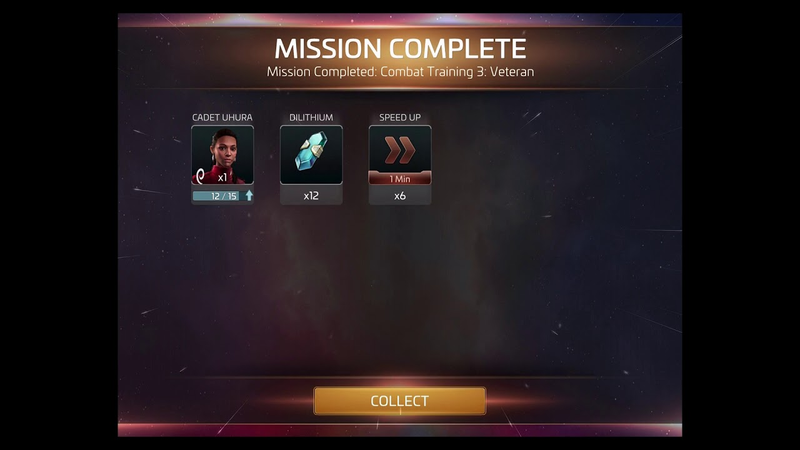
How does Star Trek Fleet Command monetize?
Star Trek Fleet Command, developed by Digit Game Studios and published by Scopely, functions as a mobile 4X strategy game that integrates base-building, resource management, and RPG-lite character collection.
- Star Trek Fleet Command utilizes a 4X strategy framework developed by Digit Game Studios and published by Scopely, combining base-building, resource management, and RPG-lite character collection.
- The monetization model is built on a multi-layered economy that uses hard and soft currencies, speed-ups to bypass construction timers, and loot-box-style recruitment systems.
- The game leverages the Star Trek intellectual property to differentiate its core loop from generic 4X titles, using recognizable characters and ships as primary engagement hooks.
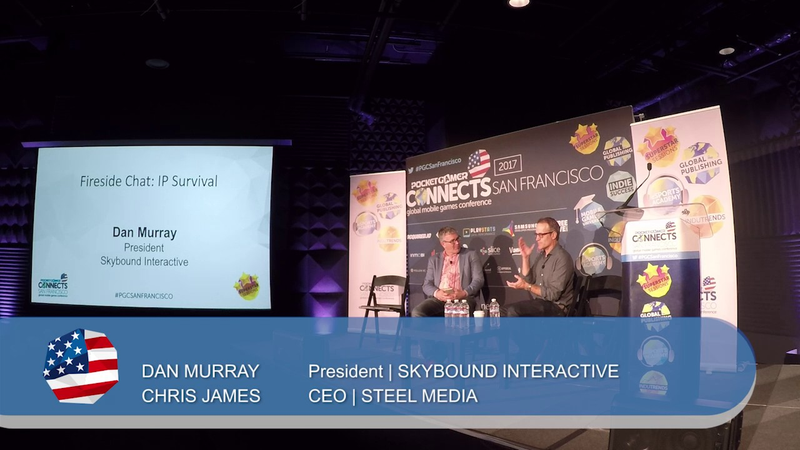
Skybound's Dan Murray on working with IP - Survival 101
Skybound President Dan Murray outlines the strategic approach to managing intellectual property (IP) within the gaming industry, emphasizing the importance of authenticity, creator-led business models, and deep collaboration between licensors and developers.
- Successful IP-based games require moving beyond superficial 'IP slaps' by ensuring mechanics and narrative spirit are deeply integrated with the source material.
- Skybound utilizes a 'wheel of awesome' business model, retaining core rights to properties like The Walking Dead to maintain control across film, television, and gaming adaptations.
- Licensing success relies on replacing siloed relationships with proactive, direct collaboration between IP holders and developers to ensure both narrative consistency and mechanical innovation.

How The Walking Dead mobile game was brought to life
The development of the mobile title The Walking Dead: Road to Survival represents a strategic collaboration between Skybound Entertainment, Scopely, and IUGO to translate a high-profile media franchise into a successful free-to-play mobile experience.
- The Walking Dead: Road to Survival achieved over 20 million downloads in its first year and maintained a consistent position in the top 50 grossing charts.
- The development team utilized a 'lean' philosophy that treated iterative failure as a necessary tool for refining technology and live-operations processes.
- To maintain narrative integrity, developers used backstory from the Governor novels to create a parallel story structure that allowed for consistent content updates without violating the core comic book canon.