Pixar
Company
Documents about Pixar
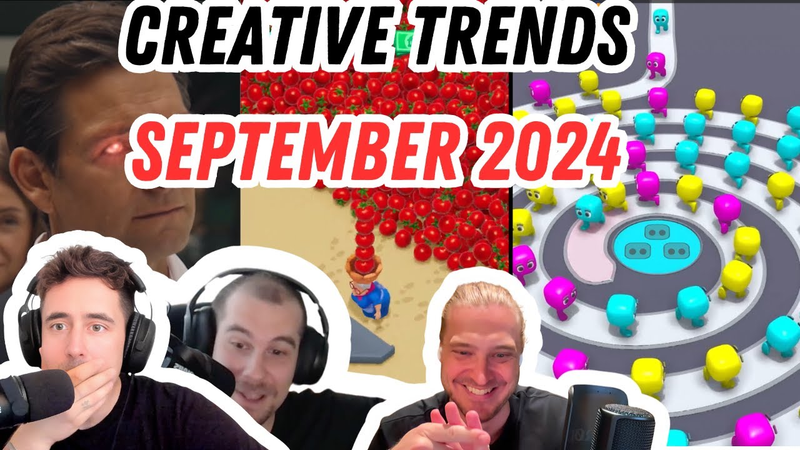
Creative Trends in Mobile Games - September 2024
The mobile gaming landscape is currently defined by a strategic shift toward high-production creative assets and the aggressive integration of hyper-casual mechanics into more complex genres.
- Market leaders like Royal Match and Last War are reducing cost-per-install (CPI) metrics by 30% to 50% by utilizing high-production creative assets and altered gameplay advertisements.
- The mobile gaming industry is increasingly adopting a hybrid-casual model that blends high-fidelity, Pixar-style CGI with familiar, iterative gameplay loops.
- Developers are systematically repurposing legacy mechanics from classic titles such as Zuma, Coin Dozer, and Helix Jump to refresh gameplay through asset swapping.
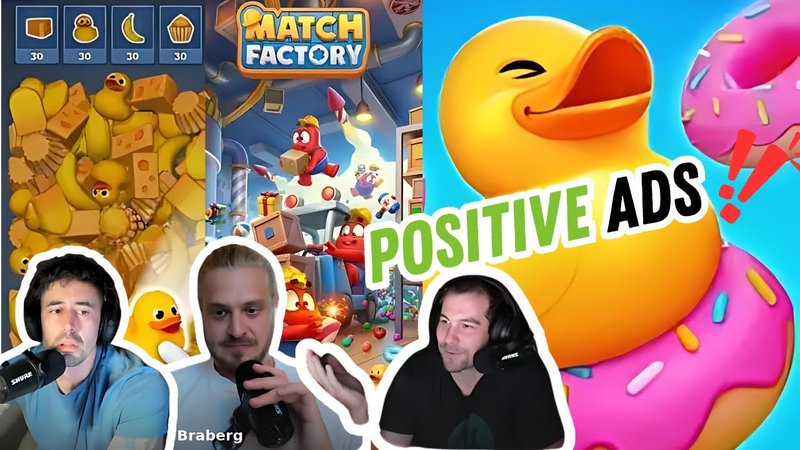
Match Factory! A Major hit with positive advertising by Peak games
Match Factory! has established itself as a premier title within the pair-matching puzzle genre, currently generating approximately $13.7 million in monthly in-app purchase revenue.
- Match Factory! is generating approximately $13.7 million in monthly in-app purchase revenue, positioning it for an annual run rate of $165 million.
- The game’s rapid growth, which accelerated in late 2023, highlights the increasing global market dominance of Turkish developers like Peak Games.
- Peak Games successfully targets an older demographic by utilizing high-fidelity, 'Pixar-quality' 3D visuals and avoiding misleading advertising tropes.
TWIG #283 Anime correction, Applovin speculations, Ad creative trends and Ubisoft’s xDefiant
The gaming industry is currently undergoing a structural transition from the era of blitz scaling toward a model defined by operational efficiency, profitability, and strategic consolidation.
- The gaming industry is shifting from blitz scaling to a model of operational efficiency and profitability, evidenced by major workforce reductions at companies like Ubisoft and Pixar.
- Private equity firms have become the primary exit strategy for established studios, highlighted by the $2.8 billion acquisition talks involving Keywords Studios.
- Hyper-casual games currently lead the mobile marketing sector with an IPM (installs per mille) of 48, driving a trend toward 'mashup' creative techniques that blend gameplay, animation, and user-generated content.
Disney to Invest $1.5B in Epic Games
The Walt Disney Company has announced a strategic $1.5 billion investment in Epic Games to acquire an equity stake in the developer.
- The Walt Disney Company is investing $1.5 billion in Epic Games to acquire an equity stake in the developer.
- The partnership involves a multiyear project to build a persistent, open, and interoperable gaming and entertainment universe integrated with Fortnite.
- The new ecosystem will utilize Epic’s Unreal Engine to allow users to play, watch, shop, and engage with content from Disney, Pixar, Marvel, Star Wars, and Avatar.
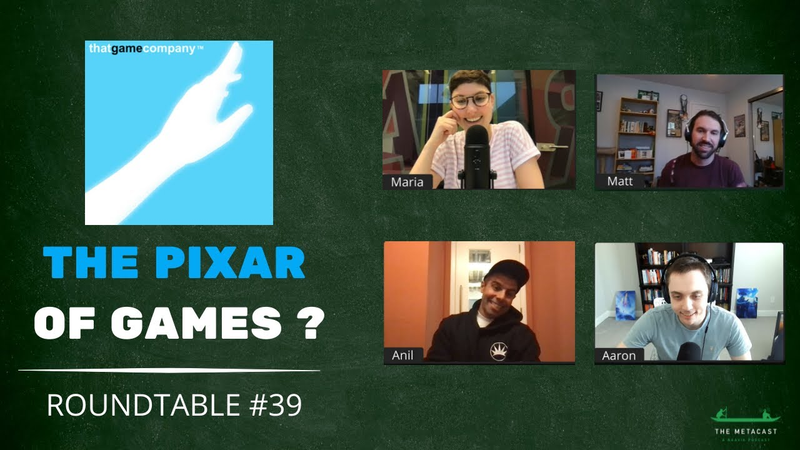
The Metacast by Naavik: Roundtable #39 - Could Thatgamecompany be the Pixar of games?
Thatgamecompany is currently pivoting toward a long-term strategy of becoming a cross-generational entertainment powerhouse, bolstered by a $160 million funding round led by TPG and Sequoia Capital.
- Thatgamecompany secured $160 million in funding led by TPG and Sequoia Capital to transition into a cross-generational entertainment powerhouse.
- By hiring Pixar co-founder Ed Catmull as an advisor, Thatgamecompany is institutionalizing a strategy that prioritizes emotional resonance and non-traditional gameplay over aggressive monetization.
- A recent Dutch court ruling regarding EA’s loot boxes indicates that game mechanics may avoid gambling classifications if they lack intrinsic monetary value, though this creates a fragmented global compliance landscape.

Sky Children of Light developer thatgamecompany gets $160 million dollars!
ThatGameCompany, the developer behind titles such as Journey and Sky: Children of the Light, has secured $160 million in a new funding round led by venture capital firms TPG and Sequoia.
- ThatGamecompany has secured $160 million in a new funding round led by venture capital firms TPG and Sequoia.
- The studio will use the capital to expand its development team, infrastructure, and organizational capacity to support future projects.
- Pixar co-founder Ed Catmull has joined the studio as a principal advisor to provide guidance on creative culture and long-term growth.
Implementing Pixar's Brain Trust Model at King and How It All Went Wrong
King, the developer behind the Candy Crush franchise, attempted to implement a centralized advisory model modeled after Pixar’s Brain Trust to improve game quality across its global studios.
- King failed to implement a centralized 'Brain Trust' model because teams perceived the static group of senior experts as intimidating gatekeepers, leading to the group being labeled the 'Angels of Death.'
- The initial centralized model collapsed due to a lack of clear goals, conflicting management feedback, and cultural misunderstandings regarding the role of 'champions' in the development process.
- King successfully pivoted to a decentralized governance model that separates project support from formal evaluation, utilizing a flexible network of senior creative talent instead of a fixed panel.
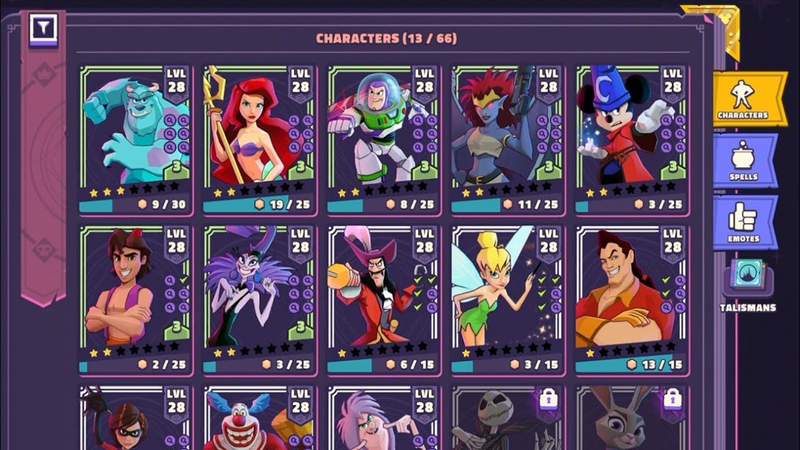
How does DISNEY SORCERER'S ARENA retain, engage and monetize?
Disney Sorcerer’s Arena, a squad-based turn-based RPG developed by Glu Mobile, utilizes a complex, multi-layered monetization and engagement model built upon the broad appeal of the Disney and Pixar intellectual property.
- Disney Sorcerer’s Arena utilizes a shard-based collection system for Disney and Pixar characters, mirroring the core mechanics of Star Wars: Galaxy of Heroes.
- Monetization is driven by an aggressive, multi-layered economy featuring randomized loot boxes, specialized stores, and frequent pop-up offers designed to accelerate player progression.
- The game employs a tiered battle pass system called the 'Pass Holder' season, which incentivizes monthly recurring spending through a premium 'Gold Pass' offering exclusive bonuses.
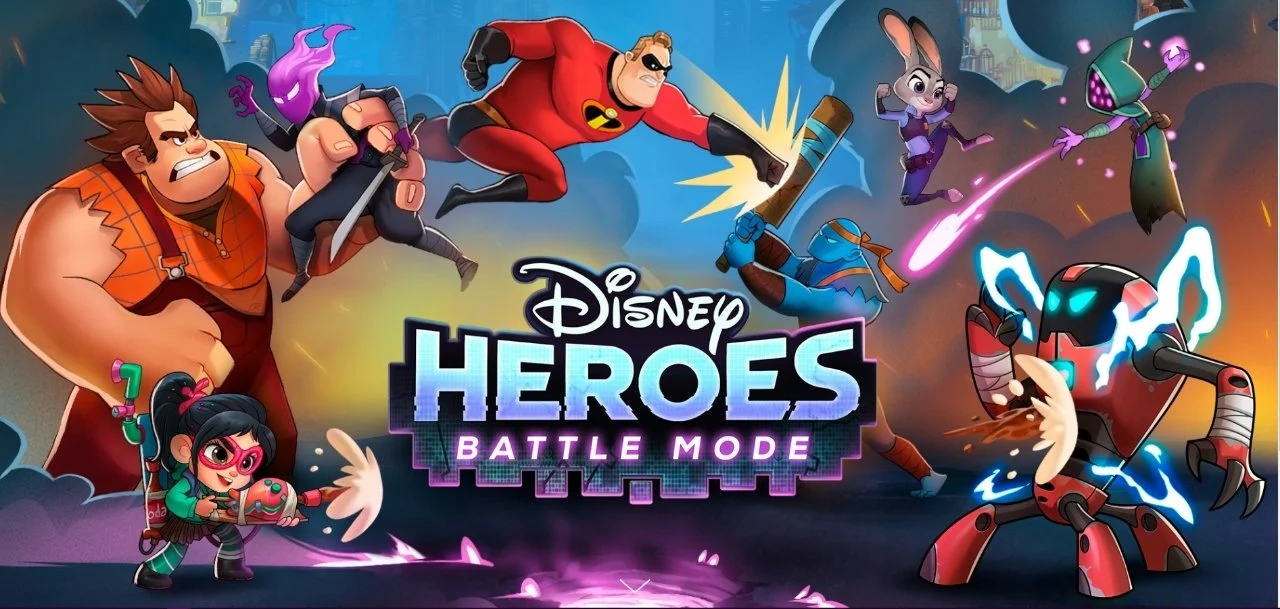
Disney Heroes: A Solid RPG That Tests the Limits of an IP
Disney Heroes: Battle Mode represents a calculated effort to leverage high-value intellectual property within the mobile RPG landscape.
- Developed by PerBlue Entertainment, Disney Heroes: Battle Mode achieved 12 million installs and approximately $10 million in net revenue within its first eight months following its May 2018 launch.
- The game utilizes a highly interdependent economy where multiple game modes reward specific currencies, forcing players to engage with various features to upgrade their hero teams.
- Progression is gated by stamina and a 'team level' system, which limits hero levels and creates a scarcity-driven demand for diamond-to-stamina conversions.

Concept Art House CEO James Zhang on helping Supercell make its Super Bowl advert
Concept Art House provides high-end art, 3D animation, and pre-production services to the global gaming industry, contributing to approximately 500 games annually.
- Concept Art House supports approximately 500 games annually, providing high-end art and 3D animation services for major developers including Riot Games, Blizzard, and Hasbro.
- Mobile gaming is shifting toward console-quality graphics as developers utilize high-fidelity assets to differentiate products in a saturated market and justify rising production costs.
- The integration of established entertainment intellectual properties, such as Jurassic Park and The Hobbit, has become a primary strategy for securing top-grossing positions in mobile app stores.
The Pre-Production Problem - How to Improve the Planning Process in Game Design - Extra Credits
The game development industry faces a systemic challenge regarding the pre-production phase, where a lack of adequate planning often leads to poor project outcomes.
- The primary barrier to effective pre-production is the high financial cost of maintaining idle staff, with mid-level programmers costing upwards of $8,000 per month.
- Studios can adopt a staggered production pipeline, similar to the model used by Pixar, to ensure a small, dedicated team focuses on early research and story development while the main workforce finishes the current project.
- Corporate management and investors often view pre-production as an inefficient use of resources because technical requirements are not yet finalized, leaving large teams without actionable tasks.