Interactive Entertainment
Company
Documents about Interactive Entertainment

Tencent’s bid to create the next FromSoftware and Larian
Tencent Games, through its Interactive Entertainment and Game Global (IEG) division, is actively pursuing a long-term strategy to cultivate category-leading game studios capable of achieving the global success seen by developers like FromSoftware and Larian.
- Tencent is shifting its global strategy to cultivate category-leading studios capable of producing high-quality console and PC titles, modeled after the success of FromSoftware and Larian.
- The company currently manages approximately 20 studios worldwide, utilizing a 'long game' approach that prioritizes creative autonomy and operational support over rigid corporate oversight.
- Tencent is leveraging the global success of Chinese-developed titles like Black Myth: Wukong to bridge the gap between its traditional mobile-centric expertise and the high-end console market.
Sony Removes Region Restrictions, Dune Awakens, and Breaking D&D News | Games For Breakfast
The gaming industry is currently navigating a period of significant strategic realignment, characterized by a retreat from live-service models and a renewed focus on traditional single-player experiences.
- Key figures in Dungeons & Dragons 5e development, Jeremy Crawford and Chris Perkins, have reportedly moved to Darington Press, signaling a significant shift in talent away from Wizards of the Coast.
- Sony has quietly relaxed regional restrictions for its games, allowing for broader global access to titles like Helldivers 2 without a formal public announcement.
- Valve is currently experiencing supply chain constraints affecting the availability of the 512GB and 1TB models of the Steam Deck, leaving only the 256GB LCD model consistently in stock.
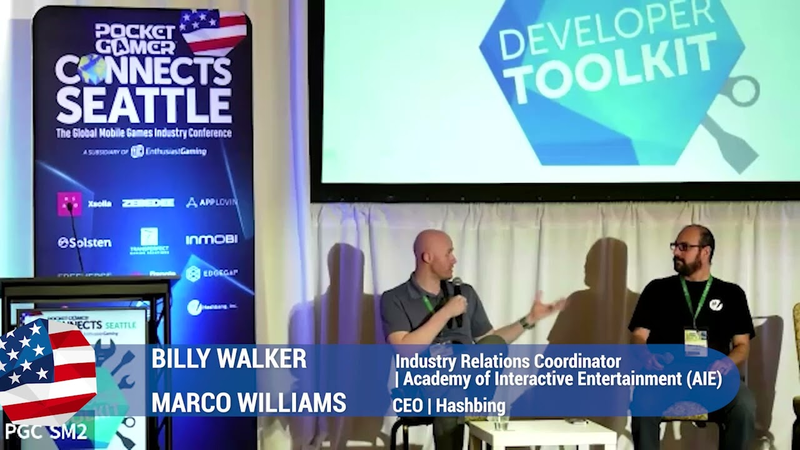
AIE & Hashbang: A Unique Industry Partnership
The Academy of Interactive Entertainment (AIE) and the game development studio Hashbang maintain a strategic partnership designed to bridge the gap between specialized vocational education and industry requirements.
- The partnership between AIE and Hashbang utilizes an industry advisory committee to continuously align vocational curriculum with market demands, such as adjusting the balance between Unity and Unreal Engine training.
- Hashbang integrates AIE students into professional environments through internships and entry-level roles, allowing them to work on significant intellectual properties alongside senior mentors.
- The collaboration features a structured mentorship model, including 'lunch and learn' sessions focused on teaching junior developers clean code practices and design patterns.
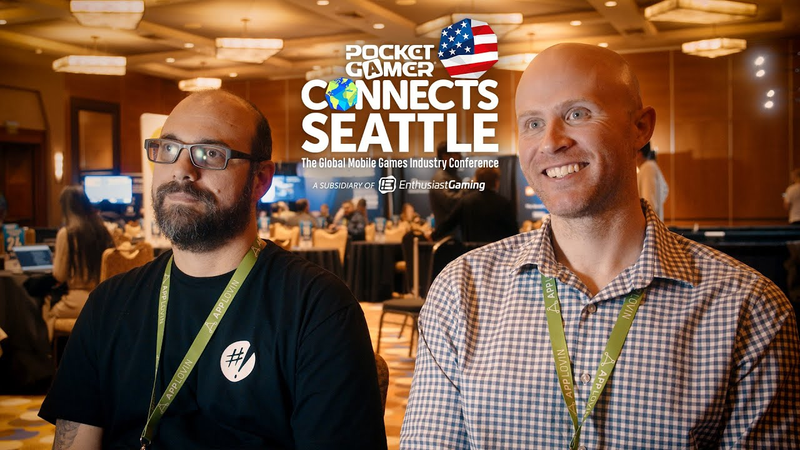
How to get into the games industry with Hashbang and AIE
The partnership between the Academy of Interactive Entertainment (AIE) and Hashbang Games illustrates a collaborative model for bridging the gap between specialized game industry education and professional studio employment.
- The partnership between the Academy of Interactive Entertainment (AIE) and Hashbang Games demonstrates that studios can mitigate the risks of hiring junior talent by pairing them with senior mentors within a culture of continuous learning.
- The game industry currently faces a significant talent imbalance, characterized by a surplus of applicants for creative roles like character artistry and a shortage of specialized professionals in rigging, game design, and production.
- There is a specific industry-wide deficit of producers who possess a nuanced understanding of game-specific agile development, as many candidates lack experience beyond general project management.
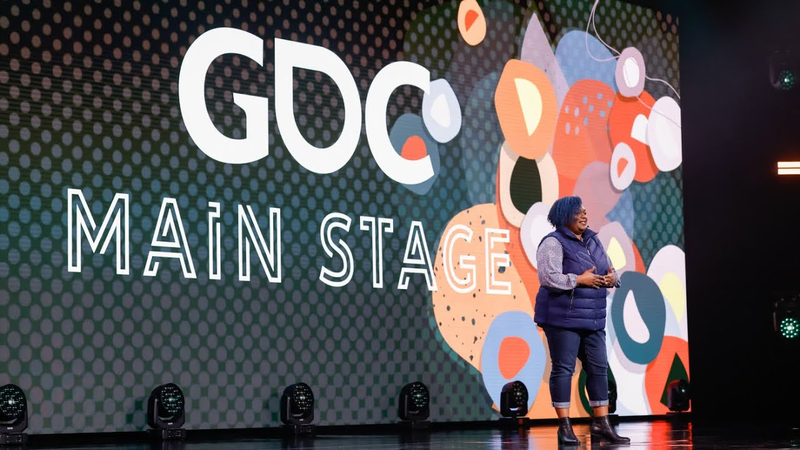
GDC 2022 Main Stage: The Developer's Renaissance
The modern game industry is undergoing a fundamental transformation, moving away from rigid, industrial-era management toward models defined by collective intelligence, radical inclusivity, and creator advocacy.
- Studios like Eidos-Montréal are successfully replacing traditional hierarchical oversight with decentralized power and employee autonomy to maintain productivity during labor volatility.
- Structural operational shifts, such as the implementation of a four-day work week, are being used to improve employee well-being and long-term performance.
- Sony Interactive Entertainment has transitioned DEI from performative gestures to a data-driven business function by integrating employee networks into executive decision-making and tying outcomes to core KPIs.

PocketGamer.biz Podcast Episode 8: Mikko Kodisoja leaves Supercell, Crash Bandicoot Mobile, and more
The mobile gaming industry is currently navigating a period of significant structural and regulatory transition.
- PUBG Mobile has surpassed $3 billion in lifetime revenue, with the Chinese localized version, Game for Peace, serving as the primary driver for this growth.
- New ISBN approval requirements in China are creating significant barriers to entry for independent developers, effectively consolidating market power among established giants like Tencent and NetEase.
- AT&T is considering a $4 billion divestiture of Warner Bros. Interactive Entertainment, attracting interest from Microsoft and EA despite the exclusion of key intellectual properties like Batman and Harry Potter.

Last of Us Part 2 Delayed Indefinitely | Games ReCAP
The indefinite delay of The Last of Us Part 2, originally scheduled for a May 2020 release on PlayStation 4, serves as a primary case study for the logistical challenges facing the video game industry during the COVID-19 pandemic.
- Sony Interactive Entertainment indefinitely delayed the May 2020 release of The Last of Us Part 2 due to the logistical inability to guarantee a synchronized global launch.
- The decision to delay was primarily driven by disruptions in physical distribution chains and concerns that global internet infrastructure could not support a purely digital-only rollout.
- Naughty Dog confirmed the game was in its final stages of development, focusing on bug fixes, when the pandemic-related constraints forced the postponement.