1 free read left. Create a free account for unlimited reading + AI research.
Create free account
How to get into the games industry with Hashbang and AIE
Key insights
6 takeaways- 01The partnership between the Academy of Interactive Entertainment (AIE) and Hashbang Games demonstrates that studios can mitigate the risks of hiring junior talent by pairing them with senior mentors within a culture of continuous learning.
- 02The collaboration between AIE and Hashbang Games functions as a feedback loop, allowing industry partners to inform educational institutions about shifting software trends and skill gaps to ensure curriculum relevance.
- 03The game industry currently faces a significant talent imbalance, characterized by a surplus of applicants for creative roles like character artistry and a shortage of specialized professionals in rigging, game design, and production.
- 04There is a specific industry-wide deficit of producers who possess a nuanced understanding of game-specific agile development, as many candidates lack experience beyond general project management.
- 05AIE utilizes a focused, two-year curriculum that removes traditional academic requirements to prioritize technical mastery in game art, programming, animation, and production.
- 06Aspiring professionals should supplement formal education with independent projects, game jams, and a focus on clean architecture to successfully transition into professional development roles.
Ask AI about this video
Transcript
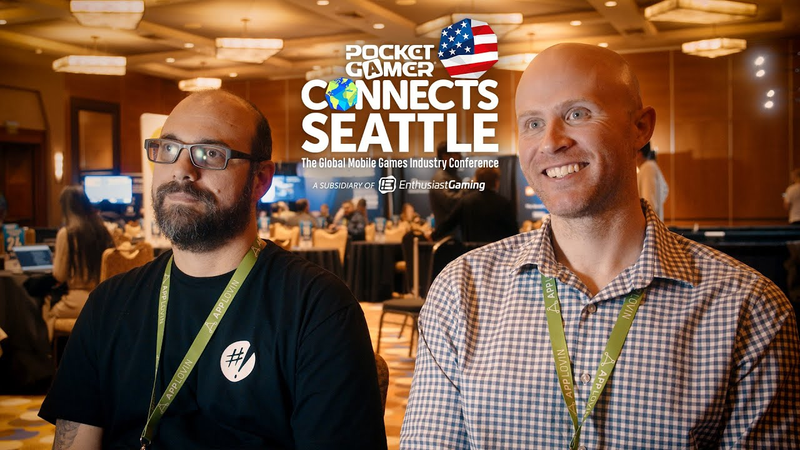
[Music] we are rounding out the day here at pocket gamer connects in seattle and i am joined by two folks for our first double interview if i get you to introduce yourselves starting with you sir my name is marco williams i'm the ceo of hashbring games and my name is billy walker i'm the industry relations coordinator for the academy of interactive entertainment and the reason that you're speaking to us together here is that the two things you do whilst different are interconnected is that right so i guess it sort of starts at your side billy with the tuition stuff what is it that you do so we're actually a specialist educator in games and film so we teach courses like game art animation game programming 3d animation vfx for film game design and production so we teach students that are really interested in breaking into the game and film industry and where do you step in the process marker well we we work with a number of aaa studios we do game development services we do things like integrate backhand services
into games with playfab and beamable um and various other you know platforms we do client development we do 3d art and so we have a team of people that do game development along with working on our own games we have our own ip that we develop so the idea i guess is that billy you sort of train them up and then marco you actually give them the gateway into the industry that's right like we have they have posts graduate students that come out of the school um we interview them they go through the same process that they would go through with any studio but we we we're very accepting and inviting into the studio so we take them in as early as internship and sometimes they're postgraduates and then we give them real world experience working on games in our studio sometimes we start them out like working on internal game projects that
we have they work underneath senior engineers so they get that deep collaboration and we at hashbang feel very strongly about continued education so the education doesn't just stop when they graduate aie we have a culture at hashbang where we do lunch and learn sessions that senior engineers teach the the junior engineers about clean code writing clean architecture and various other aspects and sometimes it's not just the the students that are learning a lot of times our intermediate developers or even senior developers learn some new tricks that they've learned at aie coming fresh out of school and billy from your perspective what's the benefit of having a company like marcos at the end of your your tuition process rather than just sending them off into the world with a handshake like what's what's the plus side for you yeah so there's numerous benefits for us as a school so
obviously you know we are always looking to place our graduates after they graduate from us so we're not just sending them out to the world and defending for themselves we want to make sure that um you know they end up in a good career marco has obviously set up a great environment for them to continually learn and he's very accepting of of junior level positions um but past that like marco is also very collaborative with us in the aspect of hey there are some gaps in your education this is what i would look at you know adjusting in the coming years we're seeing a lot of this type of software that you're using but the industry's kind of moving towards this type of software so uh you know studios like marco really keep us on our game and make sure that we're teaching what's relevant in the industry at the time you must have a lot of experience with fresh students as opposed to hiring in you know some people deal with veterans they've got five years experience here and there and in this case maybe they're coming cold straight out of education what are the most like i was going to say of common mistakes but that seems a bit cruel but the most
common misconceptions maybe that new students have or that new graduates have about what it's going to be like to make a game yeah i mean i think from a you know small indie game studio perspective it feels very risky to bring on a junior developer you don't know what the quality of work that they're going to do you don't know if they know how long it's going to take to do things and and i would say that like there is a pattern that we have developed by pairings you know more talented or more senior engineers uh with junior engineers that are coming in and and creating a real mentorship and it really eliminates that that that worry that you know these these junior engineers aren't going to be able to do it they come out of school very prepared like that that's one of the like biggest things that i didn't even realize when we first started working to get together is like how much they actually know they come out they already know how to
build all the ui in unity they know how to write fairly decent you know c sharp they lack the experience of troubleshooting and trying to figure out problems but that's what we help them learn over time and so you know i think the the biggest challenges that you overcome is like finding um the right fit the right role to like put them in but those are very easily overcome you know you you work with the engineers uh the junior engineers when they when they first come in but it's i keep saying engineers but it's not just engineers like there's artists we have artists that have come from aie um we have animators that have come from aie but the the the fact is it's across all different types of talent pairing them with more senior people and and really you know getting familiar with their skill sets and placing them exactly where they need to be
to help them kind of level up their abilities through real world experience gotcha this is something probably for both of you but the analogy id uses when people are trying to form bands there's always a hundred thousand guitarists and maybe two drummers when you in in the game's design world what's the drummer what is the one on the one post or the one role that like there are very very few of and everybody leans towards what they consider to be the front sexy kind of front front man bit you know what's what do you have not enough of in the game so i'll go first and it may be very different for you it might be i don't know but i know that that i know everyone when they come in they always want to be the the lead character artist they want to work on the main character and and the one thing that i always hear nobody wants to do is rigging so no one ever wants to do the rigging on their groups and everyone wants to be the lead character artist or the lead environmental artist no one wants to deal with t-poses
all right what about yourself like i mean you must have lots of different opportunities and roles but what do you find out of the film i feel like finding the the right producer the right um game designer is really a struggle for for us there's inherently there's not a lot of really really good game designers that have a lot of experience there are you know probably a good amount that that don't have a lot of experience and and they don't also don't get a lot of chance in the industry to like really prove out their theories about you know live ops and how to run games as a service or how to increase you know retention in a game and monetization and create the right mechanics around it so you know finding talented people um that know how to design games really well is is a really hard thing and there just needs to be more of them frankly um and same with producers aie has a really good
producer track and i'd love to see more talent go through that that producer role there's not very many schools out there that actually teach how to be a game producer and what you end up with is a lot of people that have project management experience so they've worked at microsoft or they've worked at amazon or google or maybe you know a handful of smaller you know software development companies but not necessarily games and that is a different breed of agile development and it requires a slightly different take on project management from a skill set perspective you kind of tend to mix a producer with design and that makes a really good producer okay yeah and from both of you again what would you give us a piece of advice to in in your case really new students who wish to enroll and are looking to get the most out of the course and from your
perspective marco when people are stepping into their first game design role what would be the kind of little bit of advice you'd give yeah good question so i would say for any incoming students um do as many intro level courses as you can like we offer introduction courses into our program we offer summer camps into our program so it's always good for the student to be a little bit familiar before they even get there but then once they're there just dig in i mean it's a two-year curriculum so you're not even going through a four you know a four a standard four-year curriculum you're only there for two years so just put in the work right it's going to be a grind for two years but we are non-academic so they're not having to do the math history english science so they're just there to learn game programming they're just there to learn game art so it's like dig in be prepared you know when you're there be there um when you're off work on your projects you know you've only got two years to really master those skills um the students that put in that extra work are the ones that find a job even before they graduate right it's kind of a no-brainer to just if you're there be there be present you
know put in the work yeah um on my side it i think the advice is is making sure you know the core concepts like um you know aie gives you a good foundation and you have to kind of continue that learning on your own even posts graduating post getting a a job somewhere the interviews that that you're going to go through even at a junior level as an entry level into com a game development studio they're going to be tough they're going to be hard questions to to answer and you have to really do some extra studying and make sure that you're prepared for these interviews so like going in you know as a developer you need to know you know a lot about you know design patterns and like uh in c sharp and how you all the ins and outs of unity and keep that stuff fresh in your mind as a as a designer you may
need to study different you know mechanics around you know monetization or engagement or what gotcha means and there's there's different levels but you want to keep your skill set very fresh work on your own projects maybe even do some game jams those are very valuable to like really hone in your skills and and your ability and then when you're you know approaching a company you're going to be very well prepared and if people were looking to approach both of you or either of you how would they go about doing that marcos i mean they can go right on to our website inc.com and we have a career section they can apply for positions right through our website and we're aie.edu so essentially we have one website for each campus we have a lafayette website and a seattle website once you log into aie.edu it'll take you right to the correct [Music]
Summary
The partnership between the Academy of Interactive Entertainment (AIE) and Hashbang Games illustrates a collaborative model for bridging the gap between specialized game industry education and professional studio employment. By integrating academic training with real-world development experience, this approach addresses common industry misconceptions regarding the viability of hiring junior talent. The core thesis posits that when studios pair junior developers with senior mentors and maintain a culture of continuous learning, they can effectively mitigate the perceived risks of onboarding fresh graduates while fostering a sustainable talent pipeline.
AIE provides a focused, two-year curriculum in game art, programming, animation, and production, stripping away traditional academic requirements to prioritize technical mastery. Hashbang Games complements this by offering internships and junior roles that allow students to work on live projects under the guidance of senior staff. This relationship also serves a feedback loop function, where industry partners inform educational institutions about shifting software trends and skill gaps, ensuring that curricula remain relevant to current market demands.
The industry currently faces a notable imbalance in talent distribution, with a surplus of applicants for creative roles like character artistry and a significant shortage of specialized professionals in technical areas such as rigging, game design, and production. The industry specifically struggles to find producers who possess a nuanced understanding of game-specific agile development, as many candidates arrive with general project management experience from outside the sector. To succeed, aspiring professionals are encouraged to supplement their formal education with independent projects, game jams, and rigorous preparation for technical interviews. By maintaining a commitment to clean architecture and evolving design patterns, graduates can better navigate the transition from academic environments to professional game development.















Comments