indie
CompanyUnited States
Documents about indie
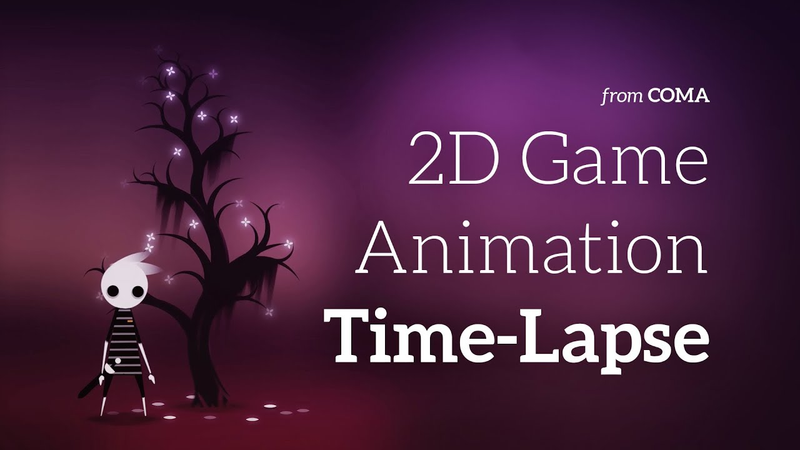
Why I Spent 4 Hours Designing A Stupid Tree
The creation of high-quality environmental assets for indie games relies heavily on the strategic use of modular design and procedural animation techniques.
- High-quality environmental assets are achieved by deconstructing complex natural forms into simple, repeating geometric shapes that mimic subconscious patterns in nature.
- The animation pipeline utilizes a skeletal rigging system in Spine 2D, where parent-child bone relationships enable fluid movement and natural wind sway.
- Simulating natural weight and motion requires staggered rotations and specific frame delays applied to individual asset components.
3 Ways Your Crappy Game Can Make Millionz $$$$
The commercial success of an indie video game is often determined less by the inherent quality of the product and more by the effectiveness of its marketing and business strategy.
- Commercial success in the indie game market is driven primarily by marketing and business strategy rather than the inherent quality of the product.
- Developers must create a compelling hook by distilling the game's unique value into a single, concise sentence or feature that differentiates it from competitors.
- Treating game development as an entrepreneurial venture requires shifting focus from technical production to resource management and concrete, actionable business planning.
PR & Marketing Lessons Learned from Goat Simulator
The viral success of Goat Simulator demonstrates that indie developers can achieve significant market penetration by abandoning traditional, polished PR strategies in favor of radical honesty and humor.
- Embrace technical flaws and nonsensical gameplay as a unique selling proposition rather than attempting to hide them behind polished, AAA-style marketing.
- Prioritize authentic, humorous community engagement over corporate messaging to build brand loyalty and manage player expectations effectively.
- Focus marketing efforts on creating short, highly shareable visual content like GIFs and screenshots that transcend language barriers and drive organic influencer coverage.
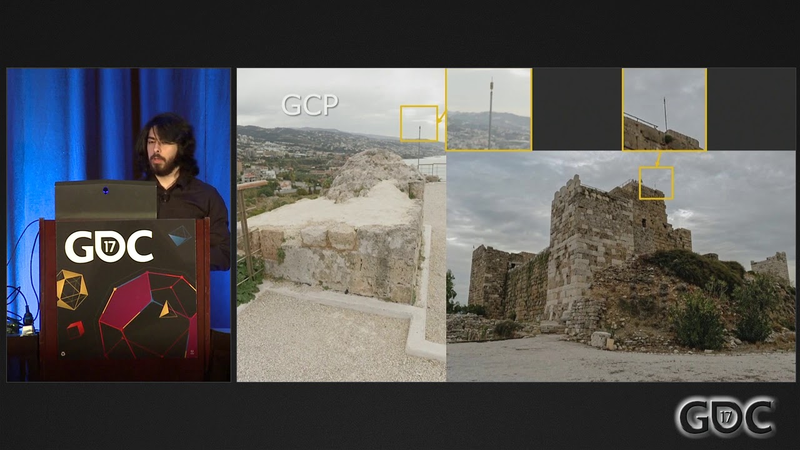
Porting a Real Life Castle into Your Game When You're Broke
This presentation outlines a cost-effective methodology for indie developers to perform high-quality 3D photogrammetry of large-scale historical structures, such as castles, without significant capital investment.
- Large-scale photogrammetry of historical structures can be achieved using consumer-grade hardware like standard DSLRs or high-end smartphones instead of professional-grade equipment.
- To minimize errors from shifting light or environmental obstacles, complex structures should be broken down into manageable individual components rather than captured in a single continuous loop.
- Ground control points are essential for accurately aligning disparate sections of a model, especially when aerial drone access is unavailable.
Marketing Indie Style
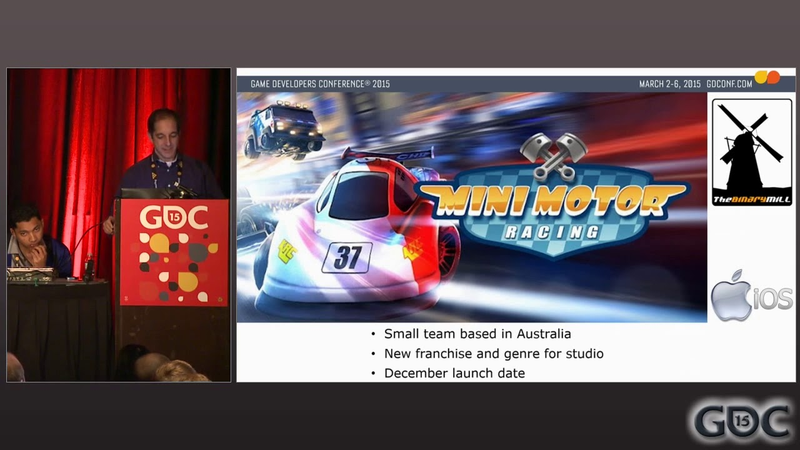
Effective indie game marketing relies on a disciplined, long-term strategic framework that treats promotional efforts with the same rigor as core game design.
- Indie developers should treat marketing with the same rigor as game design, prioritizing long-term audience cultivation through email lists and niche community engagement rather than relying on viral moments.
- Marketing budgets should ideally be allocated at 10% to 15% of expected revenue, though smaller studios with limited resources should prioritize cost-effective, targeted outreach over broad advertising.
- Sustainable success requires an iterative post-launch strategy that utilizes updates, seasonal content, and cross-promotional opportunities to maintain long-tail revenue.
Running a Post-Apocalyptic Indie Studio
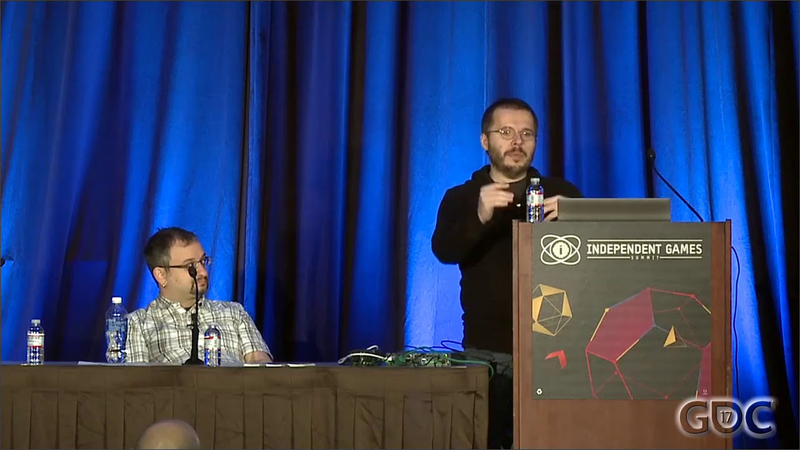
The contemporary indie game market faces a structural crisis defined by a severe supply-demand imbalance.
- The indie game market is experiencing extreme saturation due to a structural imbalance where the volume of new releases is growing while the player base remains stagnant.
- Traditional storefront curation is no longer effective, as power-law distribution causes the vast majority of sales to favor established hits over new titles.
- Studios must transition from passive storefront participants to proactive entities by integrating marketing into the earliest stages of development to satisfy algorithm requirements.
Surviving the Jump from AAA to Indie
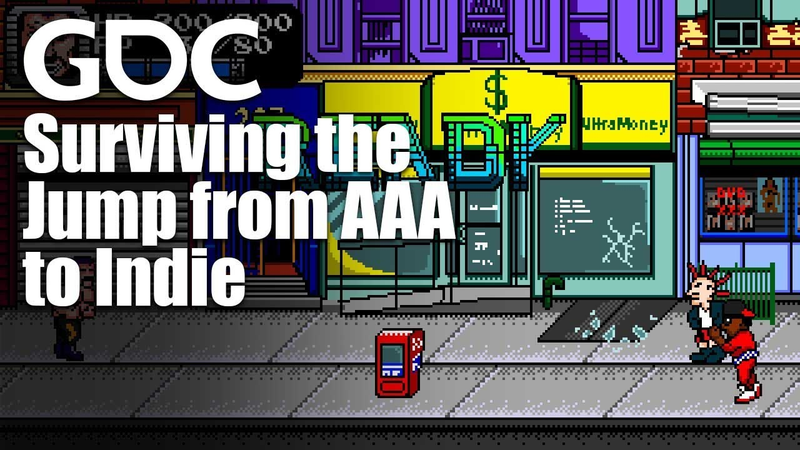
Transitioning from AAA game development to independent production requires a fundamental shift in mindset, moving from a specialized, corporate-supported role to a multifaceted entrepreneurial existence.
- Transitioning to indie development requires shifting from a specialized role to an entrepreneurial model where the developer assumes full responsibility for production, marketing, and financial management.
- Financial sustainability depends on treating the project as a business by accounting for overhead costs like taxes, healthcare, and professional services that are typically covered by large studios.
- Developers should prioritize a lean, project-based workforce of specialized contractors over hiring a large, full-time staff to mitigate financial risk.
Indie Polish: Making the Most of the Last 10%
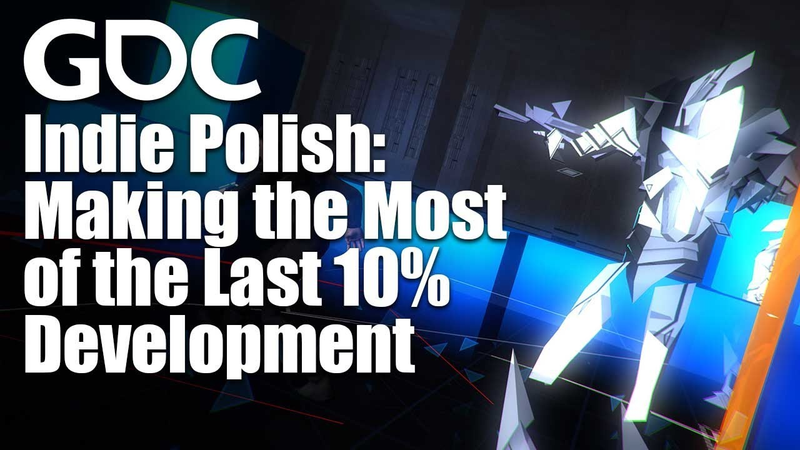
Polish serves as a critical differentiator for independent games, transforming functional prototypes into cohesive, commercially viable experiences.
- Prioritize visual consistency and essential quality-of-life features, such as UI scaling and control rebinding, to establish a professional first impression that differentiates indie titles from functional prototypes.
- Reallocate resources from non-essential high-fidelity elements, like hyper-realistic environments, toward core mechanics that define the primary player experience.
- Utilize cost-effective animation techniques like squash and stretch, alongside strategic lighting, to elevate aesthetic quality without the need for massive production budgets.
Still Grooving: Game Dev Life Set to Live Music
This presentation explores the emotional and professional realities of independent game development, focusing on the lifecycle of the title Hyper Light Drifter.
- Developers should prioritize creative 'love' and thematic resonance over exhaustive perfectionism, as the core player experience is defined by atmosphere rather than just mechanical systems.
- The labor invested in game development acts as a value multiplier, where thousands of hours of team effort can generate hundreds of years of collective engagement for the global player base.
- A sustainable career requires rejecting rigid work-life balance models in favor of a fluid, rhythmic approach to productivity that emphasizes intentionality and variety.
Cuphead's Animation Process and Philosophy
The development of the 2D action game Cuphead is defined by a commitment to the aesthetic and production techniques of 1930s animation.
- Studio MDHR maintains the aesthetic of 1930s animation by utilizing traditional paper-based animation, hand-inked frames, and watercolor backgrounds rather than digital simulations.
- The design process for Cuphead bosses prioritizes simplicity and solid shapes, avoiding overly complex details that would be difficult to animate or rotate in 2D space.
- To ensure technical feasibility, animators create rough blue-pencil sketches before committing to final designs, as the high-stakes nature of paper animation makes late-stage changes labor-intensive.

Designing with Physics: Bend the Physics Engine to Your Will
This presentation addresses the common challenge of achieving solid, responsive physics in indie games without requiring custom engine development.
- Combat 'floatiness' by increasing gravity beyond realistic levels, as the issue is a design-driven limitation of default engine settings rather than a purely technical failure.
- Improve simulation stability and perceived weight by implementing significant mass ratios between objects rather than using uniform mass defaults.
- Mitigate tunneling and jitter in fast-moving objects by reducing the fixed time step and enabling continuous collision detection.
(Opportunity) Cost Effective Marketing & PR for Indies
Indie game marketing is most effective when developers shift their perspective from a purely technical mindset to a consumer-centric one.
- Treat marketing as a game design problem by identifying your objective—getting the player to the game—and systematically removing barriers to that goal.
- Conduct a competitive audit by analyzing similar titles to determine your game's market position, pricing strategy, and unique selling points.
- Perform a SWOT analysis (Strengths, Weaknesses, Opportunities, Threats) to objectively evaluate your game from a consumer's perspective, focusing on the 'tip of the iceberg' that players actually see.