indie
CompanyUnited States
Documents about indie

S***'s on Fire! A Cautionary Tale in Community Crisis Management
Effective community management during a product crisis requires a balance of professional transparency and rigorous personal self-care.
- Effective crisis management requires balancing professional transparency with rigorous personal self-care to prevent burnout and mental health decline.
- Community managers should systematically categorize player feedback to isolate specific friction points and provide honest, template-driven updates on development progress.
- Turning negative interactions into constructive dialogue by acknowledging valid frustrations is essential for fostering long-term player trust, even during severe technical failures like those seen in the 2015 launch of Wander.
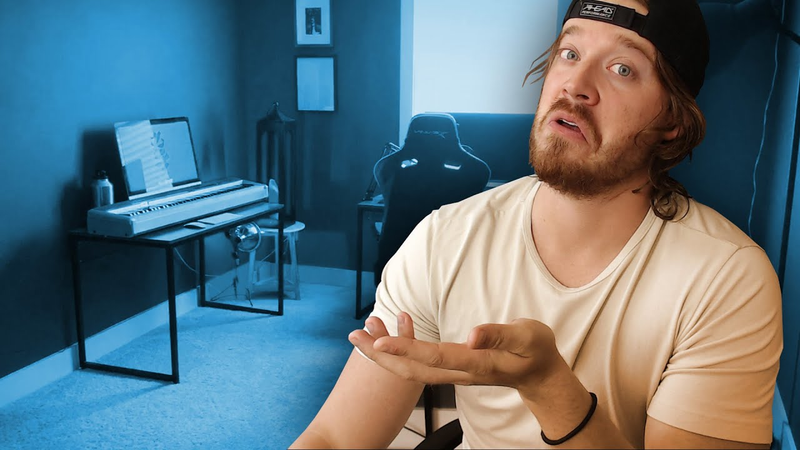
My new INDIE GAME STUDIO (office tour!)
The primary purpose of this overview is to provide a practical look at the hardware and environmental setup required for professional indie game development.
- Prioritize functional utility over luxury equipment, as high-quality game development relies on the creator's focus rather than expensive hardware.
- A professional-grade setup for an independent developer includes a core workstation consisting of an HP Omen Obelisk PC, an AOC 31.5-inch monitor, and a Blue Yeti microphone.
- Ergonomic seating, such as the EWin Flash Series racing chair, is essential for maintaining physical well-being during the extended hours required for game development.
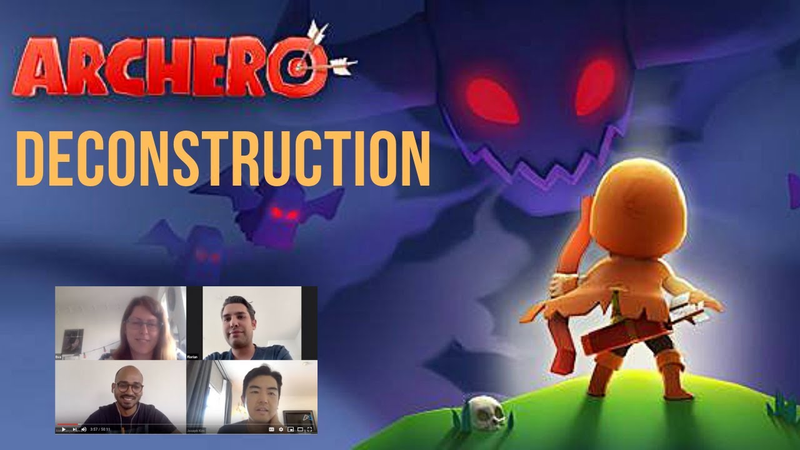
How Archero Became a Hit Game and What They Could've Done Better!
Archero represents a pivotal shift in mobile gaming, demonstrating the efficacy of hybridizing hyper-casual accessibility with mid-core RPG depth.
- Archero achieved 19.8 million downloads and $25 million in net in-app purchase revenue within its first three months following its 2019 launch.
- The game’s success is attributed to a hybrid design model that combines hyper-casual accessibility with the strategic depth of mid-core action-RPGs.
- Developers successfully scaled the title globally by applying hyper-casual user acquisition tactics to a more robust, long-term product.
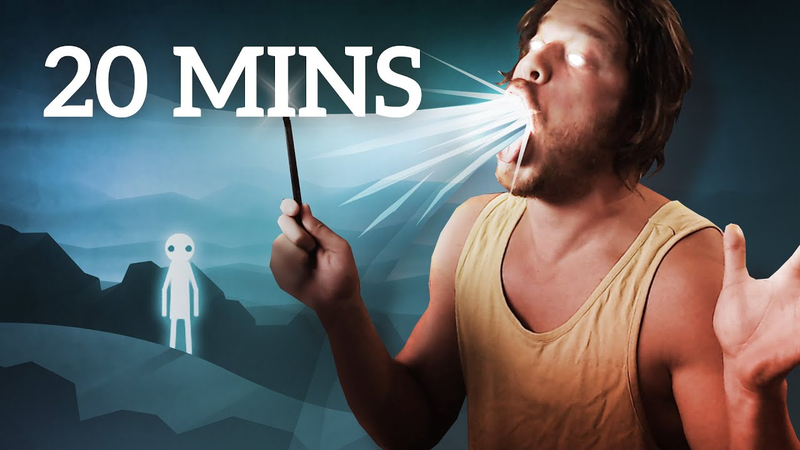
2D Game Art Tutorial (Stylized Landscape in 20 Minutes!)
This instructional guide outlines a professional workflow for creating stylized 2D landscape art for video games within Photoshop.
- Professional stylized landscape art relies on a strict hierarchy where background elements are desaturated and blurred to simulate distance, while foreground elements use high saturation and sharp detail.
- Visual cohesion is achieved by maintaining consistency in color, sizing, and detail across all assets to differentiate professional output from amateur work.
- Depth and atmospheric perspective are simulated using technical tools like gradients, Gaussian blurs, and motion blurs to mimic natural fog effects.
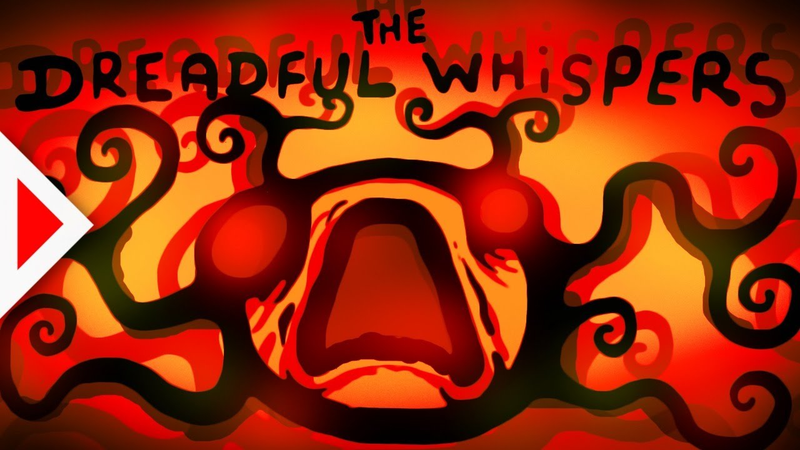
Playing The Dreadful Whispers by Blackthornprod
The Dreadful Whispers, a solo-developed puzzle-platformer created by Noa Calice under the Blackthornprod banner, serves as a compelling case study in independent game design.
- The Dreadful Whispers, a solo-developed puzzle-platformer by Noa Calice (Blackthornprod), was completed within an eight-month development cycle.
- The game utilizes a design structure of short, consumable levels to eliminate common indie pitfalls like excessive backtracking and player frustration.
- Core gameplay mechanics revolve around character-switching and color-based environmental manipulation, which evolve in complexity to mirror the game's narrative themes of existential struggle.
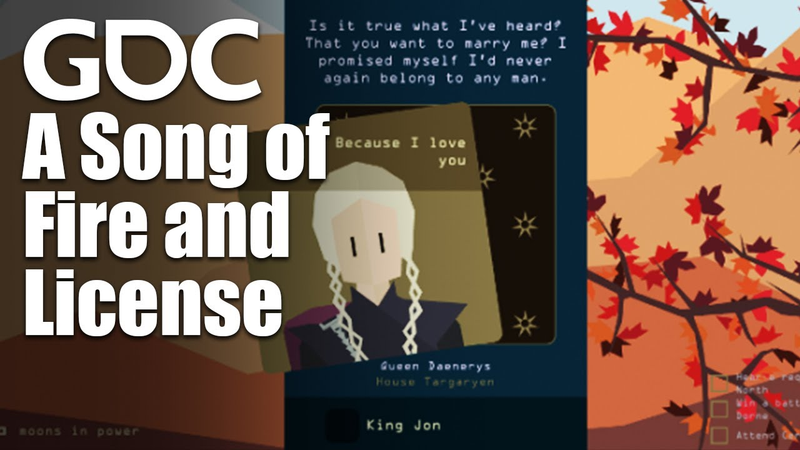
Reigns: Game of Thrones: A Song of Fire and License
The collaboration between Devolver Digital, Nerial, and HBO to produce Reigns: Game of Thrones serves as a strategic model for how independent developers can successfully integrate global intellectual property into niche gaming experiences.
- Success in licensed gaming requires positioning the product as an additive narrative extension rather than generic merchandise to avoid brand dilution.
- The development of Reigns: Game of Thrones involved managing over 1,600 narrative cards through a highly iterative process to ensure strict adherence to the source material's canon.
- Navigating the partnership with HBO required a year-long negotiation process that included rigorous legal requirements, such as actor likeness approvals and narrative consistency checks.
5 TIPS I've learned after a DECADE of making indie games!
Drawing from a decade of experience in the independent game industry, this analysis outlines five fundamental lessons for developers aiming to build sustainable careers.
- Prioritize long-term revenue streams like ongoing sales, bundles, and platform promotions over the singular impact of launch day momentum.
- Limit technical and design scope early in development to ensure cross-platform compatibility and maintain budget sustainability.
- Avoid over-investing in influencer marketing, as high-profile endorsements do not guarantee a direct, one-to-one correlation with sales spikes.
5 secrets to a VIRAL indie game trailer (my experience!)
Creating a viral indie game trailer requires a strategic approach to audience engagement, prioritizing consumer interest over developer sentiment.
- Capture viewer attention within the first ten seconds by leading immediately with the most compelling gameplay or atmospheric visuals.
- Structure the trailer around a central mystery or 'seed' of curiosity that motivates the viewer to purchase the game to find the answer.
- Synchronize all cuts and transitions to the rhythm of the music to build emotional intensity and reach a satisfying climax.

So You're Ready to Pitch to a Publisher? You're Not
Securing a publishing deal in the modern indie landscape requires a fundamental shift in perspective, moving away from unrealistic expectations of massive financial windfalls toward a pragmatic understanding of market viability.
- Publishers prioritize projects with realistic sales targets between 30,000 and 150,000 units rather than seeking massive financial windfalls.
- A successful pitch deck must be designed to stand alone, enabling internal stakeholders to advocate for the project without the developer present.
- The vertical slice or first playable demo must be tailored to the genre: action-adventure titles require high visual fidelity, while systems-based games must prioritize functional, proven design loops.
1 Week of Game Dev = ???
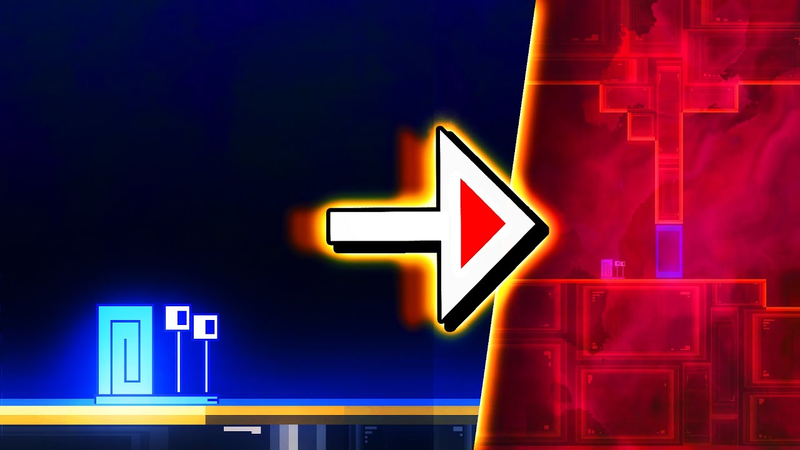
This analysis examines the practical output of a solo indie game developer over a single work week to address the common perception that progress in game development is often slow or invisible.
- Solo indie developers can achieve significant output in one week, including the implementation of 130 new voice lines and the design of three new tutorial levels.
- Operational efficiency is improved by building automated systems for repetitive tasks, such as the developer's new tool for streamlining future audio integration.
- Maintenance of existing titles is a recurring time investment, evidenced by the developer updating ISLANDERS to a new engine version and expanding its localization to 11 languages.
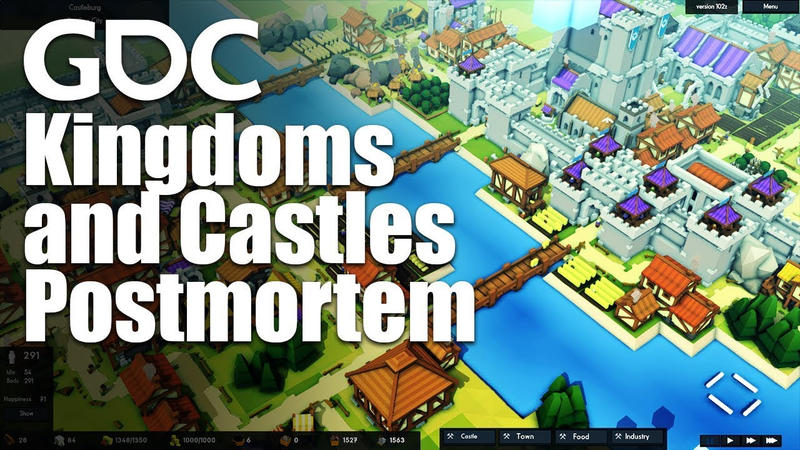
Kingdoms and Castles Postmortem
Kingdoms and Castles achieved commercial success by prioritizing iterative market validation and a disciplined approach to development scope.
- Validate game concepts early by setting measurable engagement goals, such as achieving 25 retweets on Twitter, to determine if a project is worth pursuing before committing significant development time.
- Use crowdfunding and early market testing to determine appropriate project scope, allowing developers to scale development effort based on actual audience interest rather than arbitrary timelines.
- Prioritize 'player fantasy' by ensuring the game's core loop and mechanics are intuitive and rely on existing cultural knowledge, which reduces the need for complex tutorials and extensive UI explanations.
Milestone Achieved! | Game Dev Unchained Episode 0200
The game development industry is currently undergoing a structural transformation characterized by a talent exodus from traditional AAA studios toward more stable, lucrative roles in sectors like aerospace, film, and consumer technology.
- A significant talent exodus is occurring as experienced game developers migrate to aerospace, film, and consumer technology sectors in search of greater stability and compensation.
- Systemic industry issues, specifically unsustainable crunch culture, high turnover rates, and aggressive microtransaction-based monetization, are driving the departure of veteran staff from AAA studios.
- The barrier to entry for independent developers is collapsing due to the widespread availability of affordable, powerful tools like Blender and accessible software licensing.