1 free read left. Create a free account for unlimited reading + AI research.
Create free account
How Archero Became a Hit Game and What They Could've Done Better!
Key insights
7 takeaways- 01Archero achieved 19.8 million downloads and $25 million in net in-app purchase revenue within its first three months following its 2019 launch.
- 02Archero serves as a case study for balancing immediate accessibility with long-term depth by integrating indie design principles into mobile free-to-play frameworks.
- 03Developers successfully scaled the title globally by applying hyper-casual user acquisition tactics to a more robust, long-term product.
- 04The game’s success is attributed to a hybrid design model that combines hyper-casual accessibility with the strategic depth of mid-core action-RPGs.
- 05The game suffers from a restrictive 'grind wall' and shallow meta-progression, which creates frustration and leads to player churn in the endgame.
- 06Current item fusion and drop mechanics lack sufficient strategic depth, resulting in missed monetization opportunities and a lack of utility for player assets.
- 07Future performance could be improved by utilizing existing procedural generation technology to support more dynamic LiveOps content.
Ask AI about this video
Transcript
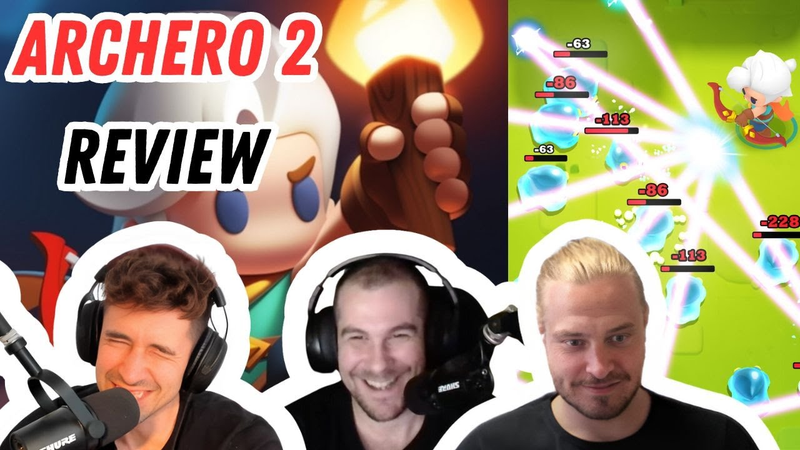
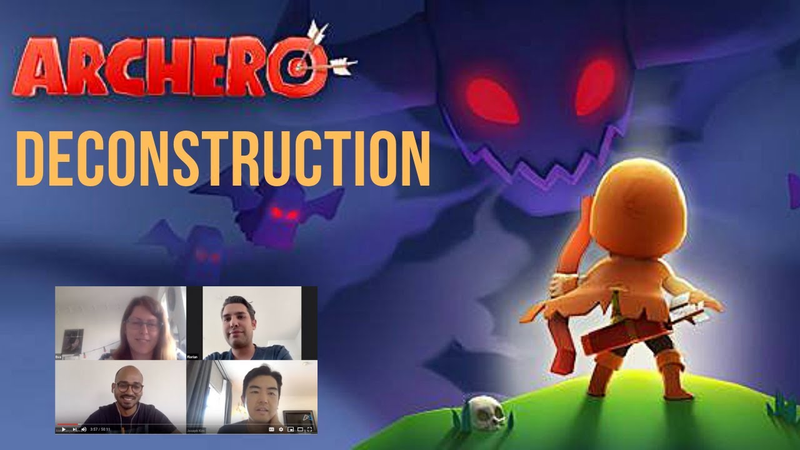
everybody the game arch arrow burst onto the scene earlier this year in April generating about 20 million downloads and over 25 million dollars in net I a P revenue according to sensor tower just in its first three months and this revenue action does not include advertising revenue the game is made by the developer hobby which is a relatively unknown small developer based out of Beijing and the key question here is how did this you know relatively unknown studio develop such a great game that has achieved so much commercial success and so in the video you were going to see today we talked with three experts Manya kumar eva girl ova and Florian Ziegler about how in particular our chair was able to be so successful and also what has our chair left on the table in other words how can our Cho actually be made even better than it is today and with so many companies trying to copy our channel I think what you will find are really key insights into
how you can actually take the existing game and make it so much better both Manyu and Eva also wrote a blog post that covered these issues on the Deconstructor thud so definitely recommend that you check that out in this video a podcast version of this video is also released on the Deconstructor of fun podcast and so with that we'll take it over to Manya eva & florian right now so actually my full name is I'll be my new Kumar but yeah I guess it's like one of the more difficult Indian name to say so yeah my friends called me my new and and yeah I've been in the industry for about a little bit more than six years now and you know worked in what the Disney Zynga and flag years before this primarily as a p.m. and started out in the industry as a game programmer but
very quickly realized that okay there are people who can probably do this better than me so but I had this knack for the design and the analytic side of things and and yeah I guess p.m. really fit well and yeah part from that I've been writing for fun for a while now and either yeah so money kind of stole the whole Disney part from I am a game designer and I one of my first cakes was for the Disney studio in Prague so we kind of shared that otherwise I've been working from Berlin since the last five years I worked this Booga and now I'm part of a tiny little up in track that smoke games to be honest we will we will have a supply very soon so that's my main main focus right now and plus I been writing a little bit for any construction fund this is my second big article and yeah I'm excited to be here
I'm curious what we we're gonna talk about today both are true thanks for having me great and Florian um hey thanks for having me I'm fluorine and I been a game designer for that 12 years now started off doing pen and paper RPGs I mean writing and making my own trading card games that kind of things and very castle designer and I did Triple A games for you be working on the settlers and force a girl working on some old war titles now moved into mobile I'm working with on Angry Birds with Mishka who is basically the foundry of the constructor of fun so that's how we not originates and since then I've been doing mostly mobile like King da and some other some other companies and now I'm consulting good bunch of files I definitely consulting and yeah it's good mm-hmm yeah sorry I didn't know you worked on total war that's that's awesome
but yeah so just moving into sort of our chair oh so since its launch in April's it hasn't even been out that long you kind of bursts the market with over the past you know three or four months and it's generated you know about 20 million downloads over 25 million in net iat revenue and that this does not include the ad revenue in the game does generate a fair amount of traffic and revenue from the US but over half of its revenues coming from Japan South Korea and Taiwan but I wanted to first maybe open up the discussion by starting with you know what what did our taro do right in order to achieve its current financial performance and what do you guys think is sort of special about our Charro and how were they able to achieve so much success so far okay so yeah that's yeah it's like a lot of questions in one question well I probably probably just start off with you know what actually God is probably excited with
the game a little bit at least for me you know it all started off with kind of everyone in my circle just talking about it because I mean the game also didn't really get a super big feat shaking or anything so I don't really notice it on store but but yeah a lot of people are talking about it so obviously I downloaded it played it and immediately kind of fell in love with it afterwards the next thing I would usually do is okay this game is so much fun I should probably check out the numbers and then you know check out the numbers on a tiny sensor tower and again like you said you know the numbers of pretty pretty impressive we were almost yeah we kind of calling it like probably the breakout hit of 2019 and and yeah that's it's probably the point where I think if I actually came up with the idea that you know she'd really like to write about it and then she said that then I was like yeah I
definitely want to hop on the battery so so right and just I guessed you know maybe we could talk about that as well because both both you and Eva did write a Deconstructor of fun blog post covering our share o in was the motivation behind writing that just the the success of the game or because you guys thought it was fun and even when you first mention that was the initial motivation in your mind well for me definitely I was looking more into the system and just seeing how the game works because I totally agree with manual like I started playing the game and I was immediately hooked and I loved it and in being being in game designer I get to see a lot of games and that this doesn't happen very often so I was like yeah this is this is awesome the onboarding is so well done and I think it's also like a big part of the success is that they don't really you know clutter you clutter your experience with I don't know introducing a complex
method on I think you're just funneled right into and you're just staying and I think like compared to games that you see nowadays on App Store this is already giving you a larger chunk of players to stay in the game longer so for me a big part of the success is just that you you start playing and you know okay this is fun okay I die I want to play again and and that's really cost me that feels really fresh so it was like okay I can write about it and I didn't say it into introduction but I'm really and I'm gonna talk about it a lot probably I'm really like you explore and it and I love crew TX and I love talking about what makes you like okay like they they've really nailed it like this is really a simple awesome fun great feedback like you know what you're doing you know how to game place from the get-go and that that was like okay I'm gonna write about what makes this happen because I think it's good that people also read about it and use that then in in in their own games because I think
there's never enough good UX yeah yeah like yeah even for me you know it was so like I mentioned you have been consulting for some time now and once even if the I did write about it and after having played it and enjoying it so much you know my the quest for like scientific pursuit of game design receptors kind of kicked into the whole thing and I was like okay this is going to be like really fun analysis to do and like the scientific exploration of what making it hurt good game design code came design analysis was fun yeah just speaking about the blog post itself I thought one of the kind of unusual parts of the blog post was the kind of specifics about the hobby team and their financial backing it seems a little bit unusual to dig that deep with respect to like health
why or how did you know to dig deeper about the team and the impact of the team's previous experience and you know some of their network in terms of the success of our channel to be honest like the whole team analysis well yeah probably they're like two reasons for it so one reason was kind of like just stumbling upon some pieces of information through my online reading and you know like just like collecting information and through through this we stumbled upon some interesting facts that into us okay probably people look at the team is good over here but I guess like a broad second reason is I mean at the end of the day a product is a product it's design decisions its marketing decisions is really a function of the people behind it and yeah it's like it's something that we generally do just before a deconstruct as kind of like a you know like ticket of the
ticket of the list and of a check that you know looking into the team and who these people are because at least from the from the happy analysis a lot of the product in the marketing decisions started to make more sense once we started to understand like the people behind it so in for the people in the audience you are not familiar cages just do like a really quick overview in terms of that team is and kind of how that has contributed to their success yeah so yeah like just a quick overview but say abroad we basically did a lot of stalking LinkedIn I'm sure like the guys that happy was about doing okay multiple types but but yeah the the team is I guess like registered in Singapore but a lot of the team member is at least on LinkedIn place themselves in Beijing and and they are like you know it was also
part of it was part of this intrigue behind the game because you know the publisher happy relatively known name at least for me and at the point when we started getting deeper into it and but yeah like it said what we found was it's a team of 12 people yeah based in Beijing I guess and and yeah the deeper we went into this into the team analysis you know the more interesting at God and like I said before you know the marketing in the product decisions started to make a lot more sense at that point and yeah but Madonna in some part of part of what you guys were saying is that that the team had the current happy team had previous roots is part of like you know hyper coming from the hyper casual space and so could you talk a little bit more about that in terms of like one of the keys to success you
brought up is how are Tarot actually targeted hyper casual players could you talk about you know more about that in terms of you know there's specific expertise and how that hyper casual link relates to the success of our chair oh yeah exactly so yeah that does actually one of the big findings and like going deep point of the team because all that LinkedIn stalking that you did brother the fact that you know the core founding team kind of moved out of Chita mobile at some point and quite relatively quite close to each other and and back you know they also worked on some of some of 2/3 very successful high potential titles and yeah that that was kind of like the first piece of the puzzle because we then start we you notice like these correlations in the core game design that were very you know hyper casually feeling and but then we
also saw that the team has like a real strong background in hyper casual we started to understand oh okay so you know these guys know how to do this and so that was like kind of the first piece at least on the product side and then on the marketing side it also got pretty interesting because we started to look at okay or yeah probably starting with the question that we asked ourselves was okay if the team actually has this huge hyper casual background are they also applying similar marketing techniques to get the game to a broader audience and to leading indicators that kind of confirmed this for us was the nature of the UA videos and also the the keywords strategy that they apply I'm sure there might be other pieces but given the data tools that we have you know this was the limits in which you were playing with but they're pretty strong indicators and
maybe talking a little bit more about the you a video specifically you know they were kind of like two key parts to the whole thing there was definitely like the the visuals of the UA videos which were when you see it you instantly know know that it is you know it is high for casual directed you know the kinds of characters they were using they didn't even some of the videos they didn't even use the actual actual character but they used a pretty popular character from some popular IO games you know it was just like a guy without a face but legs is rounded body and stuff so that was one piece of it and then the other piece of it was you know the kind of message that they were trying to bring across which is with these videos and and they are the gameplay elements that they would and of course and this was also pretty strongly focused on the hyper casual side of it yeah I would I would add actually at least on the
marketing side of it and you know there was a lot of discussion around okay is this game really high for casual oh is it something else and also on the marketing side one point that came out is you know is it also are they also going for a RPG players because as you get people in the people into the game and into the meta you start to realize it's actually a lot of action RPG elements in this in this game and and we saw the same in again in the newer videos in the keywords where you know the UA videos there were some videos especially some of the recent one in Japan that were more a RPG s showcasing like item upgrades and stuff like that and also on the keyword side they were using straight-up keywords like you know yeah PG and etcetera to get those players in and around the hyper casual side they were applying a pretty common strategy of just using
like keyword like voodoo so you know it just pops up with the other casual games so say as like yeah all this like kind of put together it's a lot of the pieces started to make sense that okay one this team like has this great background in hypothetical product design which kind of shows in the core gameplay which I guess Evo would talk about a little bit more and then the second is in terms of you know quickly validating the marketability of the game and then actually like scaling it really fast once its life they are also well experienced over here and data that we saw kind of confirmed this yeah I think you know probably matching team a tension from earlier as is we had posted on the constructor of fun before is been one of the you know big case studies of how important user acquisition and sort of marketing can be on the impact of a game but you know one of the things that you mentioned from like coming from
hyper casual one of the very important elements of the game would be the core gameplay itself and so I thought maybe we could also dig a little bit more into the core gameplay with respect to you know what are some of the things that they're doing right and maybe flooring could you kind of kick off with like what in your mind what are some of the key things that they kind of nailed in terms of the core gameplay so what I really like about the gameplay is it essentially strips the entire rope light experience down to a game that is essentially just about movement and placement so very much when I started playing it I was instantly reminded of what my favorite games Binding of Isaac we don't have to you know the viewers of this podcast know if they have very much in any space was long and more successful in indie titles couple years back and it's it's literally exactly the same gameplay stripped of everything but focusing on movements so essentially a character just becomes a platform for this madness that ensues around you you just write a maneuver around it
and I think they've done that so exfoli to kind of like just you know they always say good game design is when you can take nothing more awake it's for me it's very much this where it's like hey what if it took you know some of these successful indie games and just stripped away stripped away stripped away and I think being kind from hyper casual space I think really has helped them because ironically I'm a while ago when I was still working at a big company actually pitched something that was very much like that was like hey what if we just took a roguelike like man unless I can just slimmed it down to like a mobile FTP version and I don't think my design would have been that elegant just purely because I think coming from hyper casual face they think the other way so a lot of those free-to-play companies most of the people working it tend to be mid core or even core gamers so for example when you work in casual games to always realize that because a lot of them are not their own audience and I think when
they said about making an RPG in front make it mobile they think of their favorite core RPG game or their favorite mid core existing RPG game and they're trying to sort of distill it down to something that they feel is more casual whereas I think here they've really gone and and started off thinking hey you wanna make a hyper casual game casual arcade games so like arcade +44 something that bridges the gap between the midcourt players like she want that more both RPG gameplay and those people who have actually never played that come again before and I think that that's what its Haga team is really spot-on and I think it's explicitly because they they come from the other direction of casual so this big does that make sense yeah yeah definitely money or even do you have anything more to add to that or is that a pretty good sort of characterization of the core gameplay yeah I mean like you can you can pleurisy the inspiration coming from Binding of Isaac and also slightest fire the abilities role to choosing one
amulet out of three like yeah I do remember I was talking about you know it could actually be you know like sorry and said that you know they approach the game design from the completely opposite direction and I don't know maybe they are like maybe they really love a RPGs and you don't want it to kind of create this highly accessible broadly appealing experience at the end of the day yeah okay well how about now talking more about the meta design and maybe just starting with just sort of the good parts of the minute design can you can you guys talk about what do you think are some of the the more interesting or a good parts of the minute well so yes so I think like I can start by describing the metal design I mean it's it's not so complicated and will also allow us to visualize it a little bit so there are basically two big chunks of it
like the one is you're getting XP by going through the dungeons you level up your avatar you get some parrots or abilities through that and the other one is the whole item system where you drop items so you can somehow fuse them and increase their stats again and at some point also level them up keep basically it's the whole system is kind of RPG in the terms of how to starts work and how they reflect in the core game so you have damage you have HP you have healing powers and all sorts of that and I think like death is actually really fitting this sort of game I mean the game this is what the game is about the game is about going through the dungeon and giving giving damage and trying to survive having some sort of health points on your character so I think like the match is clear in the way that the players know immediately what to strive for I need to level up this I need to level up that to be stronger to to last
longer in the dungeon yeah okay great and in in terms of like that title of the blog posts that you guys published you know the tile kind of alluded to the fact that you guys felt that arch arrow actually left money on the table so I wanted to dig into that in terms of you know what are some of the areas that you think our chair could improve upon to make the game an even bigger success than it is now yeah so so so that's the other part of the meta like the other point of view so like if you spend some time in the game you will realize that you're not really progressing right you're stuck in the progress because the dungeon gets too difficult or too brandy and then you also have hard times progressing like actually tangibly progress saying whether it is your items or with your other power levels and there are some I don't know into like how much detail we should get here but
basically your effort the effort that you put into the energy that you spent in game energy and your time isn't really koala dated in in the games progression which technically is a grind we can call it a grind and what happens this Archer at some point is that you get stuck in a moment when you don't know how to progress right so you've been grinding through the dungeon you're stuck because you're just gonna get farther because it's difficult your stuffs aren't high enough to help you get through at the same time you basically have no option right and that option at some point would be a conversion point but the way the metal system is designed in in our churro that's actually not not really the option I can I can explain that a little bit I think that would be helpful so basically what happens in our churro is that you've got this set of items which is the kind of main monetization focus and the problem is
that as soon as you get an item of a certain level of a certain quality tier you're immediately out of the need of an item of a similar quality like I have a bow on epoch tier I don't need another item on an epoch tier which is a weapon because that item will be worse than my item because I've been leveling my item in the mean time so that makes all my purchases kind of a moot point because why would I try to purchase something better when I know that I can't really get it through the random mechanics and through how the drops are made etcetera etcetera so so for me this is like the moment when I feel the game could be improved in terms of offering players something of value something of value to purchase and something that would again like reflect into the dungeon and of course like we all know that content expensive and there is a certain amount of content in our churro that you're probably very likely designed to get
through as a certain pace so so I would think that like what would be really helpful for Archer would be create something around how does my session look like what do I do in the game what is my goal of this session which on the I would need to call it exactly endgame was like two three months in the game is basically all let's try this dungeon I died I tried ascension I died okay I achieve nothing over the session I'm churning and churning and churning does this make any sense yeah yeah I guess for me like it's you know if I was like summarize them like the problems with the meta is it kind of feels like a highly whichever metaphor me mainly because oh yeah for me like the core reason is just step everything points to this very very slow player progression like you over saying and and yeah probably that's not
like a very good fit for you know like this highly power driven metal design where you know you really want to keep getting more powerful and powerful but everything just like standstill after a point and you know it's it's not yeah in terms of like you know match of the meta design to a key player motivation that just doesn't exist and and yeah in terms of and like what are the contributing factors to this yeah pretty much yeah pretty much everything like Eva just said so but yeah that's it kind of kind of feels like a little bit of for lack of better word probably like this slight crime committed to the core game which is actually so much of fun but again it's more around the balancing balancing and tuning or kind of either you were mentioning creating reasons for having you know multiple powerful weapons for
example whether it's through you know like some of the tricks that people use in terms of got your roster you know typed by having different event types and things like that that you can only use in certain types of events or like what's the more important factor for them to focus on do you think I think it's definitely a little bit of both like their most recently that's also interesting if it's going to be out by the time the podcast goes out but there was a recently post on their Facebook page where they're said that by the end of August they would be introducing a set of heroes like instead of one hero you'll have heroes no one knows obviously what it means by now but the overwhelming amount of comments under that post was please fix level seven because that consisting only of bosses and wherever you go on reddit on discord on Facebook maybe like a five
you know group of five heroes and then kill all the bosses so just to answer your question sorry Florian there's definitely something that can be done on the balancing side yeah but I think issue is really that the whole item loop is just missing something because you're dropping very low amount of of items you can go and invest and buy gems and open chests and get more items but in the end it's the way the system works right now you'll just be stuck with a lot of items which are of no use they are not stronger than any things you already have you cannot use them in any sort of like fusion merging system to upgrade your existing items so like this whole thing kind of feels like not really standing properly in the game flowing you are seeing something and yeah I think it feels a bit like you know they've softened a bit maybe too much victim of their own success because I
felt the meta was very much oh just for like you know a couple of days in the mill churn that's how it felt and so they had this strong it out so very brave a long time it made a very grinding because there's a lot of things like there's no reason why I want a specific item another item you technically have differences for in terms of what they do to my gameplay the difference is marginal and repeatedly I'm missing sort of a higher motivational structural why I'm doing a certain thing sure I can try to get to the next level but as soon as it gets grinding I'm like well why am I doing this and why I do you know as ever set do I have all those items you know I can't even go and change my strategy to maybe give myself a higher chance of winning so I think giving players the ability to actually both have more overarching goals either with events or or some other means like you know better better PvP victimís a or better position or by actually making different strategies valid through items so actually if I can't hand hunt vertically for better things than at least laterally so I can go or maybe this different strategy will actually get me forward as opposed to just more power
you know the point that's why I'm brought out about I guess I guess do anything to like an attacking on a meta system is something that we kind of like noticed even in the data where they had or where you know I had this introduced a meta system just about a month a little bit more before the actual ad launched which but for a meta system like this you know one would instantly think is a month really enough really testing and optimizing and perfecting the experience of it but yeah yeah for all the reasons mentioned it kind of shows the weak spot so yeah like you can see you can see if you've been playing the game for a while that the meta system is designed for the like first two weeks of gameplay because in those two weeks you will be getting better drops and somehow you'll be able to see like a substantial tangible progression in your whatever your equipment on your avatar is and the same thing goes for like leveling the actual
avatar it will happen quite often so you will feel that the game is you know giving you some sort of tangible progression at some point this completely turns I was experimenting with like III converted quite early yeah yeah the early package is really nice I'm gonna buy it my new makes fun out of me because in your face I think it is because you told me to buy and then I then I both like one or two more packages anonymous so and that was by the time you started writing the article and I was playing a game and I was like oh wait this just doesn't work at all and I was like I'm just gonna buy the next package to see if it will be tangible if I'll feel any sort of progression and it was one of these packages with like five obsidian keys to do you know to the better chest etcetera and it just like I didn't get one single item that would have been anyhow beneficial for me was like yeah this is this is really bad this is kind of this
kind of answers like your question like where would you look for improvements that would be how do you change the system like the whole meta system in terms of enabling repeating for repeated purchases right there holy grail of a game so yeah at least so I didn't make the I didn't go ahead and do a second purchase but yes I but well yeah like like you were saying you know and you know they're talking but also the fusion system of the game and you know how there's like so much room for improvement of that wheel system because you know like using you kind of get this huge inventory of items that there is just like an ax lying around but the way the fusion system is set up it just does not cater to actually kind of making all those items a little bit more significant so
that's yeah that's definitely a big opportunity area and another opportunity ever you talking about was just live ops like what is happening over there I mean so so now they're at least the update post said that they're coming out new heroes but one one idea that you know could be pretty simple given their procedural level generation systems that they have could be to kind of just repurpose and resell some of content that they have in the form of different modes and actually make LiveOps way more interesting that coupled with you know the balancing fixes and the fixes to the fusion system design could make for a pretty powerful change to this whole the whole like longer-term LTV tale but yeah I know that's who knows maybe they listened to this podcast kind of interesting how you
guys dug into you sort of the the team in the in the sort of team's history coming from hyper casual it makes sense right that the meta systems design I mean you know hyper casual games don't have any have any robot right so like the fact that it isn't as developed and that maybe they weren't they weren't initially designing for a longer term more more deep more complicated player type kind of make sense and so now you know for them to start to move in that direction as they you know bring in a wider audience and to see what actually is going to help them make more money is it to just keep it very simple or to start developing death and to make it make extend the game's lifetime I think this you know it's gonna be really interesting to see where they go and then also another opportunity for other folks out there as they're looking at because there's there's like 50 develop a hundred hundreds of developers I'm sure I mean I I know like five to ten myself we're like oh we're gonna work we're working on an archery game play
[Laughter] there's a there's plenty coming but it from the sounds of it it sounds like we're you guys see probably the biggest potential opportunity would be in terms of like optimizing the meta yeah for sure it's a you know we mentioned the article that that's really the next big challenge for the team so you know everything does make sense given the the roots of the team and the roots of the product but but they are like kind of building out the meta systems of the game to actually support longer-term player engagement is the big opportunity area not just for happy but for these 5-10 developers that you know and probably hundreds more interesting that have a before published is this hyper casual game called slidy you know you slightly box you you make lines and basically the one option that you have in that game is after a certain time or after a certain level you unlock another mode which is slightly more
difficult mode which uses the same for mechanics but just upgrades it a little bit this like these freezing blocks and exactly the same thing happening in in Archer ohm and they introduced the hero mode which is basically oh this is the exact same dungeon with very similar levels same or slightly modified enemies and that's basically it so I think like there's a lot of room for improvement when it comes to live ups and like they already reuse the content so they can do it like a little bit better and that's what I was kind of getting at with the whole session thing right now because you want to come in you want to achieve something and you want to leave with boots rewarding healing and that would be really cool because I mean we started writing this article and we talked about this game because we really liked it it would be great to be able to more in the game right now one other thing I thought might be interesting for us to talk about is you know given its impressive numbers the East I think the majority of the game's revenue comes from Japan South Korea and Taiwan but it's also doing
fairly well in the u.s. so you know very few games you know there's a lot of games from the East that don't translate well here and vice-versa but I wanted to maybe ask you guys in terms of what do you guys think is contributing to its success both in the East End here and potentially what can they do to make it better in terms of Western performance some theories so one is that I you know I know that you guys were classified a bit as I have a casual game but I I would like to first like outrage plus because it very much it's not you know because of the addition of a light metal she translates into like a longer term ambition you kind of doing that for purpose rather than sort of just you know endless to be starting and I um I think it's the combination of that and the high skill ceiling that makes it likable in the West so you can just
immediately jump in and there's nothing much you have to understand you know it's very skilled riffing driven so even when I reach the um you know like quote-unquote Asian grind in us because they seem to have a higher tolerance where I always think I can kind of wing it for a bit because you know you can actually get quite far if you play the game really well without needing to engage with this world like meta slog and there's like some people posting videos but it I can assure like I look this is this is how far I can go without you know lazy investing the same on the meta then you do so this accessibility plus high skill ceiling coming I think makes it much more palatable to like Western audiences I can come in I can just play this and if I feel it gets grindy I can tell myself the narrative or I can still get better because a lot of the other titles that have been successful I can tell myself is narrative I have to get sit down as a blender like well I know exactly I need like 500 more of these wibbels and I know how long it takes to get them so I'm out where's in Archer work and go
like hey I I could just play a bit better and I will make it anyway yeah they I have an important question Floria how far are you in the game oh I would actually look neat to like close my phone right now which which you guys are running on and check it out but I think like so if you play this one and you tell me that you can just get a little bit better and it's all going to be fine well I mean that would kind of speak for it though right well you actually put input in something because I think the downside is that from a desk perspective when you have this high skill ceiling where a good player can get solved without paying you in ewa to at them wake or like all right Nate like now it's time that you know I sort of
have a feeling they're doing this even in the when they generate the levels like I know this is like super subjective observation but I have the feeling that if I get lucky and I get lots of good abilities in the first part of the dungeon it gets substantially more harder more hard harder than then if I don't and that feels like dynamic balancing to me well I'm sure there's some some amount of time and balancing but like it's not like it's a hard border right like a lot of these sort of more traditional RPG games you're finding mobile they will literally put a hard border there you know or more like something that that is so dependent on like a miniscule amount of luck that you know you can't do it wait just don't have the right elements or you don't have the right rarity of character and all that kind of stuff whereas you know yeah sure it's gonna be not hard but you can still wing it in a lot of cases a lot further and you could do in most of the other ones yeah so you know just like coming back to this I was it appealing to both eastern and western audiences you know a little from the
constructor of one group I think put it quite succinctly and he said I Tarot is kind of this diet coke version of Diablo and I felt like that really captures it quite well and yeah you know like for the reasons that florian mentioned definitely does appeal to the western audiences also but also it's a RPG ask elements the legend is these games are quite famous in in the east but yeah I mean you know talking about the improvement areas you'd say like the the game actually is is still very for a time for real fundamental product improvements and the matter but and these product improvements are actually going to have big impacts in both markets so you know really feels like more of a first priority then rather like focusing on a certain market but damn okay and so I
just have a final question for you which is you know what are some of the given the success of our chair what we've kind of learned from what they've done and I think we all agree that the team that has done an excellent job and this is you know really as you put it on you kind of the breakout game of this year what are some of the key lessons we can take away from our chair oh that is free to play game designers or product managers we can integrate into other games I'm going to kind of jump to what I said in the beginning and I would say like UX is really crucial right like know who's on your core loop and focus on like the first-time user experience I think that's already a huge chunk of a success of running game and it's kind of bound together like if you over complicate your core game then your onboarding is going to look clumsy and it's going to be complicated and it's not going to be immediately understood so like I really like that they bring to the table this whole idea of hey core game is like this fun thing that you
want to do over and over again and you want to stick with it and then you can figure out what you sort of put around it right and I feel like that gets a little bit forgotten these days that the meta becomes way more hey way higher focus in lots of studios and lots of games and I was just like this feels a little bit like coming back to to the basics coming back to the core coming back to hey you know if I can design a game that you'll be willing to play all evening like hey can I get more can I get more which is a very arcade feeling in a way then then we'll get more by the games and that's a good thing right yeah at least for me like it was my kind of like came up with like three possible things that we could learn and yeah a big thank you to the guys it happy to probably like teach us these things and kind of remind us of these things but first one is you know just like you were saying the power of just a great coal loop and you know that is essentially
the foundation of any game and once you have that strong foundation you can you can build you can build big on top of that I guess the second one is just around this point of simplicity you know and again just the sheer the sheer power and appeal of just very simple systems and how far that can go for from an appeal perspective given this Eastern Western market appeal point that we talked about and also just from a broad marketability experience so say I said that would be a second and I guess like the third point is know we kind of alluded at the end of the article to this trend that might kick off we're more of a design trend where we we were talking about you know people finding
people like putting hybrid monetization models and you know like simple meta systems on top of very very fun core core gameplay systems and and yeah you know we don't see too much of that today but yeah that's really what I feel a game is all about actually another day you know it's super fun and yeah you can probably pay a little bit to get get to where you want a little bit faster or if you're enjoying it and and then once you're really deep the meta is also interesting so yeah so to be my maybe one more thing that kind of didn't get mentioned throughout the whole podcast and it's kind of Archer specific by also isn't it's like this whole the whole idea of the feedback that the game is giving you is so polished an archer oh and it's just like the player is hardly ever lost even when there's 15 enemies on the screen and they all have different attacks and you have different attacks you're never really feeling lost like the game
constantly informs you of what's happening and at the same time it constantly informs you of what's happening to you like you go to the dungeon and most of the abilities I can't think of one from the top of my head which would not have it reflect visually in the game you know like you get this the bubble the invincibility star or you upgrade multiply or arrows like all these things like climbing this leather of cover over and over again in the dungeon I think it that's that's a very big part of the hook that kind of got emitted from what we've talked about so far and I feel like that should be mentioned because it's not just the core loop it's not just the core mechanic where you go and shoot and it's nice to control and easy to control and their skill involved but there's also this whole like the game it's really communicating to you that you're doing better and better and better and then you die and you want to do it again enroll for but ability so there's definitely something that can be applied to border broader scheme of games than just games which would be exactly like
archery so and that's the part that I really really enjoyed this sort of experience yeah fully really far by the way that it I think those transcends UX in the sense that I think what it does really well is that um it's a little bit like candy crush what would babbling well I guess really small inputs triggers a massive cascade of sort of like you know endorphin inducing things that have happened and you always feel powerful and you feel like you know as you go along you just increase the amount of visual magnitude you get and like I think it's quite quite a nice thing to have endless games to kind of get a lot of feedback for like very little input which is quite nice and for me the biggest learning is actually there I I think it is might be a bit controversial but I think that you know the the mobile and free-to-play industry can sometimes be a bit self referential where people don't really look very much outside you know the games that exist within this segment so
if it's variants like classical box triple a and and free to play and then sort of indie that you know they're like oh let's make another farm again with this twist or let's you know let's do something with meta tree that hasn't been done before blender where's I think this those guys have been cream looking at the English segment and traditionally in any segment is where the new interesting fun gameplay is right because those people are not beholden by you know budget like budget considerations and you know compressing policies and no risk and all that kind of stuff and I think the big learning for me is hey you know looking into introduced other more niche game types and more which game daily experiences is is actually really can really move the needle and make you stand out and increasingly crowded yeah that's a great point to make thanks for that I would I would also probably add to Florian's point saying yeah you know like the big giants of games just don't exist in the free-to-play market and
like Florian said they definitely also are there and they in the indie side of things and yeah Abbey has definitely also taught us a lesson and kind of just standing on the shoulders of these giants and like then building a really great experience for for another market which is free-to-play so yeah I think that's a billion point from Florian all right well thank you very much for your time and yeah if for the for the people in our audience if you haven't checked out Archer definitely check it out fantastic game and make sure you also go to Deconstructor fun and check out the excellent blog post right up from eva and one you thank you very much for your time guys all right thanks [Applause] [Music]
[Music]
Summary
Archero represents a pivotal shift in mobile gaming, demonstrating the efficacy of hybridizing hyper-casual accessibility with mid-core RPG depth. Launched in 2019, the title achieved rapid global scale, securing 19.8 million downloads and $25 million in net in-app purchase revenue within its first three months. This success stems from a design philosophy that prioritizes intuitive, movement-focused gameplay and high-feedback loops, effectively bridging the gap between casual players and those seeking the strategic complexity of action-RPGs. By applying hyper-casual user acquisition tactics to a more robust product, the developers successfully captured significant market share across both Eastern and Western territories.
Despite this strong foundation, the game faces substantial challenges regarding long-term retention and monetization. The current meta-progression system is characterized by a restrictive grind wall that frequently fails to reward player investment, leading to frustration and eventual churn as users reach the endgame. The item fusion and drop mechanics lack the necessary strategic depth to sustain engagement, resulting in missed revenue opportunities and a perceived lack of utility for accumulated assets. These structural limitations highlight a disconnect between the game’s engaging core loop and its shallow, repetitive progression systems.
To maximize future performance, developers must refine these meta-systems to provide more meaningful rewards and diverse strategic options. Leveraging existing procedural generation technology to support more dynamic LiveOps content could alleviate the current stagnation. Ultimately, the trajectory of Archero serves as a case study for the mobile industry, suggesting that the most successful future titles will be those that look beyond standard free-to-play trends, drawing instead from indie design principles to create distinct, innovative experiences that balance immediate accessibility with long-term depth.