indie
CompanyUnited States
Documents about indie

Coronavirus Good for the Industry? | Game Dev Unchained Episode 218
The COVID-19 pandemic serves as a critical stress test for the global game industry, forcing an immediate and widespread transition to remote work.
- The pandemic acts as a stress test that forces a permanent transition toward flexible, hybrid work models, potentially reducing the industry's reliance on traditional office-based crunch culture.
- AAA studios face significant productivity declines and technical hurdles due to their historical dependence on centralized office infrastructure and specialized high-end hardware.
- Indie developers face existential threats due to the loss of industry conventions, which serve as essential platforms for marketing and title visibility.
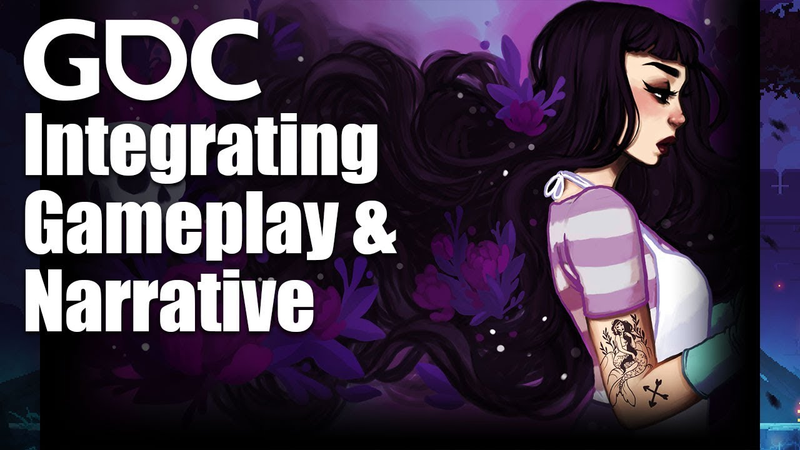
Storytelling with Verbs: Integrating Gameplay and Narrative
Narrative design functions most effectively when treated as a core component of game design, where gameplay mechanics—or "verbs"—serve as the primary building blocks for storytelling.
- Gameplay mechanics, or 'verbs,' should serve as the primary building blocks for storytelling to ensure that the player's physical actions and the narrative arc remain cohesive.
- Integrating narrative design as a core component of game design from the start of pre-production prevents ludonarrative dissonance and streamlines the development process.
- Designers should define characterization and world stakes by analyzing the implications of player actions, such as how 'defend' implies survival while 'attack' implies aggression.

Coronavirus Ruins GDC, Stadia and Geforce Now Deflated, Riot Games Valorant | Roundtable News
The global game industry is currently navigating a period of significant structural transition, marked by the disruption of traditional networking events like GDC and a broader shift toward digital-first engagement.
- Riot Games is diversifying its portfolio beyond League of Legends by launching Valorant and Legends of Runeterra to capture market share in the tactical shooter and card game genres.
- Cloud gaming platforms face significant viability challenges, as Google Stadia struggles with a lack of exclusive content and publisher incentives, while Nvidia’s GeForce Now deals with major publishers withdrawing IP to protect their own monetization strategies.
- The cancellation of GDC and other industry events is accelerating a permanent shift toward remote collaboration models and digital-first engagement within the game development sector.

So a highschooler emailed me about game dev......
The provided text outlines a series of professional insights regarding the indie game development industry, framed as responses to a high school student’s career-oriented inquiry.
- The game development market is increasingly saturated due to lower barriers to entry, requiring developers to prioritize player-driven mechanics similar to those found in Minecraft or Roblox to remain competitive.
- Formal game development degrees are often less valuable than engineering degrees, which provide more tangible and transferable skills for the industry.
- Success in the industry depends on the ability to solve complex technical problems and maintain resilience against public criticism.
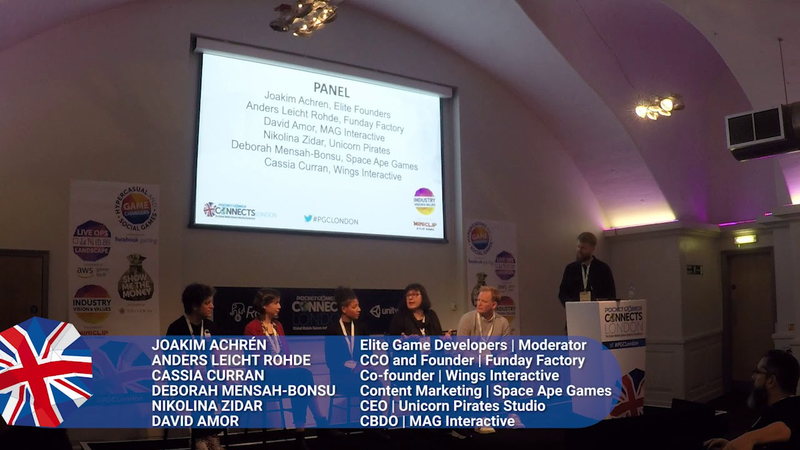
Panel: Games for Good
The panel discussion, held at Pocket Gamer Connects London in January 2020, explores the integration of social responsibility, diversity, and environmental sustainability within the video game industry.
- Inclusive organizations experience a 30% to 40% increase in performance, demonstrating that diversity is a strategic driver of profitability rather than just an altruistic goal.
- Modern consumers increasingly demand that gaming brands take public stances on social and environmental issues, making purpose-driven initiatives essential for maintaining market relevance.
- The traditional reliance on a homogenous demographic of young, male developers has historically restricted the industry's creative scope and limited potential audience engagement.
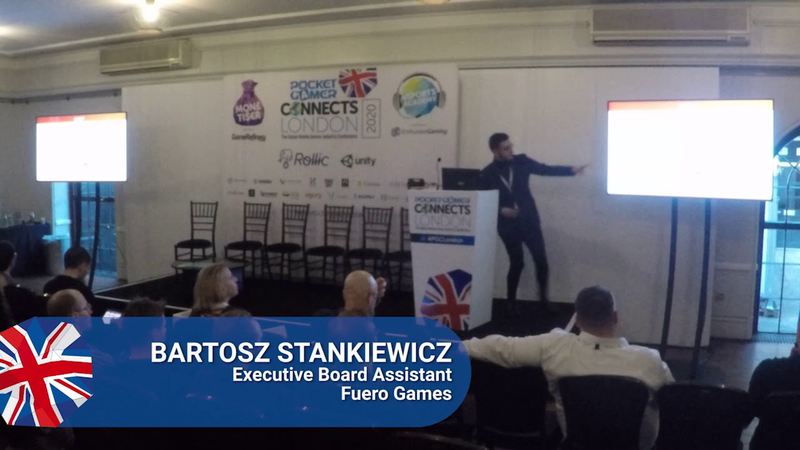
Esports for Indie Developers
The esports industry, traditionally dominated by high-budget AAA titles, offers significant, accessible opportunities for independent developers.
- Implementing cash-enabled tournament features can increase 30-day player retention by up to five times compared to non-competitive game models.
- Indie developers can bypass high internal development costs by utilizing third-party infrastructure platforms like Skillz or E-Games for SDKs, legal support, and analytics.
- The global gaming industry was projected to reach a value of $189 billion by 2022, highlighting the significant market scale available to independent developers.
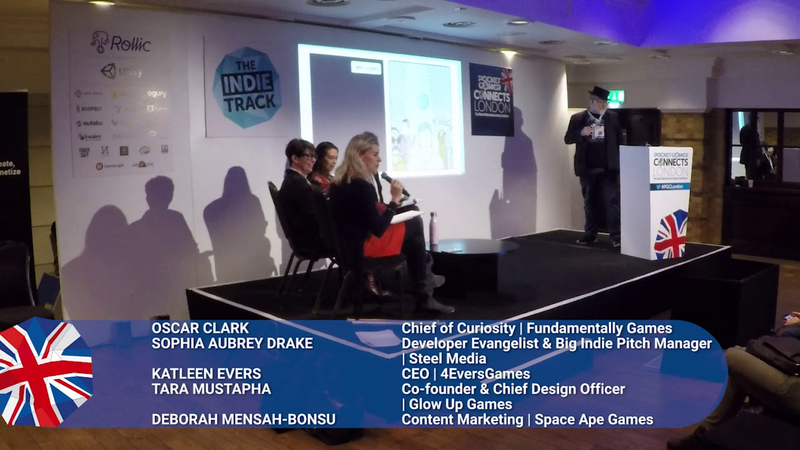
Panel: Fantasy Pitching
The creative process of game design relies heavily on the ability to synthesize disparate themes into cohesive, engaging mechanics.
- Successful game ideation often relies on pairing high-concept or absurd narrative hooks with established, robust management systems.
- Rapid iteration and the ability to synthesize disparate themes into cohesive mechanics are essential skills for developers navigating the competitive indie landscape.
- Innovation in the indie sector frequently emerges from unconventional premises, as demonstrated by titles like God of Gym, Cutie-Wootie, Pets Attention, and Adorable Home.
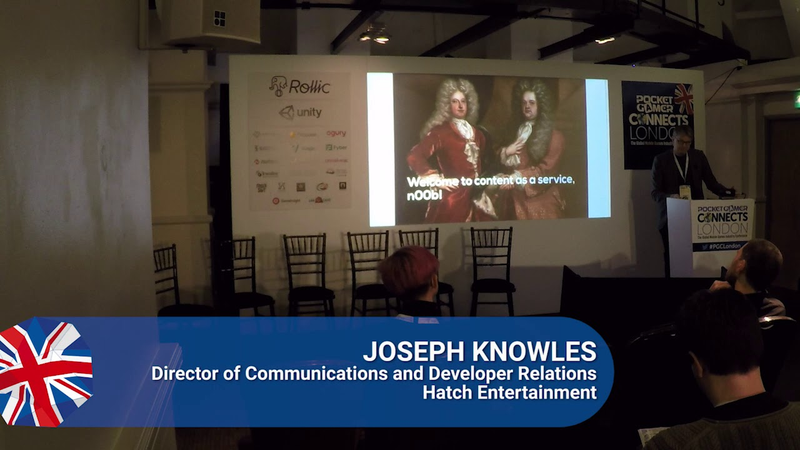
The State of Cloud Gaming & Where Things are Going
The state of cloud gaming in early 2020 reflects a significant shift toward infrastructure investment by major technology firms, signaling a transition from experimental concepts to a viable market segment.
- Cloud gaming acts as an audience expansion tool rather than a platform replacement, specifically targeting 'blue ocean' demographics like lapsed gamers and users in regions with low console penetration.
- The industry is shifting from video-based streaming to command-based streaming, which is more efficient for mobile environments and requires a mobile-first design philosophy to succeed.
- Subscription models paired with streaming technology reduce friction between publishers and players, provided services offer intelligent curation and social features rather than functioning as passive content warehouses.

Mix and Jam: Becoming a Youtube Influencer with Andre Cardoso | GduX.me
The global game development landscape is increasingly defined by self-directed education and the democratization of technical knowledge.
- Publicly documenting the development process and sharing open-source code builds a loyal, invested community that serves as a more effective marketing strategy than traditional promotional tactics.
- Game jams act as essential infrastructure for professional growth by providing low-stakes environments to refine technical problem-solving and collaborative communication skills.
- Early and frequent playtesting is a mandatory practice to reconcile initial design intentions with objective player interaction, ensuring mechanics resonate in a crowded marketplace.

The $0 Budget Marketing Guide with Victoria Tran | 215
Effective game marketing transcends simple awareness, requiring a comprehensive strategy that spans the entire player journey from initial consideration to post-purchase engagement.
- Successful marketing requires a comprehensive strategy covering the entire player journey, moving beyond simple awareness to focus on a unique hook that appeals to audiences outside the core gaming demographic.
- Developers should adopt the 80/20 rule for community engagement, ensuring they provide value to their audience through four parts of content for every one part of promotional asks.
- To mitigate the risks of subscription-based models that favor procedural gameplay over narrative, developers must prioritize building direct loyalty through owned channels like Discord and newsletters.
$0 to $1 Million: The Raw Numbers Behind Indie Success
Independent game development success relies on balancing creative vision with rigorous financial discipline, as there is no singular blueprint for studio longevity.
- Indie studios can adopt two distinct financial models: Kitfox Games utilizes a diversified portfolio approach with multiple concurrent projects to mitigate risk, while Clever Endeavour Games focuses on a single, long-term project (Ultimate Chicken Horse) to maximize depth and community engagement.
- Revenue streams for independent studios are heavily concentrated on PC platforms, with Kitfox Games reporting that approximately 91% of their total revenue is derived from Steam sales.
- Financial sustainability requires aggressive diversification of funding sources beyond initial game sales, including government grants, incubators like Execution Labs, Kickstarter campaigns, and work-for-hire contracts to cover lean periods.
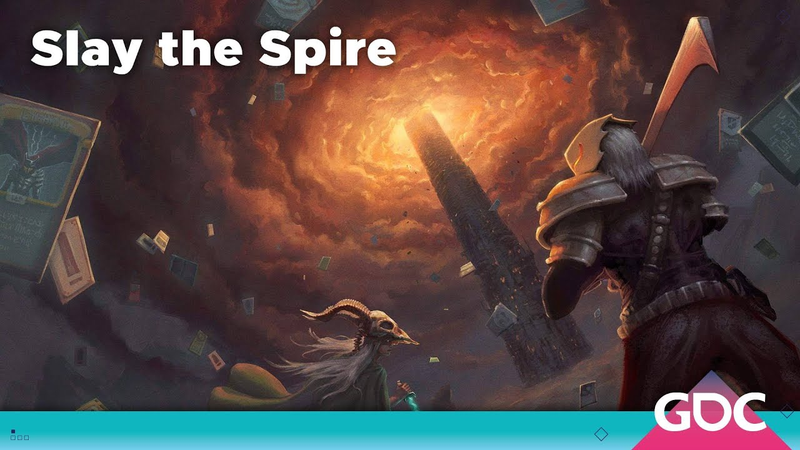
GDC Plays IGF Nominee Slay the Spire with Casey Yano
The success of Slay the Spire stems from a community-driven development philosophy that prioritizes player experience over rigid mathematical balance.
- Slay the Spire utilized Steam Early Access to gauge market interest, releasing with two of three planned characters to determine if the project warranted completion or should be scaled back.
- The developers leveraged gameplay data uploaded by the community to inform balance changes and identify which card mechanics were underperforming or confusing for players.
- The game's map system was inspired by FTL: Faster Than Light, shifting from a blind sequence of encounters to a visible, branching path that allows for strategic, long-term risk-reward decision-making.