indie
CompanyUnited States
Documents about indie
3 Easy Effects To Make Your Game Look GORGEOUS | Let's Play Neversong Episode 4
The primary purpose of this presentation is to demonstrate how specific visual effects and post-processing techniques can enhance the aesthetic quality of a 2D game within the Unity engine.
- Removing core post-processing and environmental effects results in a 20% to 30% reduction in a game's perceived ambient quality and emotional impact.
- Trail renderers applied to character sprites effectively simulate motion and energy, enhancing the visual fluidity of 2D animation.
- Color correction ramps, created using one-pixel-high gradients, provide precise control over shadows, mid-tones, and highlights to establish environmental mood.

What's an actual Steam game look like in UNITY? | | Let's Play Neversong Episode 2
This analysis examines the technical development and design philosophy behind the indie game Neversong, utilizing the creator’s own development environment to illustrate core mechanics.
- Game feel is achieved by integrating event-driven programming where Spine 2D animation keyframes trigger specific Unity scripts for particle emissions and randomized audio pitch variations.
- Environmental audio immersion is managed through Unity audio snapshots, which apply location-specific reverb to voice acting based on the player's immediate surroundings.
- Combat responsiveness is enhanced by physics-based feedback, such as implementing specific bounce effects triggered by downward sword swings.
RIPPING OPEN my Steam game in Unity | Let's Play Neversong Episode 1
This analysis examines the development and technical architecture of the indie game Neversong, a 2.5D adventure title developed in the Unity engine.
- Neversong achieved its 2.5D visual style by rendering the game world in orthographic mode and using custom scripts to simulate parallax through Z-axis manipulation.
- The development team targeted a goal of 50,000 Steam wishlists ahead of the game's May 2020 launch to ensure commercial viability.
- Character and object animation relies on Spine 2D rather than traditional 3D cloth physics, while environmental interactions like vines and elevators utilize custom physics scripts.
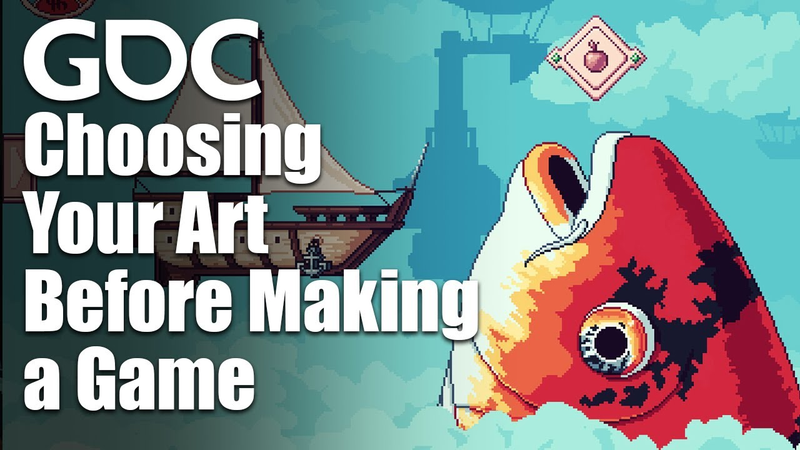
Aesthetic Driven Development: Choosing Your Art Before Making a Game
Aesthetic-driven development prioritizes the creation of visual assets and audience validation before formalizing gameplay mechanics.
- Aesthetic-driven development uses visual assets as primary market research to validate audience interest before committing to full-scale gameplay production.
- A two-person Latvian studio successfully validated their game's art style through a 40-day visual testing phase, resulting in 10,000 copies sold within seven months of early access.
- Developers can gauge market appeal by posting daily visual concepts on social media, using metrics like likes and shares to filter ideas based on audience engagement.
BIG INDIE PITCH: MOBILE WINNERS | PGC Digital #1
The Big Indie Pitch, held during the inaugural Pocket Gamer Connects Digital conference in April, served as a global platform for mobile game developers to showcase their latest projects to industry experts.
- The Big Indie Pitch at the April Pocket Gamer Connects Digital conference featured 24 global developers presenting projects to 15 industry judges in a speed-dating format.
- The top honor was awarded to Paper Game, a platformer that utilizes a custom engine to allow users to generate levels by drawing on paper or photographing household objects.
- Rek Out was recognized for its potential as a couch multiplayer experience by blending mechanics from air hockey, breakout, and Rocket League.
Scaling to 10 Concurrent Users: Online Infrastructure as an Indie
Building robust online infrastructure for independent games requires a strategic balance between technical capability and resource constraints.
- Prioritize core game mechanics over complex infrastructure, as the time and capital required for sophisticated backends often yield diminishing returns for small studios.
- Avoid microservices architectures, which introduce excessive deployment overhead and multi-hop asynchronous management challenges that can overwhelm indie teams.
- Use WebSockets or gRPC instead of standard HTTP protocols to ensure the bi-directional communication necessary for real-time lobby management and game state synchronization.
5 Reasons Why Game Development is the Best Job!
Game development is presented as a premier career path, particularly for independent creators, due to its unique combination of financial potential, low operational barriers, and creative versatility.
- Indie game development offers the potential for six-figure earnings that frequently surpass the salary caps associated with traditional corporate design or marketing roles.
- The business model requires minimal overhead, as digital production eliminates the need for physical infrastructure and limits expenses primarily to personal salary and software subscriptions.
- Developers can maximize financial returns by 'double dipping,' which involves generating simultaneous revenue streams from game sales alongside ad revenue from content creation and live-streaming.
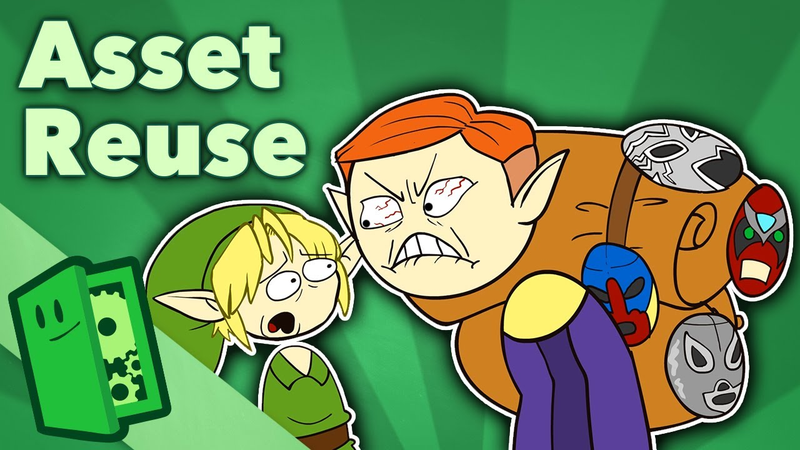
Asset Reuse - Working Smarter, Not Harder - Extra Credits
The practice of asset reuse in game development is often unfairly stigmatized as laziness or cost-cutting, when it is, in fact, a strategic design tool that allows developers to prioritize innovation and depth.
- Asset reuse is a strategic design tool that allows studios to shift finite resources away from redundant technical labor and toward core gameplay, narrative depth, and world-building.
- Reusing existing assets can enable rapid production cycles, such as the 16-month development timeline achieved for Dragon Age 2.
- Successful implementations like Fallout: New Vegas and The Legend of Zelda: Majora’s Mask demonstrate that reusing assets can facilitate superior role-playing depth and unique narrative experiences.
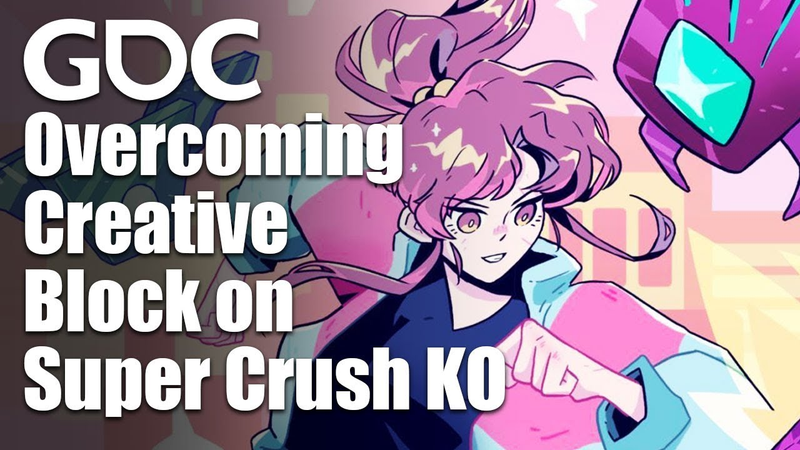
Independent Games Summit: Overcoming Creative Block on Super Crush KO
This presentation explores the psychological challenges of creative block and burnout within the independent game development industry, specifically drawing from the speaker’s experience as an art director on the title Super Crush KO.
- Creative block often stems from a misalignment between a creator's high standards for discernment and their current capacity for execution, rather than a lack of talent.
- The high-stakes environment of indie game development can trigger burnout, as the pressure to replicate past successes often leads to increased anxiety and fear of failure.
- Recovery from severe exhaustion and creative stagnation may require a significant hiatus, such as the month-long break taken by the art director during the 2017–2018 development period.
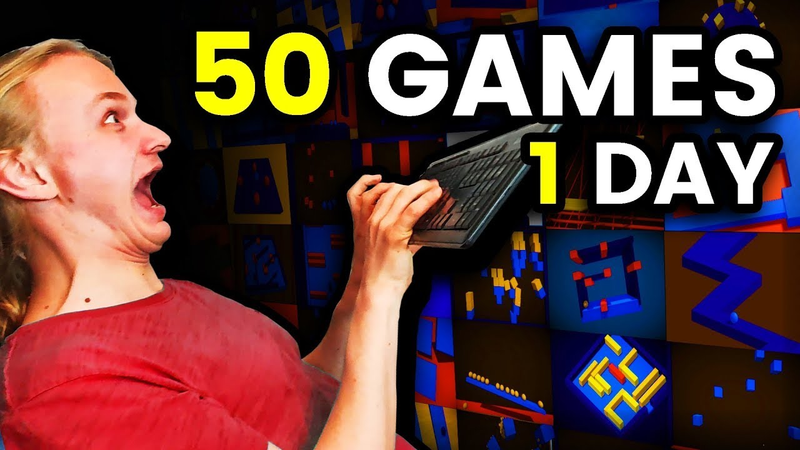
Making 50 Games in 1 Day!
This challenge explores the creative potential and limitations of rapid game development by attempting to build 50 distinct games within an eight-hour timeframe using the Unity engine.
- Rapid prototyping under extreme time constraints—such as building 50 games in eight hours—forces developers to abandon perfectionism and prioritize core gameplay loops.
- Allocating approximately ten minutes per project necessitates the use of a pre-prepared library of reusable scripts for movement, collision detection, and spawning to minimize technical overhead.
- High-volume experimentation acts as a catalyst for innovation, often leading to spontaneous and unconventional design choices that would be overlooked in traditional, slower development cycles.

Making indie game money in the midst of this virus...
The primary objective is to demystify the financial landscape of independent game development, specifically addressing how developers secure funding and sustain operations.
- Relying exclusively on direct game sales is insufficient for most independent studios, necessitating a diversified revenue strategy to ensure long-term financial viability.
- Successful indie financing typically involves a combination of multiple streams, including crowdfunding, publisher advances, licensing agreements, and royalty payments.
- Publishers provide critical value beyond upfront capital, offering essential services such as porting, development support, and business development.
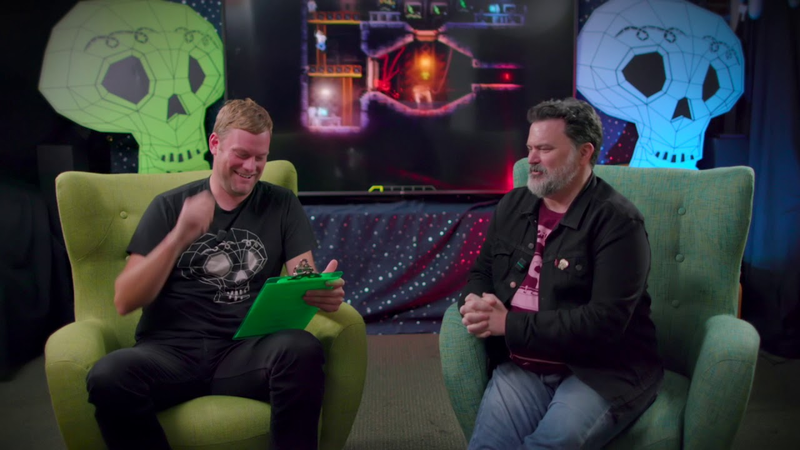
Day of the Devs: GDC Edition Direct
The independent gaming sector maintains its momentum through curated digital showcases that provide essential visibility for developers in the absence of traditional industry gatherings.
- Digital showcases like Day of the Devs have become the primary mechanism for independent developers to gain market visibility and bridge the gap between creative vision and audience reach.
- The indie sector is successfully sustaining its ecosystem by prioritizing creative autonomy and niche storytelling, as evidenced by the broad range of titles featured in recent showcases.
- Featured gameplay experiences span a diverse spectrum, including high-difficulty reflex games like Disc Room, physics-based co-op titles like Heavenly Bodies, and meditative VR adventures like Paper Beast.