indie
CompanyUnited States
Documents about indie
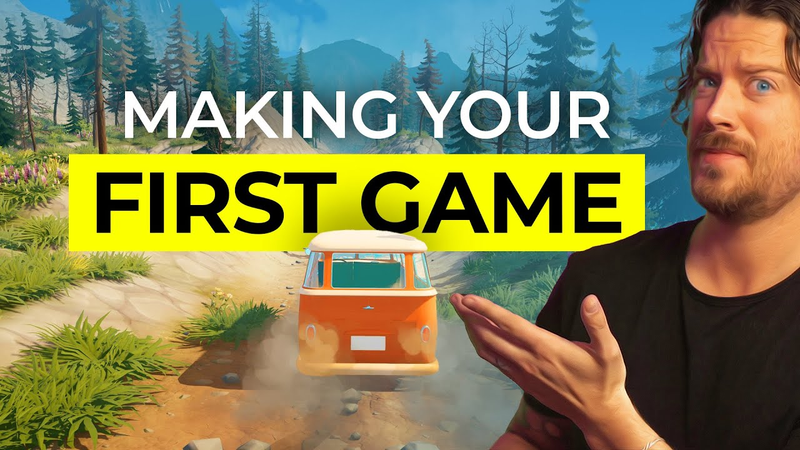
3 Things You MUST Do When Making Your First Game!
The development of the indie game Outbound highlights the importance of intentional market research and the strategic implementation of core hooks to achieve commercial success.
- The game 'Outbound' achieved over 100,000 wishlists by focusing on three specific hooks: a mechanical hook centered on off-grid van customization, a distinct visual style reminiscent of 'Firewatch', and a compelling narrative of off-grid living.
- Market research is essential for success; developers should identify a niche that is currently underserved while ensuring the concept aligns with a strong personal fantasy or interest.
- Early marketing assets are critical, as evidenced by the 'Outbound' trailer receiving over 400,000 views on IGN's channel, which significantly contributed to the game's initial visibility.
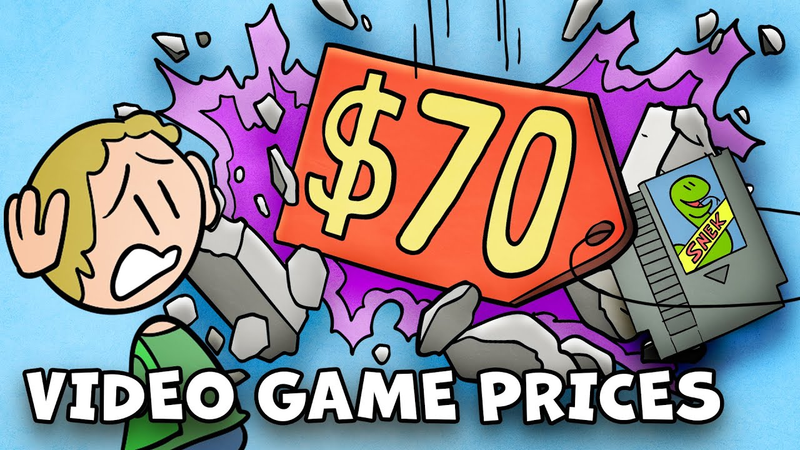
Games Are Cheaper* Than They’ve Ever Been | Extra Credits Gaming
Despite the common perception that video games have become increasingly unaffordable, historical data indicates that games are currently at their most accessible price point in the history of the medium.
- When adjusted for inflation, video games are currently at their most accessible price point in history, with historical prices for early cartridge-based games exceeding $100 in today's currency.
- The industry maintained a stagnant $60 price point for years despite ballooning AAA development budgets, which effectively lowered the real cost of games relative to consumer income.
- The recent industry-wide shift to a $70 base price for AAA titles functions as a long-overdue correction to align with inflation rather than a significant increase in real value.
Stuff They Don't Tell You About Game Development
Game development is a complex, iterative process that often defies conventional industry advice.
- The first 20 minutes of gameplay are the most critical factor for player retention, review scores, and the success of marketing demos or publisher pitches.
- Projects often lack a cohesive identity until the final month of development, as the urgency of a deadline forces the culmination of years of iterative trial and error.
- UI design and cross-platform input optimization represent the most significant technical hurdles for developers, alongside the necessity of light mapping for hardware with limited processing power like the Nintendo Switch.
Live Q&A for Inside2024
The current landscape for independent game development is defined by a transition away from the era of cheap credit and zero-interest rates, which previously sustained an artificial bubble of over-hiring and speculative investment.
- Steam Next Fest is a critical marketing milestone that requires a minimum of 7,000 wishlists to effectively leverage platform algorithms and secure a position on the Popular Upcoming ladder.
- Developers should treat Steam Next Fest as a final marketing event rather than a debut, ensuring demos are fully polished and supported by a sustained six-month marketing cycle.
- Cursor-based genres like city builders, crafting, and strategy games consistently outperform character-driven titles on Steam, with the exception of horror games that can achieve visibility through viral social media.
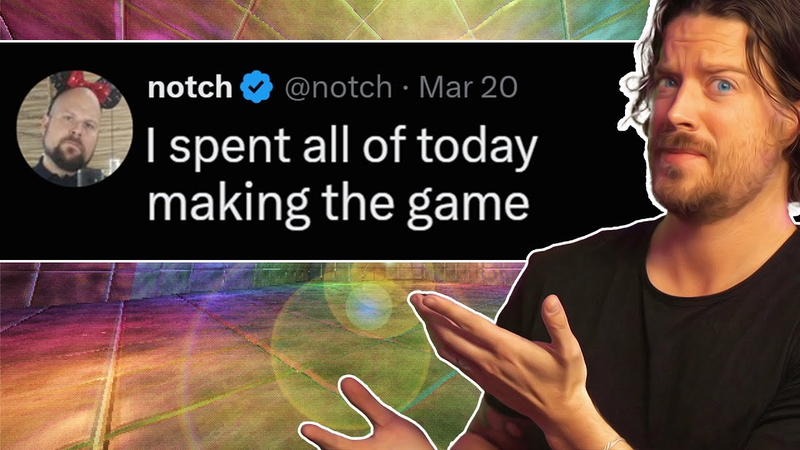
Notch Has A New Indie Game! (Minecraft Creator)
The career trajectory of Markus Notch Persson serves as a primary case study for the challenges of indie game development, the psychological impact of extreme financial success, and the enduring motivation found in the creative process.
- Markus 'Notch' Persson has returned to active game development with the launch of Bitshift Entertainment, a studio currently building a voxel-based dungeon crawler.
- The new project utilizes a custom-built engine rather than industry-standard tools like Unity or Unreal, a strategy intended to achieve a unique visual and technical aesthetic.
- The game is currently evolving into a looter-shooter hybrid, signaling a shift back to the iterative, daily development process that characterized Persson's early career.
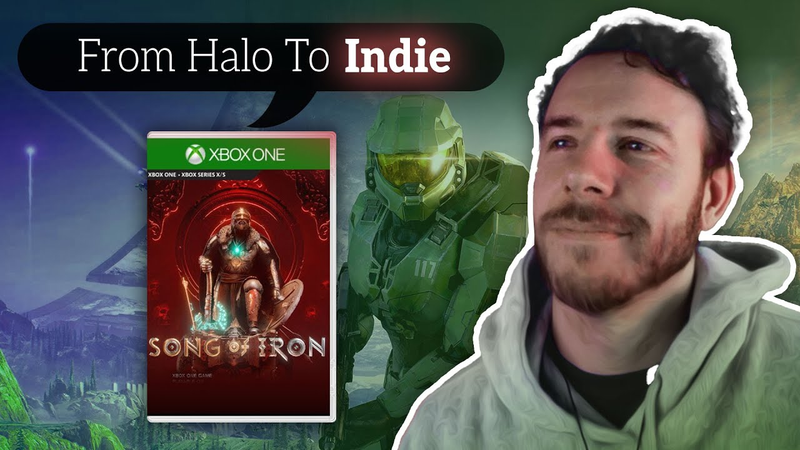
Why This Halo Developer Went Indie (And Completely Solo!) — Full Time Game Dev Podcast Ep. 010
Transitioning from high-profile AAA studios like 343 Industries to solo indie development represents a fundamental shift from collaborative stability to total personal accountability.
- Solo indie development requires strict scope management, such as utilizing side-scrolling mechanics and miniature prototyping, to mitigate the psychological and financial pressures of total personal accountability.
- Achieving 100,000 wishlists on Steam does not guarantee commercial success, as wishlist decay and a lack of momentum can significantly diminish initial sales performance.
- A successful indie launch can yield approximately $300,000 in profit from 40,000 units, underscoring the need for realistic financial expectations.
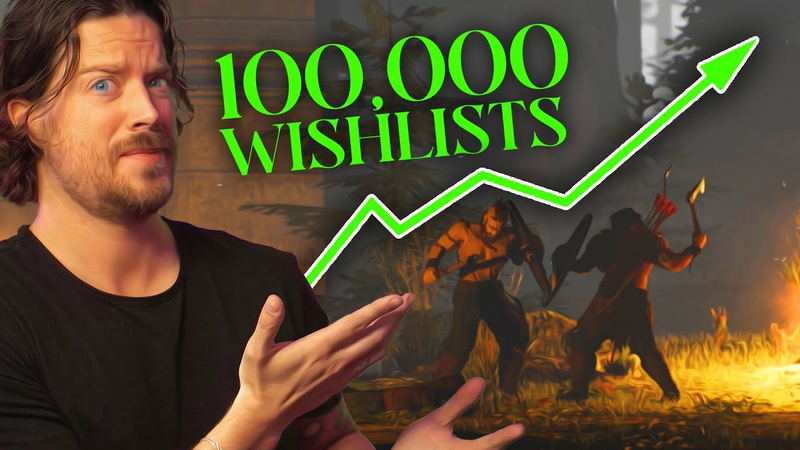
"I Had 100,000 Wish-lists for my game..." and then THIS Happened...
This analysis examines the challenges of independent game development, specifically focusing on the discrepancy between high pre-launch wishlist counts and actual commercial performance.
- Accumulating a high number of wishlists over a long period (e.g., two years) is less effective than gathering them in a short timeframe, as Steam’s algorithm prioritizes recent momentum over total volume.
- Despite achieving 100,000 wishlists prior to launch, the game sold approximately 40,000 units over two years, demonstrating that wishlist conversion rates can fall significantly below industry-standard expectations.
- A gross revenue of roughly $300,000 is heavily reduced by platform fees (30%), taxes (approx. 30%), and living expenses, meaning a 'successful' launch by unit count may still fail to provide long-term financial sustainability for a solo developer.
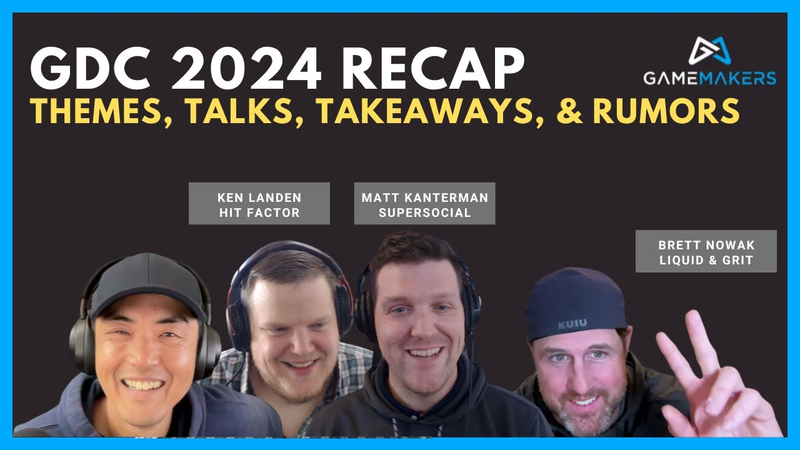
Game Developer Conference (GDC) 2024 Recap: Themes, GDC Talks, Takeaways, and Rumors
The gaming industry is currently undergoing a period of intense rationalization, characterized by a shift away from speculative, large-scale funding toward a model defined by operational efficiency and disciplined, milestone-based capital deployment.
- Venture capital funding for game studios has shifted from 'PowerPoint-based' raises to requiring tangible prototypes, following a period of overinvestment in 2021 and 2022.
- AI is not currently transforming core content pipelines, but its rapid evolution makes it a mandatory inclusion in funding pitch decks to remain competitive for future investment.
- Technical demonstrations at GDC showed that AI can reduce the time required for game designers to create new levels by approximately 65%, though this efficiency is leading to reduced headcount rather than increased production cadence.
A Huge Publisher Played My Game And.... (Devlog)
The process of securing a partnership with a major indie game publisher requires a combination of professional outreach, industry networking, and a willingness to iterate based on expert feedback.
- Securing meetings with major publishers like Devolver Digital can be achieved through cold emailing, but leveraging long-term industry relationships—such as connections made at events like PAX—significantly increases the likelihood of a response.
- A professional pitch deck should be a simple, accessible website containing a 10-minute polished demo, a video introduction, clear game hooks, and a high-level overview of the team and development schedule.
- When negotiating with publishers, adopt a 'show, don't tell' strategy by proactively developing specific assets—such as updated game design documents, new mechanics, or character cosmetics—to address their concerns before they are formally requested.
Should You Quit Your Job To Make Indie Games?
The decision to transition into full-time independent game development is characterized as a high-risk endeavor, particularly given the current volatility of the gaming industry.
- Full-time indie development is a high-risk career move due to current market volatility, widespread industry layoffs, and the disruptive impact of generative AI.
- The primary driver for transitioning to full-time development is the need for dedicated time to complete long-term projects that are otherwise stalled by the constraints of traditional employment.
- Solo developers must possess a multidisciplinary skill set, including coding, 3D modeling, shader authorship, level design, and the management of external contractors.
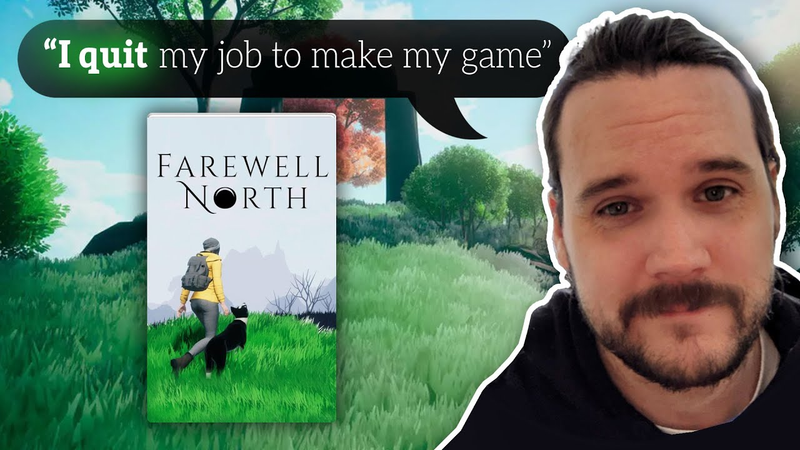
"I Quit My Job To Make My Indie Game" — Full Time Game Dev Podcast Ep. 009
Transitioning from a long-term career in software engineering to full-time indie game development requires a strategic balance between creative autonomy and professional risk management.
- Solo developers should dedicate at least 50% of their time to marketing, as the increasing volume of game releases—reaching 14,000 titles on Steam in a single year—makes discoverability significantly more difficult.
- Predictable content creation on platforms like YouTube can provide a full-time income through sponsorships; securing 10,000 views per video can justify $500 to $1,000 per ad read.
- Publishers serve primarily to de-risk a project, allowing developers to trade a portion of potential revenue upside for financial security and professional support.
Why 96% Of Indie Games Make NO MONEY
The indie game development landscape is currently defined by extreme market saturation and low financial returns, with the average lifetime earnings for an indie title hovering around $11,000.
- The indie game market is becoming increasingly saturated, with Steam releases growing from 9,000 in 2020 to 14,000 in 2023, leading to an average lifetime earning of only $11,000 for most developers.
- To survive, developers must adopt a 'super indie' model by keeping teams small, utilizing existing assets from platforms like the Unity Asset Store, and leveraging AI tools to drastically reduce production costs.
- Developers should implement a 'Trinity Hook' strategy, which requires defining a specific story, mechanical, and visual hook for every project to ensure the game stands out in a crowded market.