indie
CompanyUnited States
Documents about indie
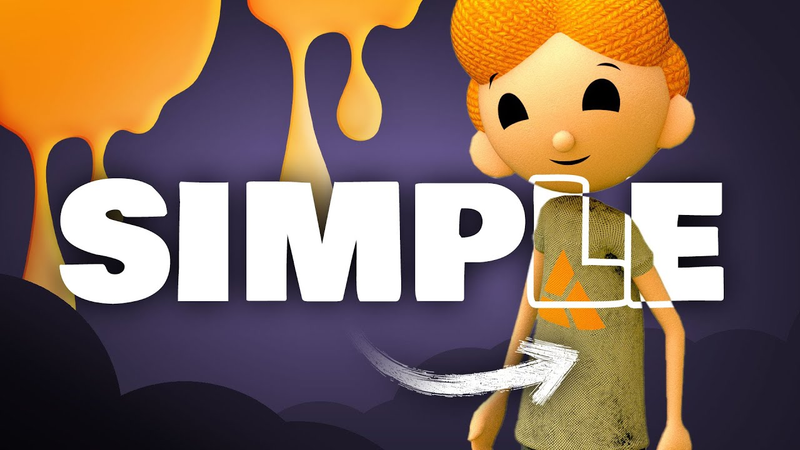
The EASIEST Way To Paint Your 3D Game Models (Adobe Substance 3D Painter Tutorial)
Adobe Substance 3D Painter serves as a primary industry tool for texturing and painting 3D game assets, ranging from weapons to complex character models.
- Substance 3D Painter is the industry-standard tool for texturing 3D assets, facilitating the transition from raw models to engine-ready textures for platforms like Unity and Unreal.
- The baking process is the foundational step for high-quality texturing, as it generates essential mesh maps like ambient occlusion and curvature that allow smart materials to respond dynamically to geometry.
- Smart materials utilize baked mesh data to automatically apply realistic effects such as dirt, wear, and depth to model crevices, significantly accelerating the texturing workflow.
Is AI Going To Destroy The Indie Game Industry?
The discussion explores the existential and practical impact of artificial intelligence on the indie game industry, specifically addressing whether AI can replicate the human-driven, artisanal quality of independent titles.
- AI excels at synthesizing existing concepts, such as combining two genres to find a 'midpoint' of value, but struggles to generate truly original ideas that fall outside the bounds of its training data.
- The 'smell' of AI-generated content often stems from a lack of specific, intentional creative direction, as AI struggles to maintain the cohesive vision required for complex game elements like cutscenes.
- Game development involves thousands of granular creative decisions—such as camera framing, timing, and visual effects—that require a human director to ensure the final product is not aimless or 'mushy'.
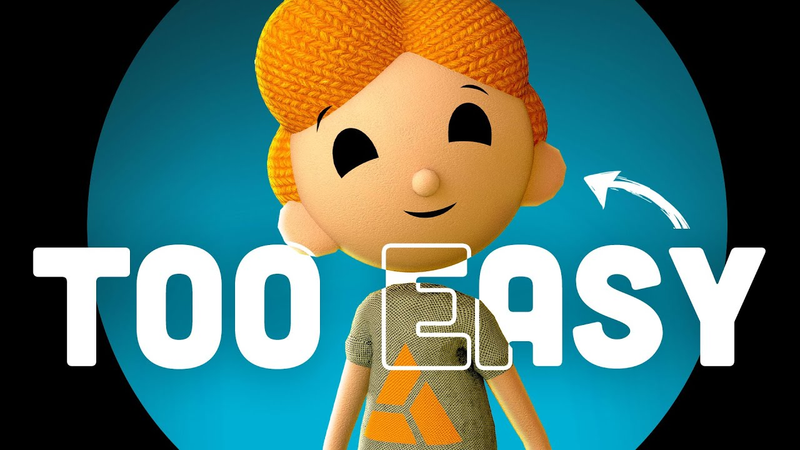
Is This The Easiest 3D Art Tool Ever? (Adobe Modeler Tutorial)
Adobe Substance 3D Modeler serves as an accessible, voxel-based 3D modeling tool designed primarily for creating organic character assets.
- Adobe Substance 3D Modeler uses a voxel-based, non-destructive workflow that eliminates the need for manual topology, vertex, or face management required in traditional mesh-based software like Blender.
- The tool is optimized for rapid organic character creation by allowing users to blend, carve, and manipulate primitive shapes within organized containers.
- Users can export finished assets in standard formats like FBX with customizable target polygon counts, making them compatible with various game engines and rendering pipelines.

Week in Mobile Games E47 - GDC 2025 final thoughts
GDC 2025 served as a barometer for a gaming industry currently navigating a period of significant transition and structural contraction.
- The gaming industry is shifting away from high-risk, ballooning AAA budgets toward sustainable 'triple-I' projects to mitigate the market dominance of established 'forever games'.
- GDC 2025 exhibited a reduced physical footprint with fewer corporate booths and sparser show floors, reflecting ongoing industry-wide layoffs and constrained travel budgets.
- Industry sentiment has moved toward cautious optimism, with publishers beginning to resume project investments while maintaining a skeptical approach to venture capital funding.
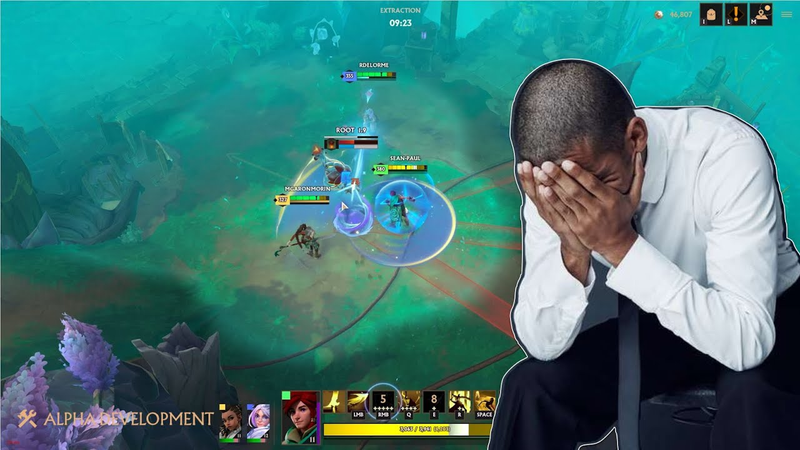
Why VC Bets on ex-Riot & ex-Blizzard Founders Are Failing
Venture capital investment in PC gaming startups founded by former Riot Games and Blizzard Entertainment developers has faced a recurring pattern of failure, characterized by high-budget projects that struggle to gain market traction.
- Venture capital investment in studios led by former Riot and Blizzard developers is failing because high-budget, traditional development models are struggling to gain traction in the current PC gaming market.
- Elodie Games shuttered its studio and cancelled its MOBA extraction title, Seekers of Skyveil, only 18 days after launch despite having secured $32.5 million in funding.
- Founder pedigree is no longer a reliable predictor of success, as modern players prioritize gameplay innovation and accessibility over the historical industry credentials of studio leadership.
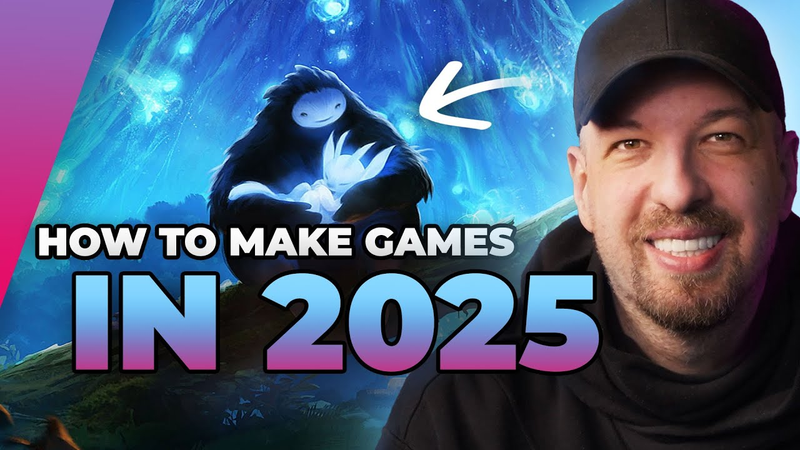
How To Make Indie Games In 2025 (Thomas Mahler) — Full Time Game Dev Podcast Ep. 040
The modern indie game development landscape demands a shift away from trend-chasing and bureaucratic production models toward a focus on core gameplay mechanics and distinct creative vision.
- Prioritize core gameplay mechanics and responsive, polished controls through extensive prototyping before committing to final art assets.
- Achieve success through relentless iteration and a willingness to fail early rather than relying on innate talent or trend-chasing.
- Challenge established genre conventions by pursuing significant mechanical leaps, such as moving from point-and-click systems to direct, animation-based controls.
Watch THIS If You Want To Make Indie Games (THE RIGHT WAY)
The primary thesis of this discussion is that rigid adherence to industry-standard technical workflows and conventional wisdom is often counterproductive for independent game developers.
- Prioritize the final gestalt of the game over rigid adherence to industry-standard technical workflows or conventional coding and modeling dogmas.
- Adopt an '150% effort' mindset to ensure that even if the project scope is reduced during development, the final output remains substantial and high-quality.
- Leverage the agility of small teams to outperform larger, structured AAA studios by utilizing non-traditional, unconventional development tactics.
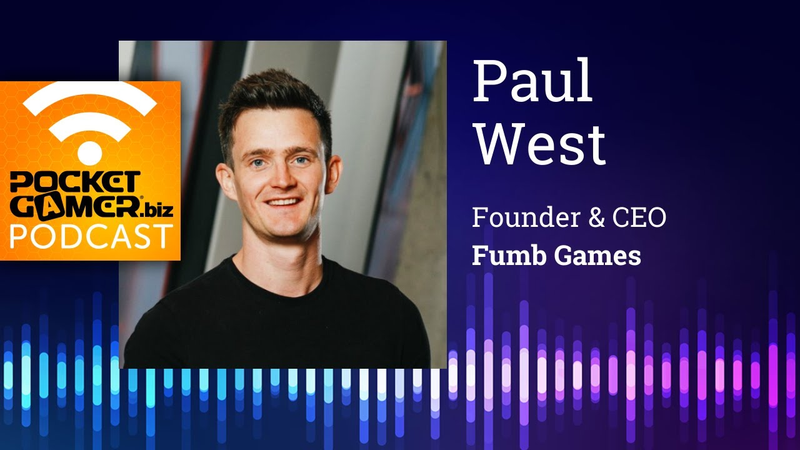
How This Small Game Studio 10x Their Revenue in an Industry Downturn
Fumb Games achieved a tenfold increase in revenue during a challenging 2024 industry downturn by focusing on a strategy of iterative testing, transparent monetization, and operational efficiency.
- Fumb Games achieved a 10x revenue increase in 2024 by focusing on iterative testing and operational efficiency rather than relying on a single breakthrough.
- The studio’s revenue model is anchored by a hybrid approach, with approximately 70% of total income generated through advertising.
- Fumb Games tested roughly 100 game concepts over a two-year period to identify high-performing mechanics and scale successful titles like Bitcoin Miner and Idol Miner.
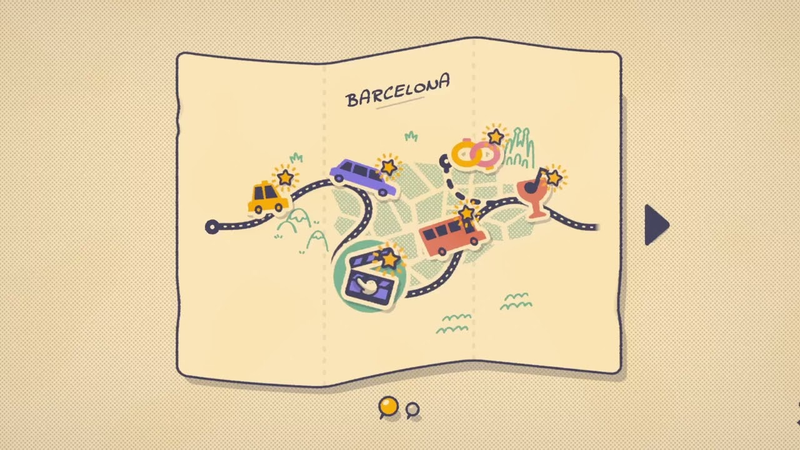
Is This Seat Taken? Demo analysis
The puzzle game Is This Seat Taken? demonstrates that accessibility and visual cohesion are primary drivers of success for indie titles on Steam.
- Limiting a game's color palette to three or four colors significantly improves visual cohesion and aesthetic quality, especially for developers without professional art backgrounds.
- Puzzle games often struggle on Steam, but 'Is This Seat Taken?' succeeded by prioritizing a highly polished, distinct visual style—using paper and sticker-like aesthetics—over complex, high-difficulty mechanics.
- Casual puzzle games with shorter playtimes (e.g., 45 minutes) can achieve high daily user counts during Steam Next Fest because the demo is accessible and easy to complete, leading to higher turnover compared to long-form 'crafty' building games.

Let's Review Your Games — Ep. 014
Successful indie game development requires a strategic balance between technical polish and high-impact marketing.
- A well-executed demo remains a critical tool for wishlist generation, capable of securing tens of thousands of sign-ups prior to a game's launch.
- Trailers must prioritize five seconds of intense, representative action before introducing narrative context to minimize viewer drop-off.
- Steam presence functions as the primary gateway for player acquisition, requiring a clear, compelling hook that immediately communicates value rather than relying on vague thematic descriptions.

Let's Review Your Games — Ep. 013
Indie game success hinges on the ability to capture player attention immediately through polished first impressions and clear, intuitive design.
- Prioritize the first five minutes of gameplay, as this window is the primary determinant for player and streamer retention.
- Sound design accounts for up to 60 percent of the player's sensory experience and should be prioritized over music to establish immersion.
- Trailers must utilize an appetizer-entree structure, starting with high-energy action to secure interest before transitioning into narrative context.

Let's Review Your Games — Ep. 012
Successful indie game development requires a strategic synthesis of focused design, clear marketing hooks, and high-production-value promotional assets.
- Prioritize the development of smaller, polished, and mechanically distinct titles over over-ambitious open-world projects to avoid unguided or empty player experiences.
- Differentiate a game in a crowded marketplace by synthesizing familiar genres with a specific, unique visual or mechanical twist.
- Treat game trailers as narrative frameworks where sound design—specifically synthesized or layered audio—is used to dictate pacing and emotional impact.