Falcon
Company
5 documents in the library are about Falcon, from writers such as DiGRA, Corsair and InvestGame. Each has a summary and key insights with the page they come from.
Connections
Each row is a game or company named alongside Falcon, each column a document, oldest first. A mark means that document names it. Select a row to see those documents.
Documents about Falcon

Corsair Investor Presentation: FY2026
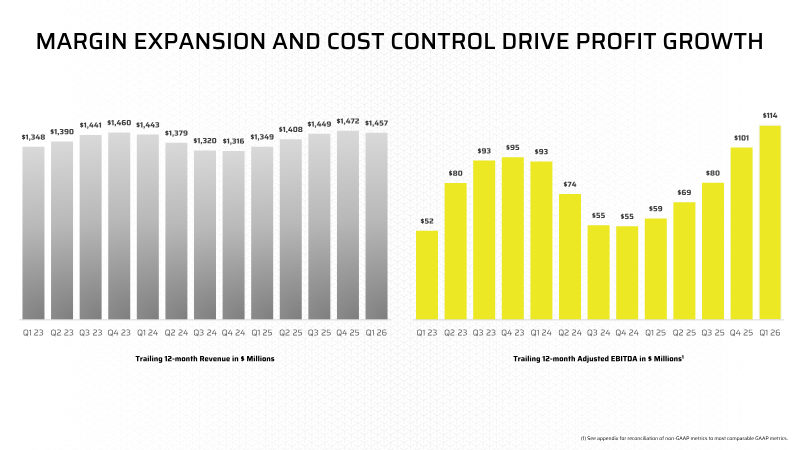
Corsair's FY2026 investor presentation positions the company as a market leader in gamer and creator peripherals and performance PC components, arguing that a turnaround in profitability is underway even as top-line growth moderates.
- Corsair achieved $1.457 billion in revenue for the trailing twelve-month period ending March 31, 2026, signaling a successful operational turnaround.
- The company returned to profitability in Q1 2026 with $13.1 million in GAAP net income, compared to a $10.3 million loss in the same period of 2025.
- Operational efficiency drove a 58% year-over-year surge in adjusted EBITDA to $35.8 million and a 13% increase in gross profit.


Vietnam Gaming Outlook 2026: Building Sustainable Growth
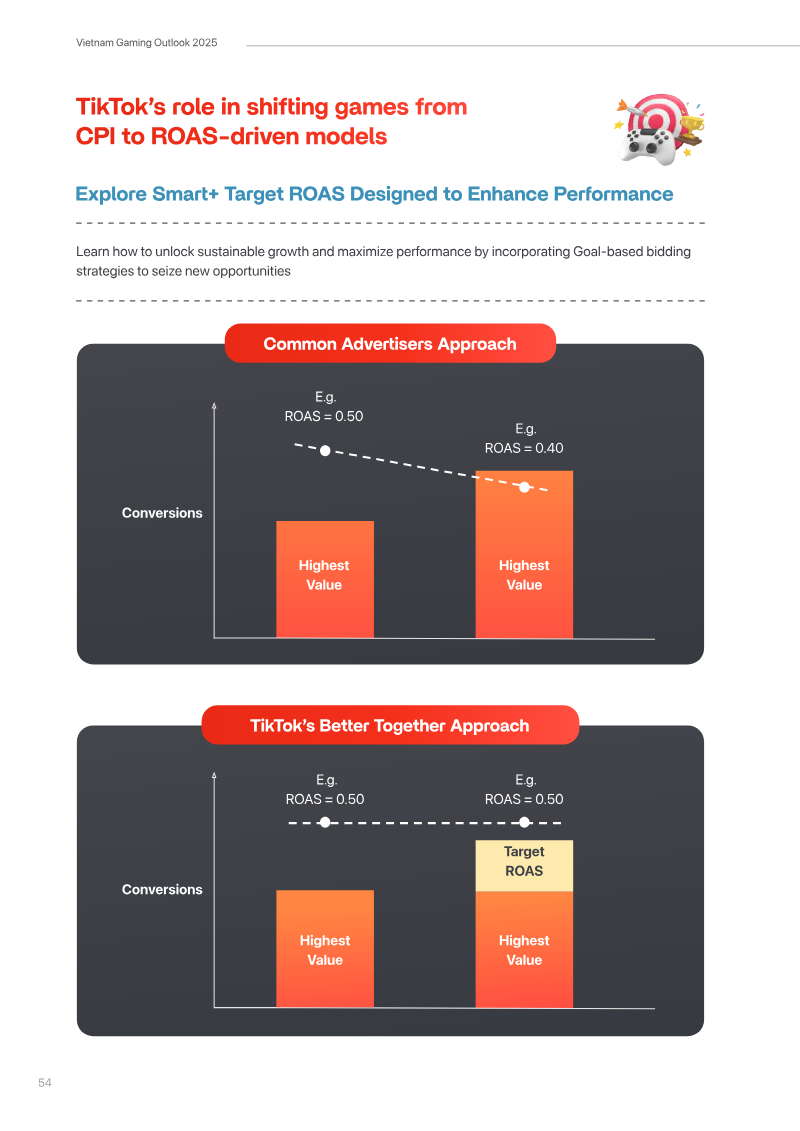
The "Vietnam Gaming Outlook 2026" document asserts that the Vietnamese mobile gaming industry is at a critical juncture, needing to transition from its current status as a global leader in mobile game downloads to a significant player in revenue generation.
- Vietnam’s mobile gaming sector is shifting from an ad-driven model to hybrid-casual titles prioritizing in-app purchases (IAP) and subscriptions, following a 65% surge in local IAP growth in 2025.
- While Vietnam led global Google Play downloads with 6.1 billion installs in 2024, the market generated only $430 million, highlighting the profitability ceiling of pure advertising models.
- Localized pricing strategies, including purchasing power parity tiers and one-tap tokenized payments, can increase conversion rates by over 20% and reduce checkout abandonment by up to 30%.

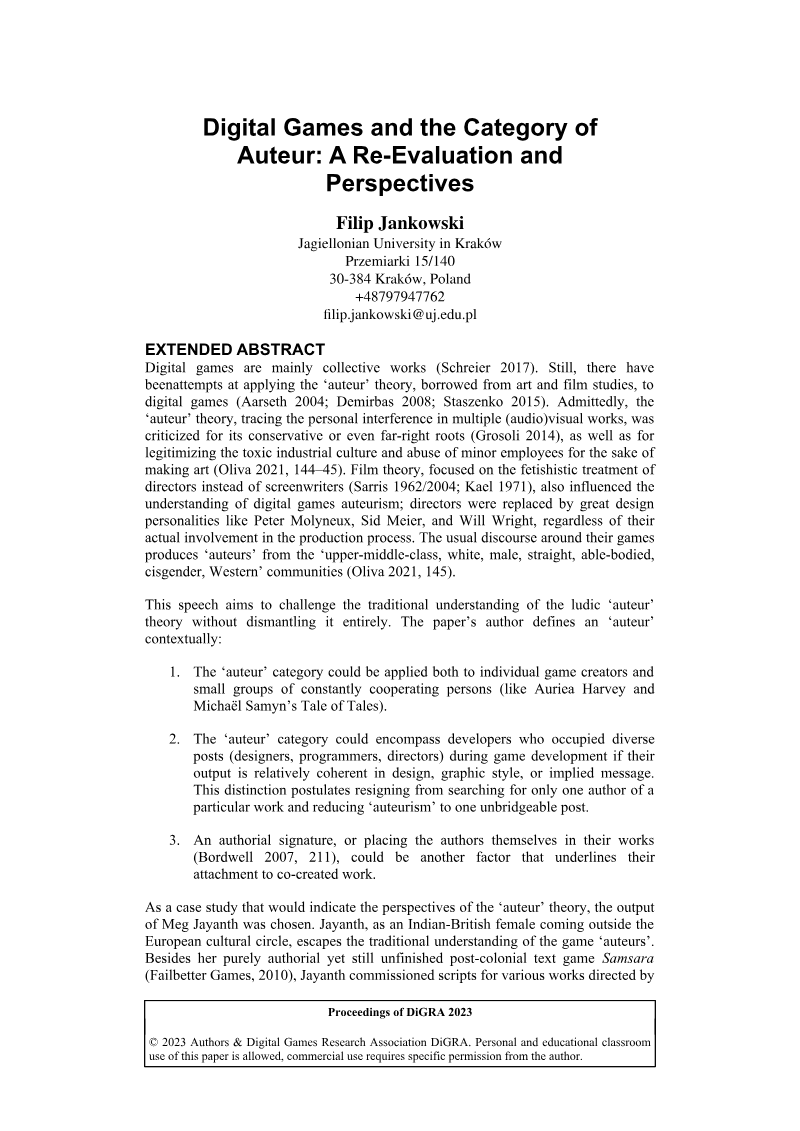
Digital Games and the Category of Auteur: A Re-Evaluation and Perspectives
This extended abstract, presented at DiGRA 2023 by Filip Jankowski of Jagiellonian University, re-examines the application of auteur theory to digital games.
- The paper argues that the auteur concept, borrowed from film studies, carries problematic associations, including conservative origins, legitimization of exploitative labor conditions, and canonization of a narrow demographic of designers such as Peter Molyneux, Sid Meier, and Will Wright regardless of their actual production roles.
- Rather than abandoning auteur theory for games, the author proposes a contextual redefinition built on three principles: an auteur may be an individual or a small persistently collaborating group, developers with varied roles can qualify if their output is coherent, and an authorial signature such as placing one's likeness in a work can signal attachment to co-created material.
- Tale of Tales, run by Auriea Harvey and Michaël Samyn, is cited as an example of a small, persistently collaborating group that can be considered an auteur under the redefined framework.
A Bit of Culture: Assembling by the Tree
Plastic bricks, collectible miniatures, and trading cards are framed as precursors to the digital goods economy, with the central argument that assembly, of both parts and people, is the most valuable aspect of play.
- LEGO sets have emerged as a high-yield asset class, delivering an average annual return of 11% based on a study of 2,322 unopened products.
- LEGO has achieved a seven-fold increase in sales since 2003, driven by the modular nature of its system and thematic scarcity in the secondary market.
- The video game and toy industries are converging around the concept of 'fractionalization,' where consumer value is derived from assembling modular systems and personalized digital or physical experiences.
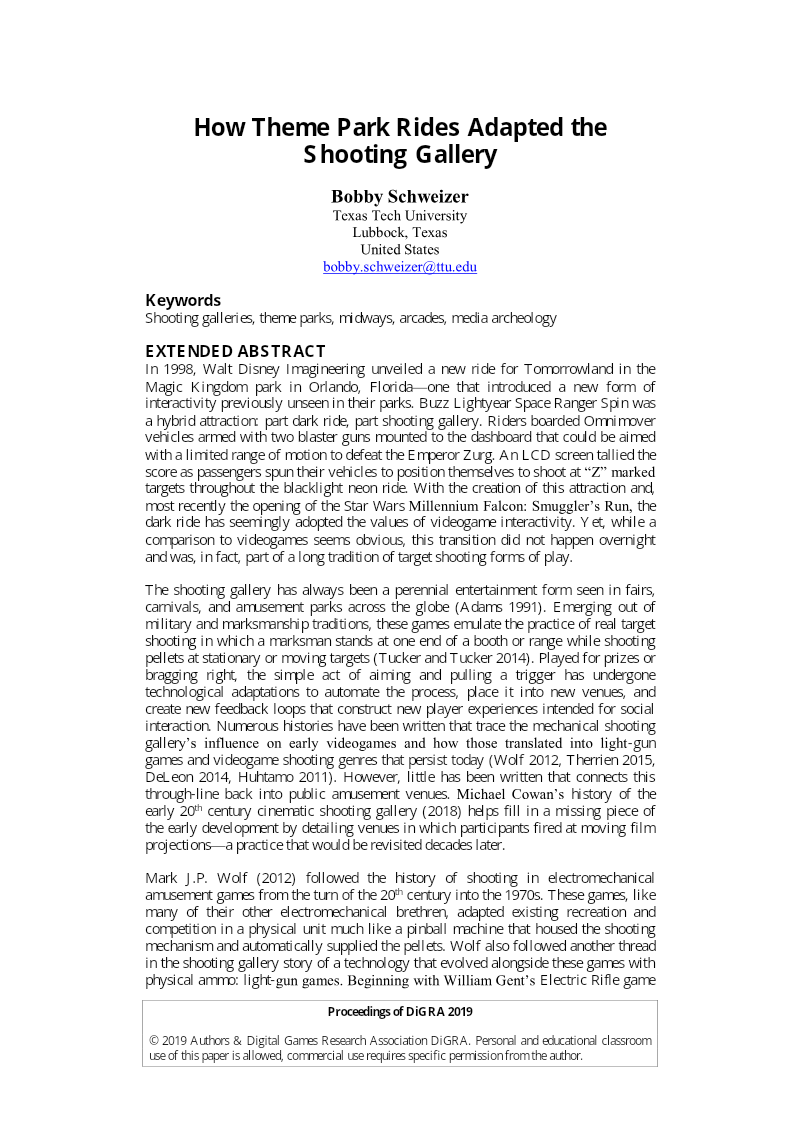
How Theme Park Rides Adapted the Shooting Gallery
Theme park dark rides with interactive shooting, such as Disney's Buzz Lightyear Space Ranger Spin (1998) and Star Wars Millennium Falcon: Smuggler's Run, appear to reflect videogame interactivity, but this extended abstract argues they descend from a long tradition of target-shooting play.
- The paper argues that the interactive shooting dark ride, exemplified by Disney's Buzz Lightyear Space Ranger Spin (1998), emerged from a gradual convergence of fairground, arcade, and videogame traditions rather than a sudden innovation.
- The author uses a media archaeology approach, tracing lineages from early twentieth-century cinematic shooting galleries and electromechanical games through the light-gun tradition that began with William Gent's Electric Rifle in 1920.
- Sega's Ghost Hunters at Joypolis Yokohama (1994) is cited as an early dark-ride shooter, while Disneyland's Main Street Shooting Gallery opened in 1955 and the Dick Tracy's Crime-Stoppers concept, from around 1990, was never built.