This analysis explores the intersection of physical collectibles and digital entertainment, using the LEGO brand as a primary case study for understanding modern consumer behavior and investment trends. The central thesis posits that the value of play—whether in physical bricks or digital microtransactions—is increasingly driven by "fractionalization" and the assembly of modular systems that allow for unique, personalized experiences.
Key findings highlight the robust financial performance of LEGO, which has seen a seven-fold increase in sales since 2003. Beyond retail success, the brand has emerged as a high-yield asset class; a study of 2,322 unopened sets revealed an average annual return of 11%, outperforming many traditional investments. This appreciation is attributed to the "system" nature of the product, where compatibility and thematic scarcity (particularly in seasonal or movie-based sets) drive secondary market demand. The text draws a direct parallel between these physical systems and the video game industry’s shift toward digital goods, noting that both rely on the emotional and creative value of "assembling" parts and communities.
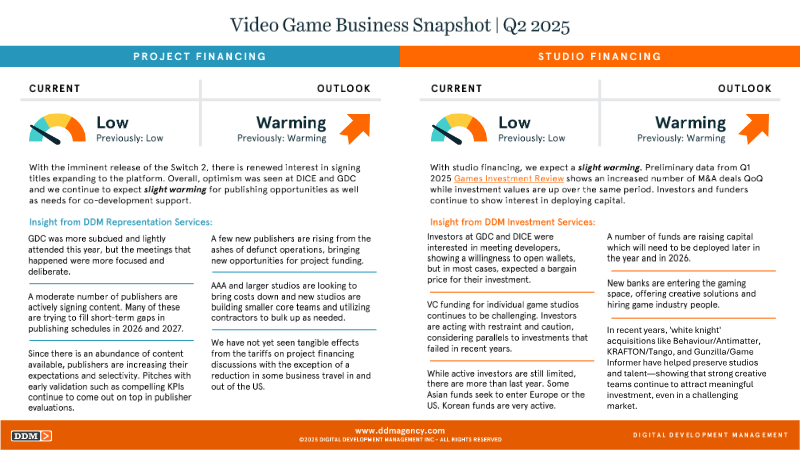
The scope of the analysis is global, focusing on market trends in the early 2020s across the toy, video game, and tabletop gaming sectors. It specifically examines the strategic maneuvers of major industry players, such as the Embracer Group’s aggressive acquisition of transmedia assets like Dark Horse and Asmodee, and the rising valuations of social platforms like Rec Room, which recently reached a $3.5 billion valuation.
Methodologically, the insights are informed by market data, academic research on toy appreciation, and professional expertise in digital gaming revenue. The conclusion suggests that as creative industries continue to overlap, the prestige of gaming is being codified through mainstream recognition, exemplified by the Hugo Awards honoring a video game for the first time in its history.