BioWare
CompanyCanada
Documents about BioWare
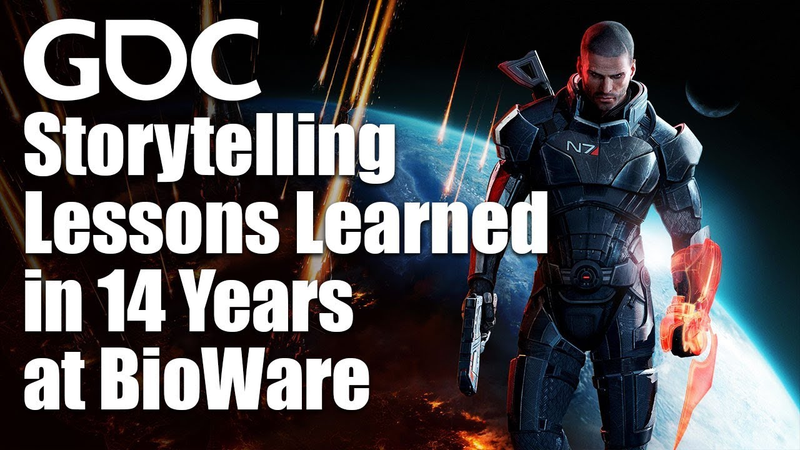
Empires to Ages: Storytelling Lessons Learned in 14 Years at BioWare
Narrative design in large-scale game development requires a fundamental shift from purely creative writing toward a focus on production logistics, cross-disciplinary collaboration, and adaptive project management.
- Build trust with the development team by being transparent and vulnerable, actively inviting feedback from other disciplines to remove the 'ivory tower' stigma often associated with narrative designers.
- Implement a 'ditto' feedback system during peer reviews where participants cannot repeat previous notes, allowing the team to quickly identify consensus on what is working and what is failing.
- Account for production volatility by assuming at least 25% of your schedule will be lost to rewrites, staff turnover, or unforeseen issues, and increase this buffer to 50% for games with a tightly enmeshed critical path.
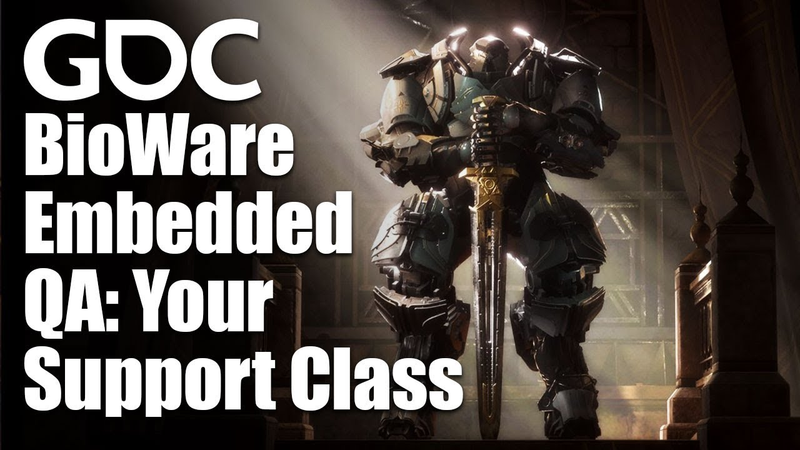
BioWare Embedded QA: Your Support Class
The embedded quality assurance model represents a strategic shift from traditional black-box testing toward a collaborative, peer-to-peer relationship between QA and development teams.
- The embedded QA model transitions testing from a reactive, isolated function to a proactive, system-integrated partnership by embedding specialized analysts directly into scrum teams.
- Embedded analysts require access to source code, game editors, and design documentation to build custom tools and scripts that significantly reduce manual testing time.
- Success in this model requires hiring specialized personnel organized by discipline—such as narrative, art, or gameplay—rather than relying on entry-level staff.
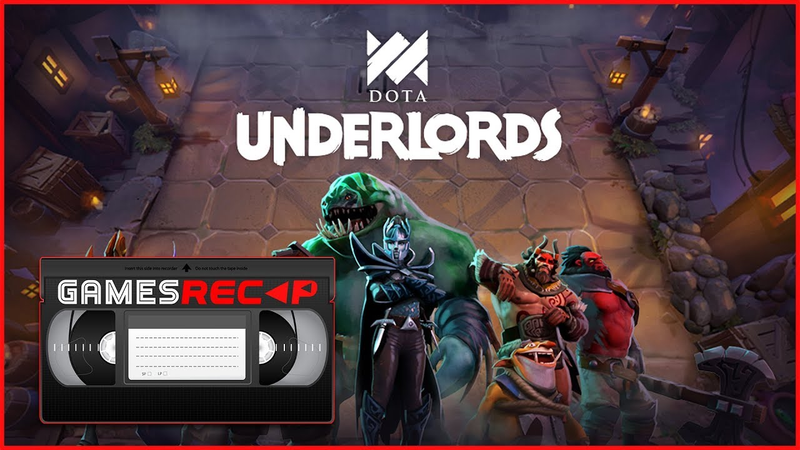
DOTA Underlords, Anthem Still Alive, Blizzard Departures | Games ReCAP Episode 008
Valve’s recent launch of Dota Underlords demonstrates the enduring power of established franchises, as the title secured 174,000 concurrent users on Steam within its first 24 hours.
- Valve’s Dota Underlords achieved 174,000 concurrent Steam users in its first 24 hours, proving the market demand for streamlined, tactical gameplay adaptable to mobile.
- Major publishers are facing a critical juncture where the high financial risk of $200 million-plus AAA budgets is driving a necessary shift toward smaller, more agile, and highly replayable development strategies.
- The failure of projects like Anthem highlights the unsustainable nature of crunch culture and technical instability, prompting industry-wide calls to reduce project scope to mitigate financial and creative risk.
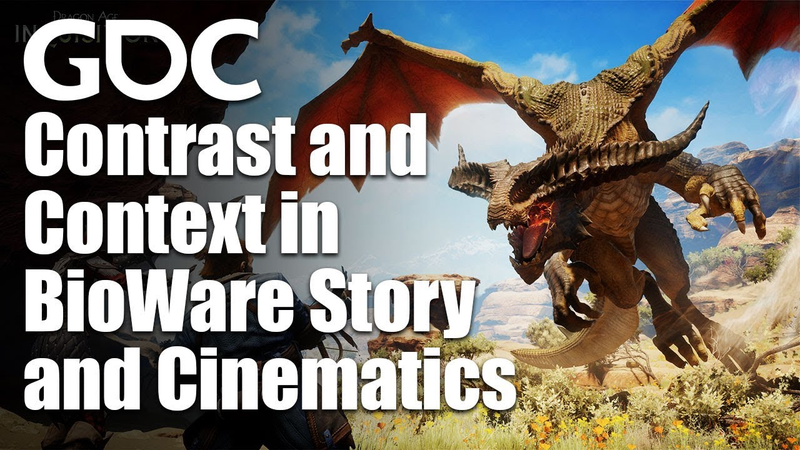
Contrastive Juxtaposition: Contrast and Context in BioWare Story and Cinematics
BioWare establishes narrative depth and emotional resonance by employing contrastive juxtaposition, a design philosophy that places opposing elements in direct proximity to manipulate player perception.
- BioWare utilizes 'narrative polarity'—a two-dimensional coordinate system of opposing themes—to create meaningful player choices and emotional engagement, such as the conflict between chaos and order in Mass Effect 3.
- To ensure narrative consistency across departments, developers should avoid overwhelming teams with massive documentation and instead use simple, contrast-based communication to define core themes early in production.
- Removing 'neutral' dialogue options in Mass Effect 3 forced players to commit to polarized choices, preventing them from sitting on the fence and ensuring that decisions had a more significant impact on the game world.
Worlds Collide: Combining Story and Systems in Dragon Age: Inquisition
The transition of the Dragon Age franchise into an open-world format required a fundamental shift from traditional linear storytelling to a system-driven design philosophy.
- To manage the scale of a 20-to-200-hour experience, BioWare restructured its level design team into specialized groups—exploration, technical, multiplayer, and narrative—to minimize gear-switching and increase focus.
- The development team utilized a 'World Master' system that dynamically managed object spawners based on player location and narrative plot conditions, allowing story decisions to physically alter the game world.
- BioWare implemented a 'Judgment' system as an extensible framework that reused existing cinematic stages, cameras, and lighting assets, providing a cost-effective way to integrate narrative consequences into the game's systems.
The Art & Inspiration of Dragon Age: Inquisition
The art direction of Dragon Age: Inquisition centers on the core thematic premise that magic is a corrupting, dangerous force.
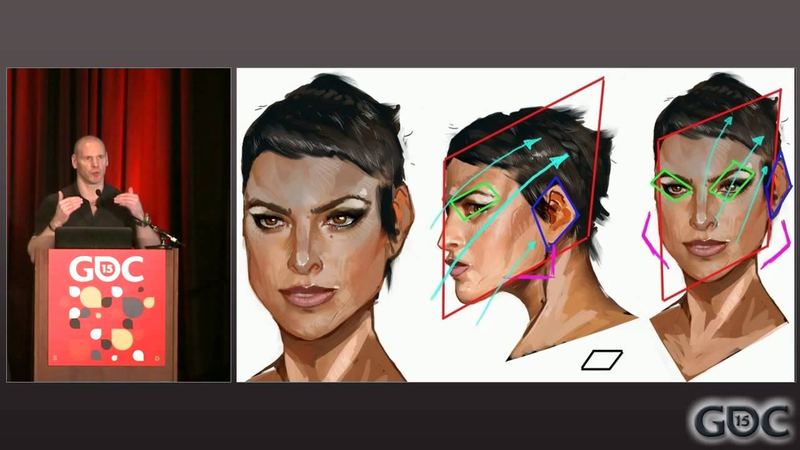
- The art direction for Dragon Age: Inquisition was heavily influenced by Northern Renaissance masters like Hans Holbein the Younger, focusing on realistic material representation—such as the texture of fur and skin—rather than pure photorealism.
- To maintain a cohesive visual identity, the team used character design to reflect personality, such as using sharp, angular facial features to convey Cassandra’s spiky, aggressive temperament.
- The development team utilized the Frostbite engine to achieve high-quality surface responses to light, while intentionally choosing to hand-craft character models rather than using the photorealistic scanning techniques common in other Frostbite-based titles.


