
The Game Business
Games industry business news and analysis by Christopher Dring (ex-GamesIndustry.biz).
Documents

There is no going back for the video game industry
The video game industry has undergone a permanent structural transformation, moving away from traditional, product-based retail models toward a network-driven ecosystem.
- The video game industry has permanently shifted from a retail-based product model to a network-driven ecosystem where platforms like Fortnite and Roblox function as social utilities competing with social media giants.
- The traditional development model is financially unsustainable, as production budgets for major titles have ballooned to $300 million while long development cycles fail to generate proportional market demand.
- AI-driven automation is being deployed to reduce costs in mobile gaming, specifically replacing roles in level testing and user acquisition, which has contributed to widespread workforce downsizing.

‘Star Wars Hunters was no failure’ – The Big Zynga Interview
Zynga is currently executing a strategic pivot toward mobile-first development, emphasizing the creation of bespoke, high-engagement experiences over the adaptation of existing console intellectual property.
- Zynga is pivoting its strategy to prioritize wholly-owned mobile intellectual property over licensed console adaptations to reduce costs and improve marketing efficiency.
- The company has set a strategic growth target of reaching one billion monthly active users through scalable, social, and interactive mobile experiences.
- Zynga is actively shifting away from experimental technologies, specifically deprioritizing blockchain and console-specific development initiatives.
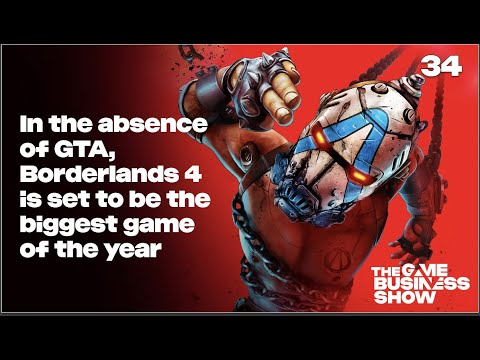
With no GTA, what are the biggest games still to come in 2025?
The 2025 gaming landscape is defined by a reliance on established intellectual property as the industry navigates a period without a major Grand Theft Auto release.
- The 2025 gaming market is anchored by established franchises including Borderlands 4, Mafia: The Old Country, Hollow Knight: Silksong, and Metal Gear Solid Delta: Snake Eater, which are currently driving the highest levels of social engagement and wish-list metrics.
- Publishers are shifting toward shorter, more focused development cycles to mitigate the financial risks associated with rising production costs and the volatility of live-service models.
- Germany has doubled its game development funding to €125 million, signaling a significant regional push to support the industry despite ongoing studio restructurings.

When Xbox took on PlayStation and won
The Xbox 360’s rise to prominence during the mid-2000s serves as a masterclass in strategic market disruption and crisis management.
- Microsoft secured a critical first-to-market advantage and captured developer mindshare by utilizing rigorous wargaming simulations to anticipate Sony’s competitive tactics.
- The company invested over $1 billion into a comprehensive repair and replacement program to address the 'Red Ring of Death' hardware failure, successfully preserving brand integrity and customer retention.
- Strategic third-party publisher relations were solidified by securing simultaneous releases for major blockbuster titles, most notably Grand Theft Auto IV.

US consumers are planning to cut back on buying video games
Economic instability in the United States, characterized by rising costs for essential goods such as food, utilities, and insurance, has significantly dampened consumer sentiment to levels not seen since mid-2022.
- The US video game market growth forecast has been revised from a projected 4.3% increase to a 4.7% decline due to economic instability and rising costs for essential goods.
- Approximately 30% of US consumers intend to reduce their spending on entertainment and gaming as financial pressure reaches levels not seen since mid-2022.
- Consumer engagement is shifting toward high-value, low-friction platforms like Fortnite and subscription services, which allow users to maximize utility while minimizing discretionary spending.

Tariffs and Affordability: The US Consumer In Limbo
The United States consumer market is currently defined by significant economic strain, characterized by a shift in discretionary spending away from general merchandise—including video games and apparel—toward essential categories like food and beverage.
- The U.S. video game industry growth forecast has been downgraded from an initial 4.3% projection to a 4.7% decline.
- Retail spending growth of 4.6% in Q1 2024 is driven by inflation-adjusted pricing rather than an increase in unit volume.
- Approximately 40% of consumers plan to reduce overall spending if tariffs increase retail prices, with nearly one-third of that group specifically targeting video games and entertainment subscriptions for cuts.

The Xbox We Knew Is Dead
The current state of Xbox reflects a fundamental shift in the company’s identity, marking the end of its traditional console-focused business model.
- Xbox has transitioned into a third-party publisher model, shifting away from its traditional console-exclusive strategy toward a Windows-focused and multi-platform approach.
- Microsoft has initiated significant restructuring, including the closure of The Initiative studio, the cancellation of projects like Perfect Dark and Everwild, and widespread layoffs across its gaming division.
- The company’s strategy of using Game Pass to drive growth has struggled to deliver consistent hit titles, with major releases like Halo Infinite and Starfield failing to meet expectations.

"Reviving Sega will be the greatest achievement in my career"
Sega president and COO Shuji Utsumi outlines a strategic vision for revitalizing the company by balancing its rich historical legacy with modern, globalized development practices.
- Sega is transitioning from a Japan-centric development model to a simultaneous global release strategy across all platforms, including PC, to capture a broader international audience.
- The company is utilizing a portfolio-based management approach that balances stable revenue from established franchises like Sonic, Persona, and Yakuza with innovation from riskier new projects.
- Sega acquired Rovio to integrate mobile expertise and address the challenges of the games-as-a-service sector through deeper IP engagement.

“We need our studios to believe they can grow again” – Ukie
The United Kingdom’s video game industry is undergoing a strategic pivot toward long-term sustainability and economic independence, supported by a new government-backed growth package.
- The UK government is launching a strategic growth package for the gaming sector, featuring £10 million in startup funding and the establishment of a dedicated UK Video Games Council.
- The industry is pivoting toward long-term sustainability by decoupling gaming from film and television to establish it as an independent economic and cultural pillar.
- Workforce development is being prioritized through the Game Skills Network, which focuses on apprenticeships and leadership training to foster high-quality intellectual property as a defense against AI-generated content.

How Hitman’s wasteful toilets taught IO Interactive to make sustainable AAA games
IO Interactive’s current strategic trajectory centers on achieving sustainable AAA game development by prioritizing production efficiency and long-term franchise value over rapid, wasteful expansion.
- IO Interactive transitioned to a modular 'brick system' for the World of Assassination trilogy, allowing the reuse of foundational technology and assets to significantly reduce development costs across sequels.
- The studio prioritizes sustainable AAA development by focusing on iterative, service-based single-player experiences rather than rapid, wasteful production cycles.
- IO Interactive is applying its efficiency-focused development model to the upcoming 007 First Light, scheduled for release in 2026.
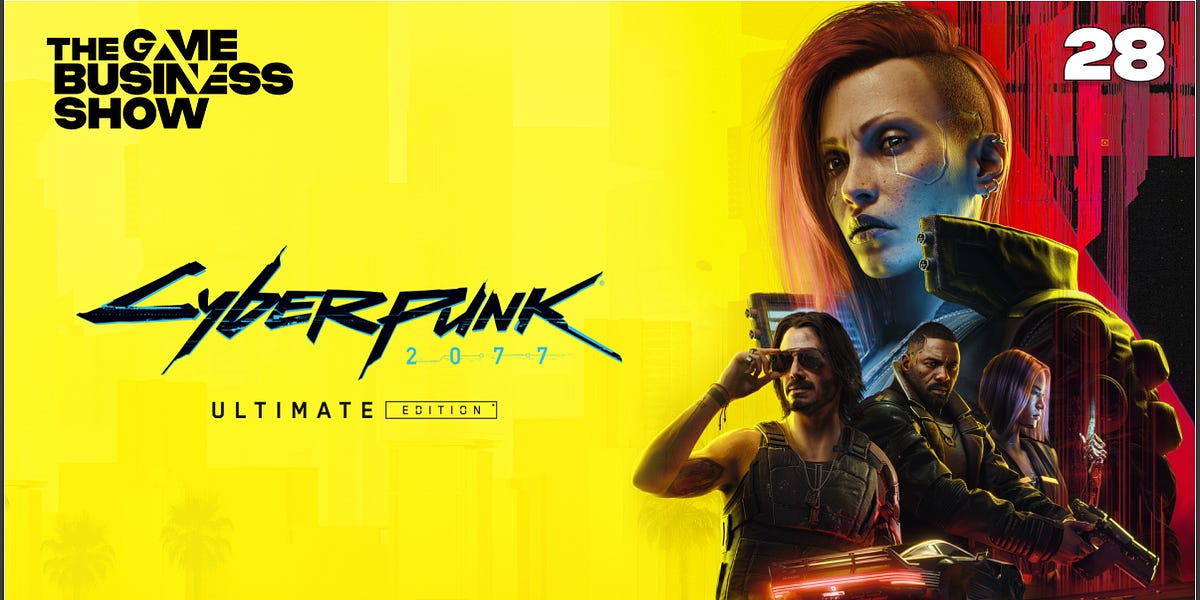
Nintendo Switch 2: Third-Party Success Analysis
The Nintendo Switch 2 launch, while achieving record-breaking hardware sales of 3.5 million units in its opening days, has yielded underwhelming results for third-party publishers.
- Despite record-breaking hardware sales for the Nintendo Switch 2, third-party publishers reported launch-month sales that were 'below our lowest estimates.'
- While third-party performance showed a slight improvement over the original Switch launch, this is largely attributed to a larger installed base and a wider selection of 13 physical launch titles compared to the original's five.
- Over 80% of Switch 2 game sales occurred through physical retail channels, with consumers showing a strong preference for titles that do not require additional digital downloads, such as Cyberpunk 2077.

Was Nintendo Switch 2 a success for third-parties?
The gaming industry is currently undergoing a structural transition characterized by the decline of centralized trade shows and a shift toward direct-to-consumer marketing.
- First-party titles remain the dominant force on the Nintendo Switch 2, accounting for up to 86% of physical software sales in certain regions.
- Third-party success on the Switch 2 is currently limited to indie titles and established franchises, as many publishers struggle to align their releases with the platform's portable, plug-and-play nature.
- The gaming industry is shifting away from centralized trade shows toward direct-to-consumer marketing, evidenced by a sharp contraction in media coverage following the 2024 Summer Game Fest peak of 3 million viewers.