1 free read left. Create a free account for unlimited reading + AI research.
Create free accountArticle The Game Business
1 free read left. Create a free account for unlimited reading + AI research.
Create free accountArticleThe Game Business
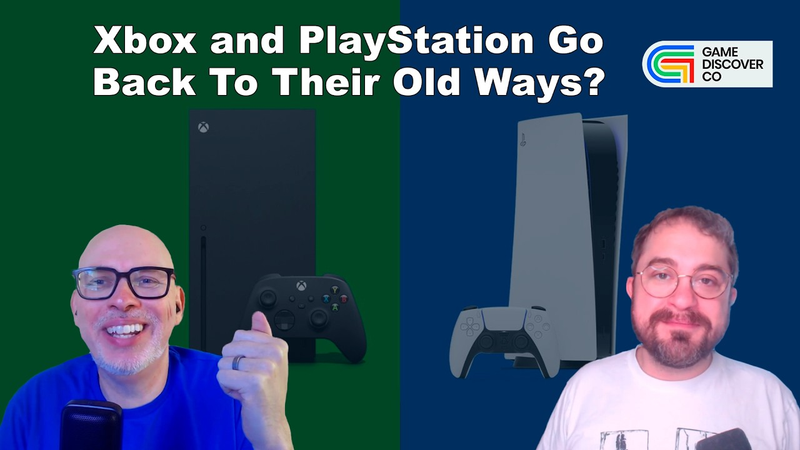
The company is moving away from its traditional console-exclusive strategy. It is now adopting a Windows-focused and multi-platform approach.
The current state of Xbox reflects a fundamental shift in the company’s identity, marking the end of its traditional console-focused business model. Following a decade of market share loss to competitors and the failure of key tentpole releases like Halo Infinite and Starfield, the division has transitioned into a third-party publisher. This strategic pivot is characterized by widespread layoffs, studio closures—including The Initiative—and the cancellation of high-profile projects such as Perfect Dark and Everwild.
The core thesis posits that Xbox’s previous strategy, which relied on a subscription-based model (Game Pass) and hardware diversification, failed to deliver the necessary quality and volume of hit games to remain competitive. Despite Microsoft investing over $80 billion in acquisitions, including Bethesda and Activision Blizzard, the resulting portfolio has become overly saturated with shooters and RPGs. This spending spree is described as a reactive, potentially reckless attempt to prevent competitors like Google or Amazon from securing these assets, rather than a cohesive long-term vision.
Currently, Xbox operates as a hybrid entity that maintains a console presence while increasingly prioritizing a Windows-focused, multi-platform approach. By gradually releasing first-party titles on competing platforms like PlayStation, the company is attempting to improve financial margins that were previously eroded by the Game Pass model. While the brand retains a vast library of classic intellectual property, the internal division remains caught between its legacy as a console manufacturer and its new reality as a multi-platform publisher. The ongoing restructuring suggests that the traditional Xbox console business is no longer the central pillar of the organization’s future.
The Game Business · 2026
The Game Business · 2026

The Game Business · 2026

The Game Business · 2026
The Game Business · 2026
The Game Business · 2026
The Game Business · 2026
The Game Business · 2026
The Game Business · 2026
The Game Business · 2026

The Game Business · 2026
The Game Business · 2026