
The Game Business
Games industry business news and analysis by Christopher Dring (ex-GamesIndustry.biz).
Documents
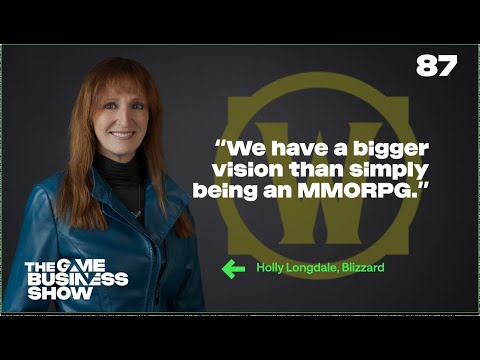
Interview: World of Warcraft bosses on ageing players, Midnight and expanding the Warcraft IP
World of Warcraft is undergoing a strategic transformation to accommodate an aging player base while simultaneously expanding its reach to new generations.
- World of Warcraft is transitioning from a traditional MMORPG into a versatile social space to accommodate an aging player base with limited time.
- The development team is introducing low-pressure features, such as player housing, to provide flexible gameplay options for busy professionals and parents.
- Operational workflows have been restructured to utilize parallel production cycles, successfully eliminating historical content droughts.

Is this make or break for GDC?
The global game development industry is currently navigating a period of significant instability, marked by widespread workforce reductions and shifting technological priorities.
- Over 25% of global game industry professionals have faced layoffs in the last two years, with that figure rising to 33% within the United States.
- Unreal Engine has surpassed Unity as the primary engine for developers, while the Steam Deck has become a higher priority for development focus than the Nintendo Switch 2.
- Despite rapid adoption for brainstorming and research, a majority of developers now view generative AI as a detrimental force within the industry.
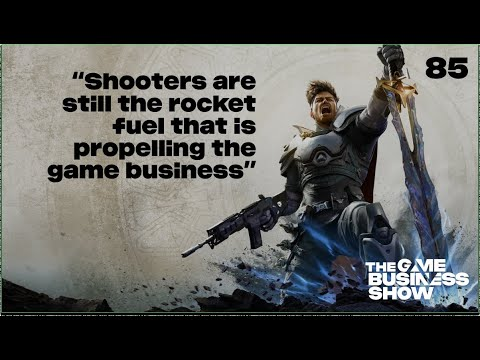
Interview: Highguard developers on dealing with the hostile reception to its ambitious shooter
Wildlight, an independent studio founded by industry veterans from the Apex Legends and Titanfall development teams, recently launched its debut title, Highguard.
- Wildlight, a 100-person studio founded by Apex Legends and Titanfall veterans, is positioning its debut title 'Highguard' as a 'raid shooter' that blends base-raiding, open-world exploration, and tactical combat.
- To mitigate the risks of the saturated live-service market, the studio launched with a full year of content already in development and a pre-planned roadmap.
- The studio utilized a surprise reveal at The Game Awards followed by a six-week quiet period to manage community anticipation and finalize development.
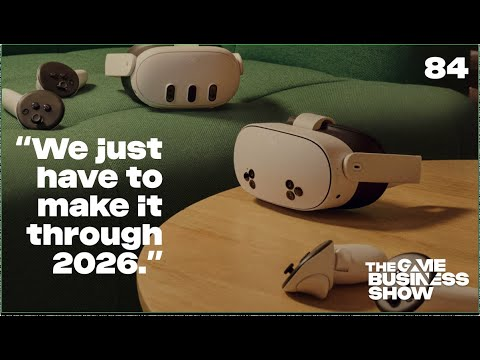
Has Meta just killed virtual reality?
The gaming industry is currently navigating a period of significant structural realignment, marked by a shift away from high-budget, blockbuster development toward more sustainable, long-term operational models.
- Meta is pivoting its strategic focus toward artificial intelligence, resulting in studio closures and a reduction in premium AAA investment for virtual reality.
- The VR market is transitioning from an experimental phase into a specialized, niche ecosystem where smaller, agile teams are finding success.
- Meta Quest continues to command the vast majority of revenue in the VR sector, serving as the primary anchor for the current market.
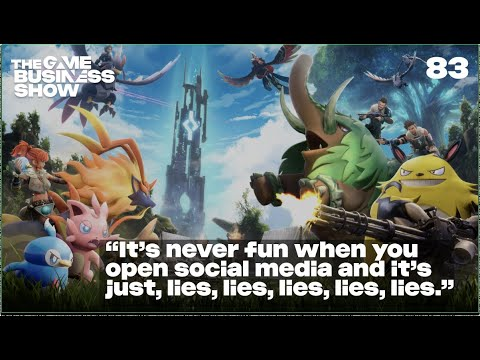
Pocketpair interview: We’ll keep funding games even if our current titles crash and burn
Pocketpair, the developer behind the 2024 breakout hit Palworld, has established a new publishing division aimed at supporting independent game developers through direct funding and resource sharing.
- Pocketpair has launched a new publishing division to fund independent developers, reinvesting profits from the 2024 hit Palworld, which currently maintains over one million monthly players.
- The publishing arm utilizes a non-predatory revenue-share model that prioritizes developer creative control and financial viability over equity acquisition.
- Pocketpair operates as a hands-off partner, providing milestone-based guidance and leveraging internal expertise in Asian marketing and distribution.

There is no such thing as a video game industry
The video game sector is currently undergoing a profound structural transformation, characterized by widespread layoffs, shifting corporate priorities, and a fundamental move away from the notion of a monolithic industry.
- The video game sector is no longer a monolithic industry but a fragmented attention economy where games compete directly with social media and streaming platforms.
- Legacy AAA development models are facing diminishing returns due to high production costs and a disconnect between traditional console titles and the preferences of younger demographics.
- Modern audiences are increasingly migrating toward accessible, low-fidelity platforms such as Roblox and Fortnite, necessitating a shift in production strategies toward mobile-first habits.

Split Fiction’s Josef Fares on Clair Obscur success, AI fears and EA’s reputation
Josef Fares, the creative director of Hazelight Studios, emphasizes a philosophy of prioritizing creative vision over market data to drive game development.
- Hazelight Studios has achieved significant commercial success by prioritizing creative vision over market data, resulting in 27 million units sold for 'It Takes Two' and 12 million for 'A Way Out'.
- Josef Fares explicitly rejects taking Hazelight public, arguing that the pressure to satisfy stock market stakeholders forces companies to prioritize short-term financial gains over long-term creative quality.
- The studio maintains a staff of approximately 80 employees and operates under a co-op-only design philosophy that intentionally avoids risk-averse, data-driven decision-making.

Split Fiction’s Josef Fares: “I would not be able to live without AAA titles”
Hazelight Studios director Josef Fares emphasizes the necessity of maintaining a diverse gaming landscape, arguing that the industry requires both high-budget AAA blockbusters and smaller-scale titles.
- Hazelight Studios has achieved significant commercial success with its co-op-only titles, selling 12 million units of 'A Way Out' (2018), 27 million units of 'It Takes Two' (2021), and 4 million units of 'Split Fiction' within its first two months of release.
- Josef Fares explicitly rejects taking Hazelight public, arguing that the pressure to satisfy stock market financial expectations forces studios to make poor creative decisions.
- Fares advocates for a balanced industry ecosystem, warning publishers against abandoning AAA development in favor of a singular focus on AA titles despite the recent success of games like 'Clair Obscur: Expedition 33'.
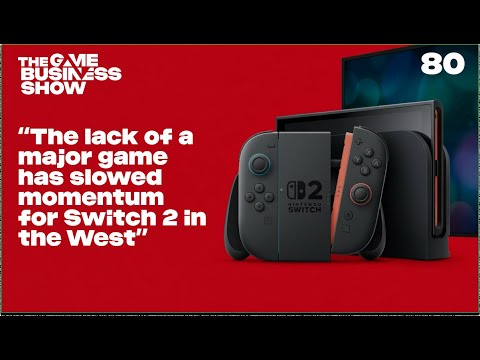
Nintendo Switch 2 sales stumble over Christmas
The Nintendo Switch 2 encountered a difficult holiday season, marked by a significant decline in U.S. sales compared to the original console’s 2017 launch.
- The Nintendo Switch 2 experienced a significant decline in U.S. holiday sales compared to the original 2017 console launch, driven by a higher price point and a lack of a flagship title.
- While the Japanese market remained resilient, major territories like France saw notable year-over-year downturns in Switch 2 hardware adoption.
- The Nex Playground console successfully moved 650,000 units last year, establishing a niche in the family-oriented, motion-control market and expanding into the UK.
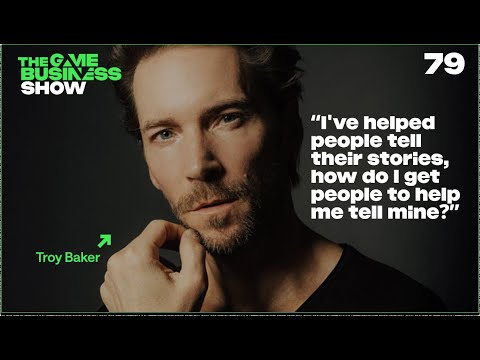
Interview with Troy Baker: Could we see video game actors on Jimmy Fallon?
Video games have solidified their position as a primary medium for sophisticated storytelling, moving beyond their historical status as a secondary industry to become a central pillar of modern entertainment.
- Video games have transitioned from a secondary industry to a primary pillar of modern entertainment, driven by the increasing integration of high-profile Hollywood creators.
- The industry’s capacity for fostering deep empathy and human connection is fueling a cultural shift that makes the future mainstream visibility of game actors on platforms like late-night talk shows inevitable.
- Human-centric performance is the industry’s primary defense against artificial intelligence, as automated tools lack the capacity for the genuine artistic expression that audiences increasingly demand.

Best of The Game Business Show 2025
The modern gaming industry is undergoing a fundamental shift away from rigid, committee-led development toward more agile, creative, and player-centric models.
- Studios are shifting from rigid, committee-led development to agile, player-centric models that prioritize immediate gameplay hooks to compete with the rapid engagement cycles of short-form social media.
- The industry is moving away from predatory monetization like loot boxes toward sustainable, trust-based economies that prioritize long-term player retention.
- Successful live-service titles such as The Finals, MapleStory Mobile, and Apex Legends demonstrate that initial launch metrics are poor predictors of long-term success, necessitating a focus on post-launch iteration and core mechanical fun.
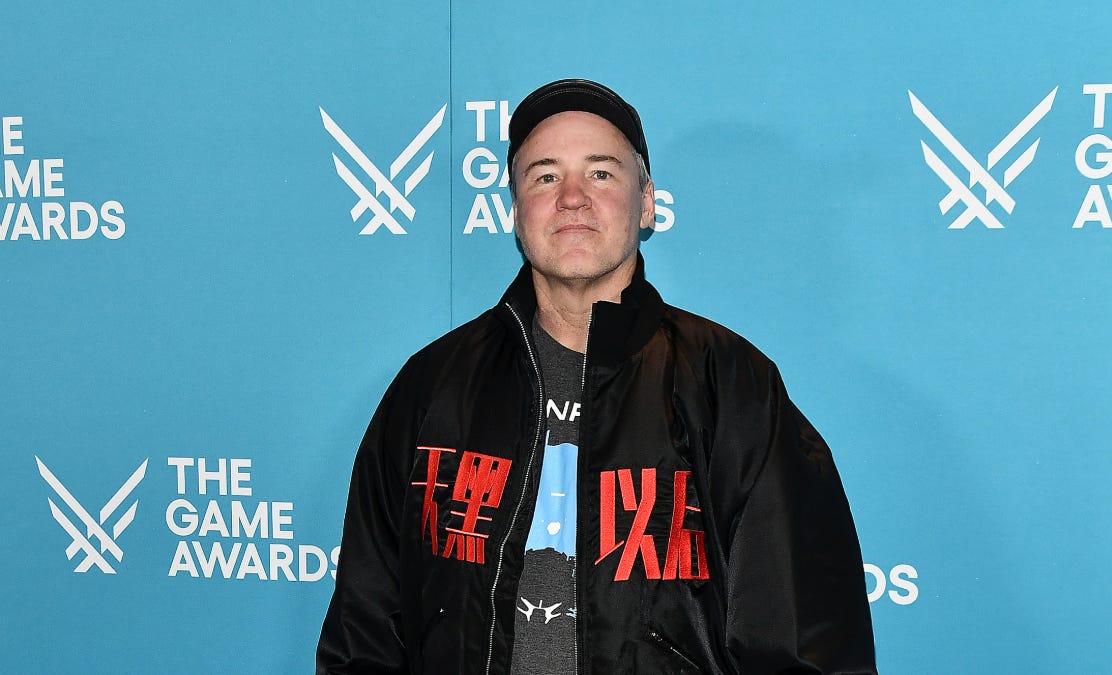
Call of Duty Co-Creator, Respawn Founder and Battlefield Boss Vince Zampella Has Died
Vince Zampella, a prominent figure in the global video game industry, passed away at the age of 55 following a car accident in Los Angeles.
- Vince Zampella, the co-creator of Call of Duty and founder of Respawn Entertainment, has died at age 55 following a car crash in Los Angeles.
- Zampella rose to prominence as the development director for 2002's Medal of Honor: Allied Assault before co-founding Infinity Ward, where he helped launch the Call of Duty franchise in 2003.
- After being fired from Activision in 2010 due to a contract and royalty dispute, Zampella co-founded Respawn Entertainment, which created the Titanfall series and Apex Legends.