Serious Games Society
Serious Games Society is an organization focused on shaping the future of serious games and connecting people in the serious game space. It publishes reports and articles on serious games, game-based learning, and gamification.
Documents
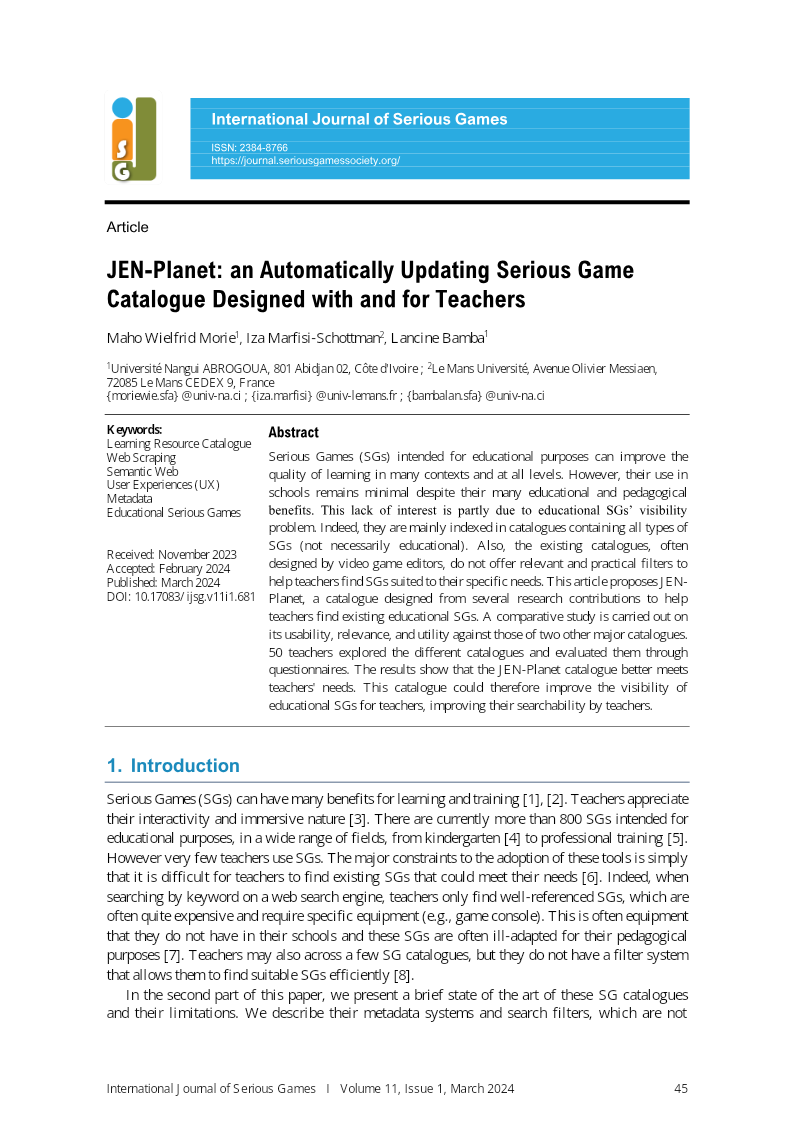
JEN-Planet: An Automatically Updating Serious Game Catalogue Designed with and for Teachers
The JEN-Planet catalogue addresses the persistent challenge of low teacher adoption rates for serious games by providing a specialized, pedagogically focused repository.
- JEN-Planet achieves an 89% relevance rate for classroom-applicable search results, significantly outperforming competing platforms that struggle to maintain a 50% relevance threshold.
- The platform utilizes an automated web-crawling system combined with the LGMD metadata schema and ADEM indexing model to ensure the catalogue remains current and pedagogically focused.
- Comparative evaluations with 50 teachers confirm that JEN-Planet provides superior usability and search efficiency compared to established databases like SeriousGameClassification and MobyGames.

Role-Playing in Teacher Education with InCoLearn and its Qualitative Usability
InCoLearn functions as a multiplayer online role-playing game specifically engineered to cultivate professional competencies in student teachers, particularly regarding classroom inclusion and the management of student heterogeneity.
- InCoLearn is a multiplayer online role-playing game designed to train 46 student teachers in classroom inclusion and student heterogeneity management.
- Qualitative analysis of 46 participants identifies 'suitability for learning' and 'controllability' as the most critical dimensions for user experience in serious games.
- Technical friction in mouse controls, camera movement, and quest objective clarity currently impedes the pedagogical learning process for users.

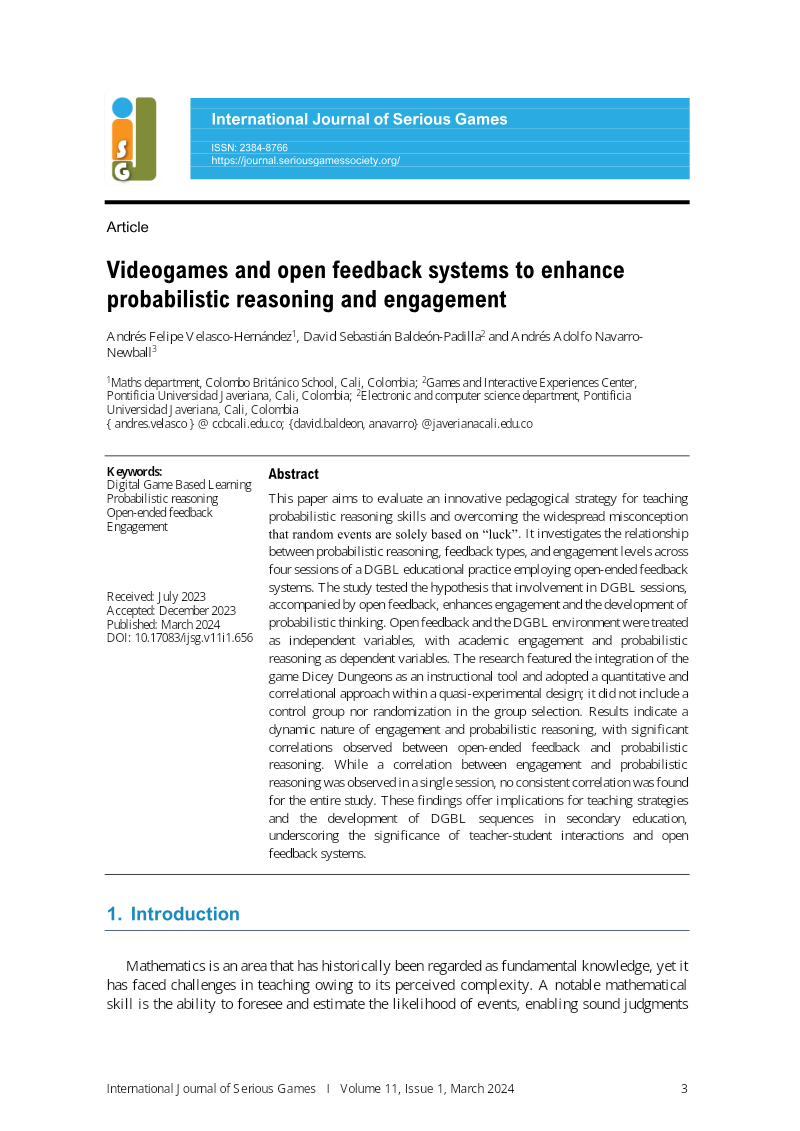
Videogames and Open Feedback Systems to Enhance Probabilistic Reasoning and Engagement
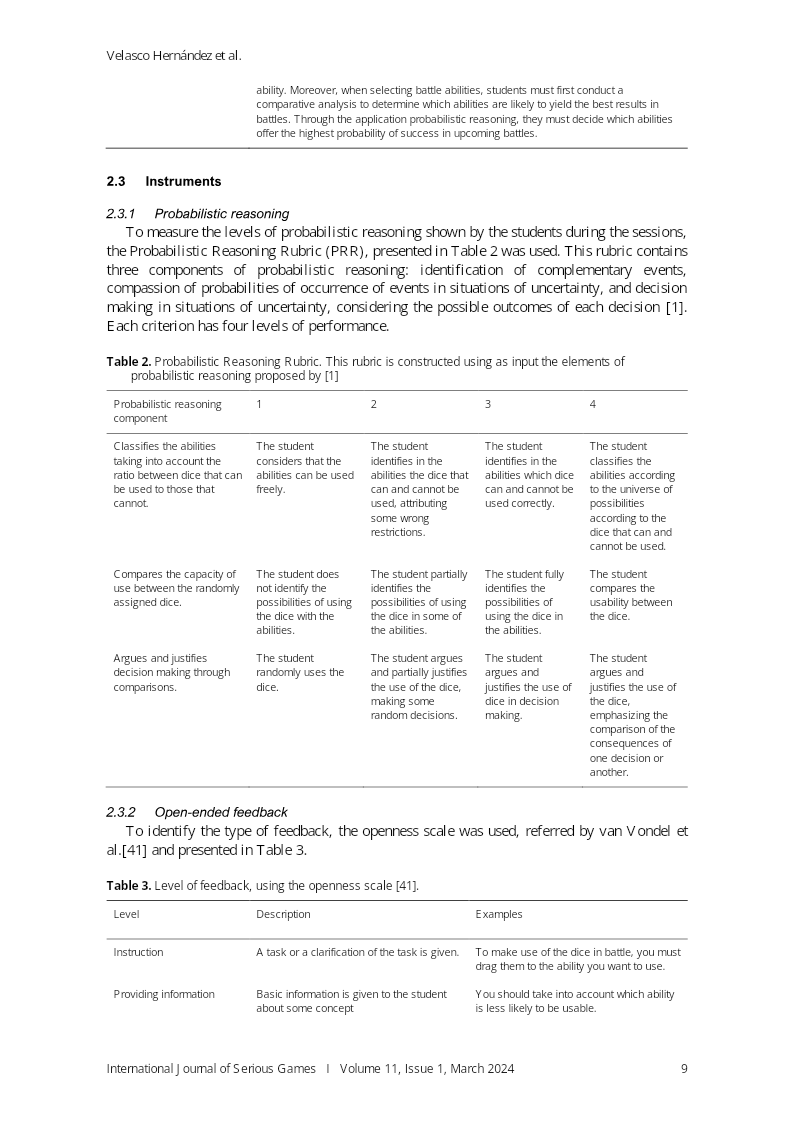
Digital game-based learning serves as a potent vehicle for developing higher-order mathematical skills, specifically probabilistic reasoning, when integrated with structured pedagogical support.
- The efficacy of digital game-based learning for complex mathematical tasks is primarily driven by the quality of human-led, open-ended feedback rather than the game environment alone.
- Empirical analysis using the Probabilistic Reasoning Rubric confirms a consistent, positive correlation between the quality of teacher feedback and the development of student reasoning skills.
- Feedback quality does not dictate student engagement levels, as research indicates a disconnect between cognitive advancement and the emotional or motivational state of the learner.
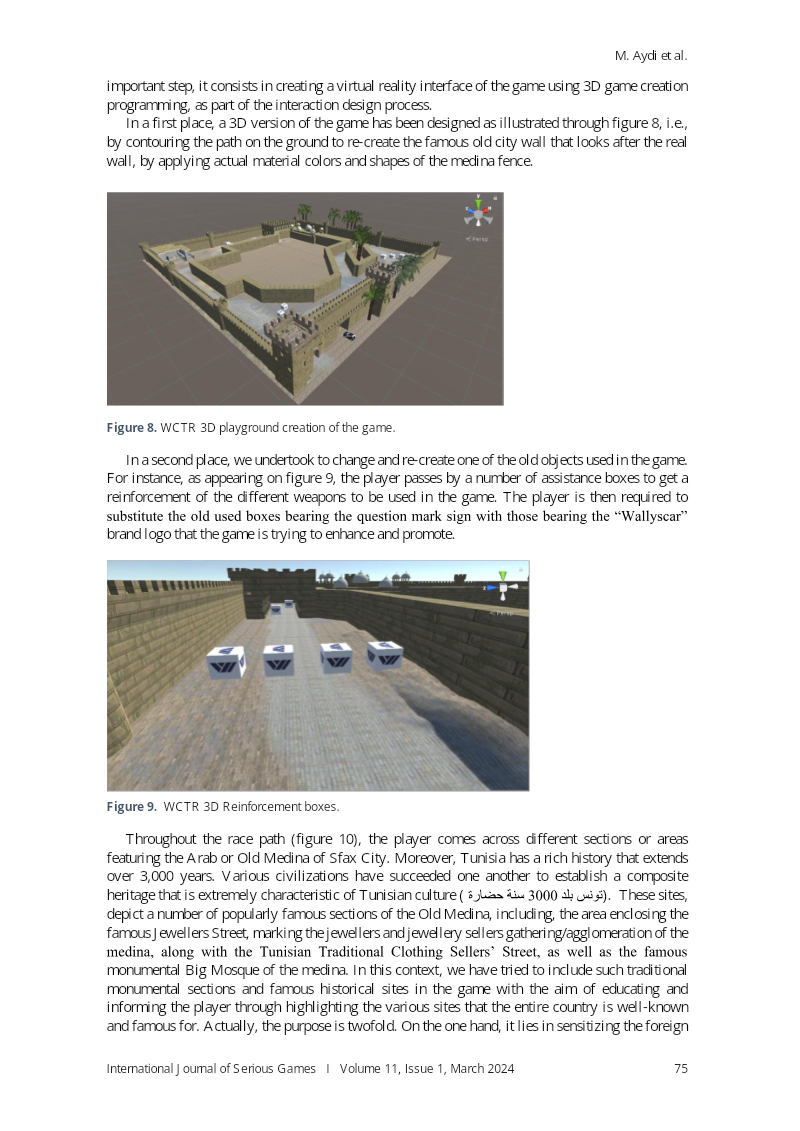

Design of Virtual Reality Based Game for Dual Enhancement of City Monuments and Brand Image
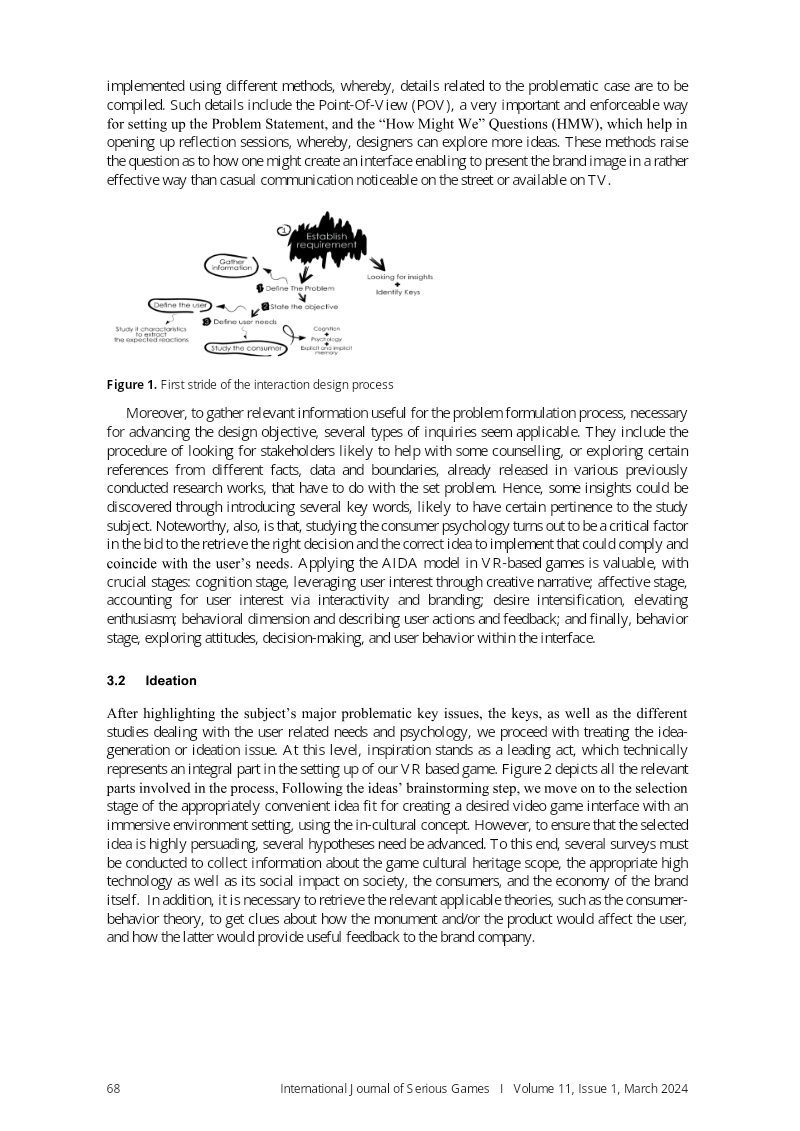
Virtual reality serves as a potent medium for the dual objectives of promoting historical cultural heritage and strengthening corporate brand identity.
- Virtual reality environments can effectively merge historical monument preservation with corporate brand identity by leveraging consumer psychology and high-fidelity 3D modeling.
- A case study involving the Wallyscar brand in the Old Medina of Sfax, Tunisia, demonstrated that integrating commercial branding into historical contexts fosters positive user associations.
- Heuristic evaluations of the Sfax project confirmed high levels of general user satisfaction regarding the usability and accessibility of the virtual environment.

Museum Games and Personal Epistemology: A Study on Students’ Critical Thinking
Mixed-reality museum games serve as effective tools for fostering critical thinking and epistemological growth among students aged 12 to 15.
- Mixed-reality museum games effectively foster critical thinking and epistemological growth in students aged 12 to 15 by presenting ill-structured, non-deterministic problems.
- The primary pedagogical goal of these digital experiences is to transition students from naive, opinion-based reasoning to sophisticated, evidence-based scientific understanding.
- Educational efficacy is heavily dependent on a student's personal epistemology, specifically their individual views regarding the certainty, simplicity, and justification of knowledge.
How ChatGPT Can Inspire and Improve Serious Board Game Design
Large Language Models serve as powerful collaborative tools for educators and designers tasked with creating serious board games.
- AI integration significantly accelerates the serious board game development lifecycle by streamlining ideation, rule-setting, and prototyping phases.
- Human-AI synergy allows for the rapid creation of thematic narratives, complex mechanics, and component templates, drastically reducing the time required compared to manual design methods.
- Designers must maintain rigorous human oversight to mitigate risks associated with algorithmic bias, factual hallucinations, and the lack of cultural nuance in AI-generated content.
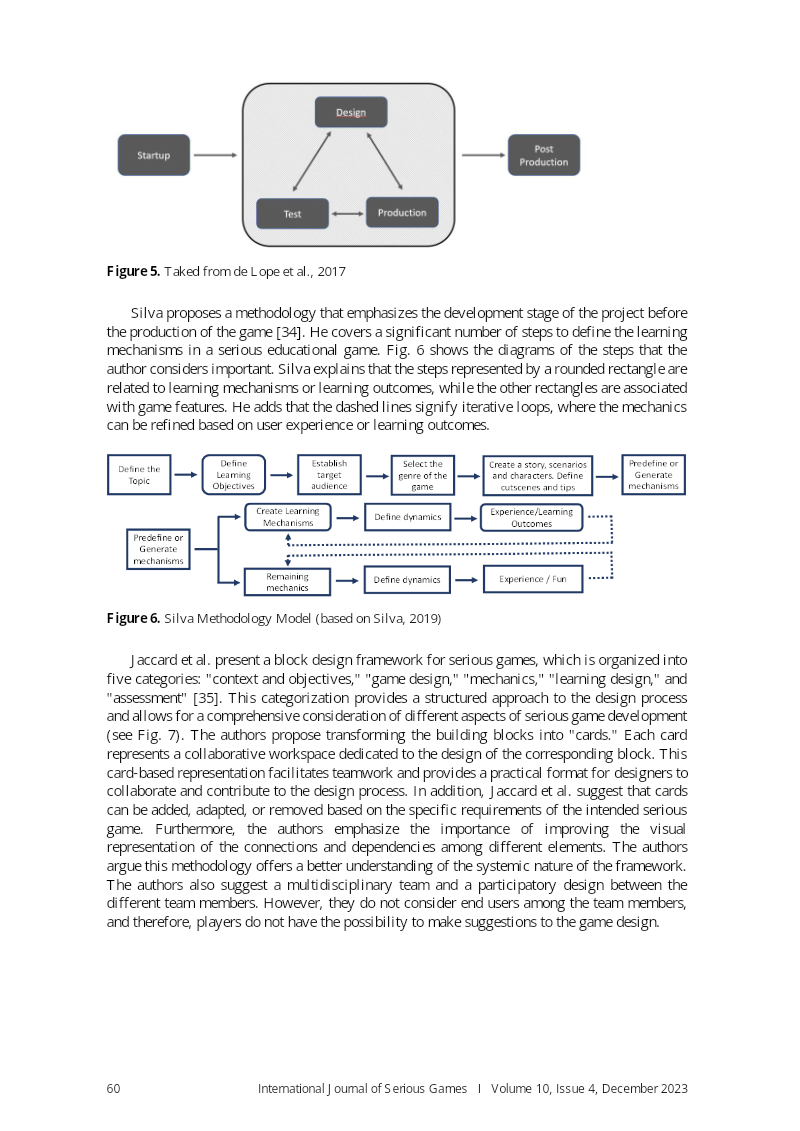
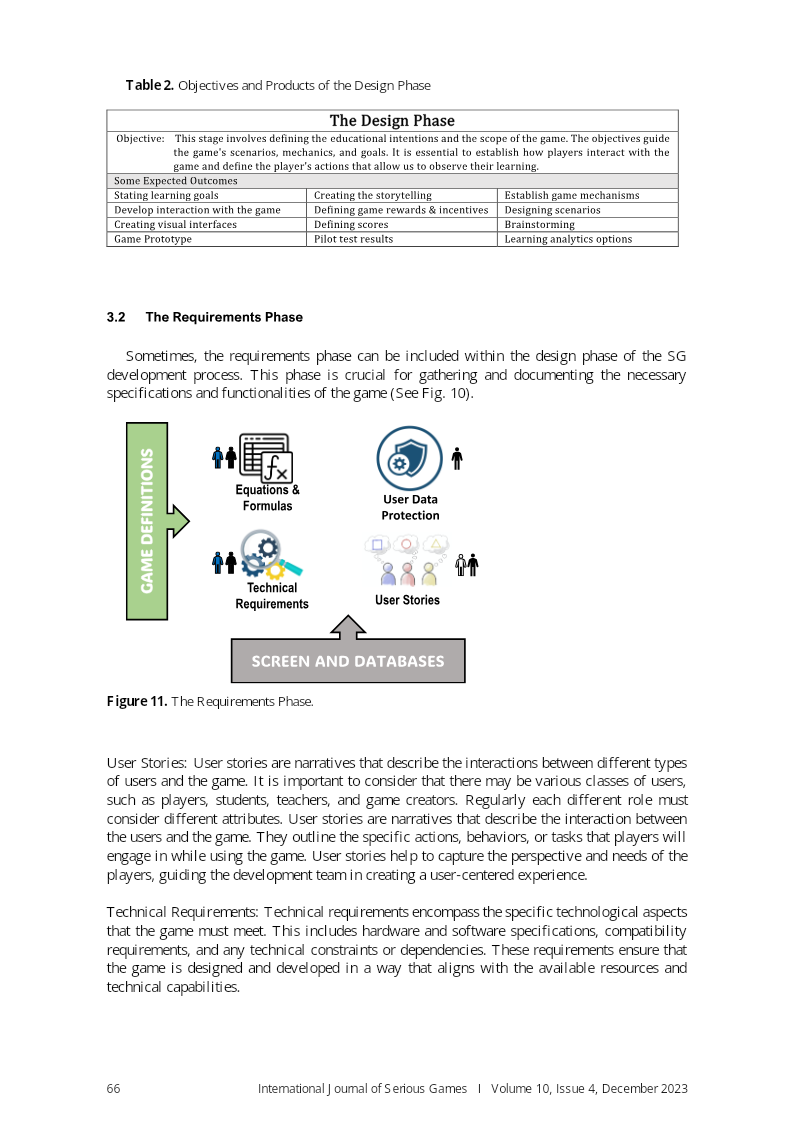
How to Create Serious Games: Proposal for a Participatory Methodology
The development of serious games requires a shift toward a participatory methodology that prioritizes continuous collaboration between multidisciplinary teams and end-users.
- Serious game development should shift to a participatory methodology that integrates pedagogical experts, developers, designers, and end-users throughout the entire project lifecycle.
- Moving beyond traditional models that limit user involvement to final testing, this co-design approach ensures technical mechanics align with learning outcomes from the conceptualization phase.
- The proposed framework utilizes five iterative stages to foster consensus-building and establish a common language among multidisciplinary stakeholders.
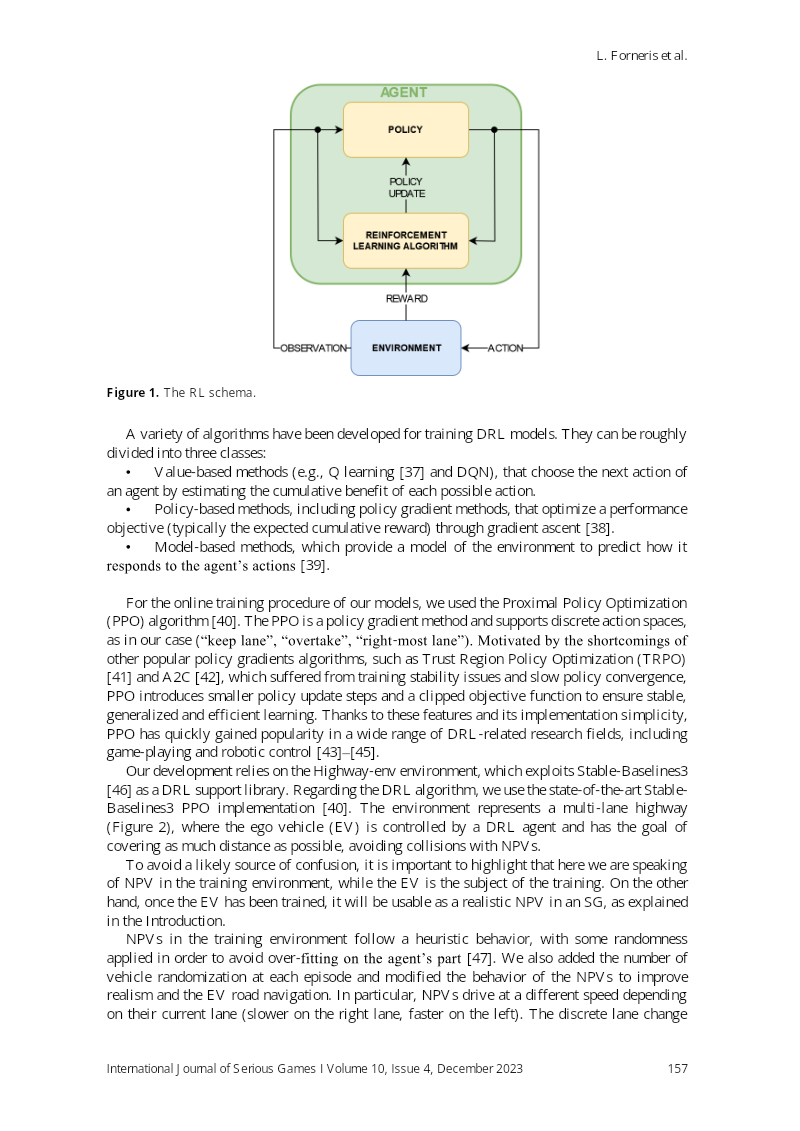

Implementing Deep Reinforcement Learning (DRL)-based Driving Styles for Non-Player Vehicles
The integration of Deep Reinforcement Learning into serious game development offers a transformative approach to creating realistic non-player vehicle behavior.
- Using a hierarchical architecture that delegates low-level control to Advanced Driver Assistance Systems (ADAS) while using Deep Reinforcement Learning (DRL) for high-level strategy improves both safety and speed metrics in non-player vehicle behavior.
- The Proximal Policy Optimization (PPO) algorithm reduces training time by over an order of magnitude compared to traditional heuristic-based coding methods.
- Developers can generate distinct driving styles—Comfort, Standard, and Aggressive—by dynamically adjusting the weights within the agent's reward function.
A Taxonomy of Learner-Player's Emotions in Serious Games
Serious games occupy a unique intersection where educational objectives must align with interactive engagement, yet the specific modeling of learner-player emotions remains an underdeveloped field.
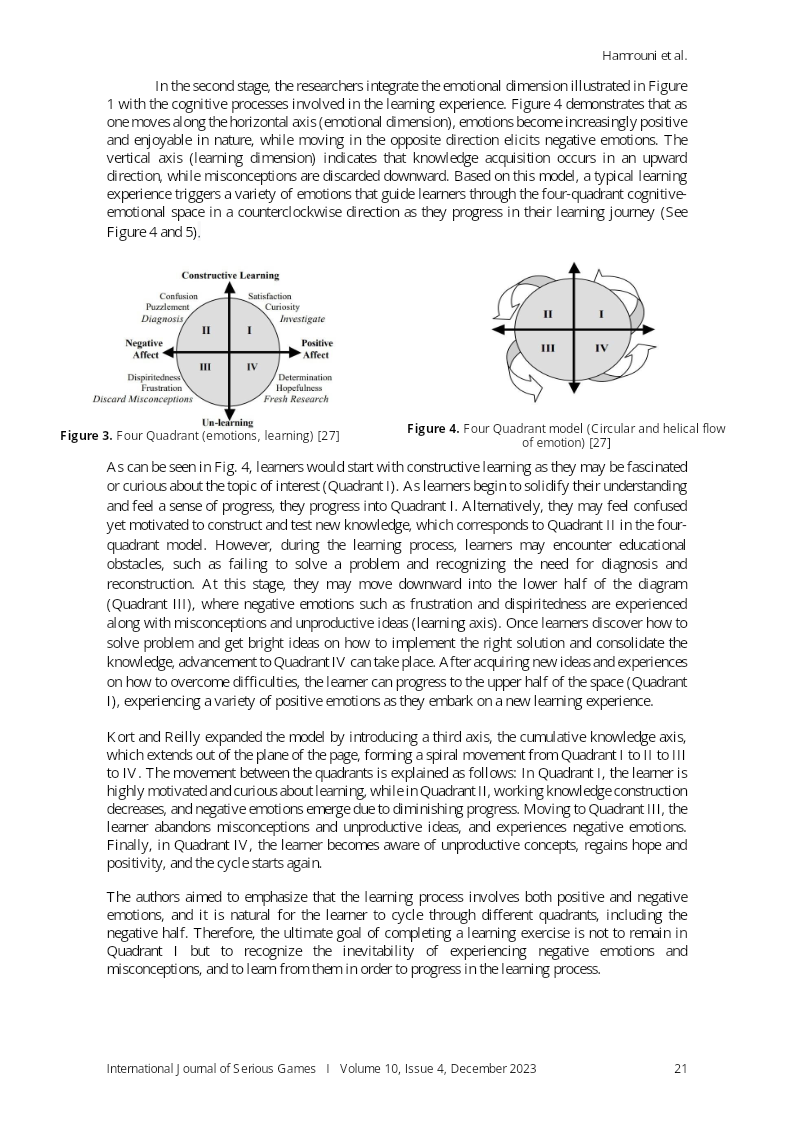
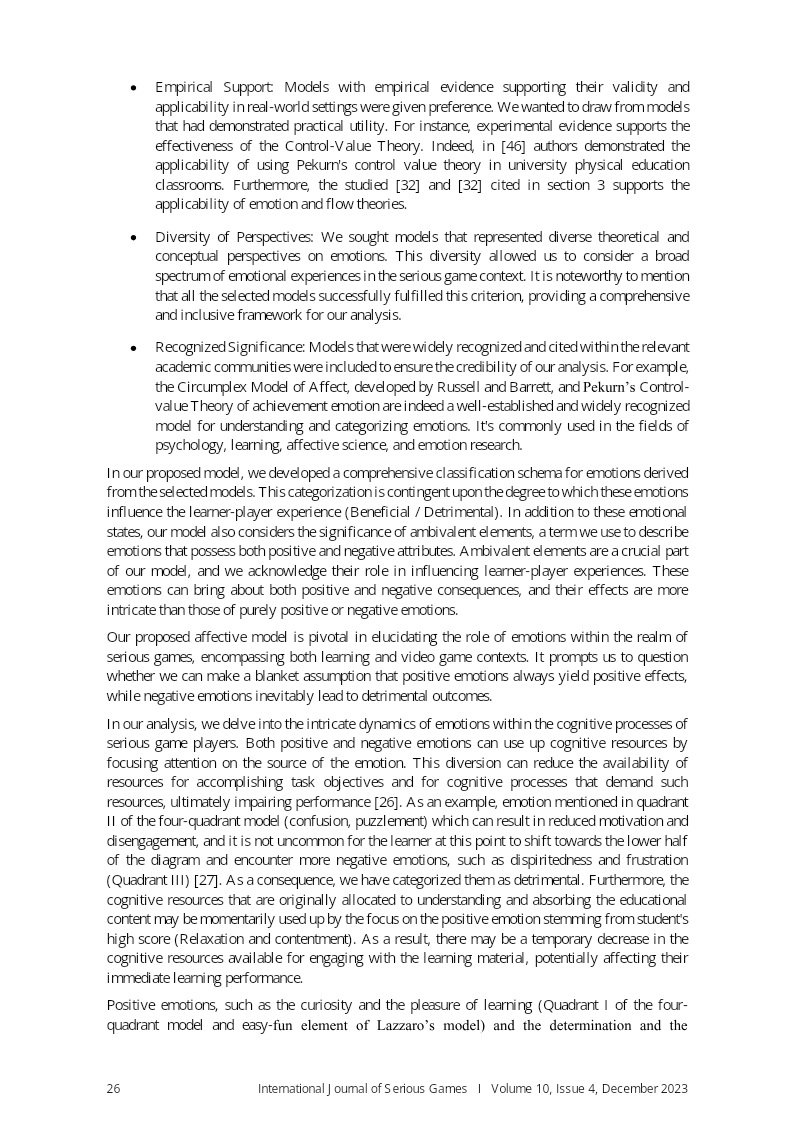
- Emotional regulation is a fundamental component of the learning process in serious games, directly impacting cognitive resources, motivation, and educational performance.
- Game design must balance challenge and competence to avoid boredom or anxiety, as the player's emotional state is cyclical rather than linear.
- While positive activating emotions generally improve learning, negative or ambivalent states like productive confusion can foster resilience and extrinsic motivation.
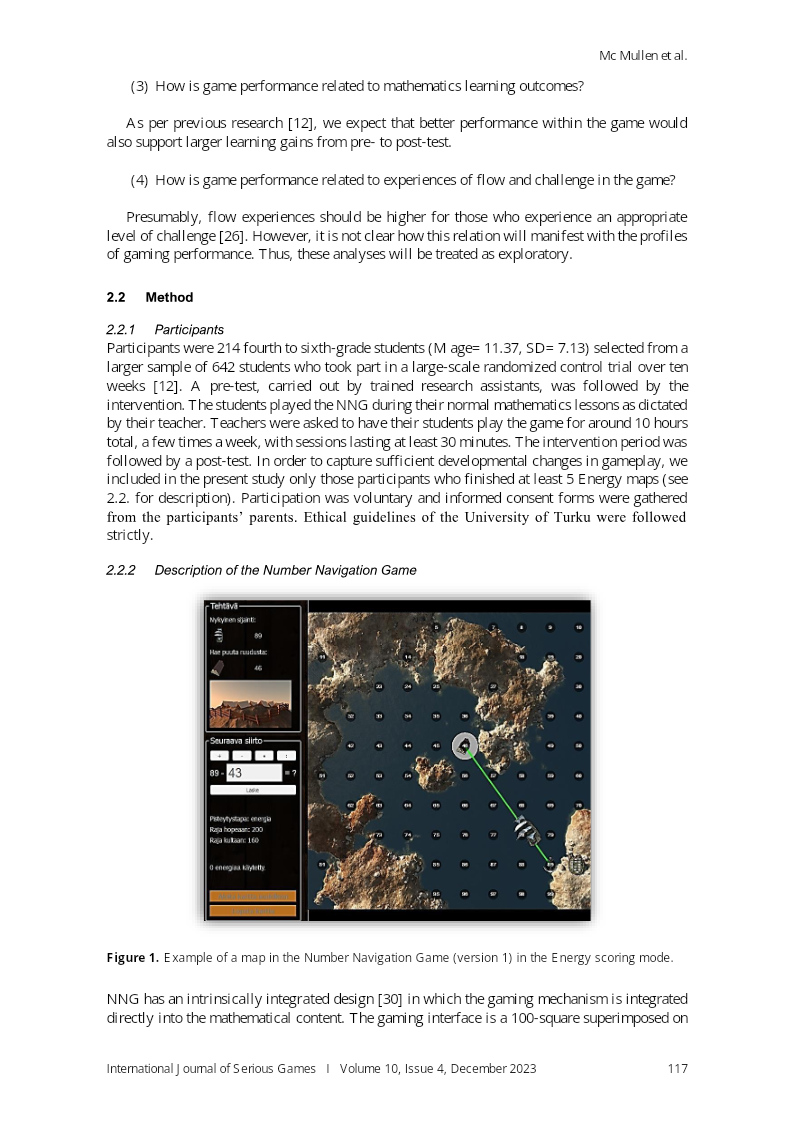

Mathematical Game Performance as an Indicator of Deliberate Practice
The Number Navigation Game serves as a critical tool for fostering adaptive number knowledge among students, functioning as a digital environment that facilitates deliberate practice.
- Sustained effort and incremental progress, rather than initial aptitude, are the primary drivers of mathematical skill acquisition in digital learning environments.
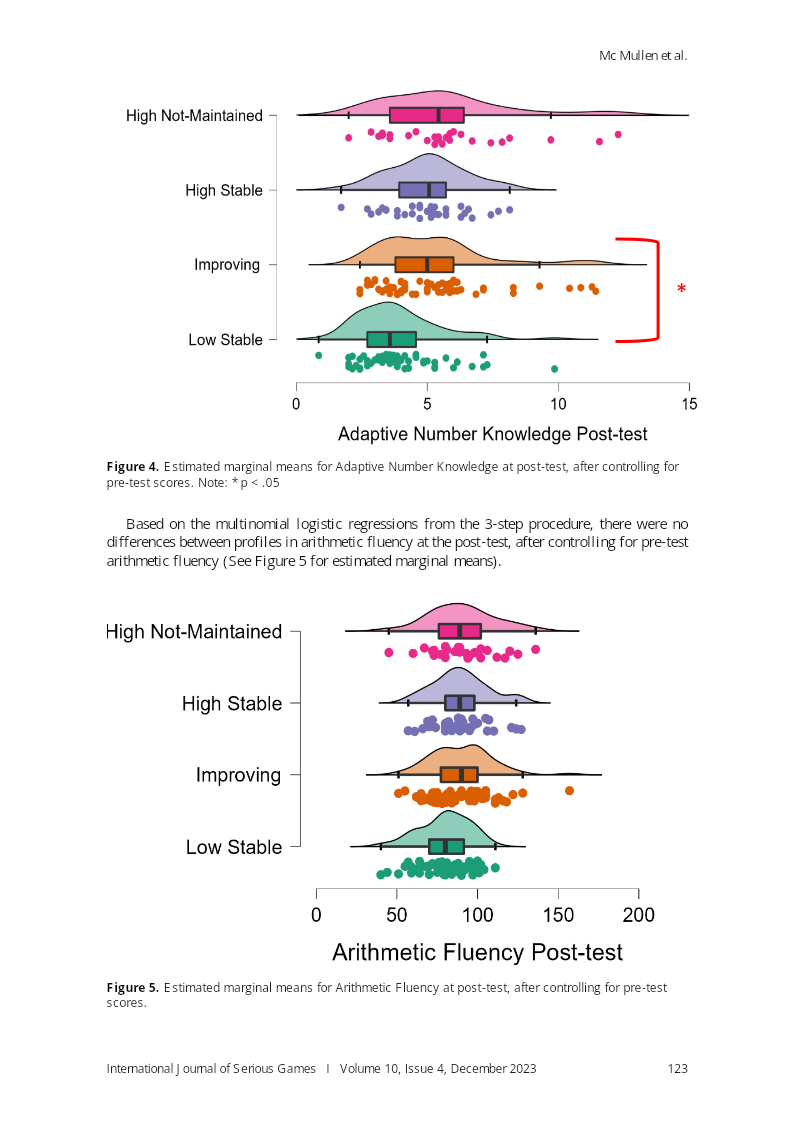
- The most significant learning gains occur in the 'improving' profile, a group characterized by steady, incremental progress and higher time-on-task despite lower starting proficiency.
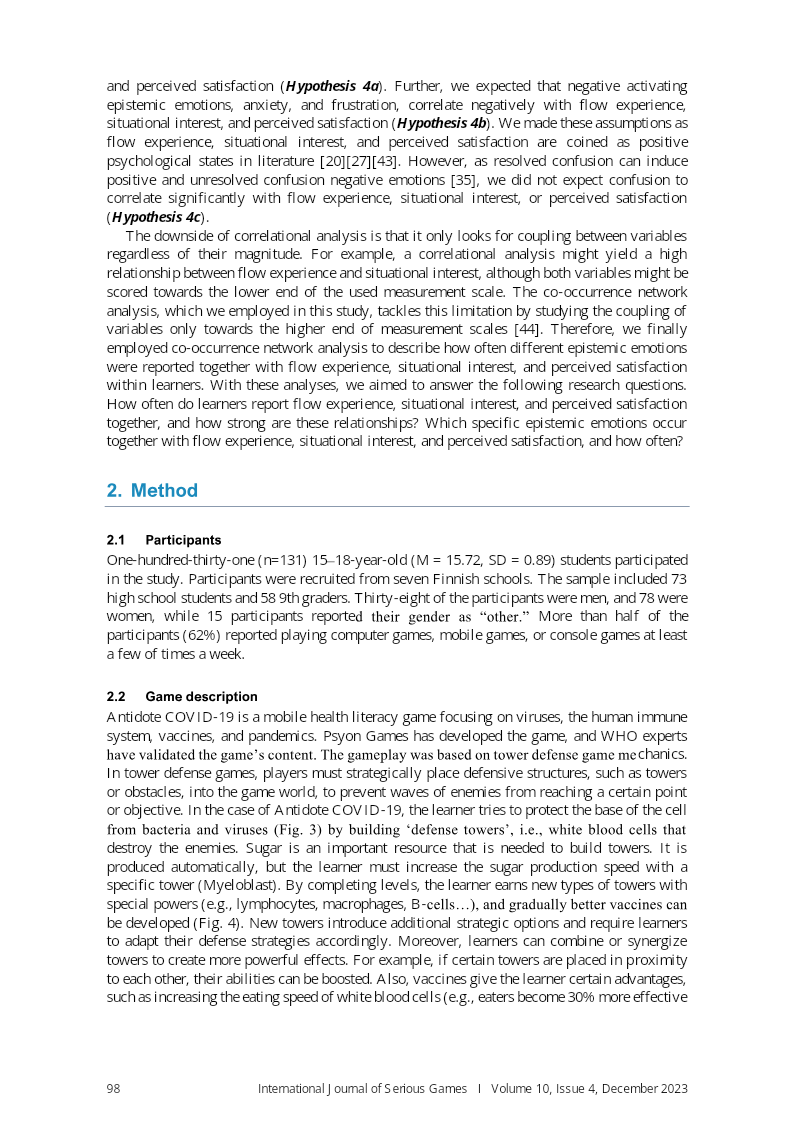
- Game-based learning in the Number Navigation Game correlates with gains in adaptive mathematical expertise but shows no significant impact on arithmetic fluency, indicating a specialized pedagogical scope.
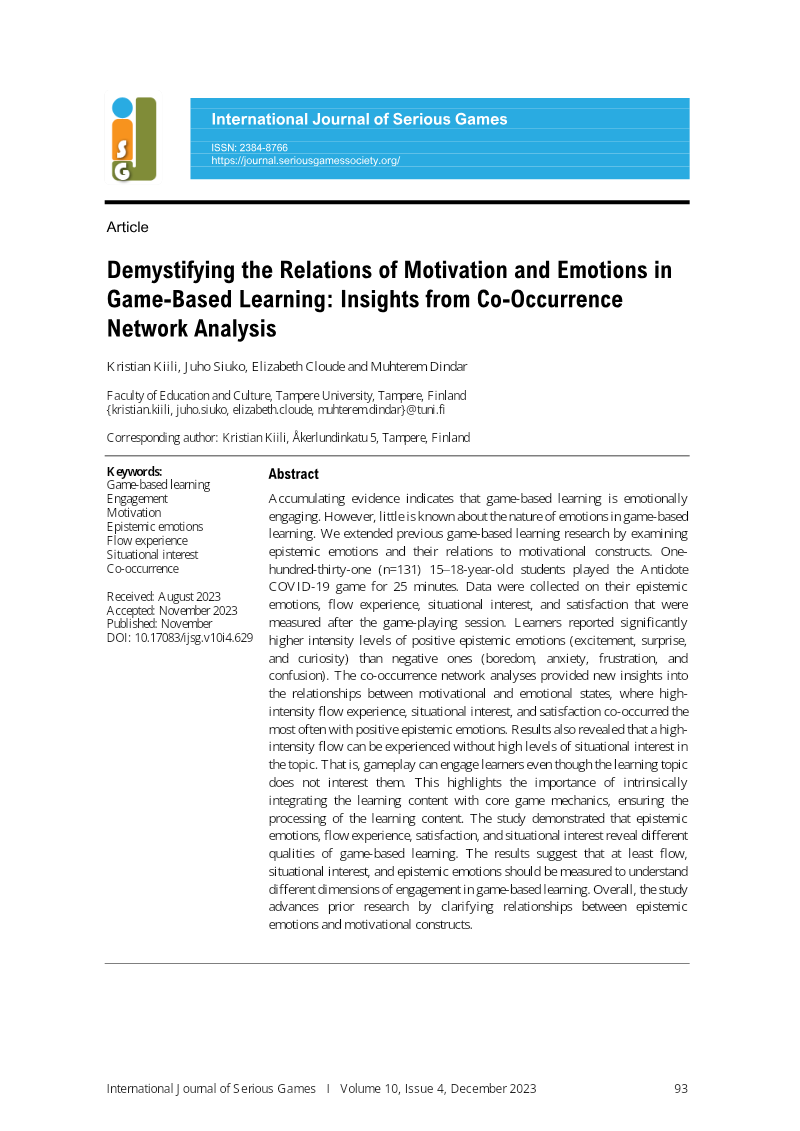
Demystifying the Relations of Motivation and Emotions in Game-Based Learning: Insights from Co-Occurrence Network Analysis
Game-based learning environments leverage the intersection of motivational constructs and epistemic emotions to drive educational outcomes.
- Game mechanics can successfully induce high-intensity flow even when learners have low initial interest in the subject matter.
- Educational content must be intrinsically integrated into core gameplay loops rather than presented as peripheral tasks to maintain learner focus.
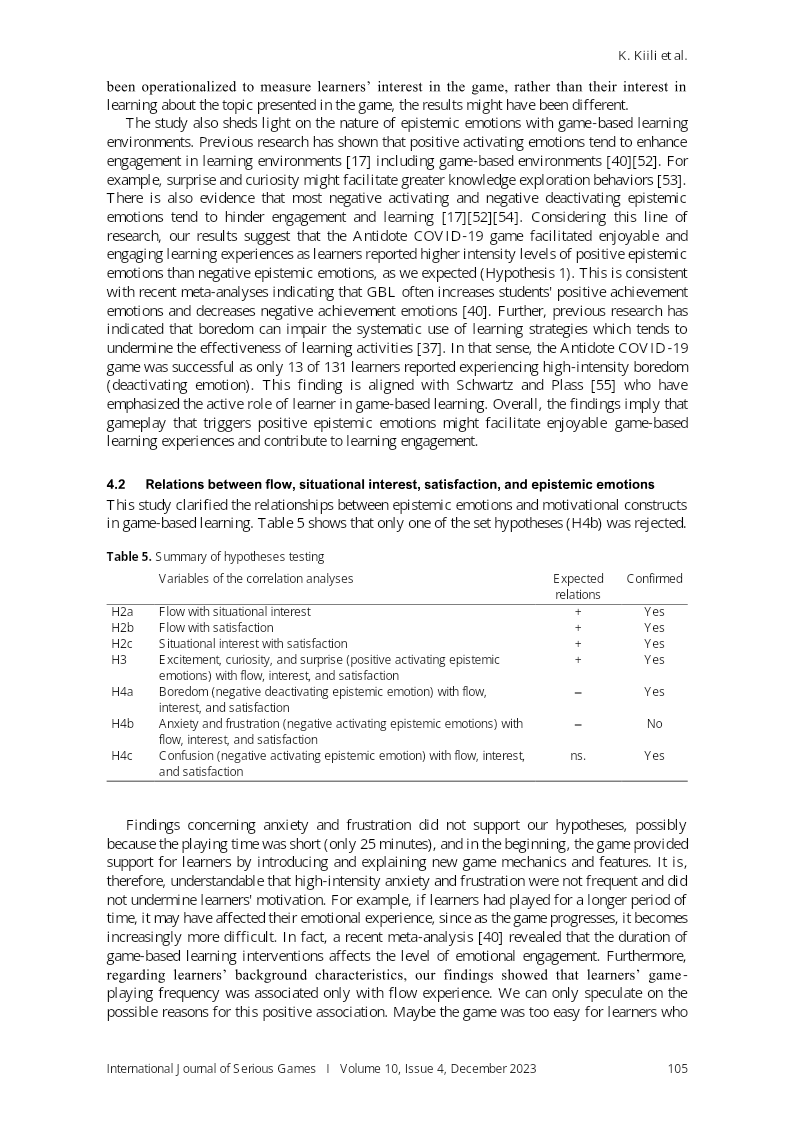
- Positive activating emotions—specifically curiosity, enjoyment, and surprise—are the strongest drivers of flow, situational interest, and learner satisfaction.
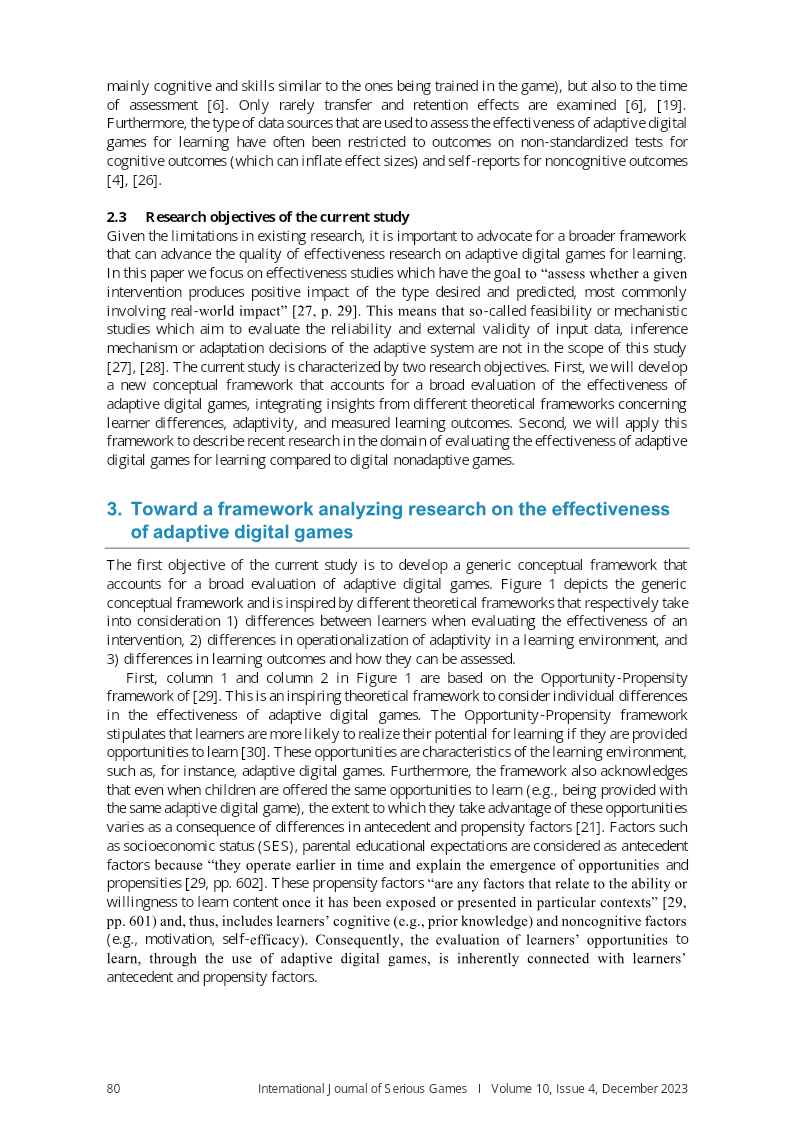
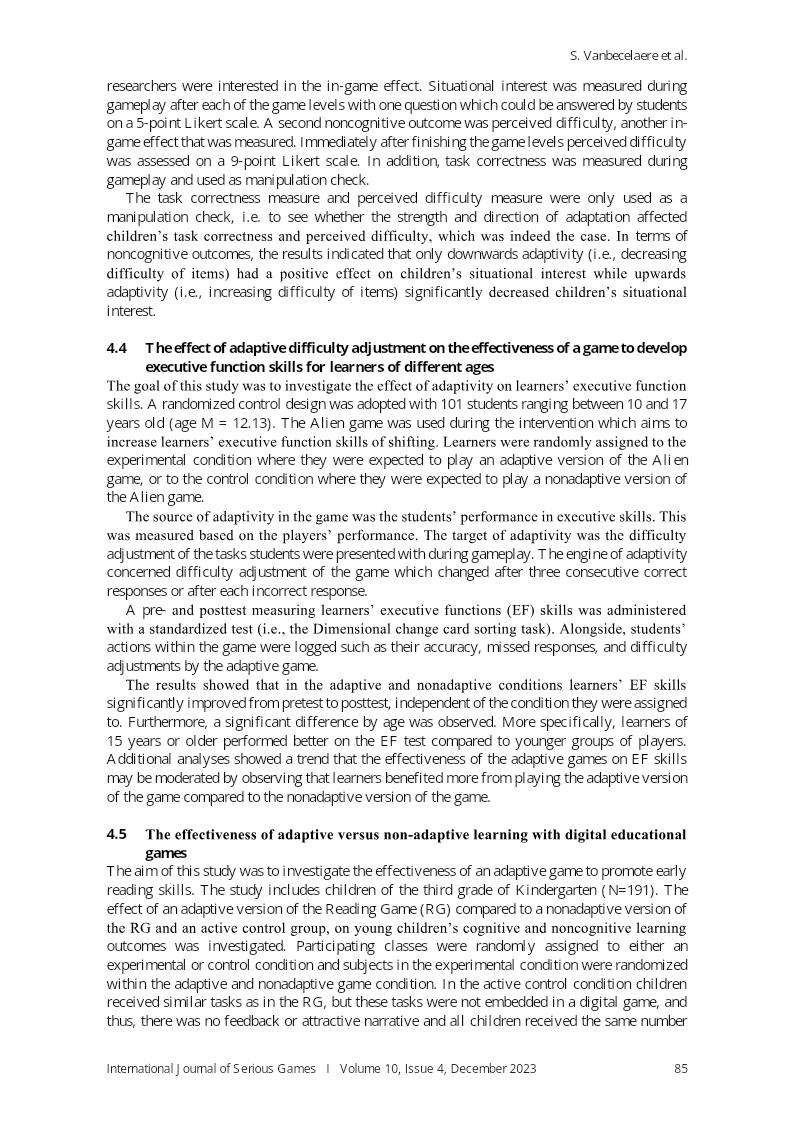
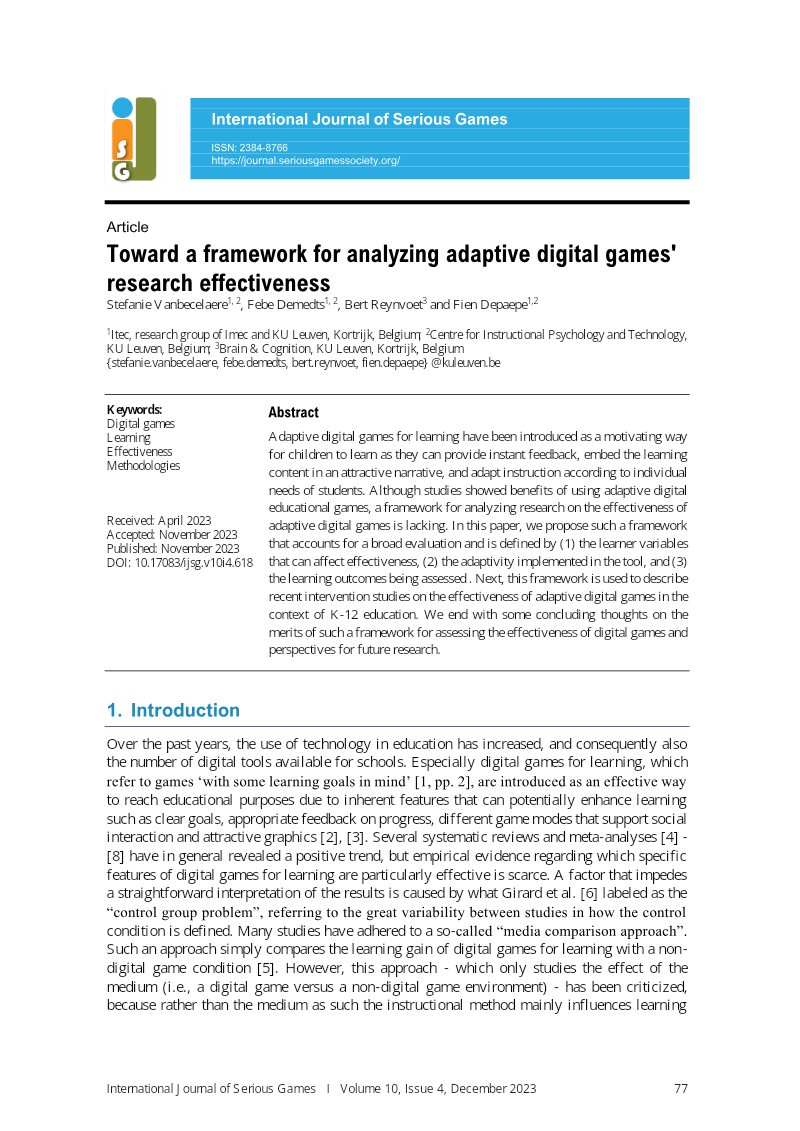
Toward a Framework for Analyzing Adaptive Digital Games' Research Effectiveness
Adaptive digital games represent a significant pedagogical tool, yet the field lacks a standardized methodology for evaluating their efficacy.
- The effectiveness of adaptive digital games is not universal but depends on the specific interaction between the adaptivity engine's design and the individual learner's characteristics.
- Adaptive scaffolding often fails to produce superior cognitive gains compared to non-adaptive versions, suggesting that its primary value lies elsewhere.
- Adaptive mechanisms frequently improve learning efficiency and boost non-cognitive outcomes, such as situational interest, rather than just raw performance.