1 free read left. Create a free account for unlimited reading + AI research.
Create free accountWhitepaper Loading... The Journal of the Canadian Game Studies Association
1 free read left. Create a free account for unlimited reading + AI research.
Create free accountWhitepaperLoading... The Journal of the Canadian Game Studies Association
Distilling the key insights…
This analysis challenges the common characterization of computer game narratives as postmodern, "monstrous" texts that defy structuralist classification. By examining the inherent organization of digital fiction, the study argues that game narratives are not chaotic or anarchic but are instead governed by a rigid, albeit dynamic, structural prearrangement. The central thesis posits that the perceived "monstrosity" of games—often attributed to their nonlinear nature—is an illusion resulting from a lack of appropriate analytical frameworks rather than an actual departure from structuralist order.
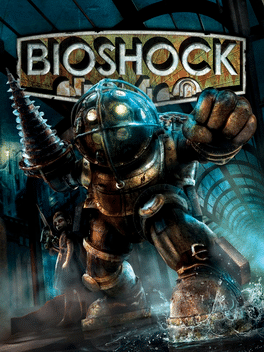
The research focuses on the first-person shooter genre, utilizing the 2007 title BioShock as a primary case study to illustrate how narrative elements are systematically organized. Through a structuralist lens, the analysis maps the player’s role across various levels of fictional communication, identifying the player as both a co-narrator and an internal focalizer. By integrating literary narratology with concepts from film theory, the study demonstrates that interactivity and narration are synergistic rather than contradictory. The player’s agency, while providing a subjective experience, operates within the strict parameters of the game’s programmed code and narrative architecture.
Ultimately, the findings suggest that current literary theories are insufficient if applied without modification to digital media. The study concludes that game narratives require a specialized structuralist approach that accounts for the unique, interdependent relationship between the player’s actions and the system’s predefined narrative structure. By moving away from the vague label of postmodernism, scholars can better understand the precise, rule-based mechanisms that define game fiction, thereby fostering a more rigorous and disciplined framework for future game studies.
Each row is a game or company this document names, each column a document, oldest first. A mark means that document names it. Select a row to see those documents.

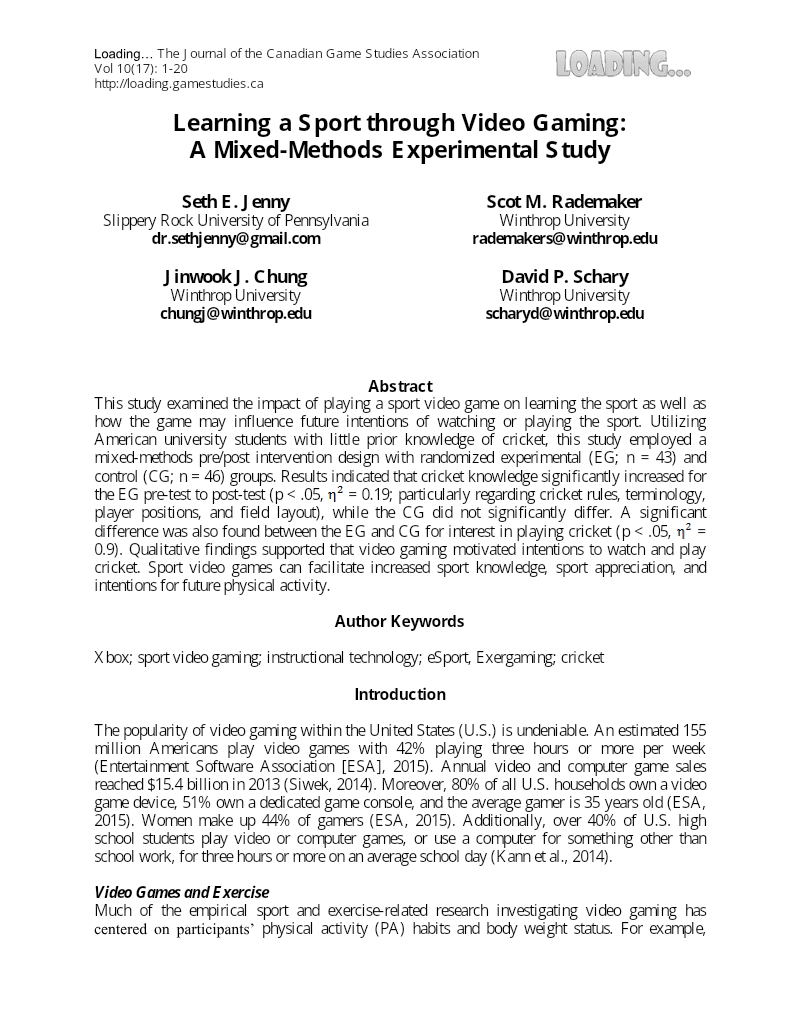
Loading... The Journal of the Canadian Game Studies Association · 2018
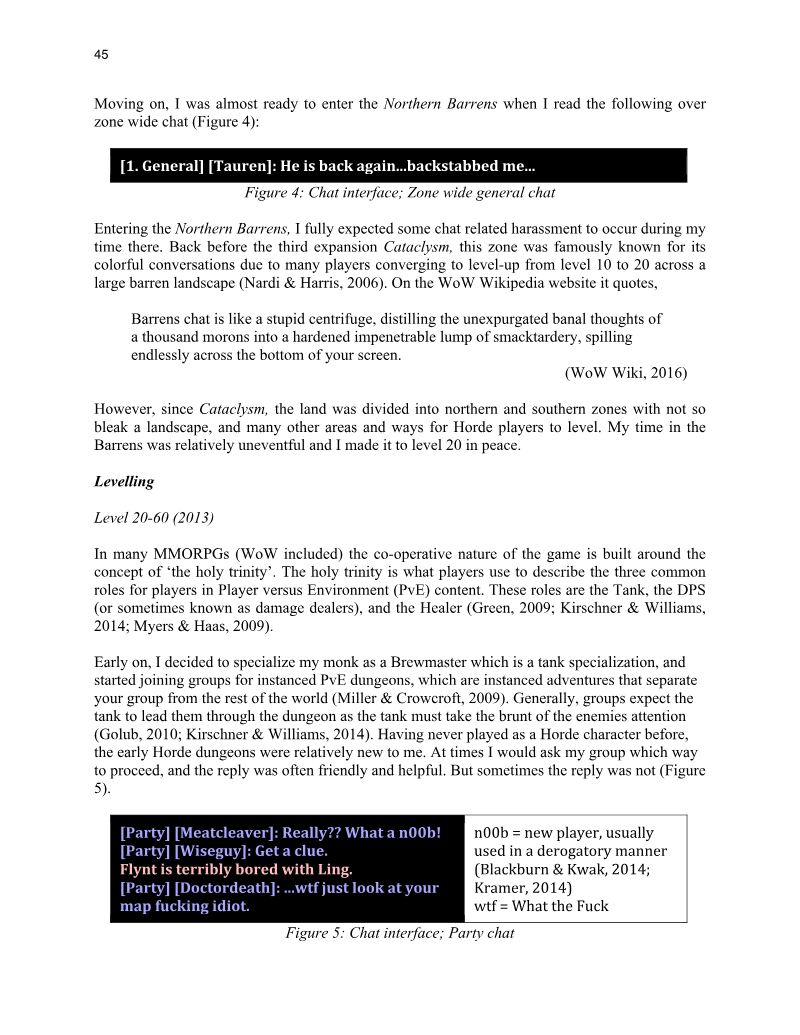
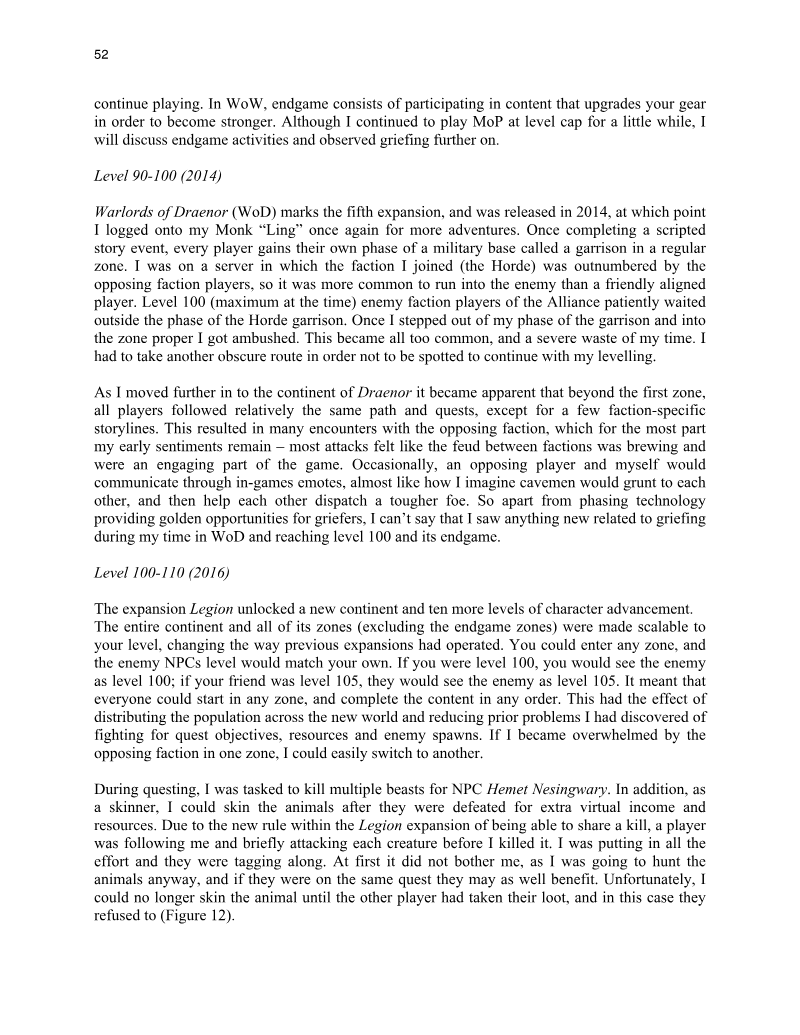
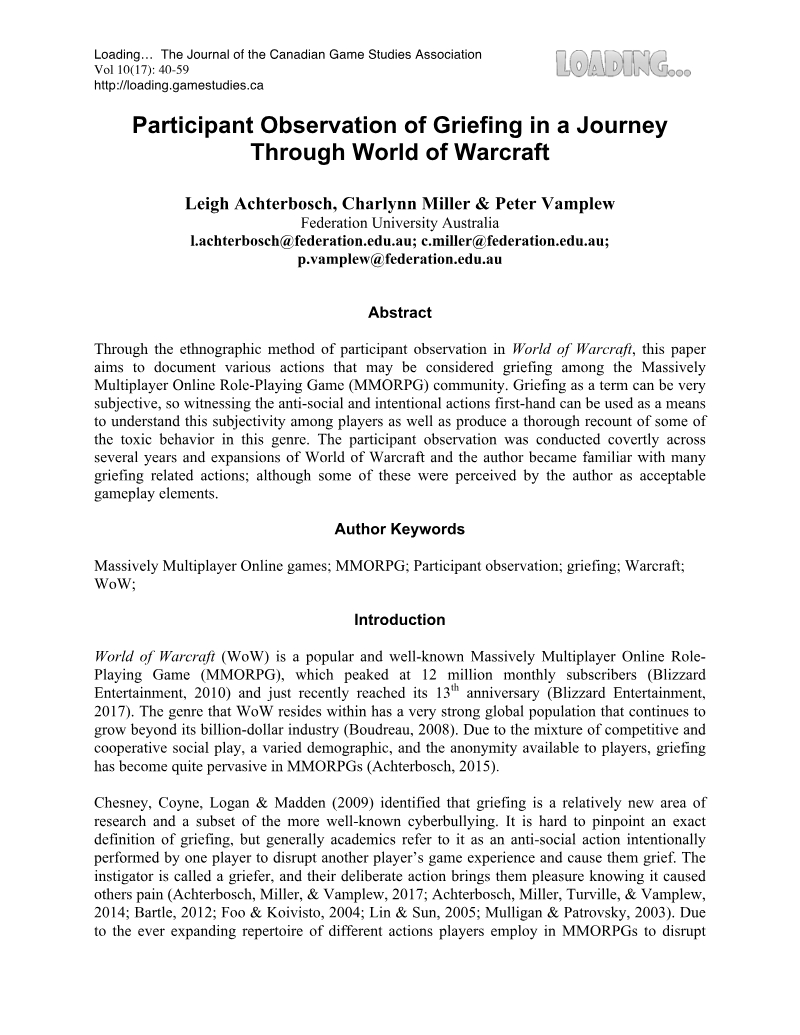
Loading... The Journal of the Canadian Game Studies Association · 2018
Loading... The Journal of the Canadian Game Studies Association · 2017
Loading... The Journal of the Canadian Game Studies Association · 2017
Loading... The Journal of the Canadian Game Studies Association · 2017
Loading... The Journal of the Canadian Game Studies Association · 2017
Loading... The Journal of the Canadian Game Studies Association · 2017
Loading... The Journal of the Canadian Game Studies Association · 2017
Loading... The Journal of the Canadian Game Studies Association · 2017
Loading... The Journal of the Canadian Game Studies Association · 2017
Loading... The Journal of the Canadian Game Studies Association · 2016
Loading... The Journal of the Canadian Game Studies Association · 2016
International Journal of Role-Playing · 2026