1 free read left. Create a free account for unlimited reading + AI research.
Create free accountWhitepaper Loading... The Journal of the Canadian Game Studies Association
1 free read left. Create a free account for unlimited reading + AI research.
Create free accountWhitepaperLoading... The Journal of the Canadian Game Studies Association
Distilling the key insights…
Digital games serve as a potent medium for road safety education when pedagogical objectives are effectively integrated with engaging game mechanics. By employing an iterative four-phase development process—encompassing brainstorming, design, prototyping, and implementation—graduate students can successfully bridge the gap between complex educational theory and practical, student-centered learning environments. This approach emphasizes that the most effective educational tools prioritize intrinsic learner motivation and problem-solving over purely instructional content.
The development process relies heavily on collaborative practices, such as distributed cognition and consistent peer feedback, which significantly enhance the quality of the final product. Successful design requires a meticulous balance between aesthetic appeal and the accurate mapping of safety concepts to the target audience. When these elements are aligned, the resulting games foster deeper engagement and more effective knowledge retention regarding traffic injury prevention.
This research, which focuses on the intersection of instructional design and digital game development, demonstrates that involving learners in the design process simplifies development while ensuring the final output meets specific educational needs. By prioritizing iterative development and detailed planning, educators can create sophisticated digital experiences that translate abstract safety principles into actionable, interactive lessons. Ultimately, the synthesis of pedagogical rigor and creative game design provides a scalable framework for addressing critical public safety education through modern digital platforms.

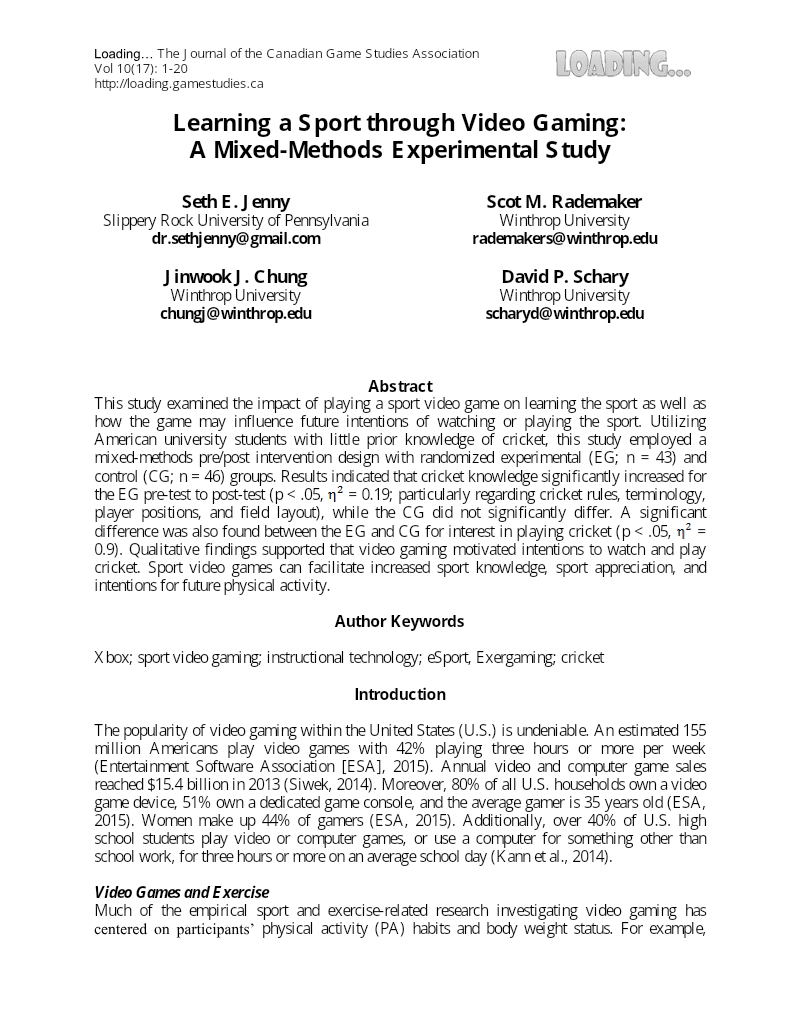
Loading... The Journal of the Canadian Game Studies Association · 2018
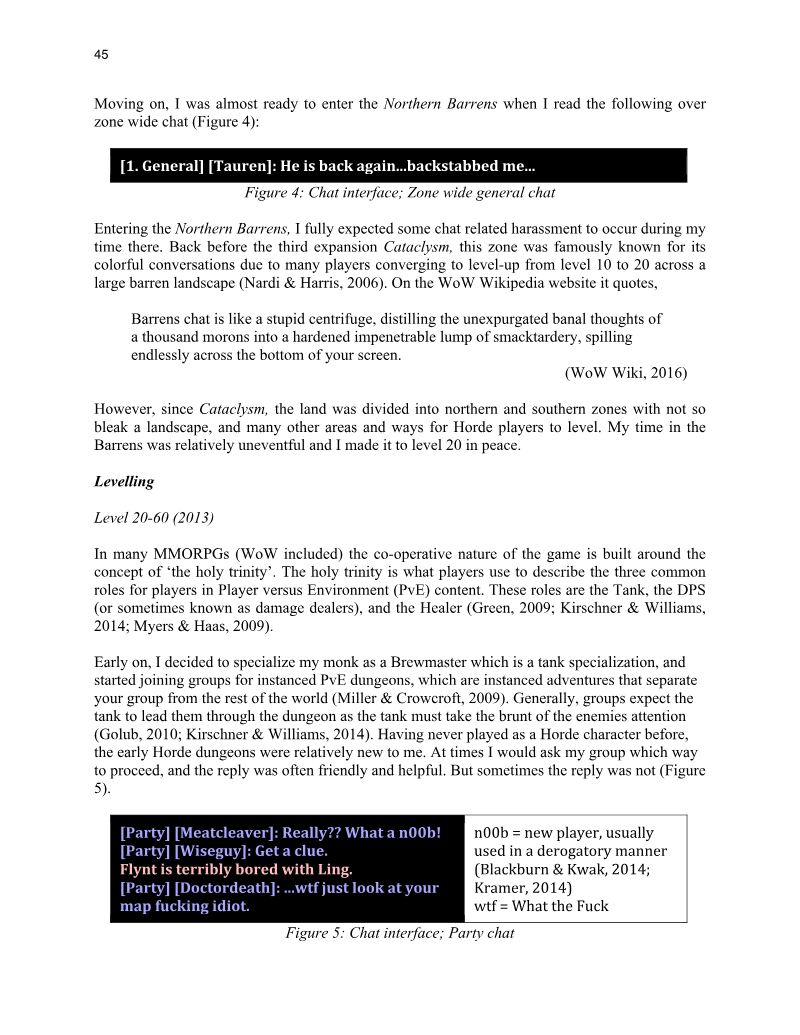
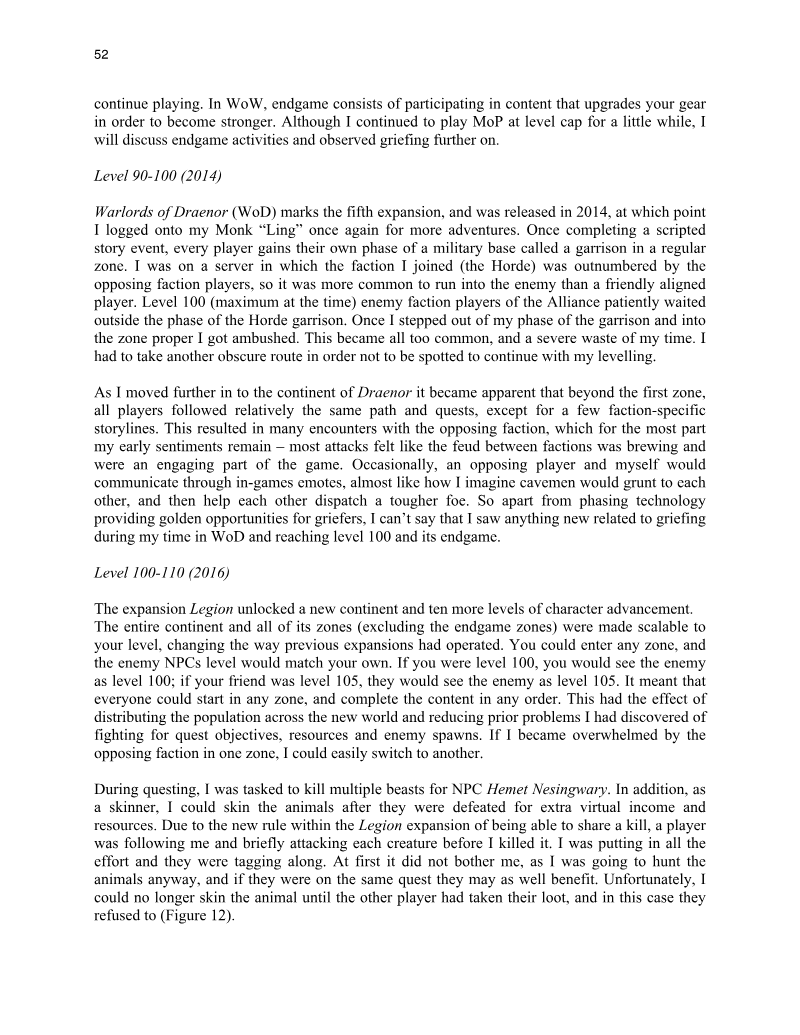
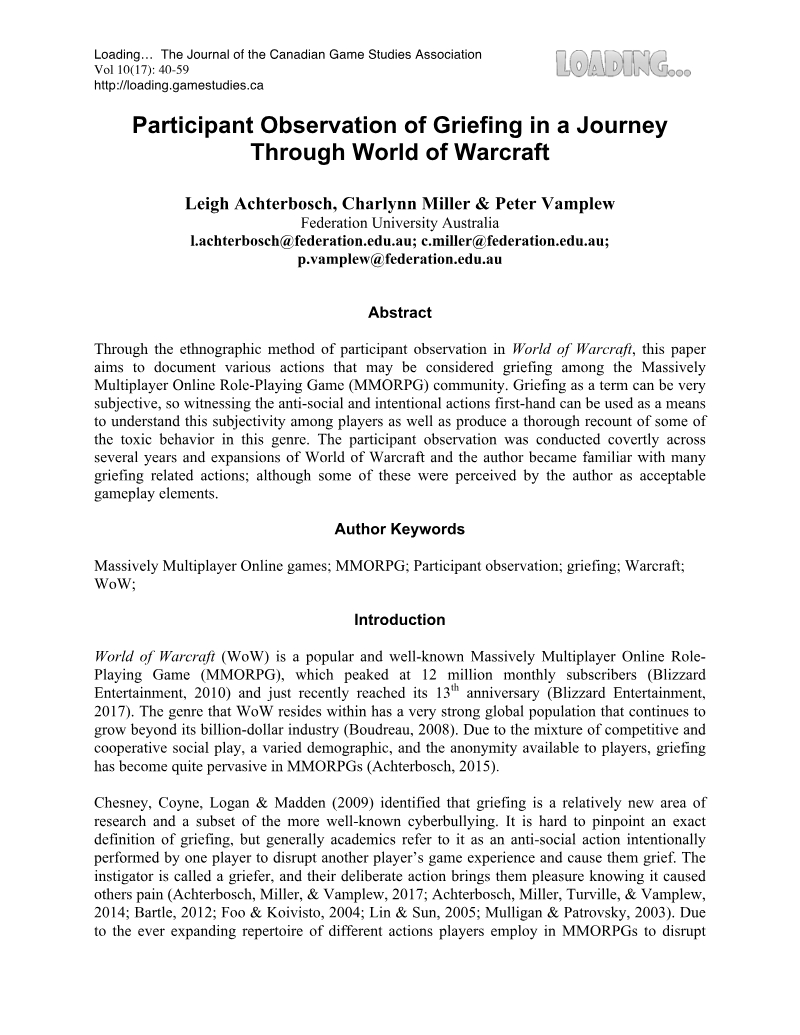
Loading... The Journal of the Canadian Game Studies Association · 2018
Loading... The Journal of the Canadian Game Studies Association · 2017
Loading... The Journal of the Canadian Game Studies Association · 2017
Loading... The Journal of the Canadian Game Studies Association · 2017
Loading... The Journal of the Canadian Game Studies Association · 2017
Loading... The Journal of the Canadian Game Studies Association · 2017
Loading... The Journal of the Canadian Game Studies Association · 2017
Loading... The Journal of the Canadian Game Studies Association · 2017
Loading... The Journal of the Canadian Game Studies Association · 2017
Loading... The Journal of the Canadian Game Studies Association · 2016
Loading... The Journal of the Canadian Game Studies Association · 2016
DiGRA · 2009