1 free read left. Create a free account for unlimited reading + AI research.
Create free accountWhitepaper Loading... The Journal of the Canadian Game Studies Association
1 free read left. Create a free account for unlimited reading + AI research.
Create free accountWhitepaperLoading... The Journal of the Canadian Game Studies Association
Distilling the key insights…
The experience of presence—defined as the psychological sensation of being immersed within a mediated environment—is fundamentally shaped by the structural characteristics of specific video game genres. Research indicates that hardcore genres, including action, adventure, and role-playing games, consistently elicit significantly higher levels of immersion compared to casual or cartoon-style titles. These findings suggest that the design elements inherent to complex, narrative-driven, or high-intensity gameplay are primary drivers of player absorption and social engagement.
Data derived from a sample of 155 participants, controlled for hardware and environmental variables, confirms that genre remains a critical predictor of the immersive experience. A factor analysis of this data identified nine distinct components of presence, which collectively account for over 70% of the variance in player experience. By isolating these components, the analysis demonstrates that the disparity in engagement levels between hardcore and casual titles is not merely anecdotal but rooted in measurable psychological responses to game design.
The scope of this investigation encompasses a broad analysis of player behavior, gaming habits, and platform preferences, utilizing a standardized questionnaire to correlate demographic data with psychological character appeal. While hardcore genres currently dominate in fostering deep immersion, the findings highlight a strategic imperative for the industry. Enhancing the presence-inducing elements within casual titles is essential for developers seeking to maintain long-term player engagement and sustain market growth. Ultimately, understanding the mechanics of presence provides a framework for optimizing game design to better meet the psychological expectations of diverse player segments across the global gaming landscape.
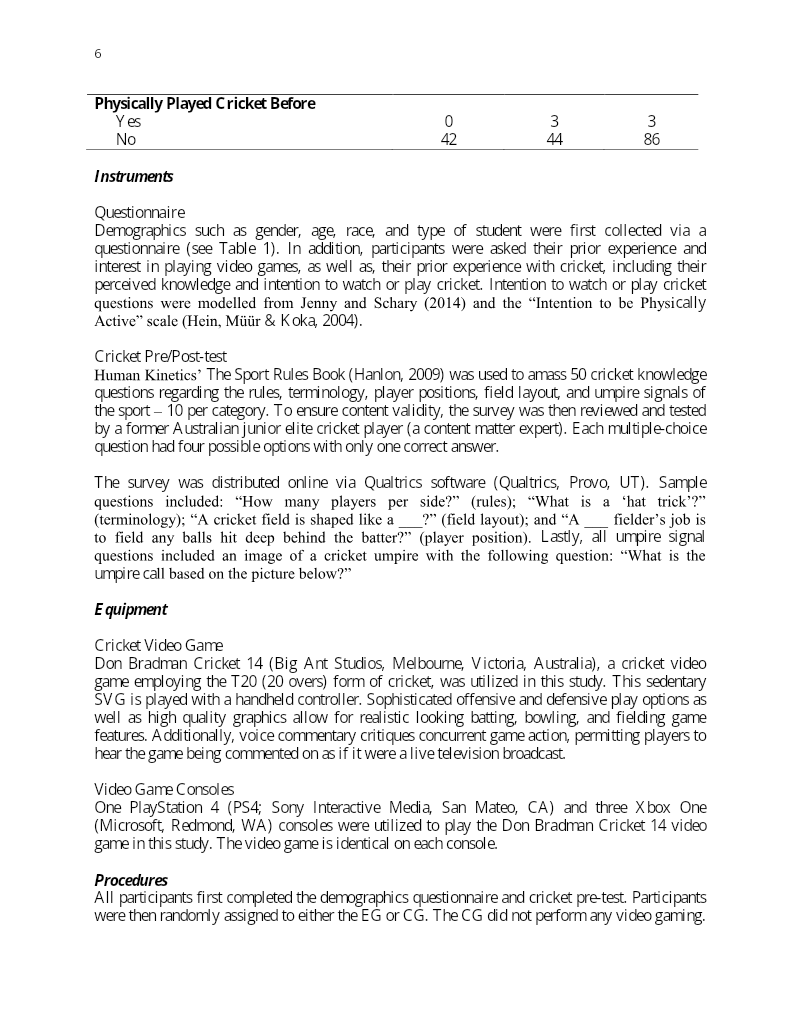
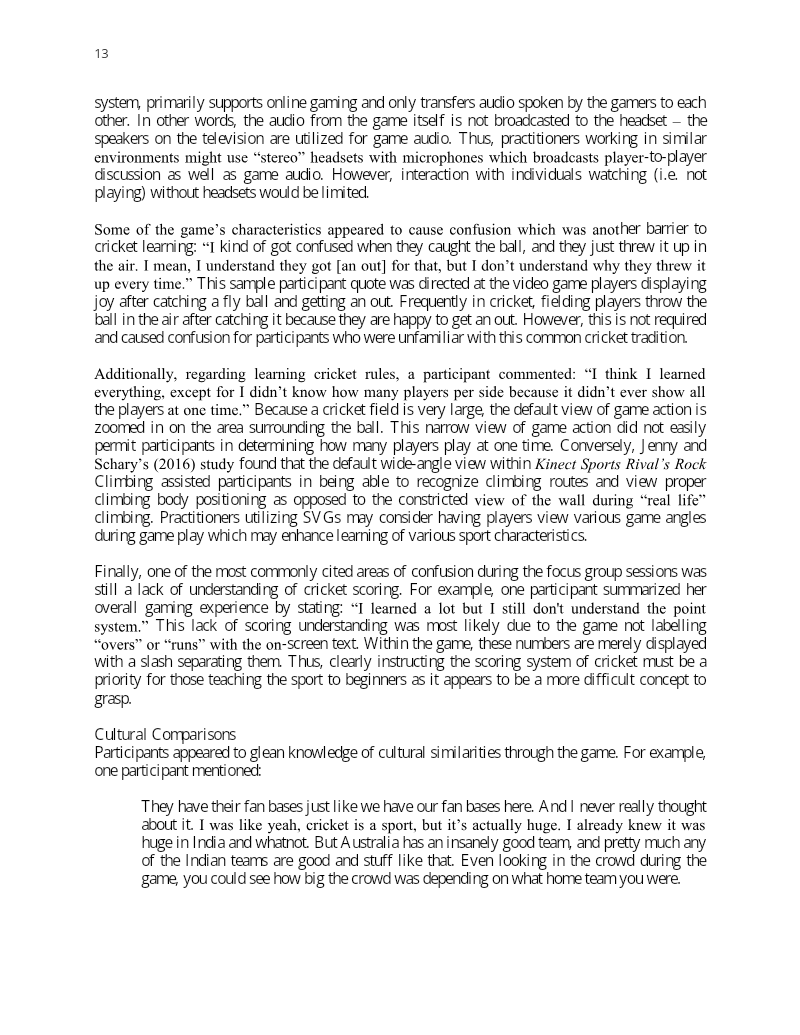
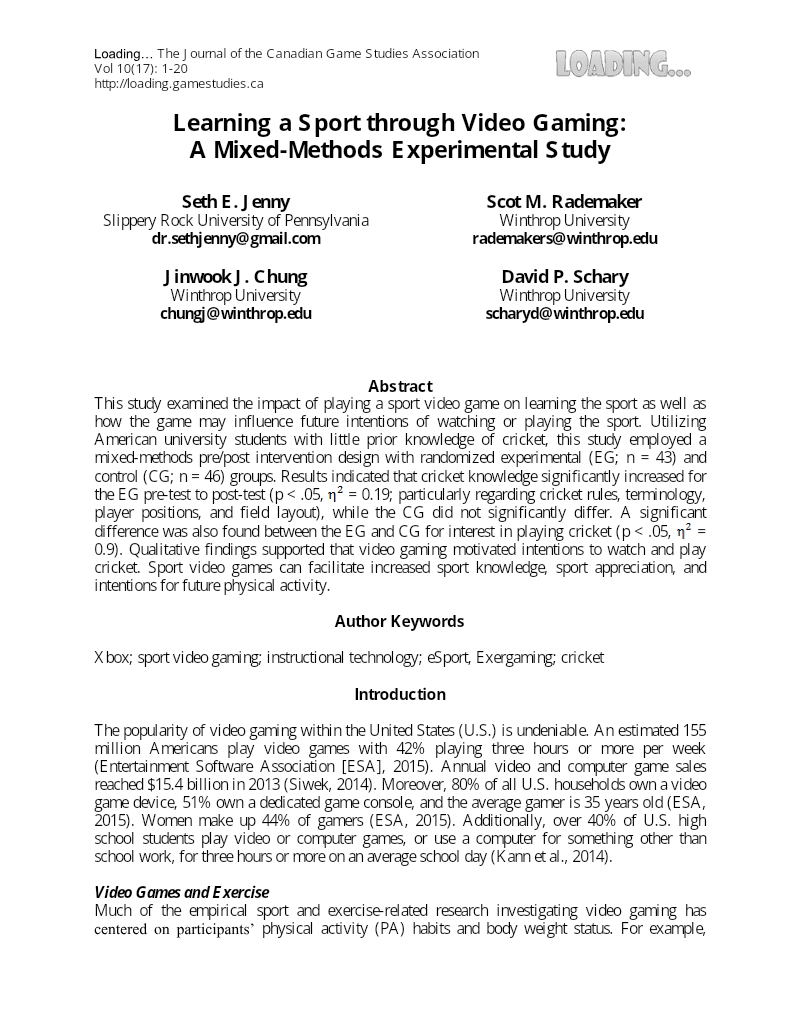
Loading... The Journal of the Canadian Game Studies Association · 2018
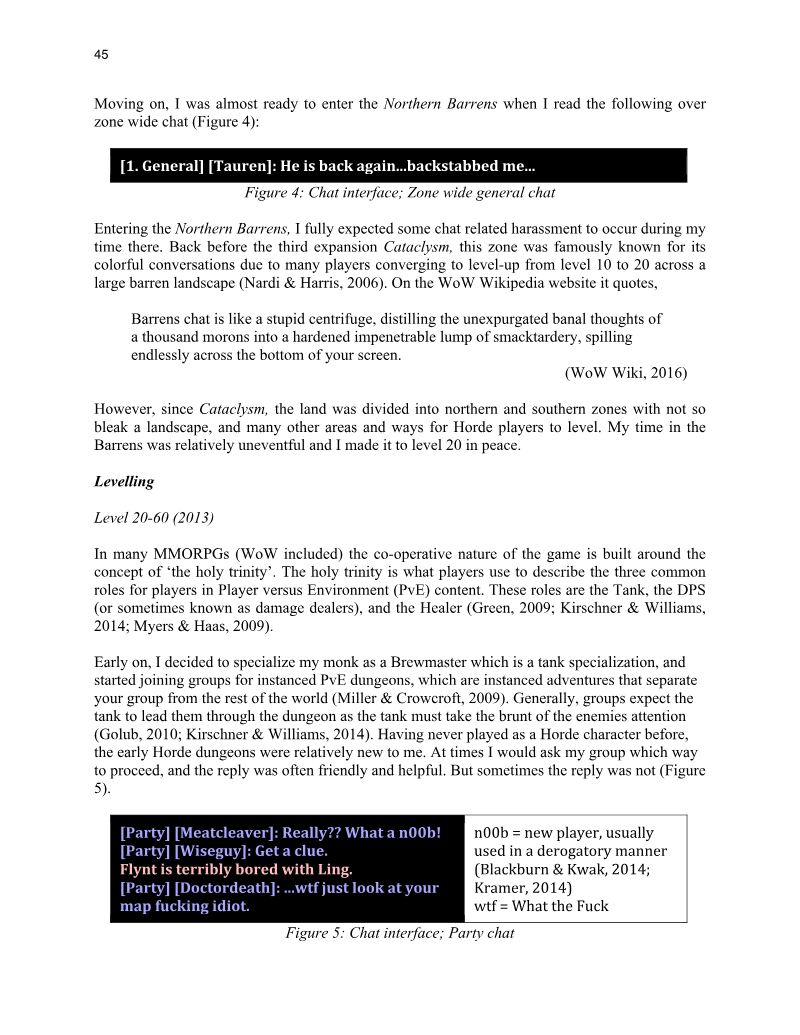
Loading... The Journal of the Canadian Game Studies Association · 2018
Loading... The Journal of the Canadian Game Studies Association · 2017
Loading... The Journal of the Canadian Game Studies Association · 2017
Loading... The Journal of the Canadian Game Studies Association · 2017
Loading... The Journal of the Canadian Game Studies Association · 2017
Loading... The Journal of the Canadian Game Studies Association · 2017
Loading... The Journal of the Canadian Game Studies Association · 2017
Loading... The Journal of the Canadian Game Studies Association · 2017
Loading... The Journal of the Canadian Game Studies Association · 2017
Loading... The Journal of the Canadian Game Studies Association · 2016
Loading... The Journal of the Canadian Game Studies Association · 2016
Zurich University of Applied Sciences · 2026