1 free read left. Create a free account for unlimited reading + AI research.
Create free accountWhitepaper Loading... The Journal of the Canadian Game Studies Association
1 free read left. Create a free account for unlimited reading + AI research.
Create free accountWhitepaperLoading... The Journal of the Canadian Game Studies Association
Distilling the key insights…
Exergaming serves as a vital pedagogical tool for addressing childhood inactivity by integrating physical education with digital engagement. By leveraging the principles of flow theory and intrinsic motivation, these systems provide the necessary aerobic exertion to improve physical literacy while fostering sustained participation. The primary objective of incorporating such technology into school environments is to create developmentally appropriate challenges that adapt to individual student capabilities, thereby ensuring that physical activity remains both accessible and engaging for diverse populations.
The successful implementation of exergaming relies on a delicate equilibrium between structured task-based accountability and student autonomy. When game design aligns with a user’s skill level, it facilitates a state of flow that encourages long-term commitment to exercise. However, designers must exercise caution regarding competitive elements, as an over-reliance on performance-based metrics can alienate students who are less inclined toward traditional sports. Inclusive design, which prioritizes personal progress over direct competition, is essential for maintaining the intrinsic motivation required to establish lifelong health habits.
Research spanning educational and developmental psychology confirms that active video games effectively bridge the gap between sedentary entertainment and physical exertion. By embedding clear objectives within an interactive framework, schools can transform physical education into a more personalized experience. Ultimately, the integration of exergaming into the school culture offers a scalable solution for promoting consistent physical activity, provided that educators prioritize adaptive gameplay and inclusive environments that cater to the varying needs of all students.
Loading... The Journal of the Canadian Game Studies Association · 2018
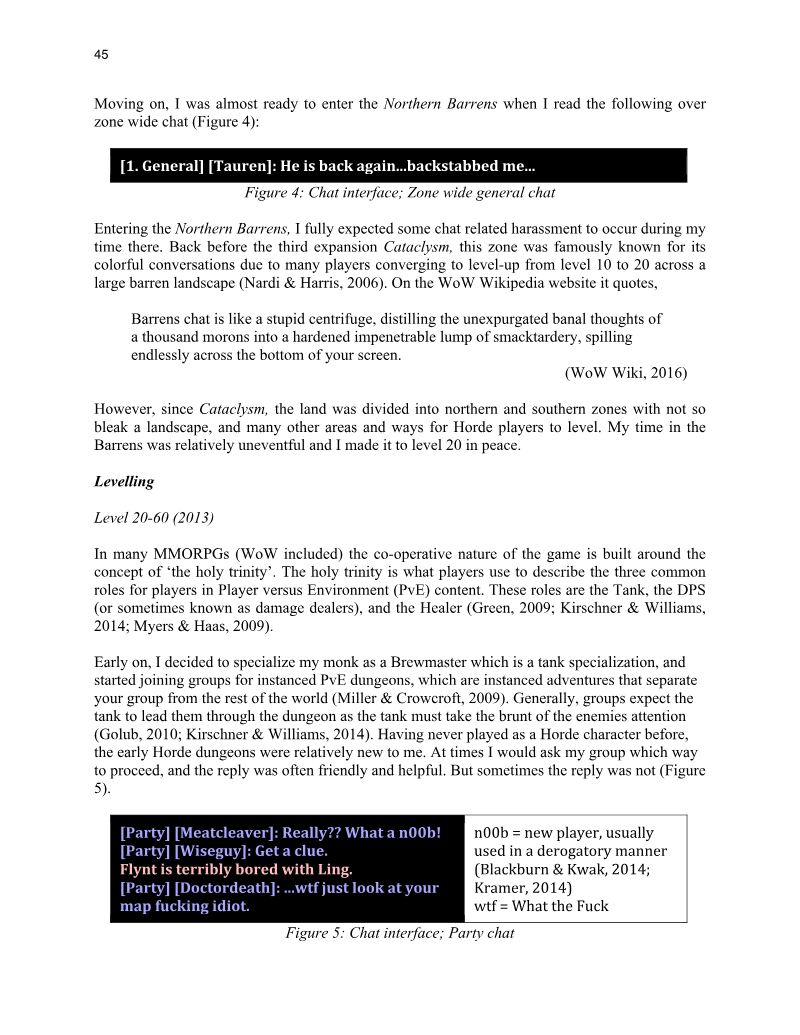
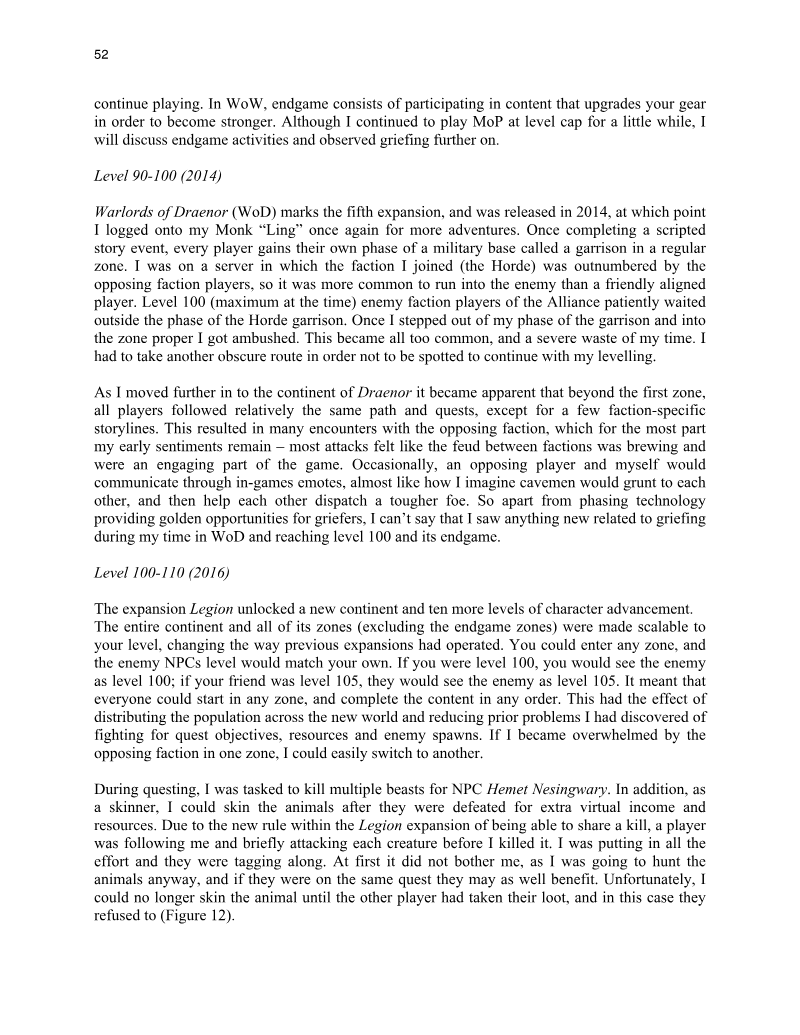
Loading... The Journal of the Canadian Game Studies Association · 2018
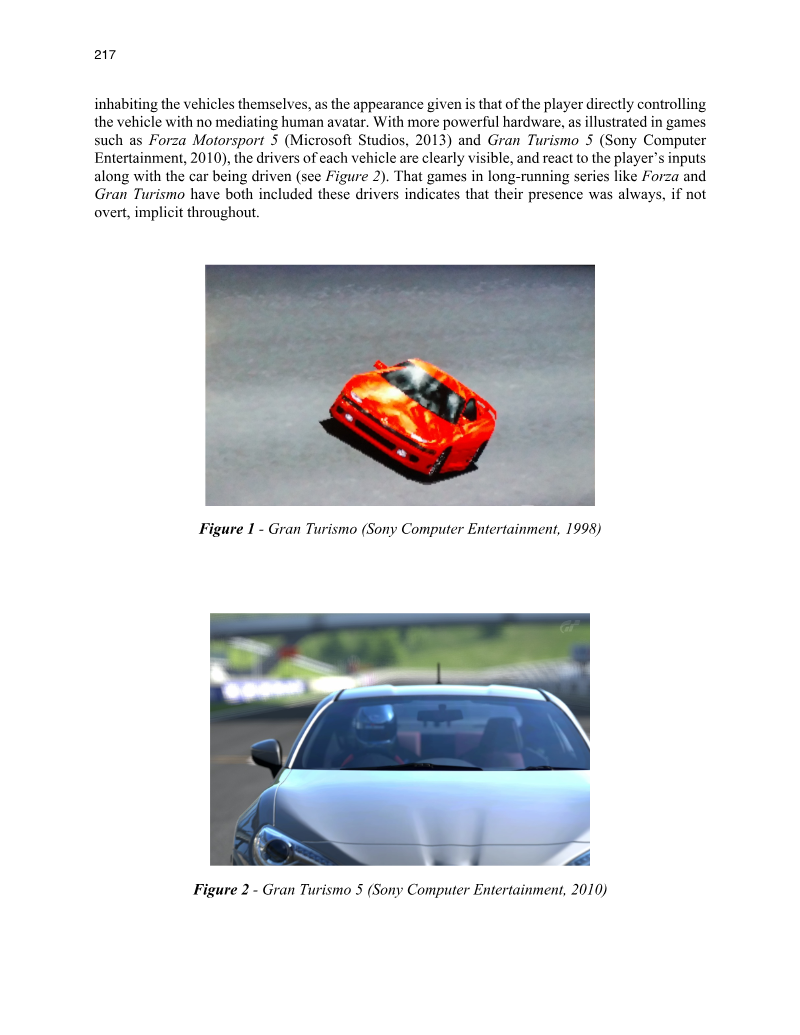
Loading... The Journal of the Canadian Game Studies Association · 2017
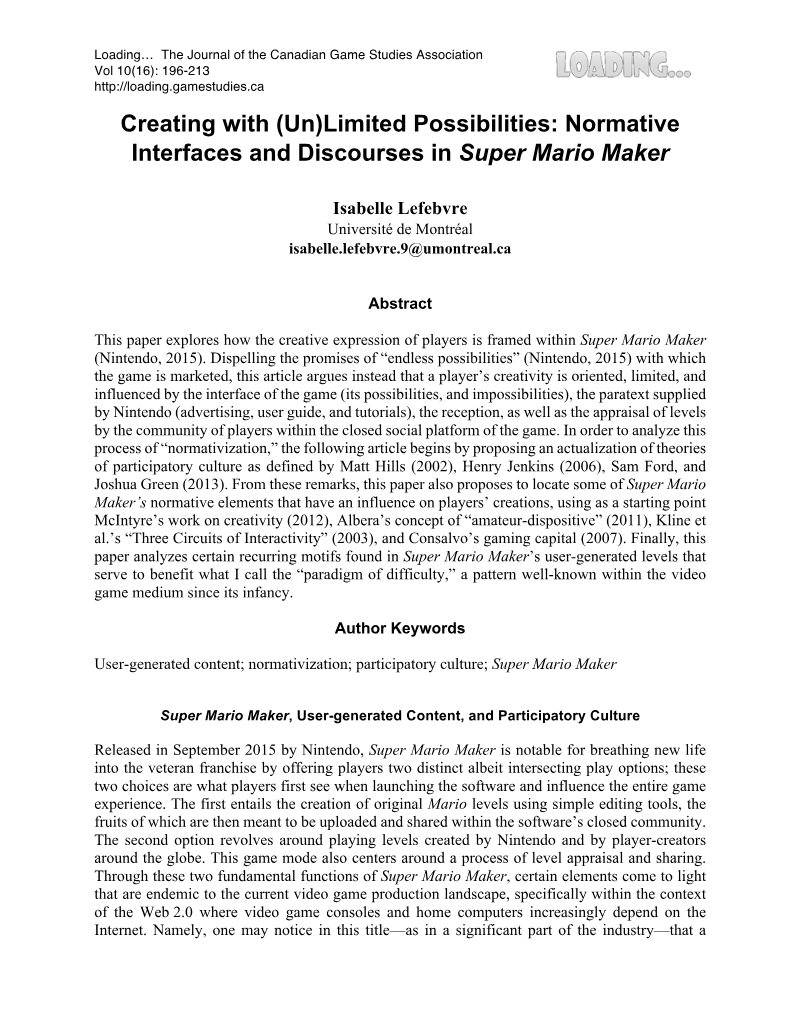
Loading... The Journal of the Canadian Game Studies Association · 2017
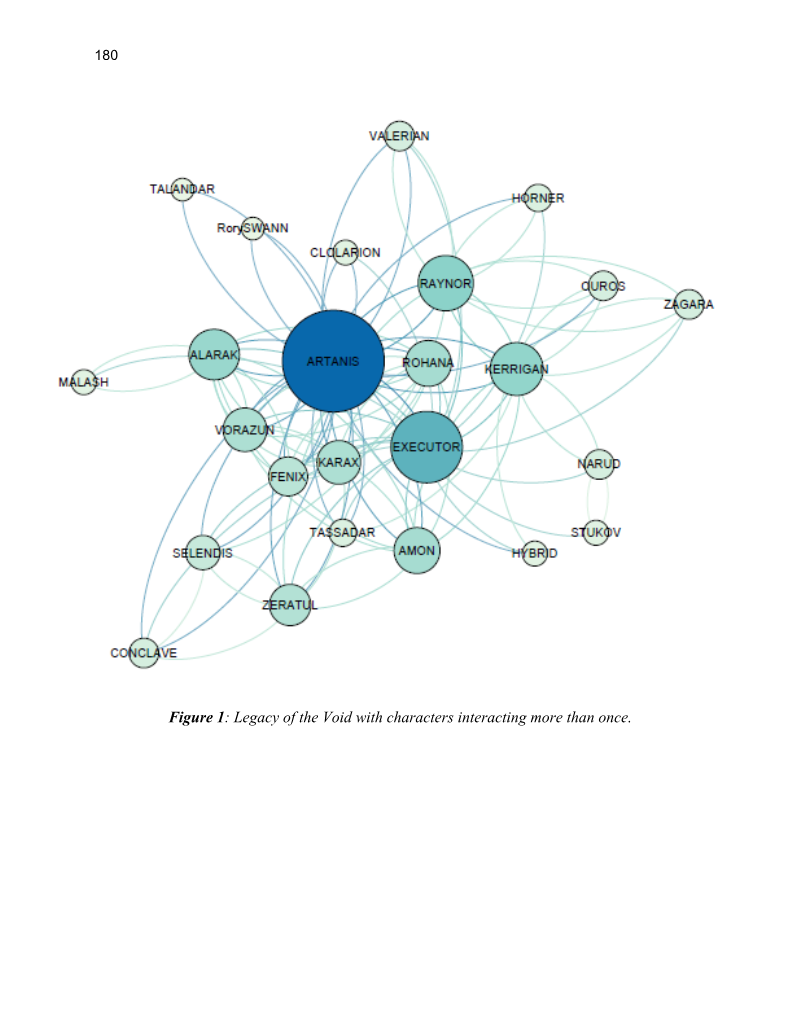
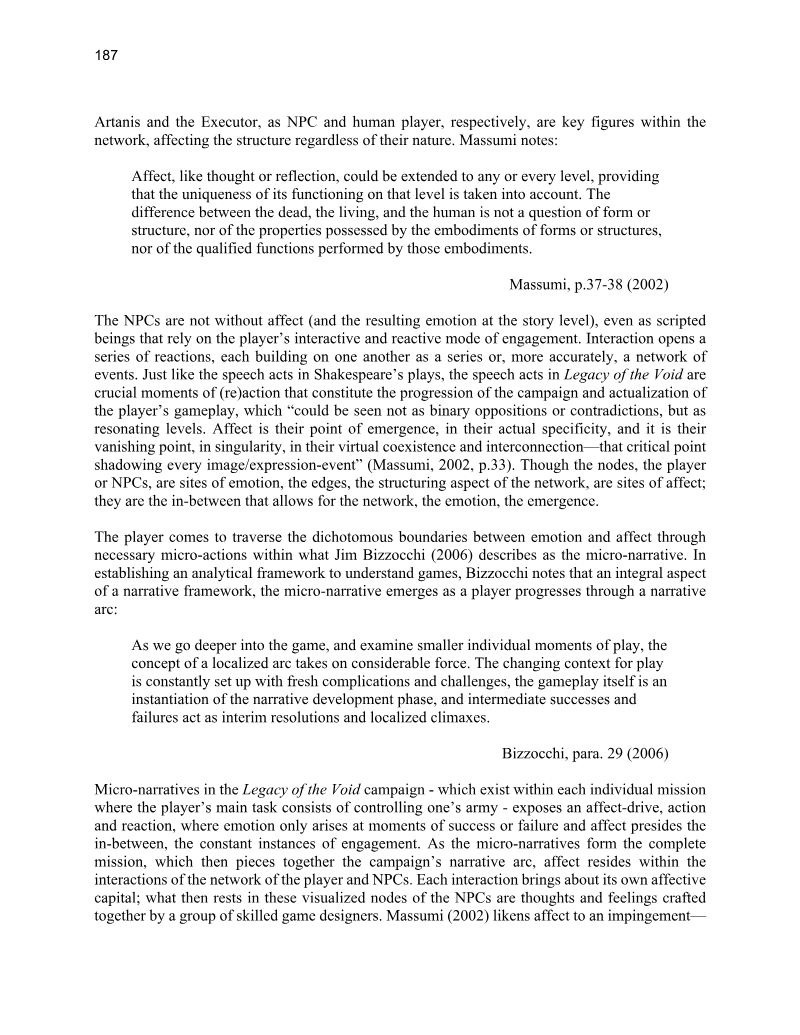
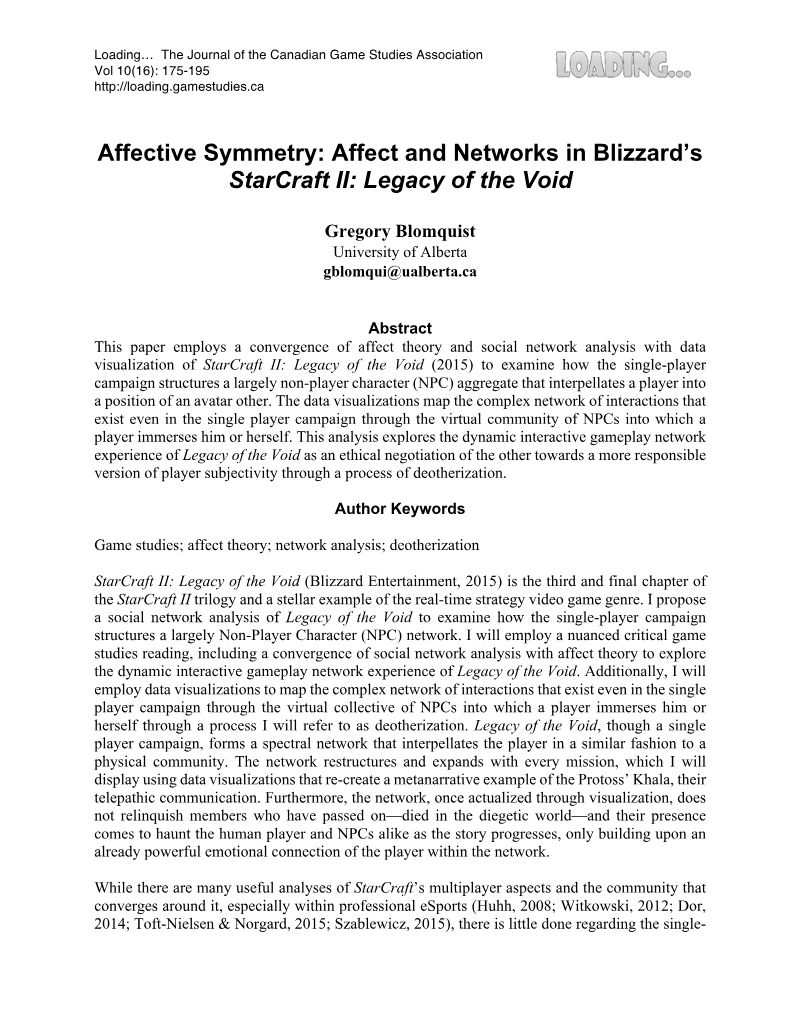
Loading... The Journal of the Canadian Game Studies Association · 2017
Loading... The Journal of the Canadian Game Studies Association · 2017
Loading... The Journal of the Canadian Game Studies Association · 2017
Loading... The Journal of the Canadian Game Studies Association · 2017
Loading... The Journal of the Canadian Game Studies Association · 2017
Loading... The Journal of the Canadian Game Studies Association · 2017
Loading... The Journal of the Canadian Game Studies Association · 2016
Loading... The Journal of the Canadian Game Studies Association · 2016
International Journal of Serious Games · 2018