
International Journal of Serious Games
Open-access peer-reviewed journal of the Serious Games Society on the design, use and assessment of serious games.
Documents
Interactive Ant Colony Optimization to Support Adaptation in Serious Games
Serious games often struggle to balance complex pedagogical requirements with adaptive, player-driven navigation.
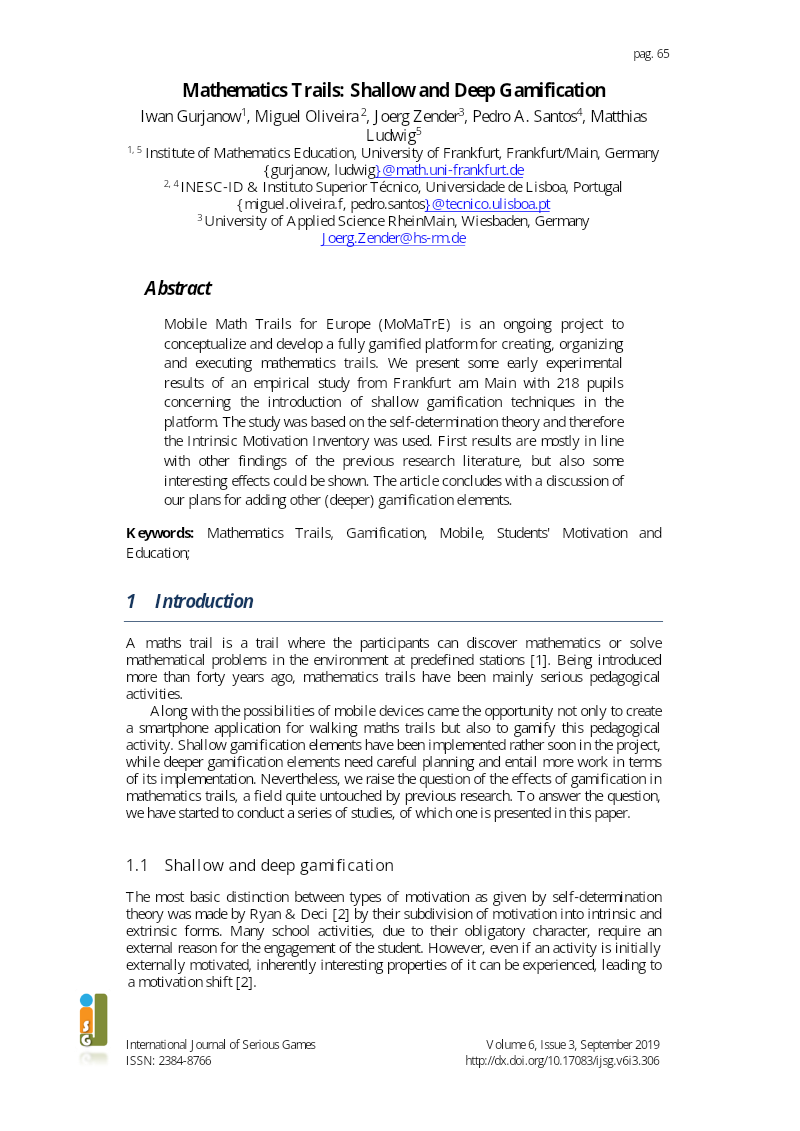
Mathematics Trails: Shallow and Deep Gamification
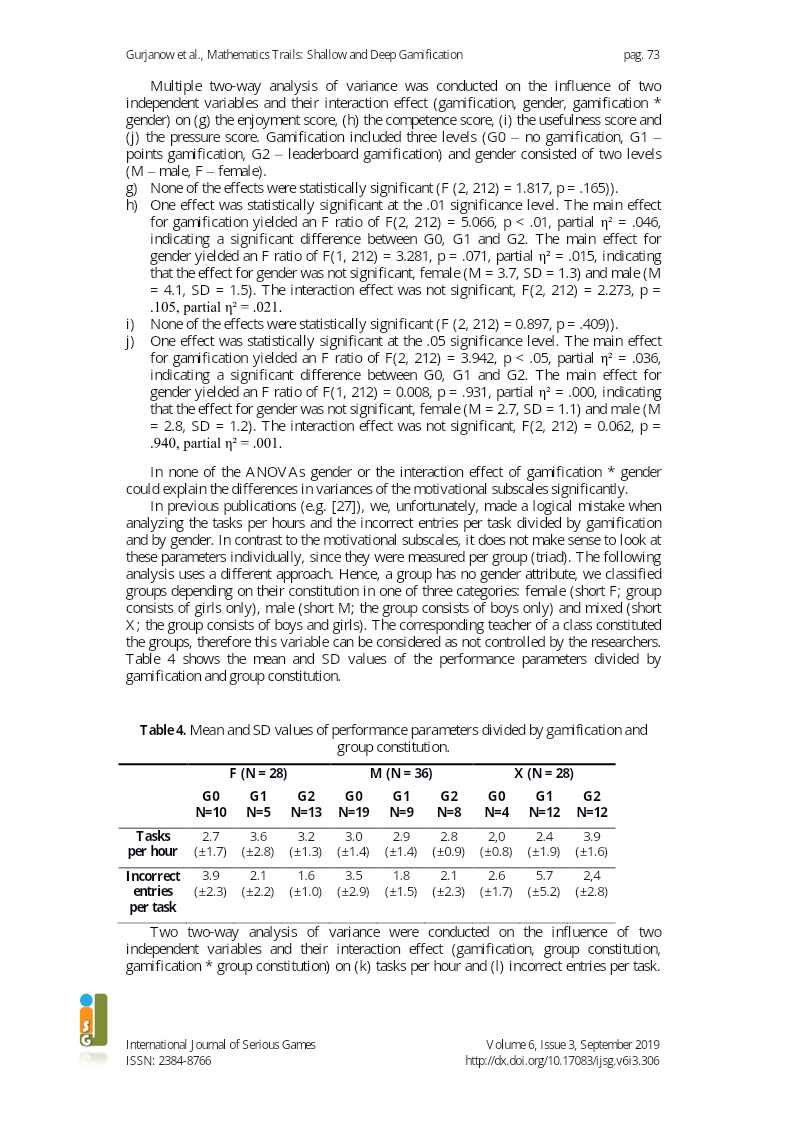
The MoMaTrE project investigates the efficacy of gamification strategies within outdoor mathematics education, specifically focusing on how game-like mechanics influence student performance and motivation.
- The MoMaTrE project study of 218 ninth-grade students using the MathCityMap application found that while leaderboards increase task completion rates and accuracy, they fail to foster intrinsic motivation.
- Shallow gamification, defined by extrinsic rewards like points and leaderboards, acts as an external performance driver rather than a catalyst for genuine academic interest.
- The use of competitive leaderboards correlates with increased perceived pressure among students, suggesting a trade-off between performance efficiency and user experience.
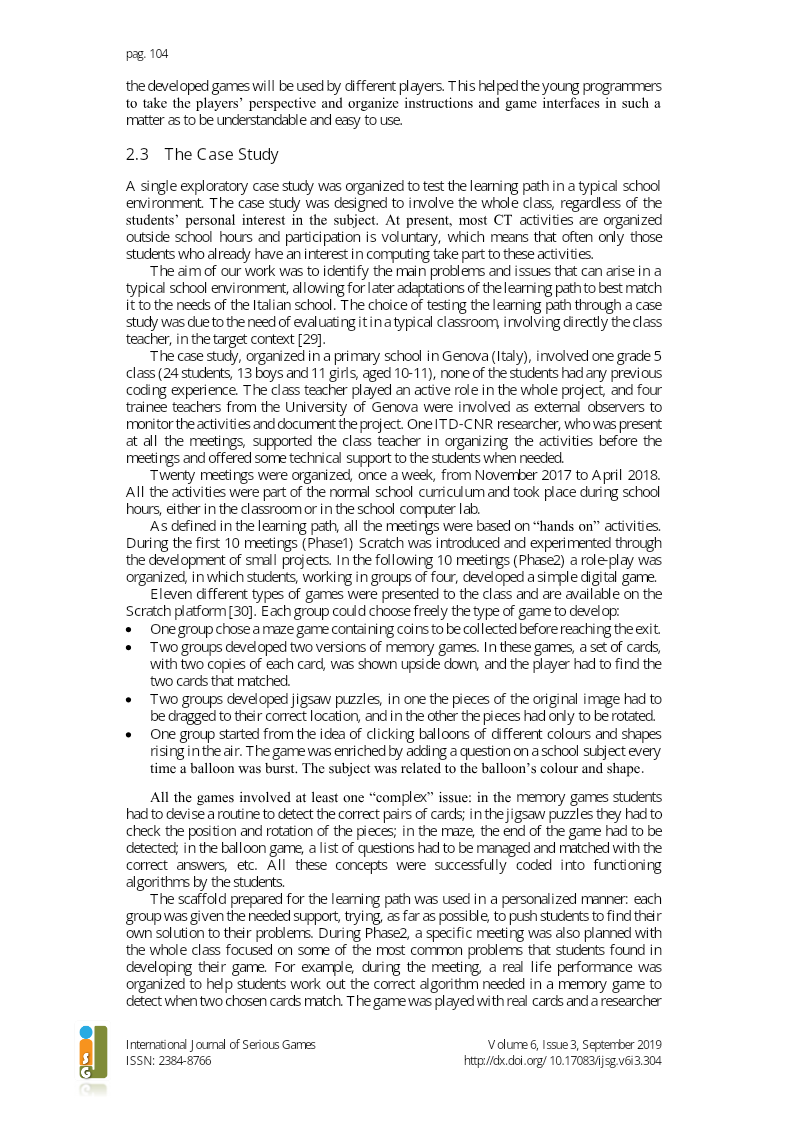
Fostering Computational Thinking Skills in the Last Years of Primary School: Italy
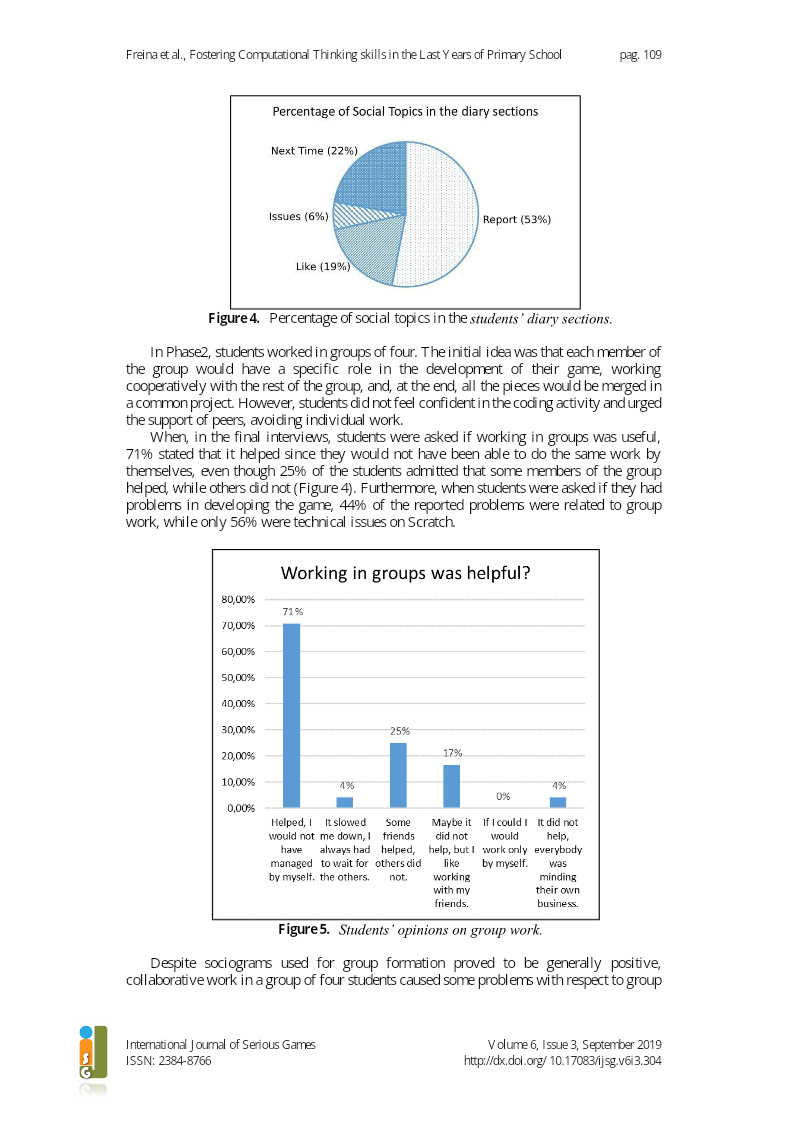
Integrating computational thinking into the Italian primary school curriculum through collaborative game-making in Scratch serves as a vital pedagogical strategy for fostering algorithmic proficiency and student engagement.
Household Energy Conservation Intervention: A Game versus Dashboard Comparison
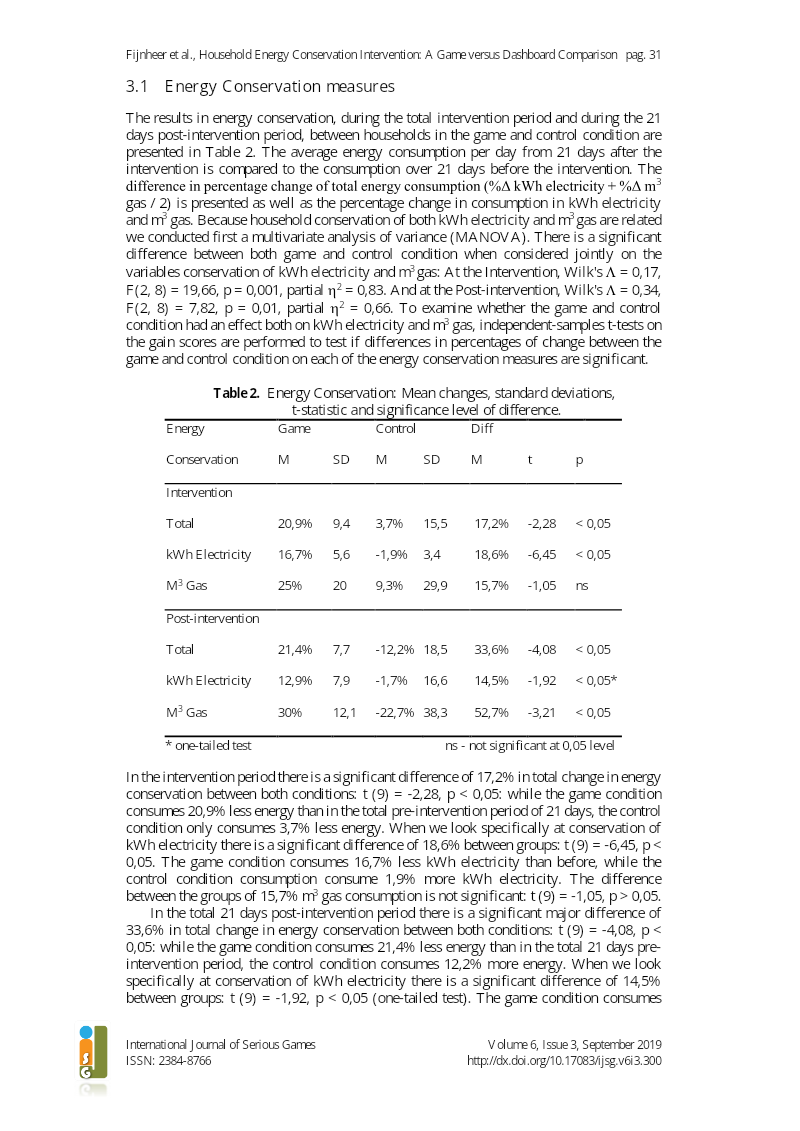
The Powersaver Game serves as a superior alternative to traditional energy dashboards for fostering sustainable household energy consumption.
- The Powersaver Game achieved a 33 percent greater reduction in household energy usage compared to traditional energy monitoring dashboards.
- Game-based interventions significantly outperform standard dashboards in driving tangible behavioral change and increasing conservation knowledge.
- The Powersaver Game successfully maintains long-term user engagement, whereas traditional dashboards suffer from high attrition rates and low user interest.

Exploring Learners Experience of Gamified Practicing: For Learning or for Fun?
Educational gamification frequently struggles to maintain long-term student engagement due to a lack of robust theoretical foundations.
- Gamification significantly increases participation in voluntary practice sessions compared to traditional, non-gamified educational methods.
- Effective learning platforms require a synergistic balance between utilitarian outcomes, such as improved grades, and hedonic elements like competition and rewards.
- The OneUp platform successfully integrates Self-Determination Theory and goal-setting principles to foster student autonomy, competence, and relatedness.
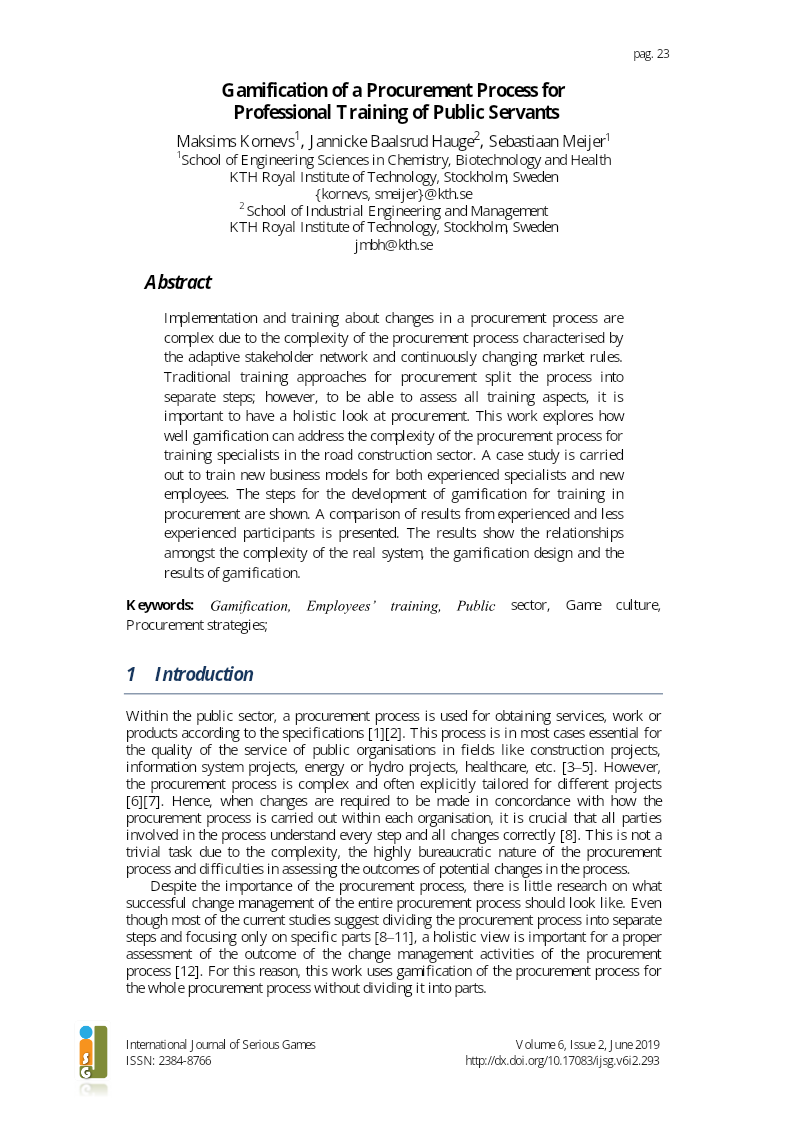
Gamification of a Procurement Process for Professional Training of Public Servants
Public sector procurement training often suffers from fragmented, theory-heavy methodologies that fail to prepare specialists for the nuanced realities of modern business models.
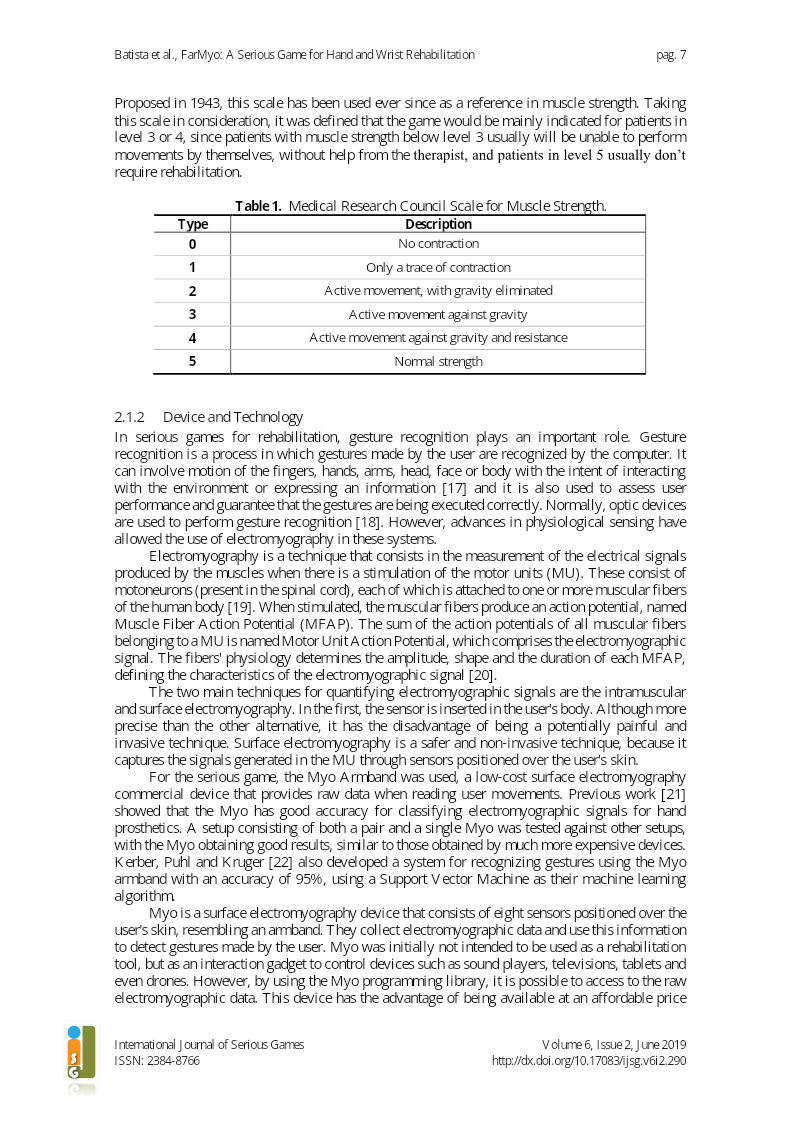


FarMyo: A Serious Game for Hand and Wrist Rehabilitation Using a Low-Cost Electromyography Device
FarMyo addresses the critical challenge of patient adherence in physical therapy by integrating serious gaming with low-cost surface electromyography technology.
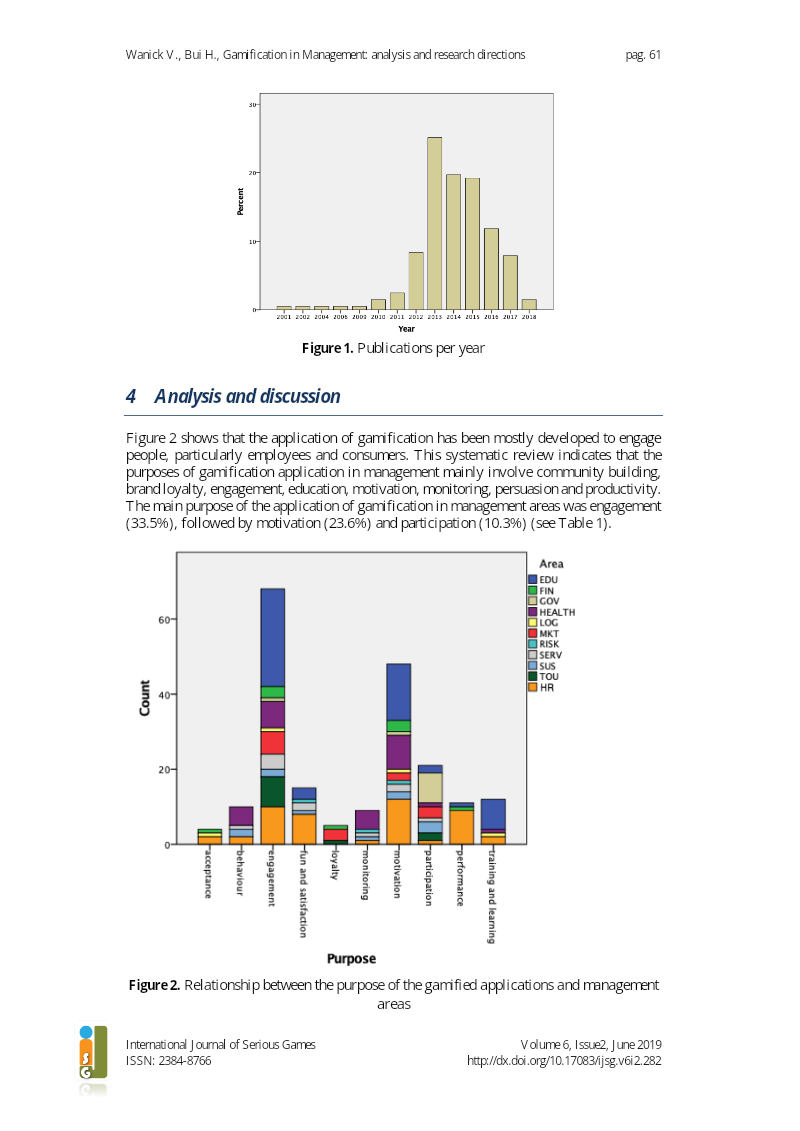
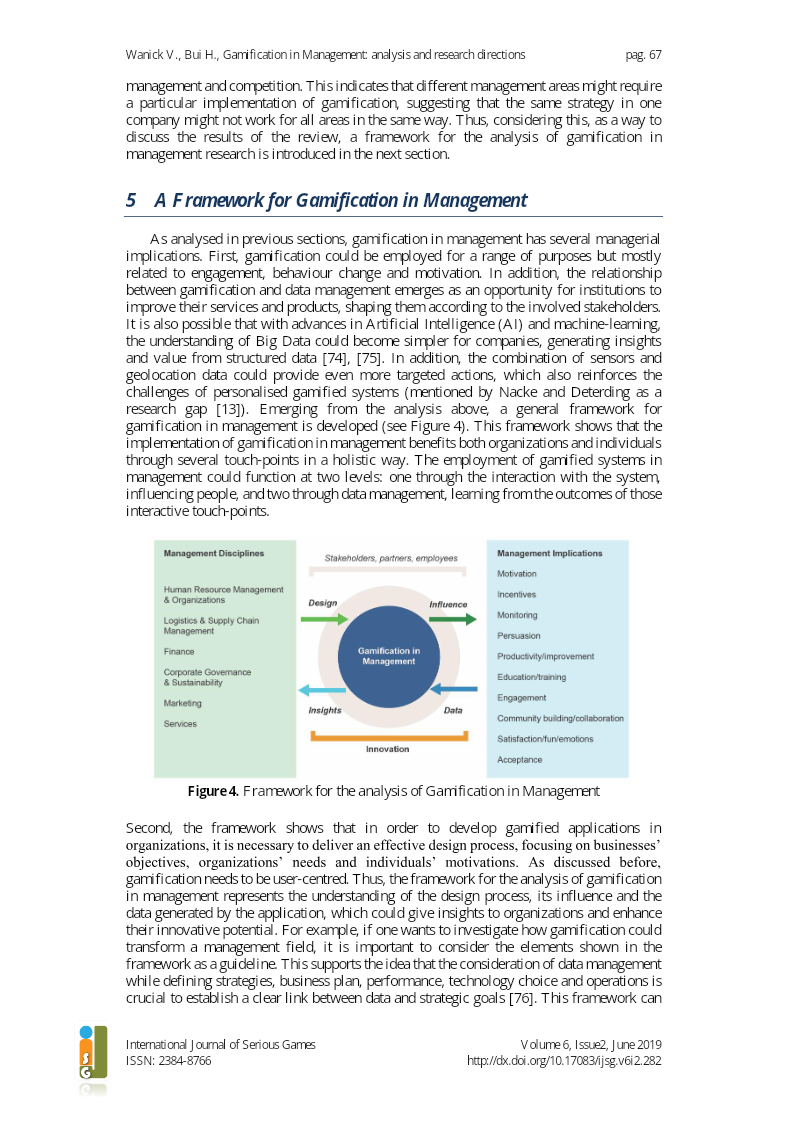
Gamification in Management: Analysis and Research Directions
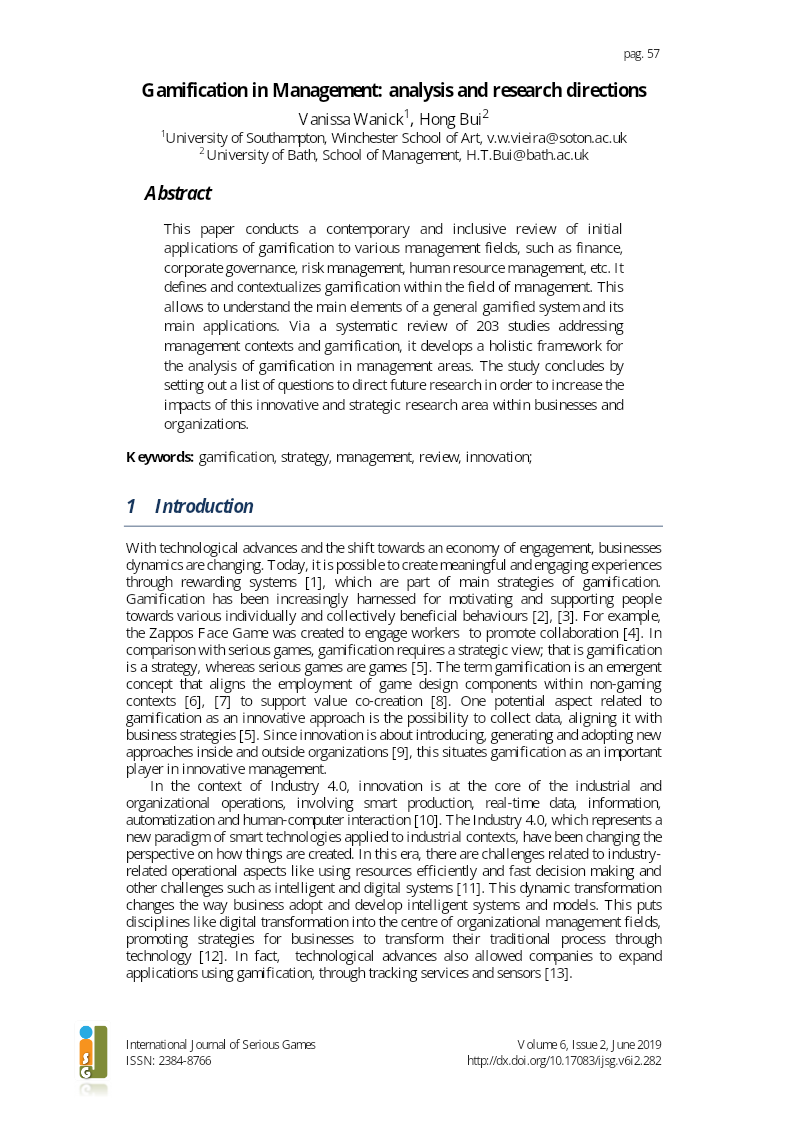
Gamification serves as a critical strategic management tool designed to align human behavior with organizational objectives through the integration of game design elements such as points, badges, and leaderboards.
User Acceptance Evaluation of a Gamified Knowledge Sharing Platform for Use in Industrial Environments
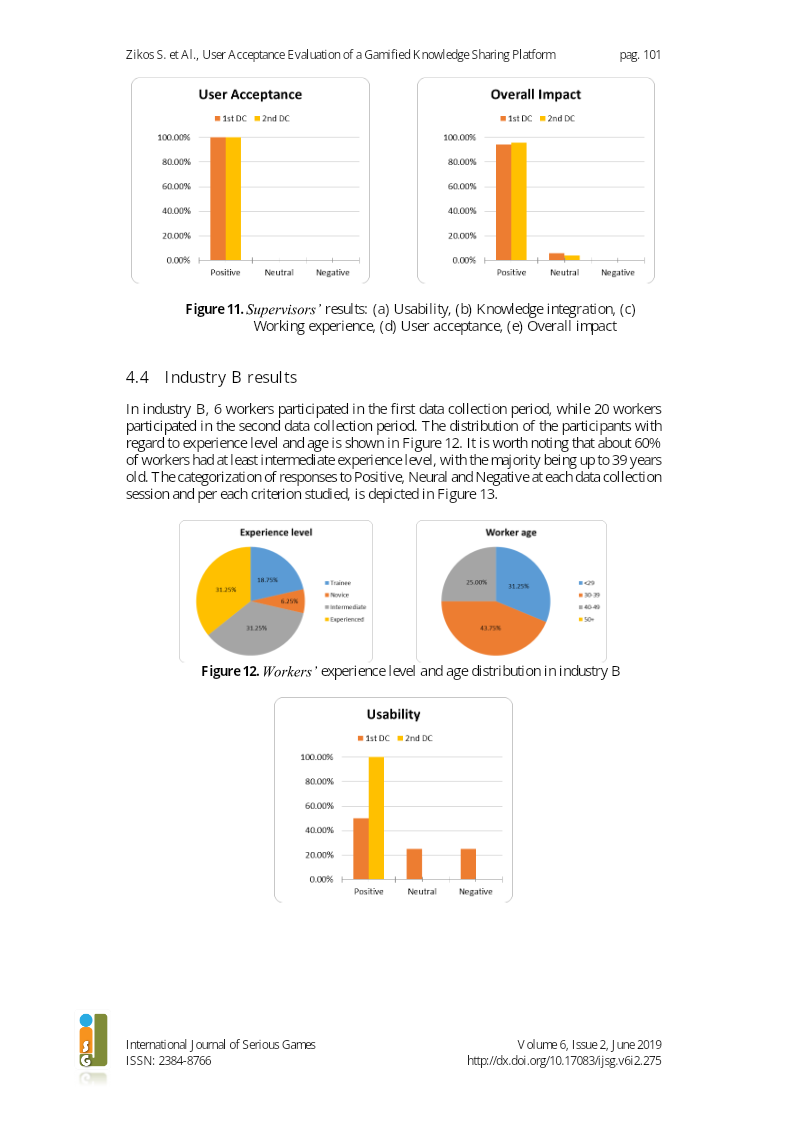
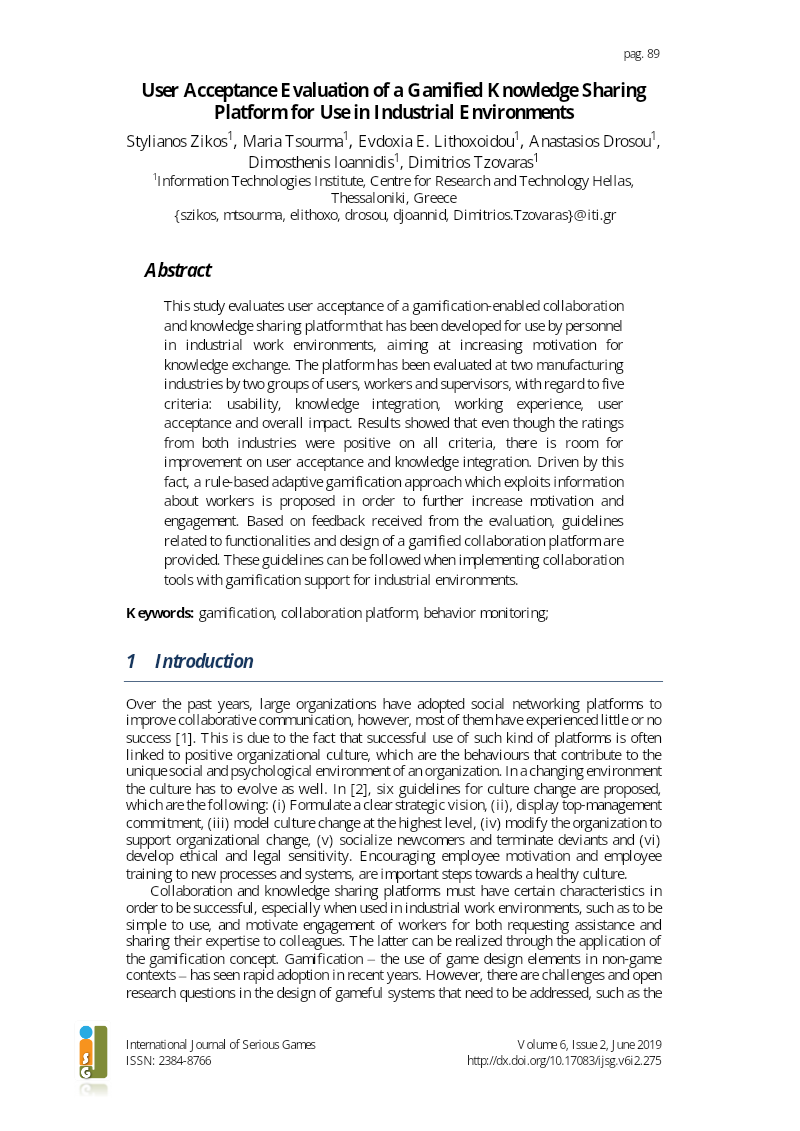
Gamified knowledge-sharing platforms serve as a critical mechanism for enhancing collaboration and motivation among workers and supervisors within industrial settings.
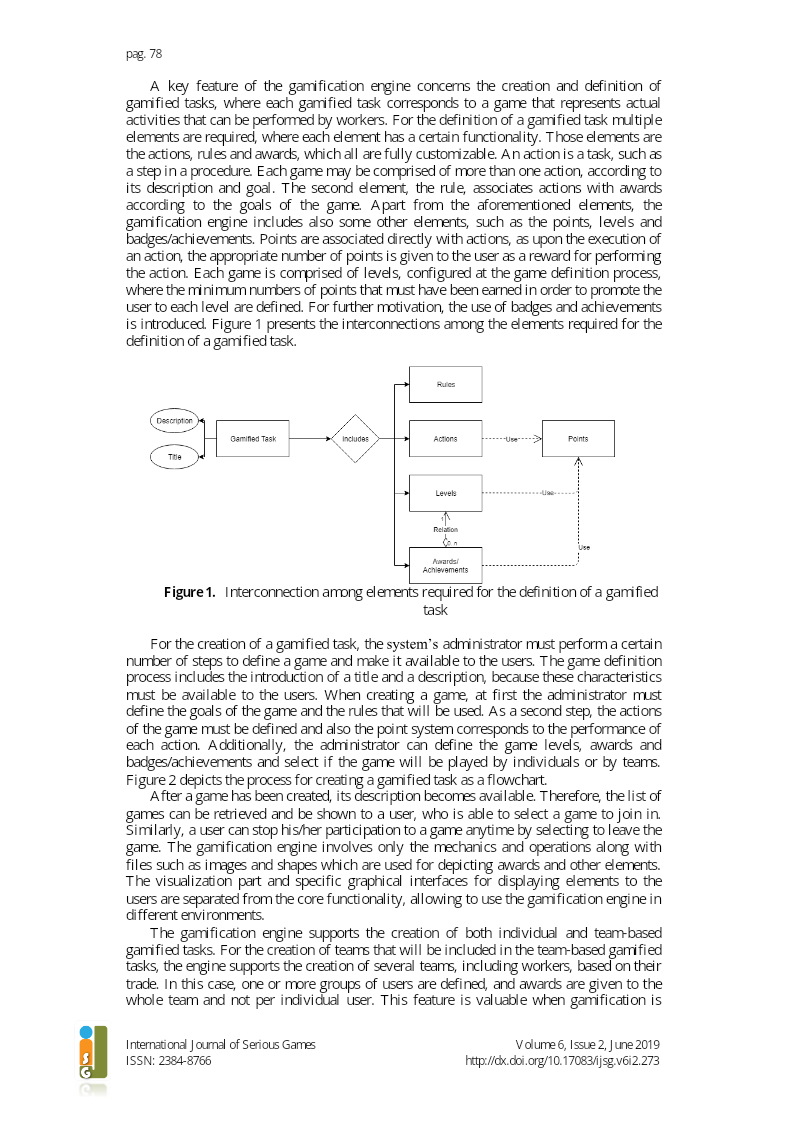
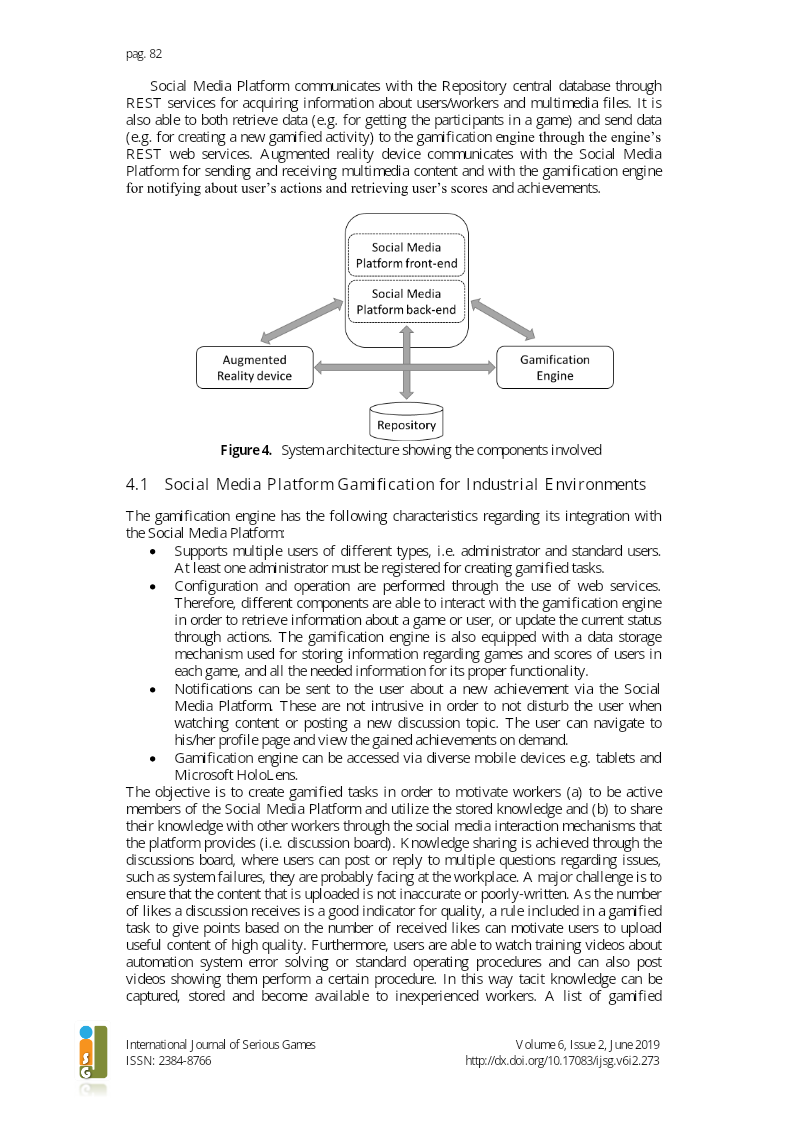
Gamification Concepts for Leveraging Knowledge Sharing in Industry 4.0
Industry 4.0 environments face persistent challenges regarding knowledge retention, training efficacy, and employee resistance to collaborative workflows.
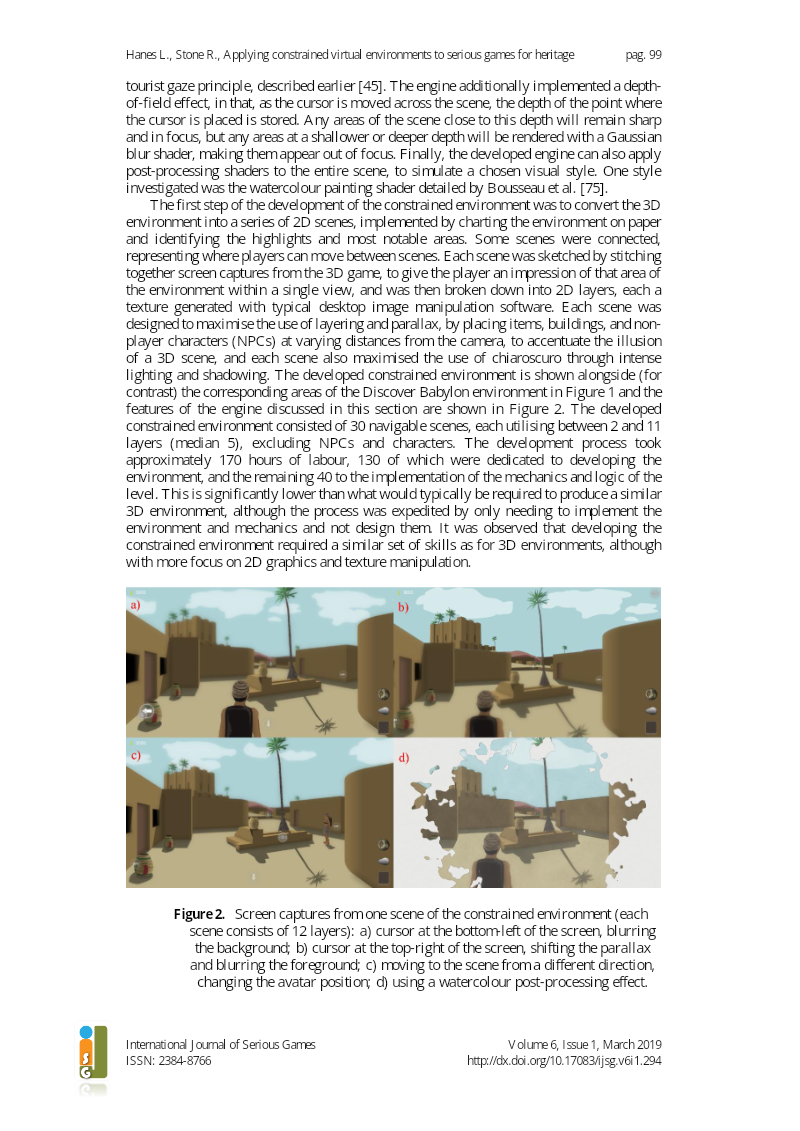
Applying Constrained Virtual Environments to Serious Games for Heritage
Constrained virtual environments, characterized by low-fidelity, 2D-layered scenes, represent a highly effective and resource-efficient alternative to traditional 3D serious games within the heritage sector.
The Play Your Process Method for Business Process-Based Digital Game Design
The Play Your Process method establishes a systematic framework for bridging the gap between business process management and serious game design.